Award-Winning AP Spanish Literature and Culture Tutors
serving Charlotte, NC
AP Spanish Literature and Culture
Tutors in Charlotte
Private 1-on-1 tutoring, weekly live classes for academic support, test prep & enrichment, practice tests and diagnostics, and more to elevate grades and test scores.
Based on 3.4M Learner Ratings
UniversitiesSchools & Universities
DeliveredHours Delivered
ProficiencyGrowth in Proficiency
Who needs tutoring?
No obligation. Takes ~1 minute.
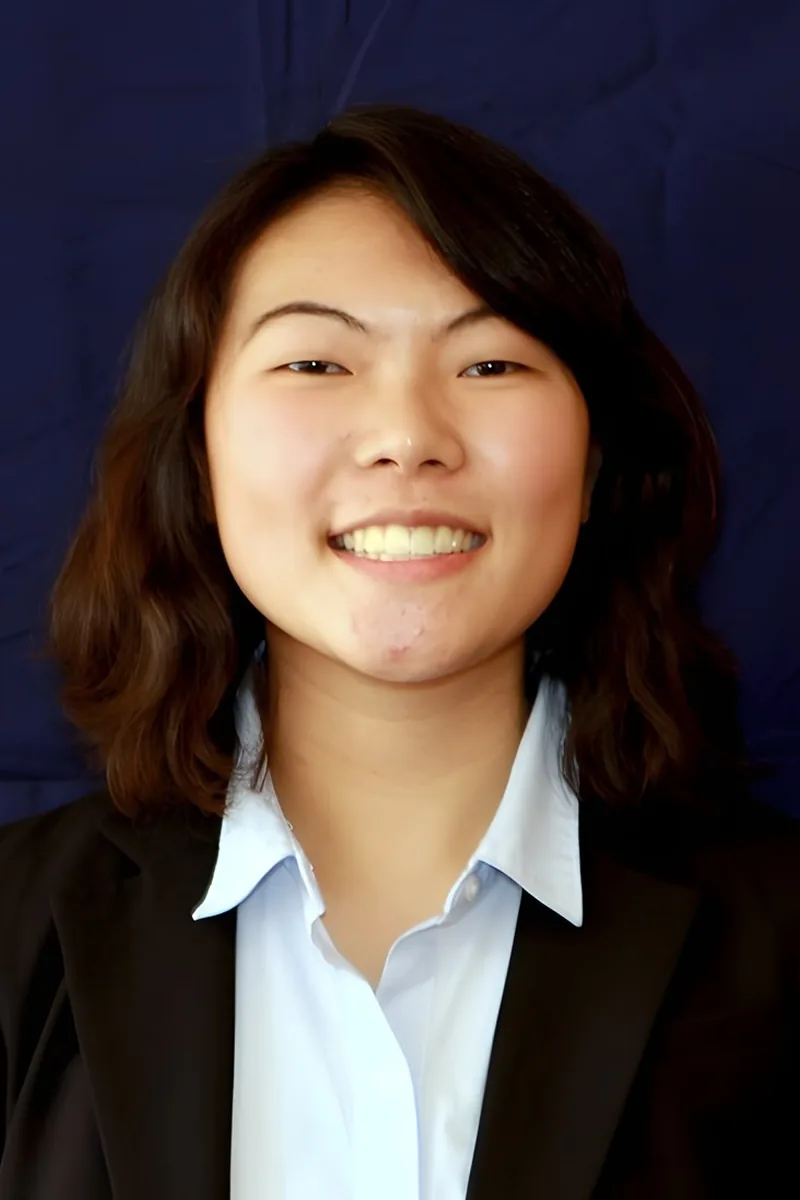
Pre-health biology majors with Hispanic Studies minors don't always land on this page — but Jaina's coursework in Spanish literature and culture, combined with the analytical rigor of her science training, gives her a structured approach to breaking down texts on the AP reading list and building essay arguments in Spanish. She's strongest as a fit for students who need help organizing their ideas under timed conditions, applying the same methodical thinking she uses in lab work to thesis construction and textual evidence. Rated 5.0 by students.
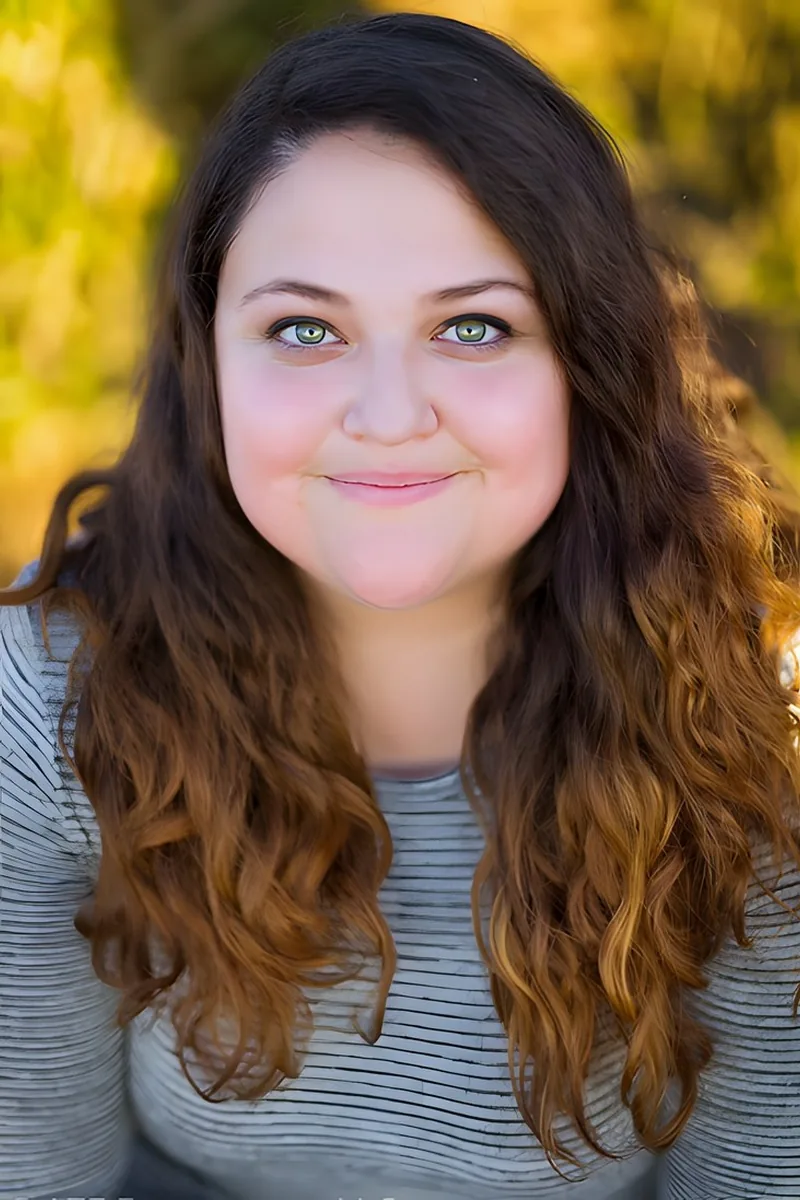
As a native Spanish speaker pursuing a PhD at Rice, Mariane conducts literary analysis in the language she grew up thinking in — an advantage when students need to parse the subtle connotations in a Neruda ode or the layered irony of a Borges narrative. Her scientific training in biochemistry might seem unrelated, but it sharpened a habit of precise, evidence-based argumentation that transfers directly to constructing thesis-driven AP essays under timed conditions. Rated 4.9 by students.
Growing up as a native Spanish speaker and writer while simultaneously studying English literature and theater at Bowdoin gave Alex an unusual double fluency — literary analysis skills honed in two languages at once, which is precisely what this exam's timed essays in Spanish demand. His graduate work in biology might seem unrelated, but the evolutionary and bioanthropological lens he brings to questions of cultural identity and human experience adds unexpected depth when unpacking themes in reading list works from Quiroga to Allende. Rated 4.8 by students.
Fully fluent in Spanish and studying at the University of Chicago, Emerson brings genuine literary analysis skills to AP Spanish Literature and Culture — from unpacking the magical realism in García Márquez to dissecting the poetry of Sor Juana Inés de la Cruz. He teaches students to write the kind of analytical essays the AP exam rewards, connecting themes across literary periods in clear, well-structured Spanish prose.
Courtney earned her Master's in Hispanic and Latin American Languages alongside a BA in Spanish and Iberian Studies — meaning the literary periods, genres, and cultural movements on the AP reading list aren't exam prep material for her, they're the core of her academic training. She teaches students to build analytical essays in Spanish that connect a text's formal choices to the broader tradition it belongs to, whether that's tracing magical realism's roots in a passage or identifying how a Golden Age sonnet's structure reinforces its argument.
AP Spanish Literature and Culture asks students to analyze works from Cervantes to García Márquez in the target language — a challenge that demands both literary skill and genuine fluency. Philip is a fluent Spanish speaker who has also tutored the language at Carnegie Mellon for over a year, so he can unpack themes like "las sociedades en contacto" and rhetorical devices without defaulting to English. He teaches students to write analytical commentary in Spanish that earns top marks on the free-response sections.
Renee's PhD in Spanish and Iberian Studies means she's spent years inside the literary traditions the AP exam tests — not just reading Garcilaso or Unamuno, but producing original scholarship on how these texts function within broader Iberian cultural movements. That academic depth shapes how she teaches students to construct thesis-driven essays in Spanish, moving from close reading of a passage's formal choices to the kind of cultural argumentation that earns top scores on the free-response section.
Three years as a Peace Corps volunteer in the Dominican Republic and time teaching at a bilingual school in Costa Rica gave Courtney the kind of lived Spanish fluency that comes from daily immersion — not just classroom study. That real-world grounding in Caribbean and Latin American culture adds context when she walks students through reading list works where themes of colonialism, identity, and societal contact demand more than textbook definitions to unpack in a timed essay.
A biology major who also tutors across five levels of Spanish — from beginner through AP Language and AP Literature — Mikkel brings the same analytical precision he uses in organic chemistry to dissecting how a Borges story or a Sor Juana poem builds its argument through structure and language. His 4.8 rating suggests that methodical, science-trained approach to breaking down texts and constructing timed essays in Spanish works well for students who want clear frameworks rather than impressionistic literary hand-waving.
James's finance and marketing degrees aren't the obvious path to AP Spanish Literature — but his coursework through AP Spanish Literature and Culture plus Spanish 4 and his experience teaching across every level of the language mean he knows the reading list and can coach essay construction in Spanish. Where he adds unexpected value is in the argumentative structure side: building a persuasive, evidence-driven thesis under time pressure is something his business training reinforced from a different angle, and that discipline transfers directly to the AP free-response section.
Elliot's training is in neuroscience and cognitive science, not Spanish literature — so this is a peripheral subject for him. That said, his PhD-level analytical skills and experience teaching writing and essay construction mean he can coach students on the structural mechanics of timed literary essays: building a thesis, organizing textual evidence, and arguing a point clearly under pressure.
Having double-majored in Spanish at Washington University, Megan brings deep literary fluency to AP Spanish Literature and Culture — from close reading of García Márquez's magical realism to analyzing the cultural context behind Sor Juana's poetry. She walks students through the essay and presentational speaking rubrics so they know exactly what earns top scores on exam day.
Testimonials
Because the right AP Spanish Literature and Culture tutor makes all the difference.
Average Session Rating – Based on 3.4M Learner Ratings
Nearby AP Spanish Literature and Culture Tutors
Other Charlotte Tutors
Related Languages Tutors in Charlotte
Frequently Asked Questions
The AP Spanish Literature and Culture exam tests your ability to read, analyze, and discuss Spanish-language literature across different time periods and regions. You'll encounter poetry, prose, drama, and essays, and you'll need to demonstrate comprehension, literary analysis skills, and cultural understanding. The exam includes multiple-choice questions, free-response essays, and a spoken component where you discuss and defend interpretations of texts.
A tutor can help you develop close-reading strategies specific to literary analysis, build vocabulary in context, and practice essay writing under timed conditions. Personalized 1-on-1 instruction allows a tutor to identify which literary periods, genres, or analytical skills need the most work, then tailor practice materials to strengthen those areas. This targeted approach is especially valuable for AP Spanish Literature, where cultural context and nuanced interpretation are just as important as language proficiency.
Many students struggle with the pace of reading complex literary texts in Spanish—especially older works with unfamiliar vocabulary and cultural references. Understanding what examiners are looking for in literary analysis essays is another common challenge; students often summarize plot instead of analyzing theme, symbolism, or author's purpose. Time management during the exam is also critical, since you need to read passages carefully, answer multiple-choice questions, and write coherent essays within the allotted time.
Score improvement depends on your starting point and how consistently you apply strategies learned in tutoring sessions. Students who work with a tutor to identify weak areas—whether that's analyzing certain literary devices, managing essay timing, or building cultural knowledge—typically see meaningful gains by focusing practice on those specific skills. Most students benefit from starting tutoring 2-3 months before the exam to allow time for strategy development and repeated practice with authentic AP materials.
Effective AP Spanish Literature essays require you to make a clear argument about a text and support it with specific evidence—not just describe what happens. A tutor can teach you how to quickly identify the prompt's focus, plan your response with a thesis statement, and structure paragraphs around textual evidence. Practicing timed essays with feedback is crucial; you'll learn to write coherently under pressure while maintaining grammatical accuracy and using sophisticated vocabulary.
AP Spanish Literature and Culture isn't just about reading comprehension—it's about understanding how historical, social, and cultural contexts shape literature. Questions often ask you to connect a text to its time period, region, or cultural movement, so knowing the context helps you interpret symbolism, themes, and author's intent more accurately. A tutor can help you build this contextual knowledge alongside your reading skills, so you're prepared to discuss both the "what" and the "why" of Spanish-language literature.
Practice tests are most effective when you treat them like the real exam—take them under timed conditions without interruptions, then review every question you missed or found difficult. A tutor can help you analyze your practice test results to identify patterns: Are you struggling with certain genres, time periods, or question types? Do you run out of time on essays? Once you pinpoint weak areas, you can focus subsequent practice sessions on those specific skills rather than reviewing everything. Spacing out practice tests over several weeks also helps reinforce learning through repeated exposure.
Varsity Tutors connects you with expert tutors who specialize in AP Spanish Literature and Culture and understand the specific demands of this exam. When you reach out, you can share your current level, goals, and preferred schedule, and we'll match you with a tutor whose expertise aligns with your needs. Whether you're starting from scratch or fine-tuning your skills a few weeks before the exam, personalized instruction can be customized to fit your timeline and learning style.
Let’s find your perfect tutor
Answer a few quick questions. We’ll recommend the right plan and match you with a top 5% tutor.