Award-Winning College Essays
Tutors
College Essays
Tutors
Private 1-on-1 tutoring, weekly live classes for academic support, test prep & enrichment, practice tests and diagnostics, and more to elevate grades and test scores.
Based on 3.4M Learner Ratings
UniversitiesSchools & Universities
DeliveredHours Delivered
ProficiencyGrowth in Proficiency
Who needs tutoring?
No obligation. Takes ~1 minute.

A compelling college essay isn't a résumé in paragraph form — it's a story that reveals how a student thinks. Mimi's arts and humanities background at Dartmouth sharpened her eye for narrative structure and authentic voice, and her Harvard education training means she knows how to draw out the specific details that make an applicant's essay memorable to admissions readers.
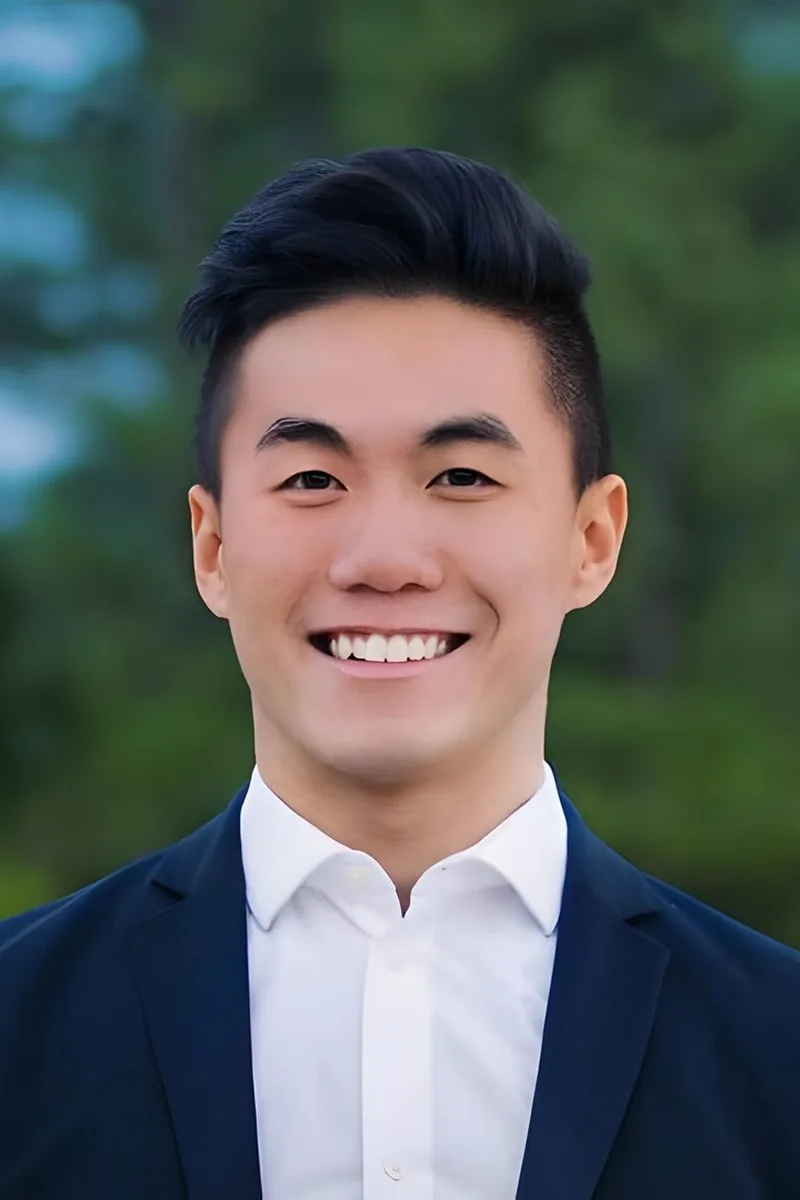
A strong college essay isn't about listing achievements — it's about revealing how you think. Aaron went through the application process as an engineering student and knows how to help applicants find a specific, genuine angle that admissions readers remember. He walks through brainstorming, drafting, and revision as distinct stages so the final essay sounds like the student, not a committee.
Having navigated applications to Columbia's master's program and NYU's doctoral program, Nina understands what admissions committees are actually looking for — specificity, self-awareness, and a narrative that connects experiences to goals. She's particularly strong at helping STEM-oriented students translate lab work, research interests, or quantitative passions into compelling personal stories. Her editing is direct and structural, not just cosmetic.
A strong college essay doesn't summarize a résumé — it reveals how a student thinks. Reid, who holds a PhD in Education from Harvard and a sociology degree from Wesleyan, knows how to draw out the specific personal narratives that admissions committees remember. He walks students through brainstorming, structural choices, and revision until every sentence earns its place.
Having worked in Harvard's admissions office, Solange has read application essays from the other side of the desk and knows what makes a reader pause versus skim. She teaches students to identify a single, specific narrative thread — not a résumé recap — and shape it into a personal statement that sounds unmistakably like them. That insider perspective is hard to replicate from a guidebook.
Having gone through the admissions process at Harvard, Christopher knows firsthand what makes a college essay land — specificity, voice, and a narrative arc that reveals something a transcript can't. He walks students through brainstorming, drafting, and revising so the final product sounds unmistakably like them, not like a template.
Writing a college essay that actually sounds like you — not like a thesaurus exploded on a personal statement — is harder than it looks. Charles went through the process himself as a Yale admit and knows how to help a student find the one specific story that admissions officers will remember. He's also a writer and reader in his spare time, which means he edits for voice and narrative arc, not just grammar.
A strong college essay doesn't summarize a résumé — it reveals how a student thinks. Liz's humanities and anthropology training at Washington University in St. Louis sharpened her ability to find the specific, telling detail in a broader narrative, which is exactly what admissions readers look for. She walks students through brainstorming, drafting, and revision with an emphasis on authentic voice and structural clarity.
Having navigated medical school applications at Baylor College of Medicine, Michelle understands how to shape a personal narrative that admissions readers actually remember. She teaches students to identify the one specific story that reveals something a transcript can't, then structure it with a clear arc. Her feedback targets both the big-picture argument and the sentence-level choices that separate a good essay from a compelling one.
A strong college essay needs a genuine voice and a specific story — not a résumé rewrite or a thesaurus exercise. Justin went through the admissions process himself for the University of Chicago's PhD program and understands how to shape a personal narrative that stands out to selective readers. He works through brainstorming, structure, and revision with a methodical eye, making sure each draft gets sharper and more authentically the student's own.
A strong college essay doesn't summarize a résumé — it reveals how a student thinks. Daniel, who has a sociology background, excels at drawing out the personal narratives and specific moments that admissions readers remember, then shaping drafts until the voice on the page sounds unmistakably like the applicant.
A strong college essay isn't a résumé in paragraph form — it's an argument about who you are, built from one specific moment or idea. Justin has spent his academic career at the University of Chicago and now UNM constructing and evaluating exactly these kinds of arguments, and he applies that rigor to helping students find the single thread that makes their essay compelling. He digs into drafts at the structural level, reshaping narrative arc and voice before polishing sentences.
After graduating from the University of Chicago, Asta spent time as an admissions consultant in Hong Kong, coaching international students through the entire college essay process — brainstorming, drafting, and revising personal statements and supplements. She knows what admissions readers look for: a specific, authentic voice and a narrative arc that reveals character rather than just listing accomplishments. Rated 5.0 by students.
Having gone through the Harvard application process and later written a senior thesis on education philosophy, Henry understands what admissions readers are actually looking for: a specific, honest voice rather than a highlight reel of accomplishments. He digs into brainstorming and revision with students, pushing each draft toward a sharper narrative arc and a more distinctive point of view.
As a first-generation college student who earned a Gilman Scholarship to study abroad and now pursues a double major at Northwestern, Ingrid knows how to turn a complicated personal story into a compelling, focused admissions essay. She digs into brainstorming with students to identify the one narrative thread that admissions officers will remember — then sharpens every paragraph until voice and structure reinforce each other.
A strong college essay doesn't summarize a résumé — it reveals how a student thinks. As a Johns Hopkins student who went through the admissions process herself, Sabira walks applicants through brainstorming, drafting, and refining a personal narrative that sounds genuinely like them. Her own love of writing and reading gives her a sharp editorial eye for voice and structure.
Having navigated the admissions process into Harvard and then into Columbia Medical School, James understands what admissions committees are actually looking for — a specific, authentic voice rather than a résumé repackaged as prose. He walks students through brainstorming, structural choices, and revision with an eye toward making each essay unmistakably theirs. His 4.9 rating speaks to how well he balances honest feedback with encouragement.
A college essay needs to sound like you — not like every other applicant who Googled "how to write a personal statement." Elena, who develops curriculum professionally and earned First Class Honors from McGill and Edinburgh, coaches students through finding the one specific story or detail that admissions officers will actually remember. She treats the process like a creative collaboration, working through brainstorming, drafting, and ruthless editing until the voice on the page is unmistakably the student's own.
A strong college essay needs a specific story told in a distinctive voice, not a résumé rewritten in paragraph form. Andrew, an avid reader and writer who completed a doctoral program, knows how to shape a personal narrative that holds an admissions reader's attention. He walks through brainstorming, drafting, and revision as separate stages so the final product feels polished without sounding over-engineered.
Having gone through the admissions process at MIT and now Georgia Tech's PhD program, Isabella knows what makes a personal statement land with a committee — specificity, structure, and a voice that sounds like the person writing it. She walks students through brainstorming, drafting, and revising so the final essay reveals something a transcript can't.
College admissions readers spend roughly four minutes on an essay, which means the opening line, narrative arc, and voice all need to land fast. Keith approaches each draft by identifying the single most compelling thing about a student's story and cutting everything that doesn't serve it. His own writing background — political science and English coursework at Williams, plus admission to Cornell Law — means he understands what selective readers look for.
A journalism degree teaches you to find the story that matters and tell it fast — exactly what admissions officers want in a college essay. Shelley pairs that editorial instinct with her psychology training to help students identify the personal experiences that reveal genuine character, then shape those moments into tight, compelling narratives. She holds a 5.0 rating from students.
A strong college essay doesn't summarize a résumé — it reveals how a student actually thinks. Matt approaches the brainstorming phase by digging into moments of genuine surprise, conflict, or change in a student's life, then structures drafts around a single narrative arc that admissions readers remember.
A strong college essay doesn't summarize a résumé — it reveals how a student thinks. Sherry's dual background in psychology and linguistics at the University of Chicago gives her a sharp eye for both narrative voice and the subtle ways word choice shapes a reader's perception. She walks students through brainstorming, drafting, and revising until the essay sounds unmistakably like them.
College admissions essays aren't academic papers — they're personal narratives that need a distinct voice, a specific moment, and a reason the reader should care. Brittney has been coaching students through this process since 2008, and her Comparative Literature background means she understands storytelling at a structural level. She pushes drafts past the generic "overcoming adversity" template toward something that actually sounds like the student writing it.
As a current pre-health grad student at Penn, Shayan has navigated the exact admissions process that college essay writers are facing — crafting a personal narrative that stands out in a competitive applicant pool. He zeroes in on finding the one specific story or moment that reveals character, then builds the essay's structure around it so every paragraph earns its place.
A strong college essay doesn't summarize achievements — it reveals how a student thinks. Sung, who lists writing and reading among his core interests, digs into brainstorming sessions that surface the specific moments and reflections admissions officers remember. He then tackles structure, voice, and revision with an editor's eye, making sure every draft sounds authentically like the student writing it.
A strong college essay turns a specific moment into a window on how a student thinks — and that's harder to pull off than it sounds. Ben went through the Penn admissions process himself and now walks students through brainstorming, drafting, and revising personal statements that sound genuinely like them rather than like a template.
Getting into Yale twice — once as an undergrad, once for her MPH — means Emily knows exactly what admissions officers respond to in a personal statement. She digs into brainstorming, narrative structure, and voice to turn a rough idea into an essay that sounds unmistakably like the student writing it. Rated 5.0 by students.
A PhD in statistics and a biomedical engineering degree mean Sam has spent years writing for audiences who punish vagueness — and that editorial ruthlessness is exactly what a bloated college essay draft needs. He's particularly effective with applicants whose lives revolve around quantitative work, helping them locate the personal story buried underneath the résumé bullet points and build a narrative around it. Rated 4.9 by students.
A strong college essay doesn't summarize a résumé — it reveals how a student thinks. Lauren approaches the personal statement as a craft exercise, pushing students to find the one specific moment or detail that makes their voice unmistakable, then shaping the draft until every sentence earns its place.
Having navigated the doctoral admissions process herself, Renee knows that a college essay lives or dies by its specificity — not grand claims, but one well-chosen moment that reveals character. She spent four years as a writing consultant during undergrad and brings that editorial instinct to brainstorming, drafting, and tightening personal statements that sound genuinely like the student writing them.
College admissions readers skim hundreds of essays a day, so the difference between forgettable and memorable often comes down to a single specific moment rendered honestly. As a current Penn student who went through this process recently, Kevin knows what admissions teams respond to and where applicants tend to over-explain or play it safe. He walks students from brainstorming through final revision, sharpening voice and structure along the way.
Having navigated Yale's admissions process herself — and scored a 1570 SAT — Zosia knows what makes an essay land with a reader versus what gets lost in a pile of 50,000 applications. She digs into brainstorming, structure, and voice, pushing students to find the one specific story that no other applicant could tell. Rated 4.9 by students.
Getting into a top school takes more than strong scores — Jai went through the admissions process himself and landed at Stanford. He teaches students to find the one specific story or moment that reveals something an admissions reader can't get from the rest of the application, then sharpen every sentence until it earns its place.
A standout college essay doesn't summarize a résumé — it reveals how someone thinks. David spent time teaching entrepreneurship to high school students in Palestine and later volunteered with community organizations in the Twin Cities, giving him a sharp sense of what makes a personal narrative land with an admissions reader. He digs into brainstorming and revision with students until the essay sounds unmistakably like them.
Getting into Princeton's engineering program required essays that stood out in a sea of STEM applicants, so Matthew knows how to translate technical interests into compelling personal narratives. He coaches students on finding a specific angle, structuring their drafts around a single vivid idea, and revising until every sentence earns its place.
Having served on admissions interview committees at both Rice University and Baylor College of Medicine, Sugi reads application essays from the evaluator's side of the table. She knows what makes a personal statement land — specificity, authentic voice, and a narrative arc that answers the prompt without sounding rehearsed. That insider perspective is hard to replicate.
The hardest part of a college essay isn't the writing — it's figuring out what's actually worth saying. As an international student from Malaysia who went through the U.S. admissions process herself and later studied education policy at Harvard, Yu brings a rare double perspective on what makes a personal statement land. She walks students from brainstorming through final polish, pushing for specificity and voice over generic "lesson learned" narratives.
College admissions officers read thousands of essays that all sound the same — Meghan's journalism training at Northwestern is built around making sure writing doesn't. She digs into a student's specific experiences to find the story worth telling, then shapes the narrative arc, voice, and structure until the essay reads like something only that student could have written.
Testimonials
Because the right College Essays tutor makes all the difference.
Average Session Rating – Based on 3.4M Learner Ratings
Top 20 English Subjects


Top 20 Subjects
Frequently Asked Questions
Most students struggle with finding their authentic voice while meeting institutional expectations—trying to sound impressive instead of genuine. Other common obstacles include developing a compelling thesis that goes beyond surface-level observations, organizing complex ideas into a coherent narrative, and managing the emotional vulnerability required for personal essays. Many also underestimate the revision process, submitting drafts that lack the specificity and vivid details that make essays memorable to admissions readers.
Strong college essays move beyond the five-paragraph formula by using a structure that serves the story rather than forcing the story into a template. This might mean opening with a specific scene or moment that reveals character, developing through reflection and analysis, and closing with insight about growth or understanding. The key is ensuring each paragraph advances your narrative or argument, rather than repeating the same point. A tutor can help you identify which structure best serves your particular essay topic and voice.
Authenticity comes from specific, concrete details rather than broad statements about yourself. Instead of writing "I'm a hard worker," show it through a particular moment—the specific challenge you faced, your exact thought process, what you actually did. Avoid common essay topics (overcoming adversity, sports achievements, cultural identity) unless you have a genuinely unique angle. The most compelling essays often reveal vulnerability or complexity rather than presenting a polished version of yourself. A tutor can help you identify which moments from your life contain real insight and how to develop them with honesty.
Revision should happen in layers: first, check that your essay has a clear purpose and that every paragraph serves it (cutting anything that doesn't). Next, examine your voice and word choice—replace generic language with specific, vivid details that only you could write. Then address technical issues like grammar and punctuation. Finally, read your essay aloud to catch awkward phrasing and ensure it sounds natural. Many students revise too quickly or focus only on grammar; the most impactful revisions strengthen your argument, deepen your reflection, and make your voice more distinctive.
Your central idea should be a specific insight or realization about yourself, not a general statement. Rather than "I learned the importance of teamwork," your thesis might be "I discovered that my perfectionism actually prevented me from being a good teammate—and that vulnerability was my strength." The best college essay theses are specific enough that only you could write them, and they show growth or complexity rather than a simple lesson learned. A tutor can help you move from vague self-observations to concrete, compelling claims that admissions officers will remember.
Supplemental essays are shorter and more focused—they typically ask you to address a specific prompt or question about why you want to attend that particular school. While main essays showcase who you are, supplementals demonstrate your genuine interest in the institution and how you'll contribute. This means doing real research about programs, professors, or campus culture, and explaining concrete connections to your goals. Avoid generic praise; instead, show specific knowledge that proves you've thought seriously about this school. Tutors can help you balance authenticity with the directness these essays require.
"Show, don't tell" means using specific scenes, dialogue, sensory details, and actions to reveal character rather than simply stating who you are. Instead of writing "I'm creative," show yourself in the act of creating—describe the moment you realized your original idea wouldn't work, how you problem-solved, what you felt. This approach makes essays more engaging and memorable, and it allows readers to draw their own conclusions about you rather than telling them what to think. Admissions officers read thousands of essays claiming to be "hardworking" or "passionate"—specific examples prove it.
A tutor provides personalized feedback that goes beyond grammar checking—they can identify where your essay lacks specificity, where your voice gets lost, and where your argument needs strengthening. They ask clarifying questions that help you discover what you're really trying to say, push you to dig deeper into moments that feel surface-level, and help you recognize when you're writing for admissions officers instead of being authentic. Rather than rewriting for you, a strong tutor guides you to make your own revisions, building the critical thinking skills you'll need in college.
Let’s find your perfect tutor
Answer a few quick questions. We’ll recommend the right plan and match you with a top 5% tutor.