Award-Winning Biology Tutors
serving Columbus, OH
Biology
Tutors in Columbus
Private 1-on-1 tutoring, weekly live classes for academic support, test prep & enrichment, practice tests and diagnostics, and more to elevate grades and test scores.
Based on 3.4M Learner Ratings
UniversitiesSchools & Universities
DeliveredHours Delivered
ProficiencyGrowth in Proficiency
Who needs tutoring?
No obligation. Takes ~1 minute.
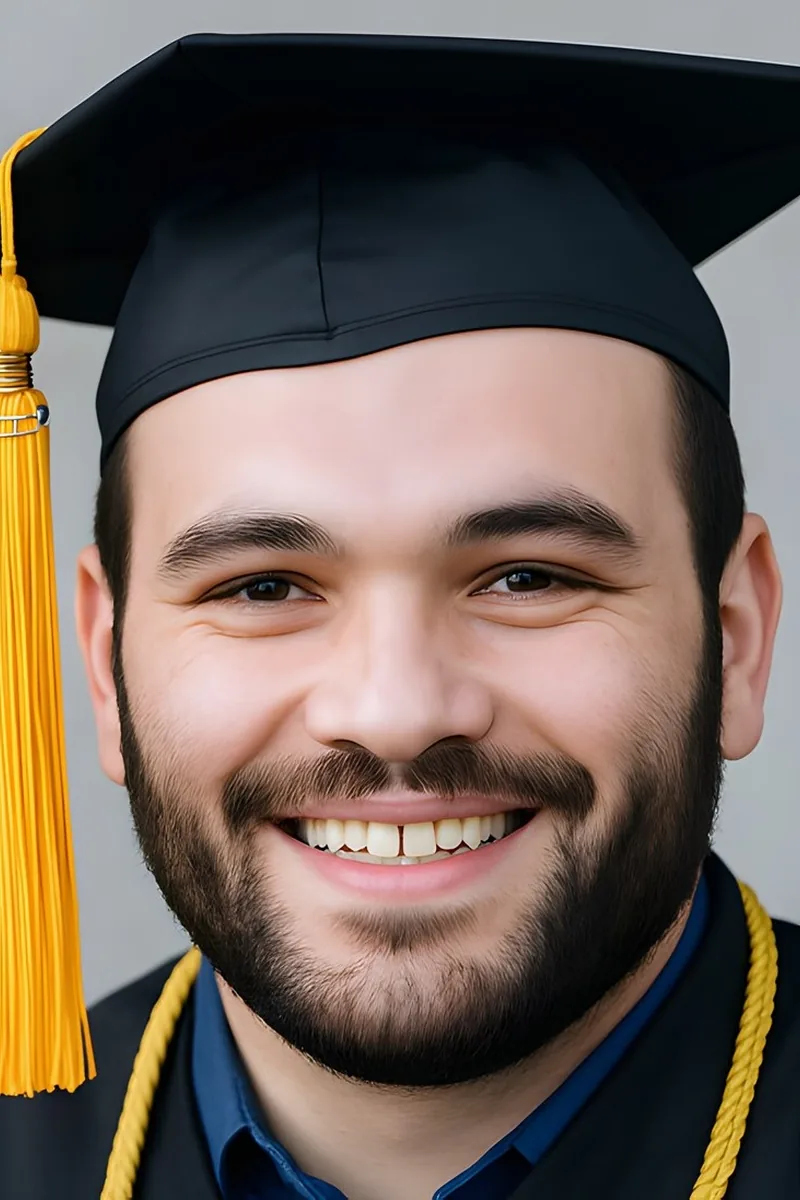
I'm a recent college graduate with degrees in Biological Sciences and Russian from Ohio University. During my time there, I tutored students in a variety of subjects, including biology, chemistry, and Spanish. In addition, I worked as both a peer advisor and teaching assistant, which gives me insight into the learning strategies and study skills that students need to succeed. As a tutor, I like to focus on doing actual problems with students because it is the most effective way to immediately identify their strengths and weaknesses and to address them. In my free time, I like to lift weights, read books, and spend time with my friends.
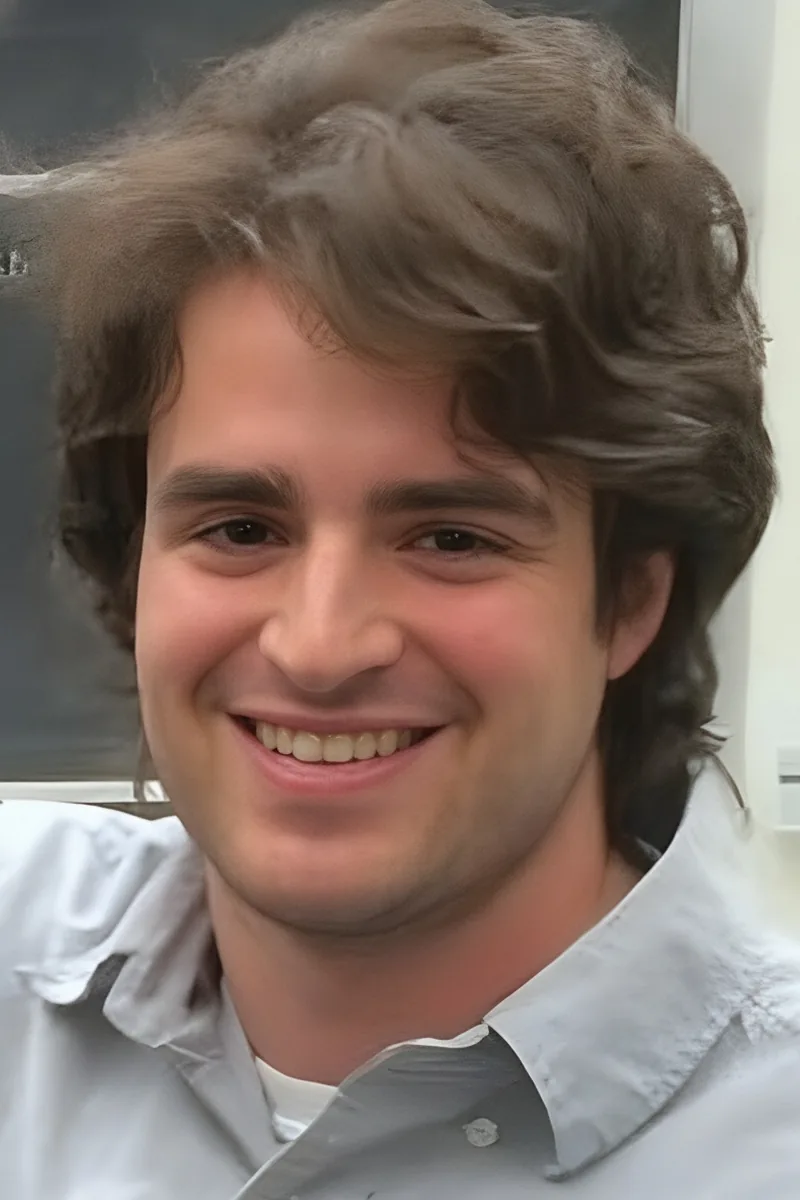
Preparing for medical school meant Nikolas had to master biology from the molecular level up — cell signaling, genetics, ecology, and everything in between. He unpacks dense topics like the central dogma or membrane transport by connecting them to clinical and exercise-related scenarios that give each concept a reason to stick. Named an OSU Scholar Athlete four times, he knows how to balance rigorous academics with a packed schedule.
Cell physiology, immunology, and biochemistry aren't just subjects Nathan studied — they were the core of his degree at the University of Akron. He digs into the mechanisms behind processes like signal transduction and immune response so students understand the "why" driving each biological concept, not just the vocabulary.
Jonathan's coursework at Ohio State spanned microbiology, molecular genetics, organic chemistry, and biochemistry, giving him an unusually broad foundation across biology's toughest subtopics. He unpacks processes like cellular respiration and DNA replication by tracing each step's purpose, turning dense diagrams into stories that are far easier to recall on exam day.
Emeric's biochemistry degree means he built his understanding of biology from the molecular level up — learning genetics, cell biology, and physiology through the lens of the chemical reactions that actually drive them. That background makes him particularly effective at untangling topics like signal transduction or metabolic regulation, where students need to see the chemistry inside the biology to make sense of what's happening. Rated 5.0 by students.
Vinay's dual UCLA degrees — one in Molecular, Cell, & Developmental Biology, one in Mathematics-Economics — mean he learned biology with a quantitative rigor that most life science majors skip, which pays off when students hit topics like population genetics, enzyme kinetics, or any concept where the math and the biology have to click at the same time. Now a medical student, he traces those foundational ideas forward into human physiology, giving students a clear line from textbook mechanisms to how they actually play out in living systems. Rated 5.0 by students.
Chemical engineering at Cornell meant Rahul had to master biology's molecular underpinnings — enzyme kinetics, metabolic pathways, cellular transport — as working tools for reactor design and bioprocess modeling, not just exam material. That engineering mindset makes him especially effective at teaching students to think through biological systems as logical, step-by-step processes rather than lists of vocabulary to memorize. Rated 4.9 by students.
Biomedical engineering sits right at the intersection of biology and quantitative analysis, which means Christine doesn't just know cell structure and metabolic pathways — she understands them well enough to model them mathematically. She's particularly strong on molecular biology and physiology concepts, connecting textbook diagrams to the real mechanisms they represent.
Nathan's neuroscience degree from Vanderbilt required deep coursework across cell biology, genetics, and physiology — subjects he now unpacks for students tackling everything from mitosis to ecological systems. He's particularly strong at explaining molecular-level processes like DNA replication and protein synthesis in ways that make the logic behind each step clear.
Most biology students get overwhelmed when a single chapter jumps from molecules to ecosystems with no obvious thread connecting them. Priya's math training at Vanderbilt gives her an unusual edge here — she teaches biological processes like enzyme kinetics, population growth, and inheritance patterns by emphasizing the quantitative logic underneath, turning what feels like pure memorization into problems students can actually reason through.
From cell respiration pathways to population genetics, biology covers an enormous range of scales and concepts. Emma earned her biology degree at Duke while conducting field research on Hawaiian monk seals, giving her a perspective that connects textbook material — DNA replication, ecological interactions, evolutionary mechanisms — to how scientists actually use these ideas. She's currently applying to marine biology master's programs, so the subject is very much alive for her.
Someone who studied neuroscience doesn't just know biology — they've had to integrate molecular biology, genetics, anatomy, and physiology into a single framework. Eshita uses that cross-cutting perspective to show how a concept like protein folding connects to everything from enzyme function to neurological disease, making isolated facts easier to remember and apply.
Vishank's data analytics coursework in biomedical and public health analysis means he regularly works with biological datasets — gene expression patterns, epidemiological trends, disease markers — which gives him an unusually quantitative angle on topics like genetics, ecology, and population biology. He's especially effective at teaching students how to interpret experimental results and connect data back to the underlying biological mechanisms. Rated 4.9 by students.
As a Cellular and Molecular Biology major at Vanderbilt pursuing genetic research, Carly lives this subject daily — from DNA replication and gene expression to membrane transport and cellular respiration. She also teaches science lessons to Nashville middle schoolers through Vanderbilt Student Volunteers for Science, which means she's practiced at making complex biological processes click for learners at every level.
I am an upbeat and patient tutor. I like to make learning as fun as possible, and I'm constantly learning new things.
From cellular respiration to ecosystem dynamics, biology covers an enormous range — and the students who do best are the ones who see how each level of organization connects to the next. Delaney's BS in Biology gives her the breadth to move fluidly between molecular details and big-picture ecology, adjusting her explanations to whatever a student is wrestling with. She holds a 5.0 client rating.
Kevin's biomedical engineering background means he learned biology through the lens of designing solutions — understanding how tissues grow, how organs function as systems, and how cellular behavior translates into real-world medical devices and therapies. That engineering perspective makes him especially effective at teaching topics like cell biology and human physiology, where seeing the functional logic behind each structure turns a wall of vocabulary into something that clicks. Rated 5.0 by students.
A double major in Biology and Behavioral Neuroscience who went on to pursue a PhD in neuroscience at Ohio State, Josh has the kind of deep biological knowledge that lets him explain not just what happens in a cell but why it happens that way. He's particularly strong on molecular biology and genetics — the topics that tend to separate memorizers from students who genuinely understand the material.
Visual learners tend to struggle most in biology when flat textbook diagrams fail to convey three-dimensional processes — protein folding, membrane dynamics, mitotic spindle formation. Sanjul, now in his final year of osteopathic medical school after a biology and chemistry undergraduate track, teaches these concepts using spatial models and visual breakdowns that give students a structural intuition for what's actually happening inside the cell. Rated 5.0 by students.
The jump from memorizing biology vocabulary to actually understanding processes like cellular respiration or DNA replication is where most students struggle. Lyndsey teaches biology by tracing cause and effect through each system — if you understand the electron transport chain as a story, you don't need to memorize every detail separately. She holds a 5.0 client rating.
Pharmacy school puts biology under a pharmacological microscope — Lillian has to understand how drugs interact with receptors, how metabolic pathways process compounds, and how genetic variation changes a patient's response, all of which deepens her grip on core topics like cell signaling, enzyme function, and organ-system physiology. She teaches those concepts by tracing the pattern underneath the details, so a student learning about, say, feedback loops in the endocrine system walks away understanding the logic well enough to apply it to unfamiliar examples. Rated 4.9 by students.
From cellular respiration pathways to Mendelian genetics, Sunny teaches biology as an interconnected story rather than isolated chapters to memorize. Her biology degree and hands-on research experience give her the depth to explain not just what happens in a biological system, but the molecular why behind it.
William's psychology degree gave him a deep grounding in the biological side of behavior — neurotransmitter pathways, hormonal regulation, and the anatomy of the nervous system — which means he teaches those topics with a fluency that connects structure to function in ways that stick. He's especially strong at bridging the gap between biology and behavioral science, showing students how concepts like action potentials or endocrine feedback loops play out in real organisms rather than just on a diagram. Rated 4.5 by students.
Emily's chemistry PhD work at Ohio State means she lives in the molecular world that underpins biology — thermodynamics driving protein folding, chemical equilibria governing enzyme activity, the physical chemistry behind how membranes actually behave. That perspective makes her especially useful for students who need to understand the "why" behind biological processes like cellular respiration or signal transduction, not just label the diagram. Rated 5.0 by students.
Alyssa's linguistics research at the University of Vermont has sharpened a specific skill that transfers directly to biology: breaking down complex systems into their component parts and understanding how those parts interact — whether that's morphemes in a sentence or organelles in a cell. She's particularly effective at teaching classification, ecology, and the logic behind biological terminology, since many scientific terms share the Latin and Greek roots she studies daily.
Sunay studied neuroscience at Emory, which means he's spent serious time with cell biology, genetics, and molecular pathways — the exact content that anchors most biology courses. He teaches AP Biology by linking big concepts like gene expression and cellular respiration to the specific details students need for free-response questions. Rated 4.9 by students, he makes dense material feel organized and approachable.
A biochemistry and cell biology degree from UCSD followed by four years of medical school means Linda has revisited topics like gene expression, metabolic regulation, and cell signaling at progressively deeper levels — first as textbook concepts, then as mechanisms underlying actual clinical problems. She teaches biology by anchoring each process to its biochemical logic, so students build understanding they can apply across chapters instead of re-memorizing for every exam. Rated 5.0 by students.
Medical school builds a particular kind of biological fluency — Hyerin doesn't just recall that the nephron filters blood, she can trace the hormonal cascades, osmotic gradients, and feedback loops that make it work, then explain each piece in plain language. Her bioethics master's adds an unusual dimension, giving her a framework for connecting biological concepts like gene editing or stem cell differentiation to the ethical questions that make students genuinely curious about the material. Rated 4.9 by students.
Pursuing osteopathic medicine after a biomedical engineering degree means Joseph has studied biology from two very different angles — the systems-level view of an engineer and the molecular-level detail required for medical school. He's especially strong on cell biology, human anatomy and physiology, and genetics. That dual perspective lets him explain processes like cellular respiration or DNA replication in whatever framework makes the most sense to each student.
Four years of medical school at Case Western Reserve gave Camille a relationship with biology that most tutors simply don't have — she's traced every major concept from its introductory form through clinical application, whether that's genetics showing up in differential diagnoses or cellular respiration underpinning exercise physiology. Before med school, she spent two years as a research coordinator in Boston, which sharpened her ability to explain experimental design and data interpretation alongside the core content. Rated 4.9 by students.
Teaching introductory biology and general chemistry as a college TA sharpened Maria's ability to spot exactly where students lose the thread — whether it's the relationship between enzyme structure and function or how feedback loops regulate hormone levels. Her biochemistry degree and medical training at Case Western mean she can trace a concept like cellular respiration from the textbook diagram all the way to its clinical relevance, giving students a reason to care about each step. Rated 5.0 by students.
Samuel minored in biology at Sewanee and ran a tutoring program for pre-health students there, so he's seen firsthand which concepts — from enzyme kinetics to evolutionary mechanisms — tend to stall people. His go-to move is asking "why?" until a student can explain the logic behind a process, not just label its parts.
From cellular respiration pathways to the mechanics of DNA replication, Susie teaches biology as an interconnected story rather than a list of isolated facts. Her biochemistry background and NIH research experience give her a molecular-level understanding that makes higher-order concepts like gene expression and signal transduction far more intuitive.
A neuroscience degree is essentially a deep dive into biology from molecules to whole organisms, so John knows this subject from the inside out. He's especially strong on cell biology, genetics, and how biological systems communicate — topics that form the backbone of any introductory biology course. Students walk away understanding mechanisms, not just vocabulary lists.
Andrew earned his B.S. in Biology cum laude with honors from Ohio State, then moved into biomedical engineering research at Cleveland Clinic — so he's seen biology from the classroom side and the bench side. He unpacks everything from cellular respiration pathways to genetics and ecology by connecting textbook diagrams to how these processes actually behave in a lab setting.
Yashas earned both his Bachelor's and Master's in Biology at Georgia Tech before moving into UCLA's Bioinformatics graduate program, so he's spent years living inside this subject at every level. He unpacks everything from cell signaling pathways and Mendelian genetics to ecology and evolution with the depth of someone who's studied biology professionally — not just memorized a textbook chapter. Students consistently rate him 5.0 for making dense biological concepts feel approachable.
A tutor who teaches across both science and humanities, Beth tackles biology by connecting concepts to real-world stories — evolution through historical case studies, genetics through the narrative of discovery. Her Allegheny College liberal arts training means she's comfortable unpacking dense material and making it accessible, whether the topic is cellular respiration or ecology.
Christine's biology degree from UChicago means she's covered the full sweep — genetics, ecology, microbiology — in one of the more rigorous programs in the country, and her 4.9 rating suggests she's figured out how to make that depth accessible. She's particularly strong at connecting the conceptual dots between genetics and ecology, showing students how a single mutation can ripple through populations and ecosystems rather than treating each unit as its own silo.
Preparing for medical school means Robert has spent serious time with cellular respiration, genetics, and organ-system physiology — not just memorizing pathways but understanding why each step matters clinically. He teaches biology by linking molecular details to big-picture function, so students see how DNA replication connects to inheritance and how the Krebs cycle powers everything downstream.
Brittany doesn't just teach biology from a textbook — she lives it daily as a research associate at a biotech company, where cellular processes and molecular techniques are part of her actual workflow. That hands-on experience lets her unpack topics like cell signaling, DNA replication, and protein synthesis with the kind of detail and context that makes them click.
Testimonials
Because the right Biology tutor makes all the difference.
Average Session Rating – Based on 3.4M Learner Ratings
Practice Biology
Free practice tests, flashcards, and AI tutoring for Biology
Other Columbus Tutors
Related Science Tutors in Columbus
Frequently Asked Questions
Your first session is all about understanding where you are and where you want to go. A tutor will assess your current understanding of biology concepts, discuss specific challenges you're facing (whether it's cell structure, genetics, or ecology), and learn about your learning style. From there, they'll create a personalized plan that targets your weak areas while building on your strengths.
Effective biology tutoring focuses on understanding concepts rather than pure memorization. Tutors help you see connections between topics—like how cellular respiration relates to photosynthesis or how genetics connects to evolution—so concepts stick naturally. When you understand the "why" behind biological processes, you remember the details much more easily and can apply that knowledge to new situations.
Absolutely. Tutors can help you understand the scientific method, interpret experimental results, and connect lab work to classroom concepts. They can also help you visualize what's happening at the molecular or cellular level during experiments, troubleshoot why results might differ from expectations, and develop stronger scientific reasoning skills—all of which are crucial for success in biology.
Students often find photosynthesis and cellular respiration tricky because they involve multiple steps and abstract molecular processes. Genetics and inheritance patterns can be challenging to visualize, as can understanding how evolution works at the population level. Ecology topics that involve systems and cycles also require strong conceptual thinking. Personalized tutoring helps break these down into manageable pieces and uses visual tools to make abstract concepts concrete.
Yes. Tutors can help you master both the content depth and the analytical skills required for AP or honors biology. They'll help you understand complex topics like cellular processes, genetics, and ecology at a deeper level, practice free-response questions, develop strong lab analysis skills, and build the scientific reasoning skills that AP exams emphasize. This personalized approach helps you move beyond memorization to true mastery.
Connecting theory to real-world applications makes biology concepts more meaningful and memorable. Tutors can help you see how photosynthesis powers our food supply, how genetics influences medicine and agriculture, how ecosystems depend on complex relationships, and how evolution explains the diversity of life around us. This bigger-picture perspective not only deepens your understanding but also helps you appreciate why biology matters.
Varsity Tutors connects you with tutors who have strong backgrounds in biology—many have degrees in biology, life sciences, or related fields, and many have teaching experience or advanced certifications. Each tutor is vetted for expertise and teaching ability, so you can feel confident you're learning from someone who truly understands the subject and knows how to explain it clearly.
Pricing varies based on the tutor's experience level and your specific needs, and Varsity Tutors works with you to find options that fit your budget. Whether you need help with a single challenging unit, ongoing support through the school year, or intensive prep for an exam, you can customize your tutoring plan. Contact us for a personalized quote based on your goals.
Let’s find your perfect tutor
Answer a few quick questions. We’ll recommend the right plan and match you with a top 5% tutor.