Award-Winning Biochemistry Tutors
serving Columbus, OH
Biochemistry
Tutors in Columbus
Private 1-on-1 tutoring, weekly live classes for academic support, test prep & enrichment, practice tests and diagnostics, and more to elevate grades and test scores.
Based on 3.4M Learner Ratings
UniversitiesSchools & Universities
DeliveredHours Delivered
ProficiencyGrowth in Proficiency
Who needs tutoring?
No obligation. Takes ~1 minute.
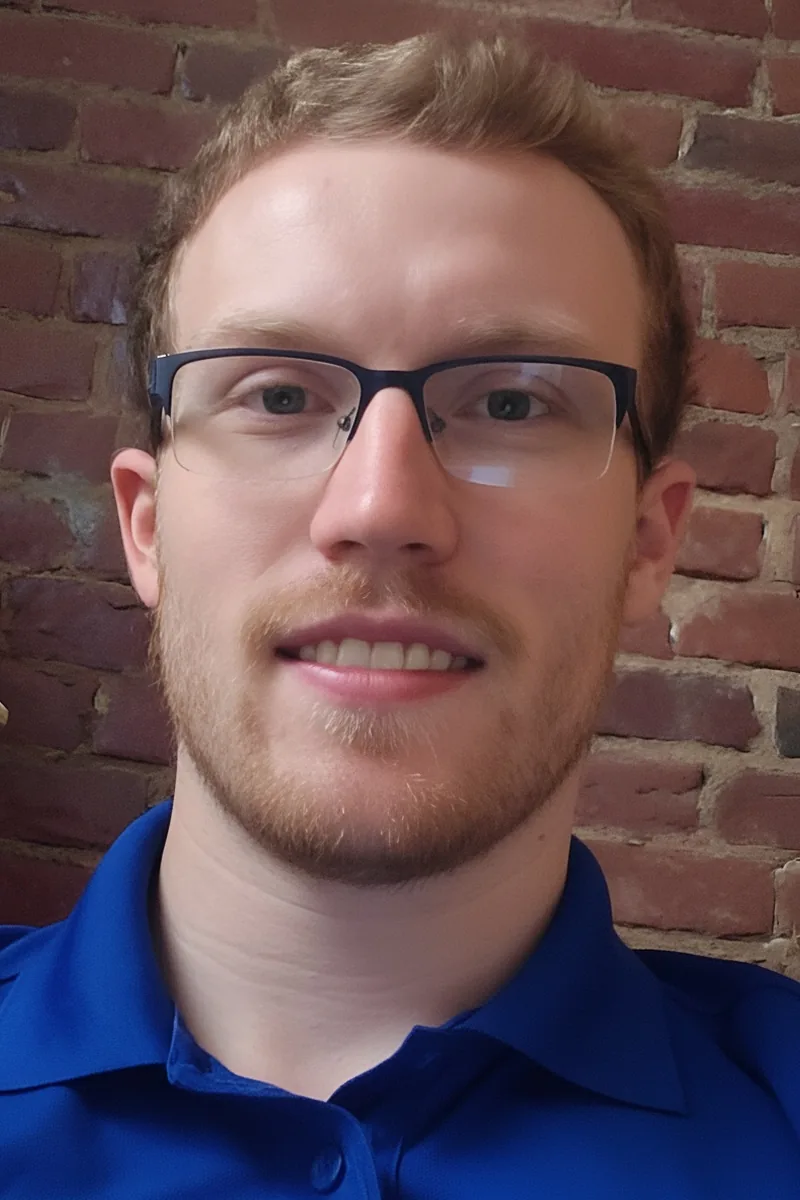
Enzyme kinetics, metabolic pathways, protein structure — biochemistry sits at the intersection of chemistry and biology, and Emeric earned his bachelor's degree right at that intersection. He teaches the subject at the high school, AP, and college level, unpacking everything from Michaelis-Menten plots to amino acid side-chain chemistry with the depth that comes from genuine expertise.
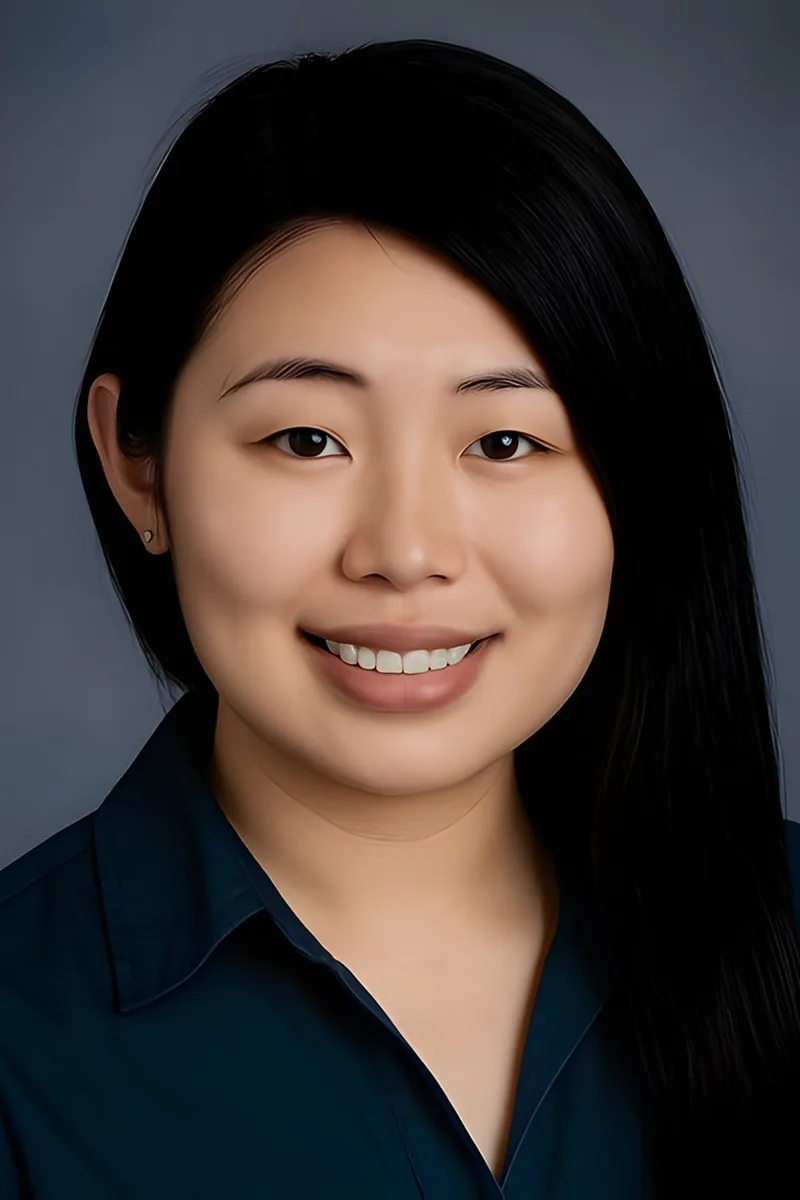
As a biology and economics graduate now working as a research associate before medical school, Sunny lives in the world of biochemistry daily — from enzyme kinetics and metabolic pathways to protein structure and nucleic acid chemistry. He unpacks dense topics like the citric acid cycle or amino acid properties by connecting molecular details to the bigger physiological picture, which is especially useful for students preparing for upper-level coursework or the MCAT.
Enzyme kinetics, metabolic pathways, protein structure — biochemistry sits right at the intersection of Alexander's two degrees in biosystems engineering and chemical engineering. He teaches the quantitative side of biochemistry (Michaelis-Menten derivations, Gibbs free energy in biological reactions) with the same rigor he applies to engineering problems, which tends to demystify what students often find overwhelming.
Enzyme kinetics, amino acid chemistry, metabolic regulation — biochemistry demands that students think in multiple dimensions at once. Camille's medical school coursework at Case Western Reserve required mastering these topics at a clinical depth, and she's comfortable teaching everything from Michaelis-Menten plots to the integration of carbohydrate, lipid, and protein metabolism.
A year working at the NIH right after completing her biochemistry major at Swarthmore gives Susie a research-grounded perspective on topics like protein structure, signal transduction, and the regulatory logic governing metabolic networks. She tackles dense material by walking through the underlying organic chemistry step by step — so a pathway like fatty acid oxidation becomes a chain of recognizable reactions rather than a wall of arrows. Rated 5.0 by students.
I am a current senior at The Ohio State University, and I will receive my Bachelor of Science in Biomedical Engineering on the pre-med track this spring. After graduation, I will be attending medical school, hoping to become a surgical oncologist. As a college student, I've conducted high-level research across biophysics, fertility, and drug discovery, and I have tutored peers in MCAT physics, general chemistry, organic chemistry, biology, biochemistry, and more. I am very passionate about helping others succeed on the MCAT because I know that this test, while incredibly difficult, can be handled by anyone with the drive and dedication to take it on. I have a broad array of MCAT mnemonics, tips, and tricks that helped me succeed and which I hope to provide to others. Further, I love to tutor in the basic sciences outside of the MCAT, as well as calculus, linear algebra, and differential equations. I love to learn, and I hope to take any chance I have to help others learn! In my free time, I enjoy distance running, lifting, reading both nonfiction and fiction, and playing lacrosse.
Studying cognitive science on a pre-med track at Rice means Natalie lives in the overlap between biology and chemistry every semester — enzyme kinetics, metabolic pathways, and protein structure are part of her daily coursework. She unpacks biochemistry by anchoring molecular details to the bigger biological question they answer, which makes dense material like the citric acid cycle far more digestible.
Enzyme kinetics, metabolic pathways, protein structure — biochemistry asks students to think about molecules as dynamic systems, not static diagrams. Tina's engineering background at Cornell and her pre-med preparation mean she can unpack topics like Michaelis-Menten kinetics or amino acid chemistry with both quantitative rigor and biological context.
Enzyme kinetics, metabolic pathways, protein folding — biochemistry sits at the intersection of biology and chemistry, and Zachary holds a degree in exactly that. He digs into the molecular logic behind processes like glycolysis and the citric acid cycle, connecting reaction mechanisms to the bigger physiological picture so the details actually stick.
David's neuroscience training at Yale meant wrestling with biochemistry from the nervous system's perspective — neurotransmitter synthesis, ion channel biophysics, and the metabolic demands that make the brain consume a disproportionate share of the body's glucose. Now pursuing a graduate degree in bioethics, he brings that mechanistic grounding to topics like amino acid chemistry and membrane transport, connecting each reaction to the biological system it supports. Holds a 5.0 rating.
Enzyme kinetics, metabolic pathways, protein structure — biochemistry asks students to think in three dimensions and across multiple reaction steps simultaneously. Kimanthi's biomedical engineering degree and graduate work in biomedical sciences gave her daily exposure to these concepts in both classroom and lab settings. She breaks down mechanisms like glycolysis and oxidative phosphorylation into logical sequences rather than memorization marathons.
Enzyme kinetics, metabolic pathways, protein folding — Connor digs into biochemistry with the depth his biomedical sciences master's from Loyola Chicago demanded. He connects molecular-level details to physiological outcomes, so a student learning about Michaelis-Menten kinetics also understands what it means when a drug is a competitive inhibitor in a clinical context.
Enzyme kinetics, metabolic pathways, protein structure — biochemistry sits at the intersection of biology and chemistry, and it punishes students who try to memorize without understanding the underlying logic. Oliver earned his B.A. in Biochemistry at CU Boulder with a chemistry minor, giving him the dual lens needed to explain why Michaelis-Menten curves behave the way they do or how amino acid properties dictate protein folding.
Claire's chemistry degree and incoming medical school training at the University of Illinois College of Medicine mean she's worked through biochemistry from both the bench and the clinical side — enzyme mechanisms, metabolic regulation, and the molecular logic connecting organic chemistry to living systems. She breaks down dense pathways like the citric acid cycle or amino acid catabolism by mapping each step back to the underlying reaction chemistry, so students can reconstruct a pathway from principles instead of flashcards. Rated 5.0 by students.
Mitchell's neuroscience degree means he learned biochemistry through the brain's lens — tracing how neurotransmitter precursors feed into synthesis pathways, how ATP production keeps neurons firing, and how lipid biochemistry shapes every membrane in the nervous system. That background lets him teach topics like oxidative phosphorylation and amino acid metabolism by connecting each reaction to the cellular machinery that depends on it.
Enzyme kinetics, metabolic pathways, protein structure, nucleic acid chemistry — biochemistry demands that students hold molecular detail and big-picture logic in their heads simultaneously. Sugi graduated summa cum laude with a biochemistry degree from Rice and now applies that knowledge daily in medical school at Baylor. She teaches each pathway as a narrative with clear inputs, outputs, and regulatory checkpoints rather than a list to memorize.
Rohan's economics training might seem distant from biochemistry, but econometrics and metabolic pathway analysis share a core skill — tracing how one variable's change cascades through an interconnected system. He applies that quantitative reasoning to topics like enzyme kinetics and metabolic regulation, breaking down rate equations and feedback loops with the same rigor he brings to economic models. Rated 4.9 by students.
Northwestern's neuroscience program required Amira to internalize biochemistry from the pre-med side — amino acid properties, metabolic pathway regulation, and the molecular signaling that bridges chemistry and biology. She breaks down dense topics like enzyme kinetics and oxidative metabolism by linking each mechanism back to the physiological system it serves, turning abstract reaction chains into something students can reason through rather than memorize.
Testimonials
Because the right Biochemistry tutor makes all the difference.
Average Session Rating – Based on 3.4M Learner Ratings
Practice Biochemistry
Free practice tests, flashcards, and AI tutoring for Biochemistry
Other Columbus Tutors
Related Science Tutors in Columbus
Frequently Asked Questions
Biochemistry explores how chemical reactions occur within living organisms, covering areas like protein structure and function, enzyme kinetics, metabolic pathways (glycolysis, citric acid cycle, oxidative phosphorylation), DNA replication and protein synthesis, and cellular signaling. Students also learn to balance complex chemical equations, understand thermodynamics in biological systems, and apply the scientific method to lab experiments. The course bridges chemistry and biology, requiring both strong foundational knowledge and the ability to visualize molecular interactions at the atomic level.
Many students struggle with visualizing abstract molecular structures and understanding how microscopic chemical reactions connect to observable biological phenomena. Balancing complex biochemical equations, mastering metabolic pathway sequences, and grasping enzyme kinetics—concepts that require both mathematical reasoning and conceptual understanding—are frequent pain points. Additionally, students often memorize pathways without truly understanding the "why" behind each step, which makes it difficult to apply knowledge to new problems or lab scenarios.
Personalized 1-on-1 instruction allows tutors to slow down on difficult concepts like enzyme mechanisms or metabolic regulation, using visual models and real-world examples to make abstract ideas concrete. Tutors can help you move beyond memorization by explaining the underlying logic of biochemical processes, then guide you through problem-solving strategies for equations, calculations, and lab analysis. This targeted approach also builds your scientific reasoning skills, helping you understand not just what happens in a cell, but why it matters and how to apply that knowledge to novel situations.
Yes. Tutors can help you prepare for lab sessions by reviewing experimental design, explaining the scientific method as it applies to your specific experiments, and clarifying how lab procedures connect to lecture concepts. They can also help you interpret lab results, understand data analysis, write clear lab reports, and troubleshoot when experiments don't go as expected. This support strengthens both your hands-on skills and your ability to think critically about experimental evidence.
Your first session is an opportunity for a tutor to understand your current level, identify specific challenges (whether it's metabolic pathways, enzyme kinetics, or lab skills), and learn your learning style. The tutor will ask about your course goals, any upcoming exams or assignments, and areas where you feel most stuck. From there, you'll work together to create a personalized plan that targets your needs, whether that's building foundational chemistry knowledge, mastering complex concepts, or preparing for exams.
Varsity Tutors connects you with tutors who have strong backgrounds in biochemistry and related sciences. When you reach out, you can specify your course level, main challenges, and any particular topics you need help with—whether that's organic chemistry foundations, protein folding, or metabolic pathways. Tutors are matched based on their expertise and your specific needs, ensuring you get personalized instruction from someone who understands both the subject matter and how to explain complex concepts clearly.
Columbus has a strong academic community with resources like the Columbus Metropolitan Library system, university libraries (including Ohio State University's science collections), and science museums that offer supplementary learning materials. Many local high schools and colleges also have study groups and peer tutoring programs. Combining personalized tutoring with these community resources—plus consistent practice with problem sets and lab work—creates a comprehensive support system that helps you master biochemistry concepts.
Tutors help you identify high-priority topics, work through practice problems and past exams, and develop test-taking strategies specific to biochemistry (like how to approach multi-step pathway questions or enzyme kinetics problems). They can also help you create study schedules using spaced repetition—reviewing material at strategic intervals to strengthen long-term retention. By the time exam day arrives, you'll have practiced difficult concepts multiple times and built confidence in your problem-solving approach.
Let’s find your perfect tutor
Answer a few quick questions. We’ll recommend the right plan and match you with a top 5% tutor.