Award-Winning AP Environmental Science Tutors
serving Columbus, OH
AP Environmental Science
Tutors in Columbus
Private 1-on-1 tutoring, weekly live classes for academic support, test prep & enrichment, practice tests and diagnostics, and more to elevate grades and test scores.
Based on 3.4M Learner Ratings
UniversitiesSchools & Universities
DeliveredHours Delivered
ProficiencyGrowth in Proficiency
Who needs tutoring?
No obligation. Takes ~1 minute.
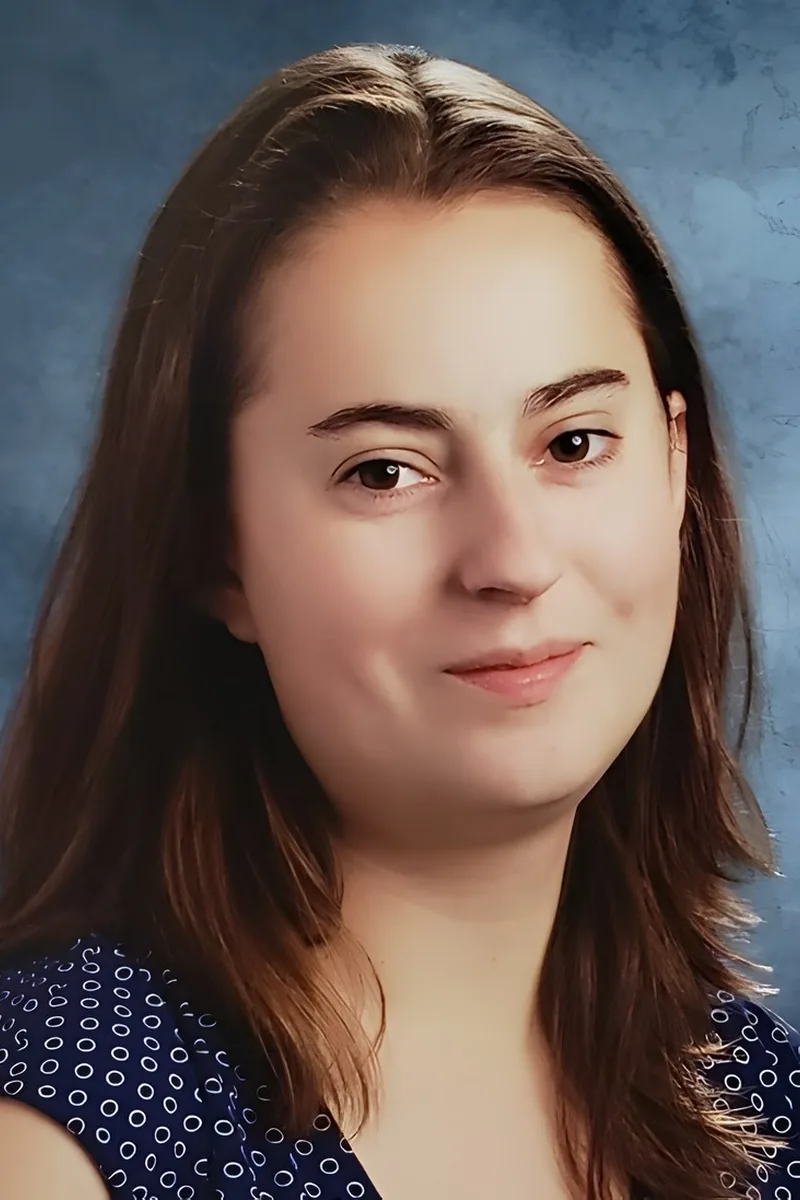
Between her psychology training and broad biology expertise — spanning ecology, cell biology, and environmental science — Emily approaches APES through the lens of how human behavior drives environmental problems, which is exactly the angle the exam's free-response questions on sustainability, resource use, and policy trade-offs demand. She unpacks topics like feedback loops in climate systems and biodiversity loss by connecting the underlying biology to the decision-making patterns that accelerate or mitigate them. Rated 5.0 by students.
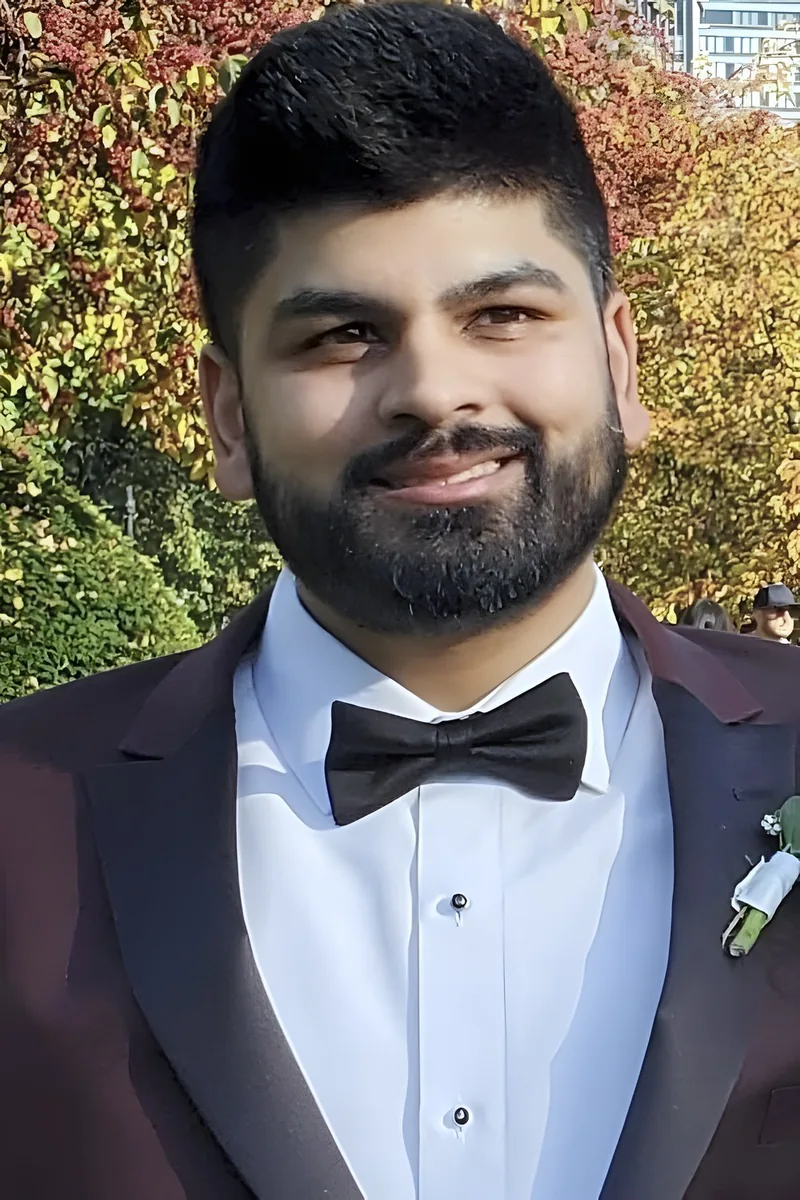
As a tutor for 20+ years, I bring ample experience and knowledge. I specialize in standardized testing (MCAT, SAT, ACT, GRE, & more), medical school and pre-med courses, and undergraduate STEM subjects. A former medical school student and Master of Public Health, I opted for what truly brings me joy: tutoring, teaching, and guiding students to lifelong academic success.
A physics degree builds the kind of systems thinking that translates directly to APES — understanding energy budgets, thermodynamic constraints on ecosystems, and how to set up the quantitative problems around resource depletion or atmospheric carbon that the exam loves to test. Nima applies that physics-trained rigor to topics like global energy flow and climate modeling, where students who only memorize vocabulary tend to lose points on calculation-heavy free-response questions.
Eric's degree in Ecology & Evolutionary Biology means he studied the actual science behind APES — population ecology, species interactions, and ecosystem-level processes — not just the survey-course version. He teaches students to think about environmental problems the way an ecologist would, tracing how a disturbance like deforestation or nutrient loading ripples through trophic levels and feedback loops until the full picture clicks.
Political science might seem distant from APES, but Emily's government background is a real asset for the policy-heavy free-response questions — evaluating legislation like the Clean Air Act, weighing economic trade-offs of resource management, and constructing evidence-based arguments about environmental regulation. She pairs that with a 34 ACT and the visual-thinking skills of a trained photographer, which means she's unusually effective at teaching students to extract information from the data tables, diagrams, and graphs the exam relies on. Rated 5.0 by students.
Between his dual majors in Statistics/Economics and Business Analytics at Carnegie Mellon, Nitin spends most of his time building and interpreting data models — which is exactly the skill set APES leans on when students have to calculate ecological footprints, analyze pollution trends, or interpret population growth curves on the exam. He approaches the course's free-response questions as data-driven arguments, teaching students to pull evidence from graphs and tables and structure answers that actually earn full credit.
Biology majors have an advantage in APES that's easy to overlook — Krisha's coursework in cellular biology and ecology means topics like biogeochemical cycles, trophic levels, and population growth models aren't abstract vocabulary terms but concepts she's studied with real depth. She also scored a 36 on the ACT, so the data-interpretation and calculation questions that blindside students expecting a soft science course are squarely in her wheelhouse. Rated 5.0 by students.
Medical training reshapes how you think about environmental health — Amanda's MD/MPH work means she understands toxicology pathways, epidemiological data, and the public health consequences of pollution at a clinical level, which gives her a distinctive angle on APES units covering air and water quality, disease vectors, and human impact. She teaches students to read dose-response data and environmental risk assessments the way a physician would, building the analytical reasoning the free-response section rewards.
Hello, students! My name is Pranav, and I'm so excited to be tutoring with Varsity Tutors. I have vast experience tutoring both personally and professionally; I've held officer positions in several nonprofit organizations, including STEMpals and The Do Re Mi Project, teaching courses ranging from biology to music theory. I took 16 AP courses throughout high school with all 5s, and I earned a 1570 on my SAT, so I'm pretty familiar with the majority of academic subjects! I have experience tutoring any and all skill levels, and I'm always open to expanding my horizons, so please don't hesitate to book your first lesson. I'm looking forward to meeting with you!
A history and political science background turns out to be a real asset for the APES units on environmental legislation, resource policy, and the human-systems questions that dominate the free-response section — Andrew can explain why the Clean Air Act matters in both a political and ecological context. He also tutors across math and science, so he's comfortable walking through the quantitative problems like resource depletion rates and energy calculations that trip up students who expected a purely memorization-based course.
Running a marine biology summer camp means Zoey has taught kids to trace real ecological relationships — predator-prey dynamics, nutrient runoff in coastal systems, habitat loss from human development — which map directly onto the APES curriculum's core units. Her master's in marine biology gives her the field-level understanding of biodiversity, conservation, and ecosystem interactions that turns abstract exam topics into concrete examples students actually remember. Rated 4.9 by students.
What sets APES apart from most AP exams is how much it rewards interdisciplinary thinking — linking ecology to policy, economics to resource depletion, human behavior to environmental degradation. Rachel's background spans history, writing, and the humanities, which makes her particularly effective at coaching the argument-style free-response questions where students must weave evidence into structured, persuasive explanations of environmental trade-offs. Rated 5.0 by students.
I am a sophomore at UIUC studying agricultural and biological engineering. Eventually, I hope to work on environmental engineering related projects concerning the improvement of ecosystem management and reducing the harmful effects of pollutants in the environment. As an aspiring engineer, my favorite subjects to teach students are math and science. I've been working with kids as a swim instructor and music teacher for the past six years now. As I've begun developing experience tutoring students, my favorite part about helping students learn math and science concepts is teaching them how these different concepts interconnect and later helping them to develop critical thinking skills to work through difficult material.
Having earned her degree in Environmental Studies from Temple, Annie knows AP Environmental Science inside and out — from biogeochemical cycles and ecosystem energy flow to the policy and human-impact questions that dominate the free-response section. She also spent a gap year working on organic farms in New Zealand, which means topics like soil science, sustainable agriculture, and biodiversity loss come with firsthand context that sticks.
Testimonials
Because the right AP Environmental Science tutor makes all the difference.
Average Session Rating – Based on 3.4M Learner Ratings
Practice AP Environmental Science
Free practice tests, flashcards, and AI tutoring for AP Environmental Science
Nearby AP Environmental Science Tutors
Other Columbus Tutors
Related Science Tutors in Columbus
Frequently Asked Questions
AP Environmental Science covers eight major units: The Living World, Biodiversity, Populations, Earth Systems and Resources, Land and Water Use, Energy Resources and Consumption, Atmospheric Pollution and Climate Change, and Human Impacts on the Environment. The exam emphasizes real-world environmental problems and scientific reasoning, requiring students to understand both ecological principles and their practical applications. Success in the course depends on mastering both the content knowledge and the ability to analyze environmental data and scenarios.
Score improvement depends on your starting point and commitment level. Students who work consistently with tutors typically see gains of 1-2 score points (on the 1-5 scale), with some jumping from a 2 to a 4 or higher. The most significant improvements come from targeted practice on weak units, learning to recognize question patterns, and developing better test-taking strategies. A tutor can identify which content areas are holding you back and create a focused study plan to address them.
Students in Columbus and beyond often struggle with quantitative reasoning—interpreting graphs, performing calculations, and understanding data analysis. The breadth of content is also challenging; Environmental Science touches on chemistry, biology, geology, and physics, so gaps in any of these areas can cause problems. Additionally, the free-response section requires clear scientific communication and the ability to apply concepts to unfamiliar scenarios. A tutor can help you build confidence in these areas through targeted practice and strategic review.
The AP Environmental Science exam is 3 hours long and divided into two sections: a 90-minute multiple-choice section (80 questions) and a 90-minute free-response section (3 questions). The multiple-choice section tests content knowledge and data interpretation, while the free-response questions require deeper analysis, calculations, and written explanations. Success requires practice with both question types and time management strategies. Tutors can help you develop pacing techniques so you're not rushed on either section.
Most students benefit from starting test prep 8-12 weeks before the exam, with consistent study 3-4 hours per week. If you're struggling with specific units or quantitative skills, starting earlier (4-6 months out) gives you more time to build a strong foundation. The key is regular, focused practice rather than cramming—spaced review of content, practice tests every 2-3 weeks, and targeted work on weak areas. A tutor can help you create a realistic study schedule that fits your other commitments.
Practice tests are essential—they help you understand the exam format, identify weak content areas, and build stamina for the 3-hour exam. Taking full-length practice tests every 2-3 weeks allows you to track progress and adjust your study strategy. Beyond just taking tests, reviewing your mistakes is critical; understanding why you missed a question teaches you more than getting it right. Tutors can help you analyze practice test results to pinpoint patterns in your mistakes and focus your review time effectively.
Varsity Tutors connects you with expert tutors in Columbus who specialize in AP Environmental Science and understand the specific curriculum and pacing of local schools. When you get matched with a tutor, you can discuss your current score, timeline, and specific weak areas so they can tailor their instruction to your needs. The best tutors combine strong content knowledge with experience helping students improve their test scores and confidence.
Your first session is typically an assessment and planning meeting. The tutor will ask about your current understanding of the material, review any recent practice tests or exams, and identify your strongest and weakest units. Together, you'll set realistic goals and create a customized study plan that focuses on high-impact areas. This foundation ensures that every future session is targeted and productive, rather than covering material you already know well.
Let’s find your perfect tutor
Answer a few quick questions. We’ll recommend the right plan and match you with a top 5% tutor.