Award-Winning Biology Tutors
serving Milwaukee, WI
Biology
Tutors in Milwaukee
Private 1-on-1 tutoring, weekly live classes for academic support, test prep & enrichment, practice tests and diagnostics, and more to elevate grades and test scores.
Based on 3.4M Learner Ratings
UniversitiesSchools & Universities
DeliveredHours Delivered
ProficiencyGrowth in Proficiency
Who needs tutoring?
No obligation. Takes ~1 minute.
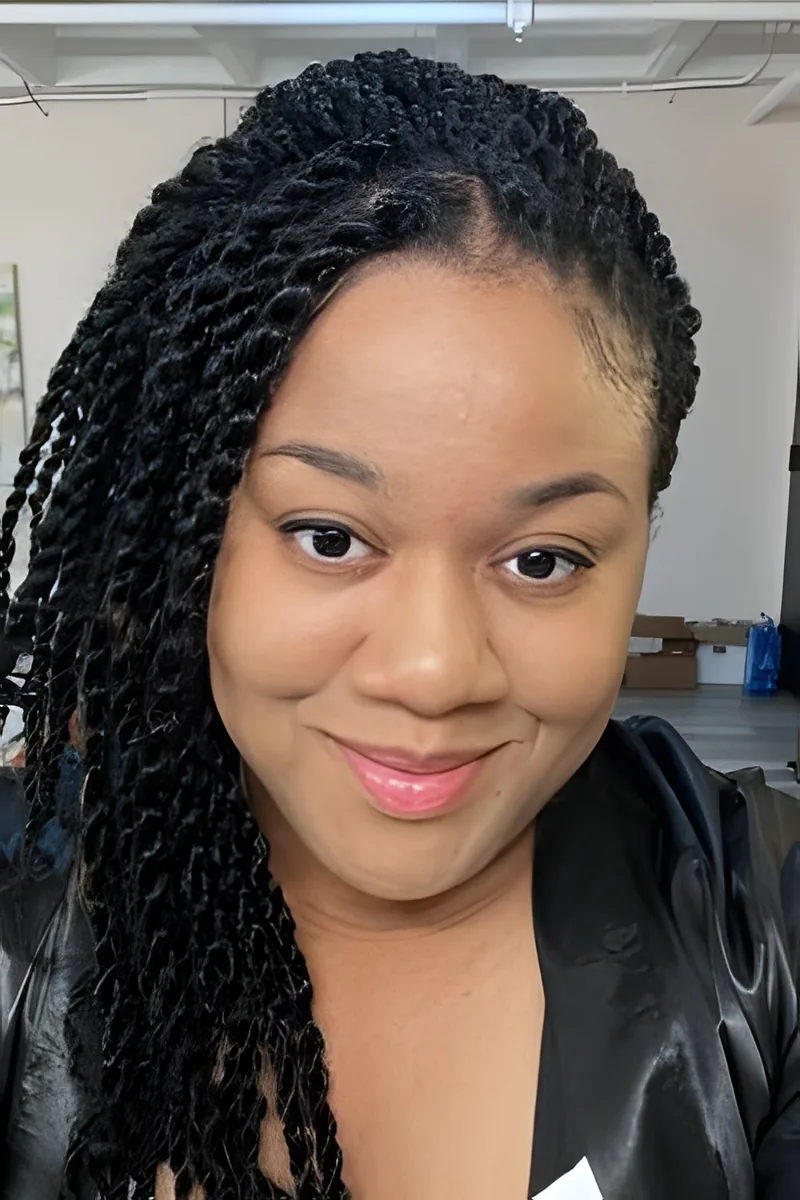
As a passionate educator with a Master's in Educational Psychology from the University of Wisconsin - Madison, I have over 8 years of tutoring and classroom experience, currently teaching a range of subjects including AP Biology and Physics. My approach centers on fostering a supportive learning environment that encourages curiosity and critical thinking, helping students connect complex concepts to real-world applications. I believe that every student has the potential to succeed, and I am dedicated to tailoring my methods to meet individual learning styles. Outside the classroom, I enjoy exploring the latest scientific research and engaging in outdoor activities, which I find enriches my teaching and connects me with my students.
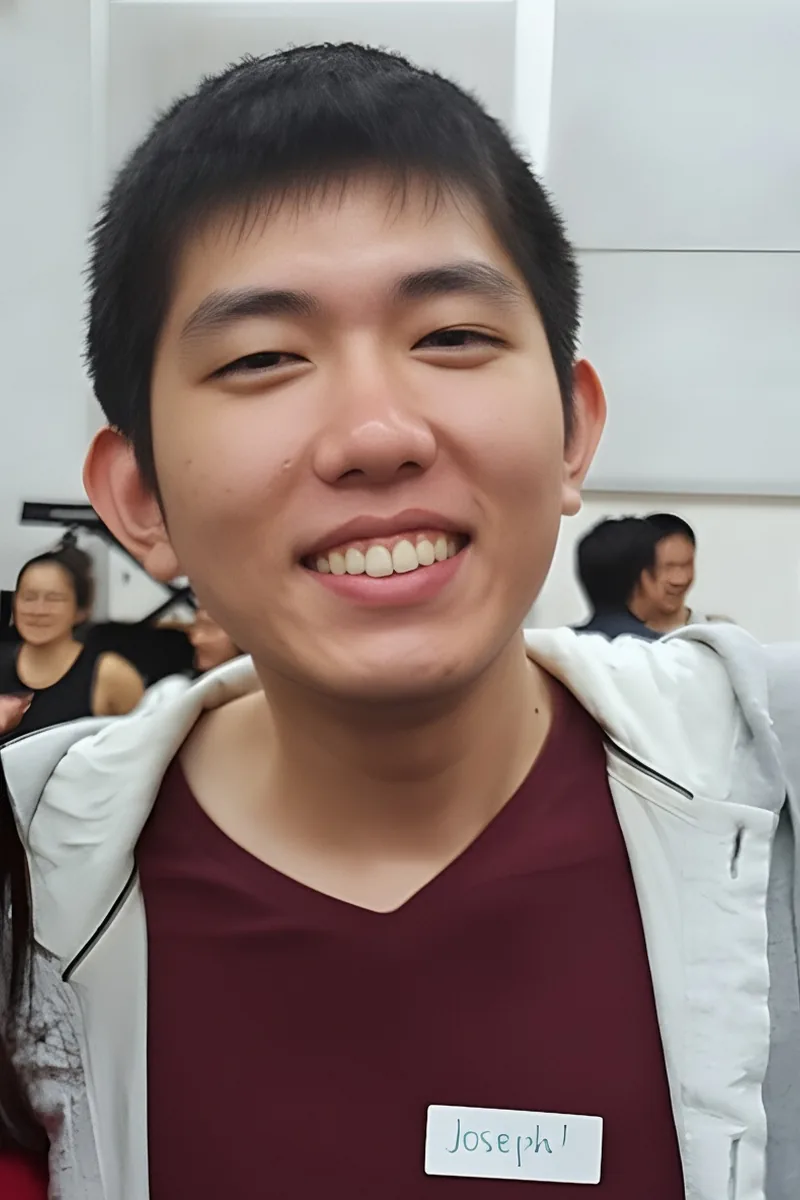
A biology degree from UCLA followed by a Yale public health master's means Joseph has lived in this subject from introductory ecology to advanced genetics. He's especially sharp at connecting big themes — evolution, energy flow, homeostasis — across the individual units that textbooks often treat as separate chapters. That integrative perspective is exactly what turns a student who memorizes facts into one who actually thinks like a biologist.
Abrahim earned his Biology degree cum laude from UCLA and is now completing his M.D. at the Medical College of Wisconsin, so he's spent years living inside biological concepts — from cellular respiration and genetics to ecology and evolution. His tutoring style zeroes in on knowledge gaps quickly, then builds understanding through targeted practice rather than passive review. Rated 5.0 by students.
Studying neuroscience and psychology at the University of Minnesota gave Alex a ground-up understanding of biology — from how neurons fire and synapses remodel to how physiological systems support behavior and cognition. Now heading into Washington University's Occupational Therapy doctorate, she teaches biology by anchoring abstract processes like homeostasis and cell signaling to the body's real, observable functions. Rated 5.0 by students.
Studying tiger ecology and predator-prey dynamics for her doctorate at Wisconsin-Madison, Karann lives biology at the intersection of fieldwork and quantitative analysis. She teaches everything from cell structure and genetics to evolution and ecosystems by connecting textbook concepts to how biologists actually investigate the natural world.
Elizabeth earned a biology degree from San Francisco State University and then went on to complete medical school, giving her a deep understanding of how biological concepts connect across levels — from cellular respiration to organ systems to ecology. She breaks down dense topics like genetics and molecular biology by tying them to real-world applications she encountered in both the classroom and clinical training.
Years of biology lab work give Madeline a researcher's perspective on topics like cell signaling, genetics, and ecology — she knows which details matter and which are just noise. She breaks down dense processes like the citric acid cycle or DNA replication into logical steps that build on each other, so students can reconstruct pathways from understanding rather than rote memorization.
Three separate bachelor's degrees — including one in Biology — mean Dylan has circled back through foundational life science topics like genetics, ecology, and cellular processes multiple times, each pass deepening his grasp of how they connect. His MCAT preparation across all three science sections further sharpened that knowledge, especially where biology overlaps with biochemistry and behavioral science, giving him a practical sense of which concepts students need to truly internalize versus simply recognize.
Miriam's dual focus on biology and English at UW-Madison gives her an uncommon skill for biology tutoring: she can take a tangled process like gene expression or ecological succession and lay it out in clear, logical prose that actually sticks. Working as a writing tutor sharpened her ability to diagnose where someone's understanding breaks down — a skill that transfers directly to explaining how photosynthesis or inheritance patterns work. Rated 4.9 by students.
A zoology degree is essentially a biology degree lived through the lens of animal systems — Eitan studied everything from cellular respiration and genetics to comparative anatomy and evolutionary ecology. He connects molecular-level details to whole-organism function, which is exactly the kind of thinking that AP Bio, college intro courses, and upper-level electives all reward. Rated 5.0 by students.
From cell division to photosynthesis to DNA replication, biology is full of processes that look overwhelming until someone maps out each step with you. Jeffry earned his degree in biology and approaches every topic by connecting molecular details to the bigger organism-level picture. That dual perspective makes complex diagrams and vocabulary far easier to retain.
Biochemistry at UW-Madison means Zach lives in biology daily — from cellular respiration pathways to genetics and molecular signaling. He breaks down processes like DNA replication and protein synthesis into logical, step-by-step sequences that click rather than overwhelm. Rated 5.0 by students.
Between her genetics coursework, wildlife pathology research, and hands-on experience teaching a microbiology lab at UW-Madison, Samantha brings real bench science into biology tutoring. She's especially sharp at connecting molecular-level processes — DNA replication, protein synthesis, cellular respiration — to the bigger-picture systems students see in ecology and organismal biology.
As a Cell & Molecular Neuroscience major at Loyola Chicago, Rameen digs into biology at every scale — from gene expression and protein folding to organ-system physiology. She unpacks dense topics like cellular respiration and mitosis by walking through the underlying molecular logic rather than asking students to memorize diagrams.
I'm here to help students become the best versions of themselves! With 4+ years of tutoring experience, I aim to customize every lesson to fit the needs of the student. If you're looking for an approachable mentor who will work with you to develop a plan of action, I'm here for you!
UCLA's Physiological Sciences program forced Annie to learn biology backward from how most students first encounter it — starting with how organ systems fail in disease, then drilling down into the cellular and molecular mechanisms that explain why. That perspective, now deepened by medical school, makes her especially effective at teaching topics like homeostasis, cell signaling, and metabolic regulation as cause-and-effect chains rather than disconnected vocabulary lists. Rated 5.0 by students.
Molecular biophysics sits right at the boundary of biology, chemistry, and physics, so Srini sees biological concepts from multiple angles. He digs into topics like cellular respiration, DNA replication, and ecology by explaining the underlying mechanisms rather than just the vocabulary — an approach that makes retention far easier come exam time.
First-year medical school at Thomas Jefferson means Nishad is actively building on the biology he mastered as a pre-med — genetics, cell biology, microbiology, anatomy — and seeing how each topic feeds directly into clinical problem-solving. That recent, layered exposure makes him especially effective at teaching the introductory and intermediate concepts that trip students up, because he remembers exactly which details mattered most when the material got harder.
Studying molecular biology at the college level means Annabel lives inside the details — DNA replication machinery, membrane transport, metabolic pathways — that many biology courses only skim. She digs into the "why" behind each process, so topics like mitosis, ecology, or protein synthesis become logical chains of events rather than disconnected vocabulary lists.
Phillip's biomedical engineering studies at Brown mean he encounters biology through the lens of design — how tissues are engineered, how physiological systems can be modeled, how feedback loops in the body mirror control systems in machines. That perspective makes him especially effective at teaching topics like homeostasis, organ system integration, and cell membrane transport, where engineering intuition clarifies what pure memorization can't. Rated 5.0 by students.
From cell division to ecological systems, biology requires connecting processes across wildly different scales. Kristin's BA in Biological Sciences from the University of Chicago gave her deep fluency with molecular biology, genetics, and physiology — and her current nursing program at Penn keeps that knowledge sharp and clinically relevant.
Rather than treating biology as a subject to memorize, Ivan approaches it as a set of nested systems — from gene expression inside a single cell up to organ-level physiology. His science training across multiple disciplines gives him a knack for explaining how concepts like cellular respiration, DNA replication, and signal transduction actually link together rather than sitting in isolated textbook chapters.
Between his biomedical engineering major and his AP Biology background, Eric sees biology as an interconnected system rather than a pile of vocabulary terms. He unpacks topics like cellular respiration, DNA replication, and homeostasis by explaining the 'why' behind each mechanism, which makes retention far easier than flashcard drilling.
Studying biology and computer science at McGill, Hannah lives in the world of biological systems daily — from cellular respiration pathways to genetics and molecular biology. She approaches tough concepts like DNA replication or enzyme kinetics by walking through the logic step by step, drawing on cognitive science principles to make dense material easier to retain.
Genetics, genomics, and development were Alec's concentration at Cornell, which means he learned biology by zooming in on how organisms are built from their DNA up — and then spent semesters as a TA helping other students make that same journey through general chemistry and genetics coursework. He teaches topics like gene expression, inheritance patterns, and molecular genetics by tying each mechanism back to its developmental consequences, so the details carry meaning instead of just filling flashcards. Rated 4.8 by students.
From cell respiration pathways to genetics crosses, biology rewards students who can organize large amounts of interconnected information rather than memorize isolated facts. Asta's University of Chicago training in research and analytical writing translates directly to how she teaches students to map relationships between biological systems — linking, say, DNA replication to protein synthesis to gene expression in a coherent chain.
Kate approaches biology through the lens of someone trained in environmental systems, which means topics like ecology, nutrient cycling, and cellular respiration get grounded in how living organisms actually interact with their surroundings. She's equally comfortable walking through genetics problems or explaining membrane transport, drawing on seven years of science tutoring to pinpoint exactly where confusion starts.
Testimonials
Because the right Biology tutor makes all the difference.
Average Session Rating – Based on 3.4M Learner Ratings
Practice Biology
Free practice tests, flashcards, and AI tutoring for Biology
Nearby Biology Tutors
Other Milwaukee Tutors
Related Science Tutors in Milwaukee
Frequently Asked Questions
Biology requires both memorization and deep understanding—students often struggle with balancing these two approaches. Many find it difficult to visualize abstract concepts like cellular processes, molecular structures, and organ system interactions. Additionally, connecting theoretical knowledge to real-world applications and mastering the scientific method takes practice. Personalized tutoring helps students move beyond rote memorization to develop genuine comprehension and scientific reasoning skills.
Your first session is about understanding your specific needs and learning style. A tutor will assess your current knowledge, identify which topics are causing difficulty, and discuss your goals—whether that's improving test scores, understanding lab work, or preparing for AP Biology. From there, they'll create a personalized learning plan that focuses on your biggest challenges and builds from your strengths.
Yes. Tutors help you grasp the reasoning behind experiments, not just the procedures. They can explain why scientists design experiments a certain way, how to interpret data, and how lab work connects to classroom concepts. This deeper understanding makes experiments more meaningful and helps you apply the scientific method to new situations.
Expert tutors use evidence-based strategies like connecting facts to bigger concepts, creating visual associations, and building conceptual frameworks that make information stick naturally. Instead of mindless drilling, they help you understand *why* something works—for example, understanding how enzyme structure relates to function rather than just memorizing enzyme names. This approach leads to better retention and the ability to apply knowledge to new problems.
Tutors use diagrams, models, animations, and real-world analogies to make abstract concepts tangible. Whether you're struggling to picture how mitochondria work, understand DNA replication, or visualize cellular transport, personalized instruction breaks down complex processes into understandable steps. Many students find that seeing these concepts explained multiple ways—through drawings, explanations, and examples—transforms their understanding.
Tutors support students across the full Biology curriculum, including cell structure and function, genetics, evolution, ecology, photosynthesis and respiration, human anatomy and physiology, and biochemistry. Whether you're in a standard Biology course, Honors Biology, or AP Biology, tutors adapt their instruction to match your specific curriculum and academic level. They also help students prepare for standardized assessments and college entrance exams.
Absolutely. Many students who struggle with Biology do so because the material isn't being explained in a way that clicks for them—not because they can't learn it. Personalized tutoring addresses your specific learning style, fills knowledge gaps, and builds confidence through targeted practice. With one-on-one instruction tailored to your needs, you'll develop both the content knowledge and problem-solving skills that Biology requires.
Varsity Tutors connects you with tutors who have demonstrated expertise in Biology, whether through advanced degrees, teaching experience, or proven success helping students master the subject. When you get matched with a tutor, you'll learn about their background and teaching approach. It's important to find someone who not only knows Biology but can explain it in a way that makes sense to you.
Let’s find your perfect tutor
Answer a few quick questions. We’ll recommend the right plan and match you with a top 5% tutor.