Award-Winning Biology Tutors
serving Appleton, WI
Biology
Tutors in Appleton
Private 1-on-1 tutoring, weekly live classes for academic support, test prep & enrichment, practice tests and diagnostics, and more to elevate grades and test scores.
Based on 3.4M Learner Ratings
UniversitiesSchools & Universities
DeliveredHours Delivered
ProficiencyGrowth in Proficiency
Who needs tutoring?
No obligation. Takes ~1 minute.
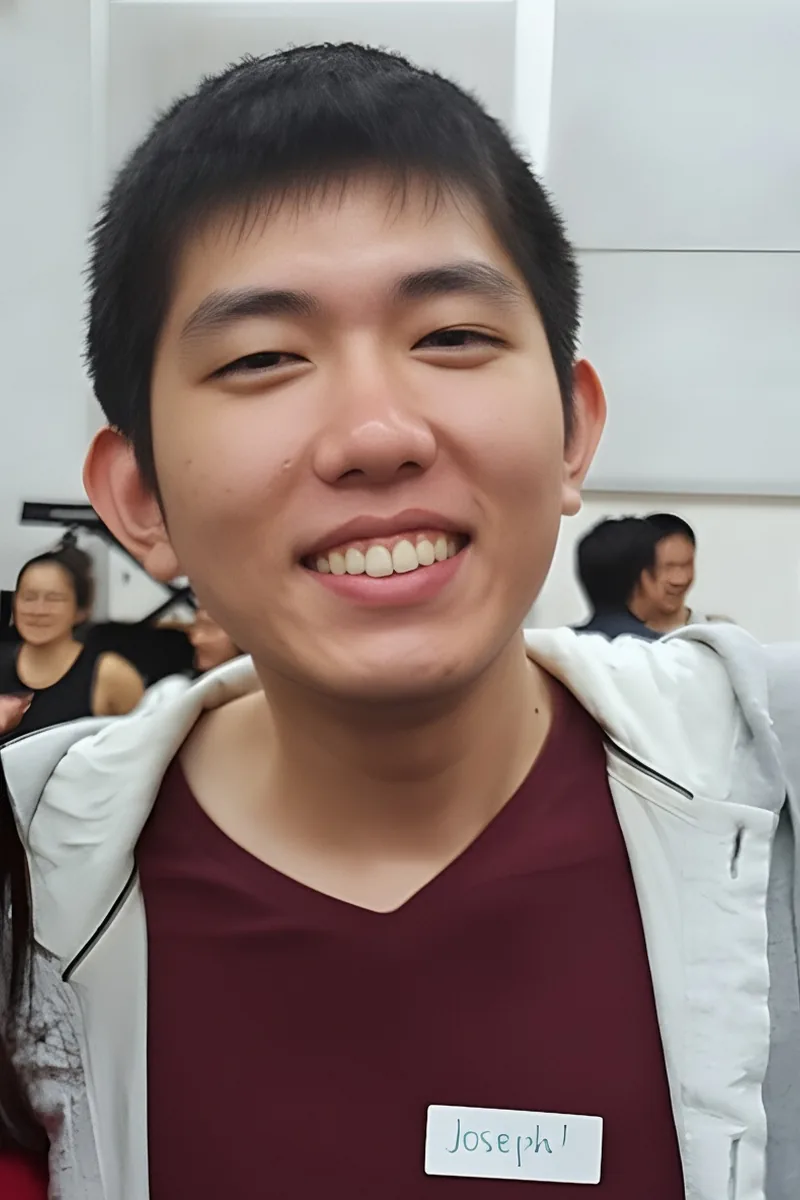
A biology degree from UCLA followed by a Yale public health master's means Joseph has lived in this subject from introductory ecology to advanced genetics. He's especially sharp at connecting big themes — evolution, energy flow, homeostasis — across the individual units that textbooks often treat as separate chapters. That integrative perspective is exactly what turns a student who memorizes facts into one who actually thinks like a biologist.
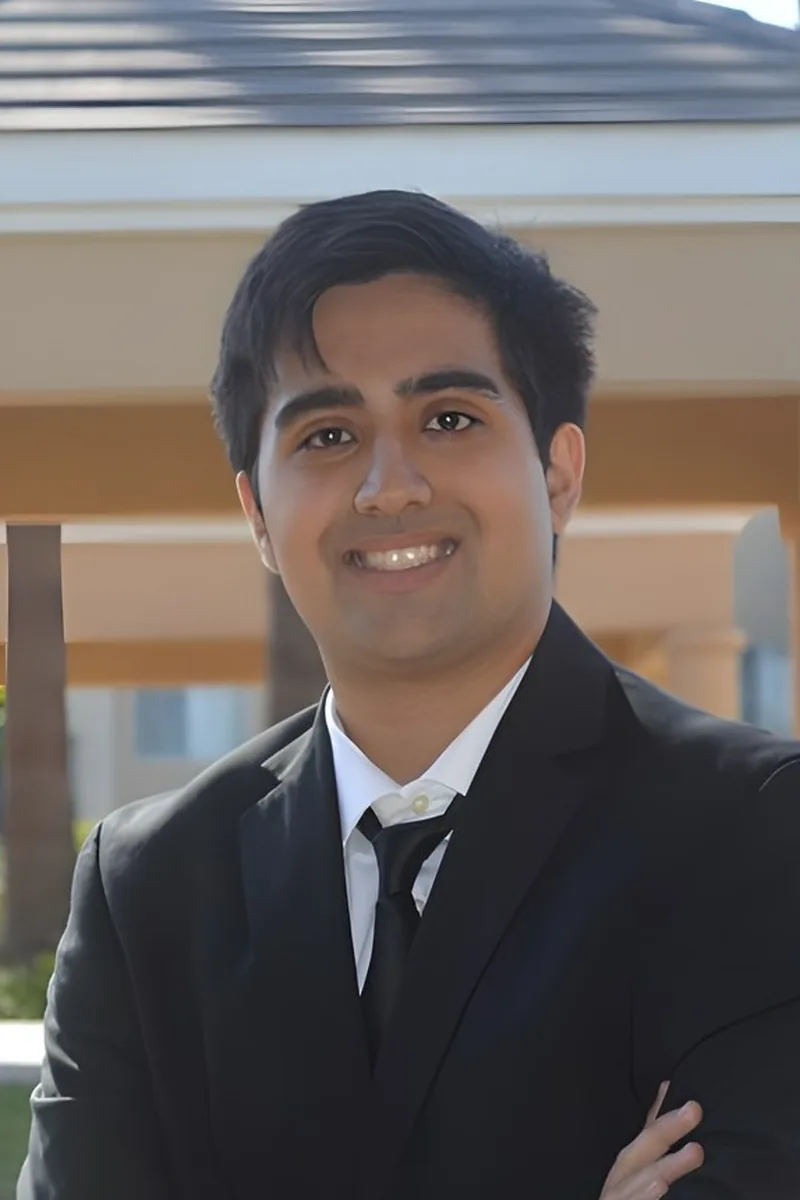
Abrahim earned his Biology degree cum laude from UCLA and is now completing his M.D. at the Medical College of Wisconsin, so he's spent years living inside biological concepts — from cellular respiration and genetics to ecology and evolution. His tutoring style zeroes in on knowledge gaps quickly, then builds understanding through targeted practice rather than passive review. Rated 5.0 by students.
Studying tiger ecology and predator-prey dynamics for her doctorate at Wisconsin-Madison, Karann lives biology at the intersection of fieldwork and quantitative analysis. She teaches everything from cell structure and genetics to evolution and ecosystems by connecting textbook concepts to how biologists actually investigate the natural world.
Studying neuroscience and psychology at the University of Minnesota gave Alex a ground-up understanding of biology — from how neurons fire and synapses remodel to how physiological systems support behavior and cognition. Now heading into Washington University's Occupational Therapy doctorate, she teaches biology by anchoring abstract processes like homeostasis and cell signaling to the body's real, observable functions. Rated 5.0 by students.
Elizabeth earned a biology degree from San Francisco State University and then went on to complete medical school, giving her a deep understanding of how biological concepts connect across levels — from cellular respiration to organ systems to ecology. She breaks down dense topics like genetics and molecular biology by tying them to real-world applications she encountered in both the classroom and clinical training.
Three separate bachelor's degrees — including one in Biology — mean Dylan has circled back through foundational life science topics like genetics, ecology, and cellular processes multiple times, each pass deepening his grasp of how they connect. His MCAT preparation across all three science sections further sharpened that knowledge, especially where biology overlaps with biochemistry and behavioral science, giving him a practical sense of which concepts students need to truly internalize versus simply recognize.
Years of biology lab work give Madeline a researcher's perspective on topics like cell signaling, genetics, and ecology — she knows which details matter and which are just noise. She breaks down dense processes like the citric acid cycle or DNA replication into logical steps that build on each other, so students can reconstruct pathways from understanding rather than rote memorization.
Miriam's dual focus on biology and English at UW-Madison gives her an uncommon skill for biology tutoring: she can take a tangled process like gene expression or ecological succession and lay it out in clear, logical prose that actually sticks. Working as a writing tutor sharpened her ability to diagnose where someone's understanding breaks down — a skill that transfers directly to explaining how photosynthesis or inheritance patterns work. Rated 4.9 by students.
A zoology degree is essentially a biology degree lived through the lens of animal systems — Eitan studied everything from cellular respiration and genetics to comparative anatomy and evolutionary ecology. He connects molecular-level details to whole-organism function, which is exactly the kind of thinking that AP Bio, college intro courses, and upper-level electives all reward. Rated 5.0 by students.
From cell division to photosynthesis to DNA replication, biology is full of processes that look overwhelming until someone maps out each step with you. Jeffry earned his degree in biology and approaches every topic by connecting molecular details to the bigger organism-level picture. That dual perspective makes complex diagrams and vocabulary far easier to retain.
Biochemistry at UW-Madison means Zach lives in biology daily — from cellular respiration pathways to genetics and molecular signaling. He breaks down processes like DNA replication and protein synthesis into logical, step-by-step sequences that click rather than overwhelm. Rated 5.0 by students.
Between her genetics coursework, wildlife pathology research, and hands-on experience teaching a microbiology lab at UW-Madison, Samantha brings real bench science into biology tutoring. She's especially sharp at connecting molecular-level processes — DNA replication, protein synthesis, cellular respiration — to the bigger-picture systems students see in ecology and organismal biology.
As a Cell & Molecular Neuroscience major at Loyola Chicago, Rameen digs into biology at every scale — from gene expression and protein folding to organ-system physiology. She unpacks dense topics like cellular respiration and mitosis by walking through the underlying molecular logic rather than asking students to memorize diagrams.
As a passionate educator with a Master's in Educational Psychology from the University of Wisconsin - Madison, I have over 8 years of tutoring and classroom experience, currently teaching a range of subjects including AP Biology and Physics. My approach centers on fostering a supportive learning environment that encourages curiosity and critical thinking, helping students connect complex concepts to real-world applications. I believe that every student has the potential to succeed, and I am dedicated to tailoring my methods to meet individual learning styles. Outside the classroom, I enjoy exploring the latest scientific research and engaging in outdoor activities, which I find enriches my teaching and connects me with my students.
I'm here to help students become the best versions of themselves! With 4+ years of tutoring experience, I aim to customize every lesson to fit the needs of the student. If you're looking for an approachable mentor who will work with you to develop a plan of action, I'm here for you!
Matt's neuroscience degree required him to learn biology from the inside out — tracing how ion channels, neurotransmitter systems, and cellular signaling give rise to everything from reflexes to memory formation. That foundation, reinforced by graduate-level biochemistry and physiology coursework in his nutrition master's, means he teaches topics like metabolism, cell communication, and organ-system integration with real mechanistic depth. Rated 5.0 by students.
From cell respiration to population genetics, biology covers an enormous range — and Courtney has touched nearly all of it. Her MS in Biology and active research in aquatic ecology mean she can unpack everything from enzyme kinetics to evolutionary adaptation with the depth of someone who uses these concepts daily, not just someone who memorized them for an exam.
Stanford's biology program has Helen tackling everything from molecular genetics to ecology in real time, which means she's teaching the same material she's actively being tested on — a perspective that keeps her explanations current and exam-aware. She's particularly strong at breaking down processes like photosynthesis and gene expression into logical sequences that stick, drawing on four years of peer tutoring and TA experience in STEM courses. Rated 5.0 by students.
An English major might seem like an unusual fit for biology, but Ayako's well-rounded academic profile — including SAT Subject Test prep in Biology E/M — means she's comfortable breaking down topics like ecology, evolution, and cellular processes for high school students who need concepts explained clearly rather than clinically. Her 5.0 rating speaks to a teaching style that translates dense scientific vocabulary into language that actually sticks.
From cell respiration pathways to genetics crosses, biology rewards students who can organize large amounts of interconnected information rather than memorize isolated facts. Asta's University of Chicago training in research and analytical writing translates directly to how she teaches students to map relationships between biological systems — linking, say, DNA replication to protein synthesis to gene expression in a coherent chain.
Molecular biophysics sits right at the boundary of biology, chemistry, and physics, so Srini sees biological concepts from multiple angles. He digs into topics like cellular respiration, DNA replication, and ecology by explaining the underlying mechanisms rather than just the vocabulary — an approach that makes retention far easier come exam time.
Kevin's master's work in Stanford's Biocomputation track sits at the intersection of biology and computer science, which means he thinks about molecular biology, genetics, and cellular processes through a quantitative lens. He's especially sharp on topics like gene expression, protein structure, and the logic of metabolic pathways. That computational perspective often gives students a clearer framework for understanding how biological systems actually function.
From cell signaling cascades to Mendelian genetics to ecological modeling, biology rewards students who can see how systems interact across scales. David earned his B.S. in Neuroscience from Yale and is currently pursuing graduate work in bioethics, so he brings both molecular-level depth and big-picture thinking to topics like gene expression, evolution, and human physiology. He holds a 5.0 rating.
Sugi's dual undergraduate degrees in Cognitive Science and Biochemistry & Cell Biology at Rice mean she studied living systems from two directions at once — the molecular machinery inside cells and the neural architecture that emerges from it. Now a fourth-year medical student at Baylor, she teaches biology by linking foundational topics like signal transduction or gene expression to the cognitive and clinical contexts that make them stick. Rated 5.0 by students.
UCLA's Physiological Sciences program forced Annie to learn biology backward from how most students first encounter it — starting with how organ systems fail in disease, then drilling down into the cellular and molecular mechanisms that explain why. That perspective, now deepened by medical school, makes her especially effective at teaching topics like homeostasis, cell signaling, and metabolic regulation as cause-and-effect chains rather than disconnected vocabulary lists. Rated 5.0 by students.
Between his molecular biochemistry major and hands-on lab work with gene-editing technology, Matthew lives biology at a level that makes high school and introductory concepts second nature to explain. He's particularly effective at walking through cellular respiration and photosynthesis as interconnected energy systems rather than two separate chapters to memorize.
Josef's undergraduate teaching assistant work in introductory biochemistry at Cornell gave him a front-row seat to the exact moments biology students stumble — particularly when topics like metabolism, enzyme function, or gene expression shift from descriptive to mechanistic. His dual science degrees and deep comfort with the chemistry underlying living systems mean he can anchor a concept like signal transduction in its molecular details without losing the biological big picture. Rated 5.0 by students.
Testimonials
Because the right Biology tutor makes all the difference.
Average Session Rating – Based on 3.4M Learner Ratings
Practice Biology
Free practice tests, flashcards, and AI tutoring for Biology
Nearby Biology Tutors
Other Appleton Tutors
Related Science Tutors in Appleton
Frequently Asked Questions
Varsity Tutors matches Appleton students with expert Biology tutors for 1-on-1 instruction. We pair each student with a tutor based on their specific needs, learning style, and goals.
Whether you need homework help, exam prep, or want to get ahead, our Biology tutors are ready to help.
Common challenges include gaps from earlier material, difficulty with specific concepts, and trouble applying learning to new problems. These issues can snowball quickly in Biology.
A tutor identifies where you're stuck, fills in gaps, and provides targeted practice. The 1-on-1 format means you get help exactly where you need it.
Tutors work with your student's actual coursework—homework assignments, class notes, and upcoming tests. This keeps tutoring directly relevant to what's happening in the classroom.
When you share information about your student's school and curriculum, we can match you with a tutor who has relevant experience.
All tutors complete background checks, credential verification, and teaching evaluation. Many of our Biology tutors hold advanced degrees or have years of teaching experience.
You can review tutor profiles to find someone with the right background for your student's level and needs.
Many students see improved grades within a few weeks, along with better understanding of Biology concepts and more confidence tackling challenging material.
Tutors track progress and adjust their approach to ensure continued improvement.
Most students benefit from 1-2 sessions per week. More frequent sessions help if your student is significantly behind or has an important exam coming up.
Your tutor can recommend a schedule based on your student's specific situation and goals.
Tutoring is purchased in packages of hours, with rates varying by tutor experience. Varsity Tutors offers several options to fit different budgets and needs.
You can discuss pricing during your consultation to find what works best.
Your tutor will assess where your student is, discuss goals, and start working on priority areas. Most students bring current homework or upcoming test material to focus on.
By the end, you'll have a clear sense of how the tutor can help and a plan for moving forward.
Let’s find your perfect tutor
Answer a few quick questions. We’ll recommend the right plan and match you with a top 5% tutor.