Award-Winning AP German Language and Culture Tutors
serving Milwaukee, WI
AP German Language and Culture
Tutors in Milwaukee
Private 1-on-1 tutoring, weekly live classes for academic support, test prep & enrichment, practice tests and diagnostics, and more to elevate grades and test scores.
Based on 3.4M Learner Ratings
UniversitiesSchools & Universities
DeliveredHours Delivered
ProficiencyGrowth in Proficiency
Who needs tutoring?
No obligation. Takes ~1 minute.
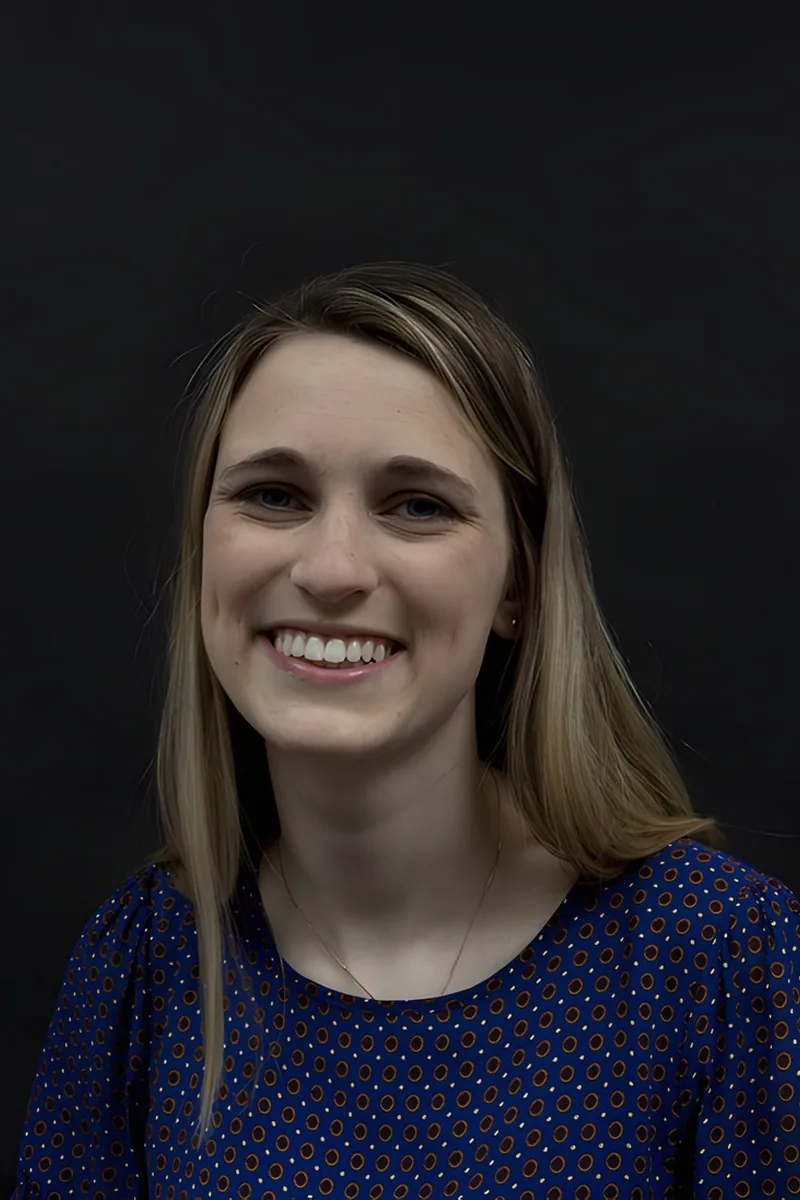
Earning a full undergraduate degree in German at Northwestern — including advanced coursework in literature, culture, and linguistics — gives Amber the depth this exam demands. She tackles the AP German exam's presentational speaking and writing tasks by drilling students on formal register, idiomatic expressions, and the cultural knowledge threads that score well on the free-response sections. Her concentration also means she can coach students through the interpretive listening passages that often trip up otherwise strong speakers.

The AP German exam tests far more than vocabulary — students need to interpret audio sources, craft persuasive essays in German, and navigate cultural comparisons with nuance. Colin brings real fluency to these tasks, coaching students through the presentational writing and interpersonal speaking components that tend to be the biggest score differentiators.
Earning a degree in German Studies means Jhanelle has lived inside this language at the highest academic level — reading literature, writing analytical essays, and engaging with complex cultural texts entirely in German. For AP German Language and Culture, she zeroes in on the presentational and interpersonal communication tasks that determine exam scores, including the notoriously tricky persuasive essay and cultural comparison. Rated 5.0 by students.
As a German minor actively involved in a German-language social program at UGA, Hailey uses the language in academic and conversational settings daily. For the AP exam specifically, she digs into the presentational writing and speaking tasks that trip students up, breaking down how to structure an argumentative essay in German and respond to audio sources under time pressure.
Law school sharpens one skill that translates directly to AP German's cultural comparison essay: building a structured argument under pressure. John teaches German through all four levels and applies that analytical rigor to the presentational writing and speaking tasks, where clear thesis development in German separates 4s and 5s from lower scores. His international economics background also gives him natural fluency with the global challenges theme that recurs across the exam.
Immersion in "comprehensible input" — stories, podcasts, cultural material loaded with context — is how Jamie builds the interpretive listening and reading skills that carry the AP German exam. With degrees spanning mathematics, languages, and special education, he adapts his approach to each student's level, whether the sticking point is Konjunktiv II forms or structuring a cultural comparison essay under timed conditions. Rated 4.6 by students.
Studying German through the advanced level while majoring in Computer Science at Duke gives Susie an unusual combination — she thinks about language with the same structural precision she applies to code, which pays off when dissecting German grammar patterns like case systems and word order in subordinate clauses. She tutors across all four levels of German and brings that full-sequence perspective to the AP exam's presentational and interpersonal tasks, where students need to produce accurate, register-appropriate German on the spot.
Anuj's CLEP German preparation gives him a structured grasp of German grammar and reading comprehension, though AP German Language and Culture goes well beyond what that exam covers. He approaches the cultural comparison essay and interpretive reading tasks analytically — his psychology training makes him sharp at breaking down how arguments are constructed across languages. Rated 4.8 by students.
Before earning his English degree, Kollin volunteered to teach German to elementary schoolers — designing his own lesson plans and materials from scratch. That early immersion in German pedagogy, combined with his study through German 4, means he understands both the language's grammatical architecture and how to explain tricky concepts like subjunctive mood and adjective endings in ways that actually stick for AP-level learners.
Corinna's German coursework through the advanced level pairs with a Written Arts degree that sharpens exactly the skill AP German's presentational writing task rewards: crafting a clear, well-structured argument in a second language under time pressure. Her high school teaching background in NYC means she knows how to diagnose where students freeze up — whether it's hearing comprehension on the interpretive listening passages or switching into formal register for the persuasive essay.
Having studied applied physics in German-speaking academic contexts and teaching German at every level from beginner through AP, Juliane bridges the gap between classroom German and the real-world fluency the exam rewards. She's particularly sharp on the interpretive listening and reading tasks — parsing authentic sources quickly and accurately — drawing on the same analytical precision her physics background demands. Rated 4.9 by students.
Earning a bachelor's degree in German Studies gave Scott the linguistic and cultural fluency that AP German Language and Culture demands — not just grammar accuracy, but the ability to navigate authentic texts, regional idioms, and formal vs. informal registers. He tackles the interpersonal and presentational speaking tasks by building students' confidence with real conversational patterns rather than scripted dialogues.
Jamie teaches German at every level from beginner through AP and draws on a dramatic writing background that sharpens one underappreciated AP skill: constructing a compelling narrative or argument in a second language under time pressure. The presentational writing and speaking tasks reward students who can organize ideas clearly and use authentic register — skills that come naturally to someone trained in structuring dialogue and voice across contexts.
Testimonials
Because the right AP German Language and Culture tutor makes all the difference.
Average Session Rating – Based on 3.4M Learner Ratings
Nearby AP German Language and Culture Tutors
Other Milwaukee Tutors
Related Languages Tutors in Milwaukee
Frequently Asked Questions
The AP German Language and Culture exam assesses proficiency across five key skills: interpersonal communication (conversations), interpretive communication (reading and listening), and presentational communication (speaking and writing). The exam includes multiple-choice sections testing reading and listening comprehension, free-response sections with email writing and speaking tasks, and cultural analysis components. Students need to demonstrate understanding of German-speaking cultures alongside language skills, making this a comprehensive assessment of both linguistic ability and cultural knowledge.
A score of 3 or higher is considered passing and earns college credit at most institutions, though some schools require a 4 or 5 for credit. Scores range from 1 to 5, with 5 representing extremely well qualified. Your target score depends on your college goals and the schools you're applying to—many competitive programs prefer scores of 4 or 5. Varsity Tutors connects you with tutors who can help you understand your current proficiency level and develop a realistic score goal based on your starting point and timeline.
Students often struggle most with the speaking section, which requires spontaneous responses and cultural commentary under time pressure, and the interpretive listening section, where rapid German speech can be challenging to follow. The free-response email writing task also trips up many students because it demands both grammatical accuracy and appropriate register for different contexts. Weak areas typically emerge in verb conjugation, subjunctive mood, and recognizing cultural nuances—all of which require targeted practice and feedback from someone familiar with AP-level expectations.
Most students benefit from 3-6 months of focused preparation, though this varies based on your current German proficiency level. If you're taking the course through your Milwaukee school, consistent study throughout the year is more effective than cramming in the final weeks. Personalized 1-on-1 instruction helps you identify which skills need the most attention—whether that's listening comprehension, speaking fluency, or cultural analysis—so you can use your study time efficiently and build confidence before test day.
Yes—practice tests are essential for AP German preparation. Taking full-length practice exams every 2-3 weeks during your prep period helps you get comfortable with timing, identify weak areas, and track improvement over time. The College Board provides official practice materials, and many tutors have access to additional high-quality practice resources. Reviewing your practice test results with a tutor who knows the exam format inside-out helps you understand not just what you missed, but why, so you can avoid repeating those mistakes on test day.
The speaking section intimidates many students because it feels less forgiving than written work—there's no time to revise. Regular practice with a tutor who can simulate the exam format and give immediate, constructive feedback builds confidence and helps you develop strategies for handling unexpected questions. Practicing out loud repeatedly, learning to think in German rather than translating from English, and understanding that minor mistakes don't derail your score all help reduce anxiety. Many students find that once they've done dozens of mock speaking tasks with a tutor, the actual exam feels manageable.
Cultural knowledge is woven throughout the AP German exam—it's not a separate section but rather integrated into reading, listening, and speaking tasks. You'll encounter authentic materials about German-speaking cultures and need to analyze them thoughtfully. This means studying famous figures, historical events, contemporary issues, and cultural practices across Germany, Austria, and Switzerland. Tutors can help you build a framework for understanding these cultural contexts and teach you how to discuss them in German, which strengthens both your language skills and your exam performance.
Look for tutors with native or near-native German fluency, ideally combined with experience teaching AP-level students or having taken the exam themselves. They should understand the specific format and scoring rubrics of the AP German Language and Culture exam and be able to teach test-taking strategies alongside language skills. Varsity Tutors connects you with expert tutors in Milwaukee who have proven success helping students achieve their AP German goals and can tailor instruction to your specific needs, whether you're aiming to improve your speaking, strengthen your writing, or master cultural analysis.
Let’s find your perfect tutor
Answer a few quick questions. We’ll recommend the right plan and match you with a top 5% tutor.