Award-Winning English Tutors
serving Plano, TX
English
Tutors in Plano
Private 1-on-1 tutoring, weekly live classes for academic support, test prep & enrichment, practice tests and diagnostics, and more to elevate grades and test scores.
Based on 3.4M Learner Ratings
UniversitiesSchools & Universities
DeliveredHours Delivered
ProficiencyGrowth in Proficiency
Who needs tutoring?
No obligation. Takes ~1 minute.
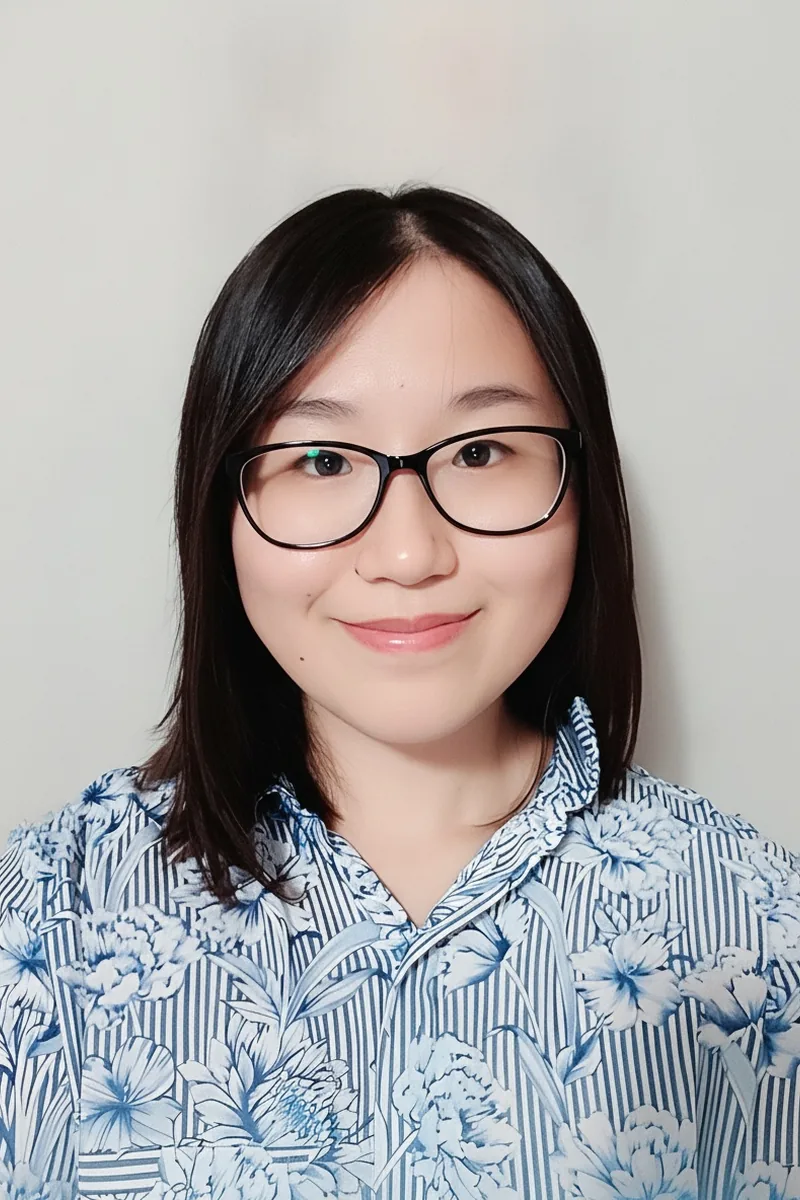
Reading comprehension and essay writing sit at the center of Patricia's tutoring — she treats them as connected skills, teaching students to analyze an author's argument before building their own. Her background across literature, grammar, and college essay revision means she can move fluidly from dissecting a passage's structure to tightening a student's thesis statement. Rated on the SAT at 1580, she clearly practices the close-reading and writing precision she teaches.
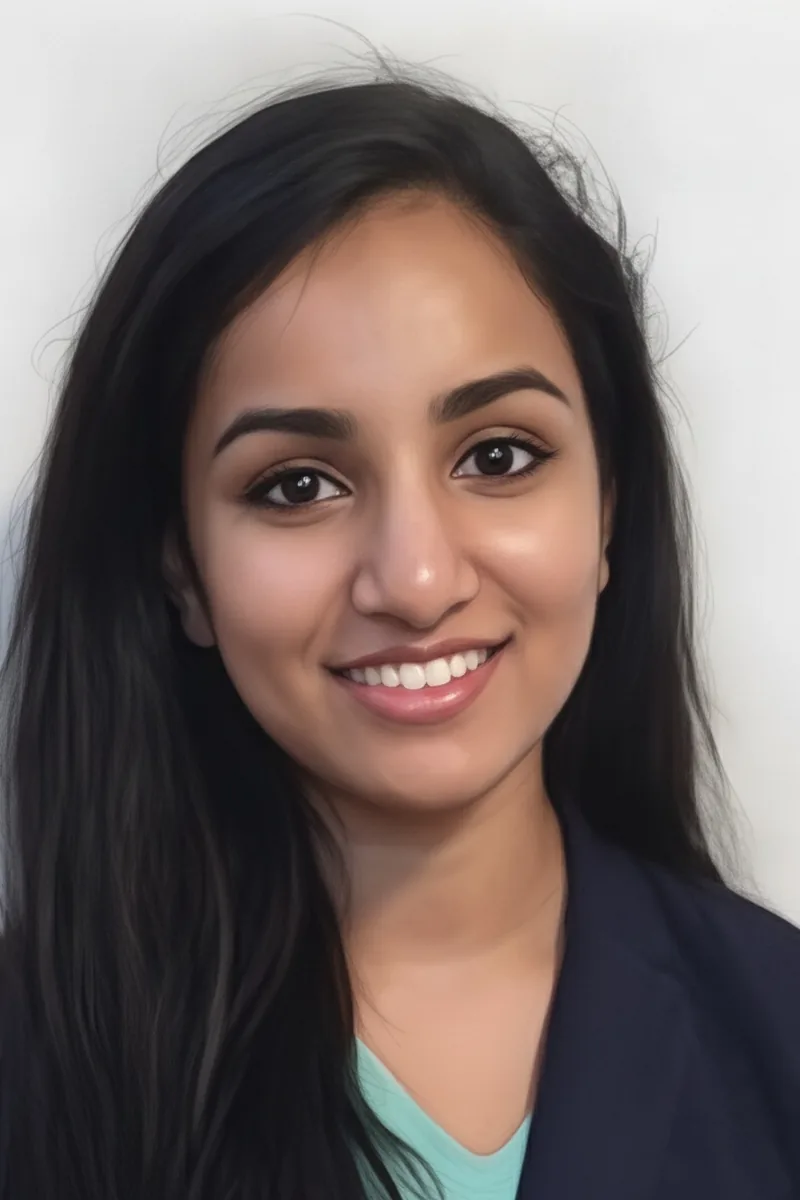
Reading literature through the IB lens — where a single passage might be analyzed for historical context, rhetorical strategy, and philosophical underpinning simultaneously — shaped how Kinjal approaches English. She teaches students to build thesis-driven essays by dissecting how authors use tone, structure, and figurative language to construct meaning.
I am most passionate about biology and chemistry. I am a firm proponent of education, believing it to be absolutely necessary for an improved quality of life, and I try to impart this appreciation to all of my students.
Reading critically and writing clearly are skills Nivedina sharpened through years of dissecting research papers and drafting scientific arguments — tasks that demand the same close-reading and thesis-building muscles as any English class. She approaches essays by teaching students to identify an author's central claim, evaluate the evidence behind it, and construct their own arguments with clear structure. Her background in philosophy and literature gives her range across analytical and creative writing assignments alike.
Between AP English Literature, college essay coaching, and his own liberal arts education, Kenan brings real depth to close reading and thesis-driven writing. He walks students through how to pull apart an author's argument, identify literary devices in context, and build essays that do more than summarize the plot.
Between editing college essays and her own lifelong habit of devouring books, Alisa approaches English as a subject built on close reading and clear argumentation. She teaches students to dissect a passage for tone, structure, and authorial intent — then translate that analysis into organized, evidence-driven writing.
An English major at Rice who also reads biochemistry papers for her other degree, Natalie understands that strong English skills aren't just about literature — they're about constructing clear arguments, reading critically, and writing with purpose. She tackles everything from close reading and thesis development to paragraph-level organization, adapting her approach to whether a student is working on a novel analysis or a research essay.
An avid reader and writer studying at NYU, Siyu brings genuine enthusiasm for language to sessions on everything from close reading and literary analysis to grammar mechanics and thesis construction. She treats English as a craft — breaking down how authors build arguments and use rhetorical devices, then coaching students to apply those same techniques in their own writing. Rated 4.9 by students.
Between writing her own college essays for the University of Chicago (known for its notoriously creative prompts) and tutoring peers in literature and essay editing, Kavitya developed a sharp sense for how to build an argument on the page. She digs into thesis development, textual evidence, and revision strategies, teaching students to move from a rough idea to a polished piece of writing with a clear voice.
I am currently a senior at Emory University studying chemistry and applied math with a focus on inorganic chemistry. I will be available to tutor algebra, trigonometry, algebra 2, biology, chemistry, calculus, geometry, pre- calculus, and ACT prep. I started tutoring in high school and continued tutoring at Emory where I tutored general chemistry, introductory biology, and calculus for two years. Apart from academic tutoring, I am also involved in Project SHINE which teaches English to recent Atlanta immigrants. I believe that education (no matter what kind) is crucial in life, but I also strive to emphasize why something is important. In my experience, most students struggle with something because they don't understand exactly why it is important or simply do not care. I am heavily involved in academic research at Emory so I am able to help a student understand exactly why a specific subject area is important and how it is continuously applied both in the lab and in the real world to improve our lives. It's always easier to see the physical and practical applications of a subject than try to visualize its importance on paper. In my spare time I enjoy chemistry, ancient Roman history, jam bands, running, cycling, and scuba diving.
Most students don't expect a bioinformatics major to be their English tutor, but Hamza's 1600 SAT score reflects genuine command of reading comprehension, argumentation, and written expression. He tackles English by teaching students to outline their thinking before they write and to read passages with a specific analytical question in mind, turning vague impressions into structured responses.
An avid reader and writer who chose a science major, Sunny brings an unusual perspective to English — she treats literary analysis the way she'd treat a lab report, building claims from textual evidence rather than vague impressions. She digs into close reading, thesis construction, and argument structure, making the analytical side of English click for students who think it's all subjective.
Between her love of reading and her experience as an essay editor, Anna approaches English as two interlocking skills: understanding what an author is doing on the page, and articulating that understanding in clear, structured prose. She digs into literary analysis techniques like close reading and thesis construction, connecting the reading side to the writing side so neither feels abstract.
Reading a poem for theme, structuring a five-paragraph essay, pulling evidence from a novel to support a claim — Mackenzie covers the core English skills that show up from middle school through high school. Her engineering mindset actually works in her favor here: she teaches literary analysis as a structured argument, walking students through how to build a thesis and defend it with textual evidence rather than vague impressions.
Akhil pairs his analytical engineering mindset with genuine enthusiasm for reading and writing, tutoring both literature analysis and essay composition. He teaches students to build arguments paragraph by paragraph — identifying a text's central tension, selecting evidence, and crafting thesis statements that go beyond surface-level summary.
Nicholas writes code and reads books for fun — and both habits sharpen the same skill: taking something complex and communicating it clearly. His computer science training at Texas A&M built disciplined thinking about structure and logic, which he applies to grammar, essay organization, and tightening up loose arguments in student writing. Rated 5.0 by students.
Strong English skills come down to understanding how language works structurally — how a thesis controls an essay, how sentence variety creates rhythm, how word choice shifts tone. Gabriela's psychology background gives her an unusual edge here: she reads student writing with an eye for how arguments actually land on a reader, then teaches concrete revision strategies for tightening grammar, sharpening claims, and making prose more persuasive.
Reading comprehension and grammar rules stick better when students understand the logic behind them — why a comma splice breaks a sentence, or how an author's word choice shifts tone. Medha connects these skills to real texts and student writing, making English feel like a toolkit rather than a set of arbitrary rules to memorize.
Scoring a 1570 on the SAT required Michelle to master both the analytical reading and evidence-based writing that define strong English skills. She digs into close reading strategies — identifying author's purpose, tracing argument structure, and analyzing tone — while also coaching students on crafting polished essays, from thesis development through revision.
Reading a dense primary source and constructing a clear argument from it is the same skill whether the context is a literature class or a medical case study — and Sugi has done both extensively. She's particularly sharp at teaching students how to move from annotation to thesis, turning scattered observations about a text into a structured, evidence-driven essay. Her 5.0 rating speaks to how well that translates for students.
Scoring a perfect 1600 on the SAT required Maggie to master close reading, evidence-based reasoning, and precise written analysis — skills she now teaches directly. She digs into how to build a thesis from textual evidence and how to revise drafts so each paragraph earns its place in an essay. Her background writing college essays and editing academic work keeps her feedback specific and actionable.
Strong analytical reading and clear written arguments aren't just humanities skills — Bidyut sharpened both through his coursework at Johns Hopkins, where lab reports and research papers required the same close reading and thesis-driven writing that English classes demand. He digs into essay structure, evidence selection, and how to build a claim that actually persuades a reader.
Jonathan's experience writing college essays, editing academic work, and preparing for the SAT Writing section gives him a practical toolkit for English tutoring that covers both analytical reading and clear, structured writing. He's particularly effective at teaching students how to build a thesis from textual evidence — the skill that separates summary from real literary analysis.
An avid reader and writer who lists both among her top hobbies, Mackenzie brings genuine enthusiasm to English tutoring — whether she's walking through essay structure, close reading strategies, or grammar mechanics. Her experience with college essays, literature analysis, and editing across multiple grade levels means she can adapt quickly to whatever a student is working on. Rated 4.8 by students.
Between writing college essays for Stanford and tutoring in literature and essay editing, Jake knows what clear, compelling English looks like on the page. He digs into thesis development, paragraph structure, and how to support an argument with textual evidence — the skills that move a student's writing from adequate to persuasive. Holds a 5.0 rating from students.
Two degrees' worth of seminar papers, a published senior thesis, and ongoing graduate coursework mean Elena reads and writes analytically every day — not as an abstract skill but as the core of her academic life. She unpacks essay structure by showing students how a strong thesis actually controls every paragraph that follows, using real examples from literary analysis and argumentative writing to make the logic visible.
Balancing a double focus in Mathematical Economic Analysis and Computer Science with Division I golf, Rishi developed sharp reading and writing habits out of necessity — there's no time to reread a passage three times or draft an essay without a plan. He teaches students to annotate strategically, build clear thesis statements, and structure paragraphs so their arguments hold together from start to finish.
From essay structure to reading comprehension to vocabulary in context, Tegan covers the full range of English skills with an emphasis on building real understanding. Her background spans tutoring middle schoolers, working with adult ESL learners, and writing extensively for her Rice coursework — so she adapts quickly to what each student actually needs. She's especially sharp at teaching students how to support an argument with textual evidence.
Between her love of books and her experience editing college essays, Jessy approaches English as a subject where reading and writing reinforce each other — analyzing an author's argument structure in a passage, then applying that same logic to a student's own paragraphs. She's especially sharp at teaching students how to build a thesis and support it with textual evidence. Her 5.0 rating speaks to how well that approach lands.
Reading closely and writing persuasively are the two skills Paul's entire academic career has demanded, from analyzing texts in his economics coursework to constructing arguments for law school. He walks students through how to identify an author's purpose, support claims with textual evidence, and revise their own writing until every paragraph earns its place.
Between his college essays work and his literature background, Alexander knows how to teach both sides of English — close reading a text for argument and craft, and then building a clear, well-organized written response. He earned a 1580 SAT, which required strong command of evidence-based reading and precise written expression under time pressure.
Brown University's open curriculum let Carter range across literary arts, philosophy, and economics — a combination that sharpened his ability to analyze texts from multiple angles. He teaches close reading, thesis development, and essay structure by connecting literature to the broader arguments an author is making, not just summarizing plot. Rated 5.0 by students.
Strong English skills come down to reading critically and writing clearly, and Sajel sharpens both. Whether a student is analyzing a novel's themes or structuring a persuasive essay, she teaches them to identify an author's argument, gather textual evidence, and build their own claims — skills her Social Policy Analysis coursework at Rice demands every week.
Strong writing starts with knowing how to build an argument, and William's experience crafting college essays and editing student work means he knows what clear, purposeful prose looks like. He digs into thesis development, evidence integration, and revision strategies, treating each draft as a problem to solve rather than a chore to finish.
Aditi's premed coursework at Rice means she's constantly translating complex scientific ideas into clear, structured prose — a skill that transfers directly to teaching essay organization, thesis development, and revision. She also scored a 1570 on the SAT, so the reading comprehension and grammar mechanics tested in standardized English come as naturally as the academic writing side. Rated 4.8 by students.
Cognitive Studies at Vanderbilt trains Vy to think about how people process language — how readers extract meaning, how writers encode it, and where that chain breaks down. She applies that lens to grammar, syntax, and essay writing, diagnosing whether a student's issue is conceptual (they don't understand what a thesis does) or mechanical (they can't execute comma rules consistently). Rated 5.0 by students.
Reading widely and writing constantly since childhood, Meagen turned that love into an English major at Carleton College, where she digs into everything from close reading of poetry to crafting analytical arguments about novels. She's particularly sharp at breaking down how authors use literary devices — tone, imagery, narrative structure — and showing students how to articulate those observations in their own essays. Rated 5.0 by students.
Science students often underestimate how much clear writing matters, but Aadith learned early at Rice that strong reading comprehension and persuasive prose are essential in every field. He teaches English skills — from crafting argumentative paragraphs to analyzing an author's rhetorical choices — with the same structured, logical approach he applies to his STEM coursework.
Between his linguistics coursework, Spanish minor, and experience tutoring reading and writing at multiple levels, Adam approaches English as an interconnected set of skills — comprehension fueling better writing, and writing sharpening analytical thinking. He's especially effective at teaching students how to build an argument from a text, moving from close reading to thesis development to organized paragraphs that say something specific.
Reading a novel in one language while analyzing its translation in another — that's what Comparative Literature training looks like, and it gave Chloe an unusually sharp eye for how authors build meaning through structure, tone, and word choice. She brings that same analytical lens to essay writing, literary analysis, and close reading at the high school and college level. Rated 5.0 by students.
Testimonials
Because the right English tutor makes all the difference.
Average Session Rating – Based on 3.4M Learner Ratings
Nearby English Tutors
Other Plano Tutors
Related English Tutors in Plano
Frequently Asked Questions
Varsity Tutors matches Plano students with expert English tutors for 1-on-1 instruction. We pair each student with a tutor based on their specific needs, learning style, and goals.
Whether you need homework help, exam prep, or want to get ahead, our English tutors are ready to help.
Common challenges include gaps from earlier material, difficulty with specific concepts, and trouble applying learning to new problems. These issues can snowball quickly in English.
A tutor identifies where you're stuck, fills in gaps, and provides targeted practice. The 1-on-1 format means you get help exactly where you need it.
Tutors work with your student's actual coursework—homework assignments, class notes, and upcoming tests. This keeps tutoring directly relevant to what's happening in the classroom.
When you share information about your student's school and curriculum, we can match you with a tutor who has relevant experience.
All tutors complete background checks, credential verification, and teaching evaluation. Many of our English tutors hold advanced degrees or have years of teaching experience.
You can review tutor profiles to find someone with the right background for your student's level and needs.
Many students see improved grades within a few weeks, along with better understanding of English concepts and more confidence tackling challenging material.
Tutors track progress and adjust their approach to ensure continued improvement.
Most students benefit from 1-2 sessions per week. More frequent sessions help if your student is significantly behind or has an important exam coming up.
Your tutor can recommend a schedule based on your student's specific situation and goals.
Tutoring is purchased in packages of hours, with rates varying by tutor experience. Varsity Tutors offers several options to fit different budgets and needs.
You can discuss pricing during your consultation to find what works best.
Your tutor will assess where your student is, discuss goals, and start working on priority areas. Most students bring current homework or upcoming test material to focus on.
By the end, you'll have a clear sense of how the tutor can help and a plan for moving forward.
Let’s find your perfect tutor
Answer a few quick questions. We’ll recommend the right plan and match you with a top 5% tutor.