Award-Winning English Tutors
serving Houston, TX
English
Tutors in Houston
Private 1-on-1 tutoring, weekly live classes for academic support, test prep & enrichment, practice tests and diagnostics, and more to elevate grades and test scores.
Based on 3.4M Learner Ratings
UniversitiesSchools & Universities
DeliveredHours Delivered
ProficiencyGrowth in Proficiency
Who needs tutoring?
No obligation. Takes ~1 minute.

Scoring a 1570 on the SAT required Michelle to master both the analytical reading and evidence-based writing that define strong English skills. She digs into close reading strategies — identifying author's purpose, tracing argument structure, and analyzing tone — while also coaching students on crafting polished essays, from thesis development through revision.
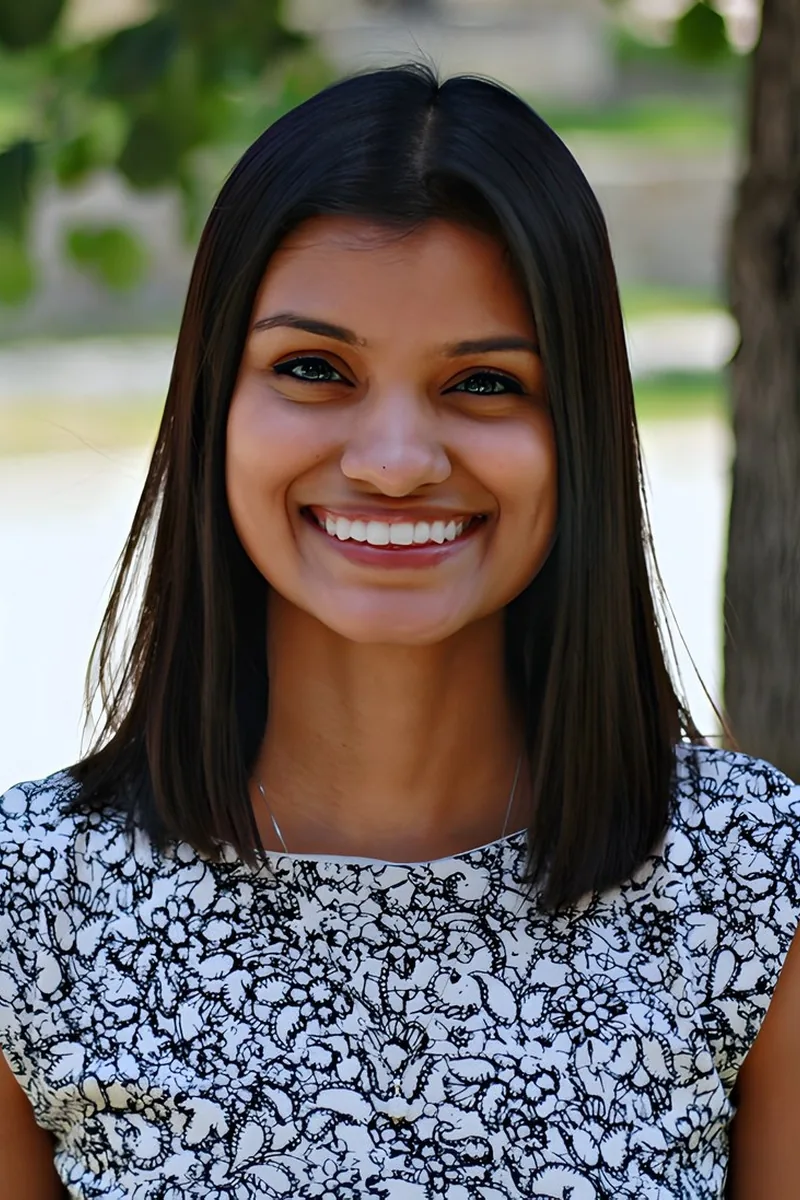
Reading a dense primary source and constructing a clear argument from it is the same skill whether the context is a literature class or a medical case study — and Sugi has done both extensively. She's particularly sharp at teaching students how to move from annotation to thesis, turning scattered observations about a text into a structured, evidence-driven essay. Her 5.0 rating speaks to how well that translates for students.
Two degrees' worth of seminar papers, a published senior thesis, and ongoing graduate coursework mean Elena reads and writes analytically every day — not as an abstract skill but as the core of her academic life. She unpacks essay structure by showing students how a strong thesis actually controls every paragraph that follows, using real examples from literary analysis and argumentative writing to make the logic visible.
Between his linguistics coursework, Spanish minor, and experience tutoring reading and writing at multiple levels, Adam approaches English as an interconnected set of skills — comprehension fueling better writing, and writing sharpening analytical thinking. He's especially effective at teaching students how to build an argument from a text, moving from close reading to thesis development to organized paragraphs that say something specific.
Science students often underestimate how much clear writing matters, but Aadith learned early at Rice that strong reading comprehension and persuasive prose are essential in every field. He teaches English skills — from crafting argumentative paragraphs to analyzing an author's rhetorical choices — with the same structured, logical approach he applies to his STEM coursework.
Between his college essays work and his literature background, Alexander knows how to teach both sides of English — close reading a text for argument and craft, and then building a clear, well-organized written response. He earned a 1580 SAT, which required strong command of evidence-based reading and precise written expression under time pressure.
Between her love of books and her experience editing college essays, Jessy approaches English as a subject where reading and writing reinforce each other — analyzing an author's argument structure in a passage, then applying that same logic to a student's own paragraphs. She's especially sharp at teaching students how to build a thesis and support it with textual evidence. Her 5.0 rating speaks to how well that approach lands.
Strong writing starts with knowing how to build an argument, and William's experience crafting college essays and editing student work means he knows what clear, purposeful prose looks like. He digs into thesis development, evidence integration, and revision strategies, treating each draft as a problem to solve rather than a chore to finish.
Strong English skills come down to reading critically and writing clearly, and Sajel sharpens both. Whether a student is analyzing a novel's themes or structuring a persuasive essay, she teaches them to identify an author's argument, gather textual evidence, and build their own claims — skills her Social Policy Analysis coursework at Rice demands every week.
Between college essays, AP coursework, and the ACT Writing section, Vinson has spent years dissecting how English works at both the sentence level and the argument level. He digs into thesis development, paragraph organization, and evidence integration — the skills that show up whether a student is writing a literary analysis or a research paper. Rated 4.8 by students.
Reading a poem or short story closely enough to build an argument about it is a skill most students haven't been explicitly taught. Liz walks through annotation strategies, thesis construction, and textual evidence selection so that English assignments become less about guessing what the teacher wants and more about genuine interpretation.
Strong English skills come down to two things: reading critically and writing clearly. Emily teaches both by pulling apart how authors build arguments and use language, then applying those same techniques to a student's own essays. Her background in scientific writing adds a structured, logical dimension to composition that many English tutors overlook.
Reading dense academic texts across economics and biochemistry at Rice built Jennifer's ability to dissect an author's argument, identify rhetorical strategies, and pull evidence from challenging passages — exactly the skills English coursework demands. She teaches students to move from surface-level summaries to analytical claims that engage directly with a text's language and structure. Her 1570 SAT score speaks to the reading comprehension and writing precision she brings to every session.
Reading closely and writing clearly are skills Emmanuel has sharpened across an unusual range — fiction workshops, scientific papers, and standardized test prep. He digs into how authors build arguments or develop themes, then teaches students to articulate those observations in their own writing with specificity and confidence. Rated 5.0 by students.
Between his writing hobby and his science training at Rice, Raj brings an unusual combination to English: he genuinely enjoys close reading and crafting arguments, but he also thinks in structures. That means he teaches essay organization, thesis development, and textual analysis as concrete, repeatable skills — not vague advice like "dig deeper." His 5.0 rating speaks to how well that approach lands with students.
Between her communications major and her time as a newspaper editor, Molly has spent thousands of hours reading, revising, and tightening prose. She digs into everything from thesis development and paragraph structure to close reading of literary texts, giving students the tools to write sharper essays and engage more deeply with what they read.
Kendall's background in Women, Gender, and Sexuality Studies means she reads texts through critical lenses that make literary analysis click — teaching students to identify rhetorical strategies, build thesis-driven arguments, and revise for clarity. An avid reader and writer herself, she's especially effective at coaching timed essays, having developed her own strategies for organizing ideas quickly under pressure. Rated 4.9 by students.
Tutoring refugee high school students and adults through two different organizations gave Natalie a rare range in English instruction — she's equally comfortable explaining reading comprehension strategies and breaking down how to structure a five-paragraph essay. Her cognitive science background also gives her insight into how people process language, which she uses to make vocabulary and reading skills stick.
Teaching across subjects like literature, essay writing, and grammar gives Amanda an integrated view of English that most tutors compartmentalize. She connects reading comprehension skills — identifying theme, analyzing author's purpose, pulling textual evidence — directly to the writing process, so students learn to build arguments from what they read. Her current classroom work keeps her aligned with exactly what's expected at each grade level.
Reading critically and writing persuasively are skills Kenneth has sharpened across two degrees — one in political science, one in law. He teaches English with an emphasis on close reading and argument construction, showing students how to pull specific evidence from a text and build it into a clear, well-organized essay. Rated 5.0 by students.
Few English tutors bring Andria's particular combination: an honors literature degree and six years of professional writing at the executive level for a Fortune 500 company. She tackles everything from close reading of literary texts — identifying narrative structure, authorial intent, rhetorical moves — to crafting clear, persuasive essays. Students walk away not just understanding what a text says, but knowing how to articulate why it matters.
Reading comprehension and writing reinforce each other, and Giovanna treats them that way — a passage about a character's motivation becomes a prompt for the student's own paragraph. Her Penn tutoring center experience and two years working directly with elementary-aged students at Success Academy mean she knows how to match book difficulty and writing tasks to where a child actually is in their development.
Between his sociology coursework at Rice and his experience with college essay coaching, Caio reads and writes analytically every day — constructing thesis-driven arguments backed by textual evidence. He teaches students to move from summarizing what a passage says to articulating what it does and why it matters, a shift that transforms both reading comprehension and essay quality. Holds a 5.0 rating.
Between literature analysis, essay writing, and grammar, English class asks students to juggle very different skills under one umbrella. Mingee connects those pieces — showing how close reading feeds stronger thesis statements, and how sentence-level clarity makes an argument land. Her writing background and 5.0 student rating make her a strong fit for students who need to level up across the board.
Reading closely and writing clearly are skills Malcolm sharpens constantly, both through his own creative interests and through the analytical writing his Rice coursework demands. He tackles English by connecting literary analysis to argumentation — teaching students to move from "I think the theme is..." to building a claim with specific textual evidence and structured reasoning. Rated across subjects from literature to college essays, he adapts to whatever a student's English class actually requires.
Strong English skills come down to reading critically and writing clearly, and Theresa tackles both — teaching students to identify an author's argument, analyze tone and structure, and then articulate their own ideas in organized, evidence-driven essays. Her 35 ACT composite reflects sharp reading comprehension and language skills, and her 5.0 student rating shows she communicates those skills effectively.
Between his personal passion for reading and writing and a 1550 SAT that demanded strong verbal performance, Jonathan brings genuine comfort with close reading, thesis development, and textual analysis. He's particularly good at showing students how to move from a vague reaction to a piece of writing into a structured, evidence-driven argument.
An avid reader and writer outside the classroom, Casey approaches English by treating every text as something worth arguing with — pulling apart an author's choices in structure, diction, and tone. She's particularly effective at teaching students how to move from a vague reaction ("I liked it" or "it was confusing") to a specific, evidence-backed claim they can defend in an essay.
Reading a passage and understanding it are two different skills, and Xavier treats English as the latter. He walks students through how to annotate for argument structure, identify an author's rhetorical moves, and build written responses that go beyond summary into real analysis. His 5.0 rating speaks to an approach that makes close reading feel less like guesswork.
A PhD math student who also loves reading and writing, Jacob brings an unusually logical mind to English — breaking down essay structure, argument flow, and grammar rules with the same precision he applies to proofs. He's particularly effective at teaching students how to organize their ideas into clear, well-supported paragraphs. Rated 5.0 by students.
Between her degrees in History and French Studies and her deep love of reading and writing, Jocelyn treats English as more than a school subject — it's the connective tissue of everything she does. She digs into close reading, thesis development, and literary analysis with students ranging from eighth graders writing their first real essays to college students tackling comparative literature papers.
Reading a poem or a novel closely enough to write a strong analytical essay requires a specific skill set: identifying tone shifts, tracking motifs, and building an argument from textual evidence. Erik approaches English through that analytical lens, sharpened by years of close reading across international relations and law. He walks students through the gap between "I sort of get it" and being able to articulate a clear, well-supported thesis on paper.
Policy analysis at the graduate level means writing constantly — synthesizing research, building evidence-based arguments, and editing for clarity under tight deadlines. Briana applies that same rigor to English tutoring, especially when it comes to expository writing, grammar precision, and helping a muddled draft become a sharp, structured piece. Her background in journalism and creative writing gives her range across both analytical and narrative styles.
An avid reader and writer who scored 1530 on the SAT, Chelsea approaches English by treating every text as something worth arguing about — not just summarizing. She digs into close reading, thesis development, and paragraph-level organization, giving students the tools to move from vague observations to specific, textual claims.
A master's degree in Communications from the American University of Paris sharpened Sarah's command of English at every level — from sentence-level grammar and syntax to the larger architecture of essays and arguments. She teaches students to revise their own writing by ear, catching awkward phrasing and weak transitions the way a skilled editor would. Her background in both literature and child development means she adjusts her explanations to click with each student's reading level.
Reading and writing aren't separate skills in Adi's approach — they feed each other. With a background in political science and economics, Adi teaches students to dissect how arguments are built in the texts they read, then apply those same structural techniques to their own essays and analytical writing.
Reading and writing are genuine hobbies for Irfan, not just academic obligations — and that comes through when he teaches English. He unpacks how to build a thesis from a close reading of a text and how to structure paragraphs so arguments land clearly, drawing on the same analytical precision his engineering training sharpened.
Most people don't associate mechanical engineering with strong writing, but Brown's open curriculum pushed Roni to take humanities courses that sharpened his ability to analyze texts and construct clear arguments. He tackles English by teaching students to identify an author's central claim, trace how evidence supports it, and articulate their own interpretation in organized, well-supported paragraphs.
Reading dense philosophical texts at Rice taught Alexander how to pull apart an author's argument, identify rhetorical strategies, and synthesize complex ideas into clear writing. He brings that same analytical approach to English, whether a student is dissecting a novel's themes or drafting a persuasive essay. Rated 5.0 by students.
A strong English skillset ties together reading comprehension, analytical writing, and command of language mechanics — and Frances covers all three. Her experience ranges from teaching young learners foundational literacy skills in a non-profit program to preparing high schoolers for standardized test essays. She's rated 5.0 by students and is especially effective at showing how grammar, structure, and argument work together to produce polished writing.
Testimonials
Because the right English tutor makes all the difference.
Average Session Rating – Based on 3.4M Learner Ratings
Nearby English Tutors
Other Houston Tutors
Related English Tutors in Houston
Frequently Asked Questions
Houston students often struggle with reading comprehension, essay writing structure, and grammar fundamentals—especially in a diverse district with varying curriculum standards across the 45 school districts. Many students also find it difficult to balance multiple writing assignments while developing critical analysis skills needed for standardized tests and college preparation. Personalized instruction helps identify whether a student needs foundational grammar work, advanced analytical skills, or confidence-building in specific areas like creative or persuasive writing.
In a classroom with an average student-teacher ratio of 16.3:1, teachers have limited time to address individual writing styles, reading gaps, or learning preferences. Personalized 1-on-1 instruction allows tutors to focus entirely on your student's specific needs—whether that's developing a unique voice in essays, tackling complex texts at their own pace, or building confidence in class discussions. This targeted approach typically leads to faster skill development and more meaningful feedback on writing.
Varsity Tutors connects students with tutors across all grade levels—from elementary reading and phonics through high school AP Literature and college-level composition. Tutors work with students on everything from grammar and vocabulary to literary analysis, essay writing, test preparation (SAT/ACT reading and writing), and advanced topics like rhetoric and critical theory. Whether your student needs help with a specific unit or year-long support, tutors can tailor instruction to align with Houston ISD, KIPP, or other local curriculum standards.
The first session focuses on understanding your student's current level, learning style, and specific goals—whether that's improving grades, preparing for a standardized test, or building writing confidence. The tutor will assess strengths and areas for growth, ask about recent assignments or challenges, and begin building a personalized plan. This foundation helps ensure that follow-up sessions are targeted and productive from day one.
Many students see noticeable improvements in essay structure and clarity within 3-4 weeks of consistent tutoring, especially when working on specific assignments or test prep. Deeper changes—like developing a unique voice, mastering complex sentence construction, or building analytical depth—typically develop over 2-3 months of regular practice and feedback. The timeline depends on starting level and frequency of sessions, but personalized instruction accelerates growth compared to classroom-only learning.
Yes. Tutors help students master the specific skills tested on the SAT (reading comprehension, grammar, and essay writing) and ACT (similar focus with slightly different formats). They teach test-taking strategies, time management, and how to analyze passages and questions efficiently—while also building underlying skills like vocabulary and sentence construction. Many students improve their reading and writing scores significantly with targeted preparation over 8-12 weeks.
Varsity Tutors matches you with expert tutors based on your student's grade level, specific needs, and learning style. You'll share details about what you're looking for—whether it's help with a particular class, test prep, or general writing skills—and get connected with qualified tutors. You can review tutor profiles and experience before starting, ensuring a good fit for your student.
Yes. Tutors work with students across all Houston-area districts and are familiar with HISD, KIPP, Pearland ISD, and other local curriculum standards and pacing guides. They can support classroom learning, help with specific units or assignments, and ensure instruction aligns with what your student is learning in school. This coordination makes tutoring more effective and directly applicable to classroom success.
Let’s find your perfect tutor
Answer a few quick questions. We’ll recommend the right plan and match you with a top 5% tutor.