Award-Winning English Tutors
serving Dallas, TX
English
Tutors in Dallas
Private 1-on-1 tutoring, weekly live classes for academic support, test prep & enrichment, practice tests and diagnostics, and more to elevate grades and test scores.
Based on 3.4M Learner Ratings
UniversitiesSchools & Universities
DeliveredHours Delivered
ProficiencyGrowth in Proficiency
Who needs tutoring?
No obligation. Takes ~1 minute.
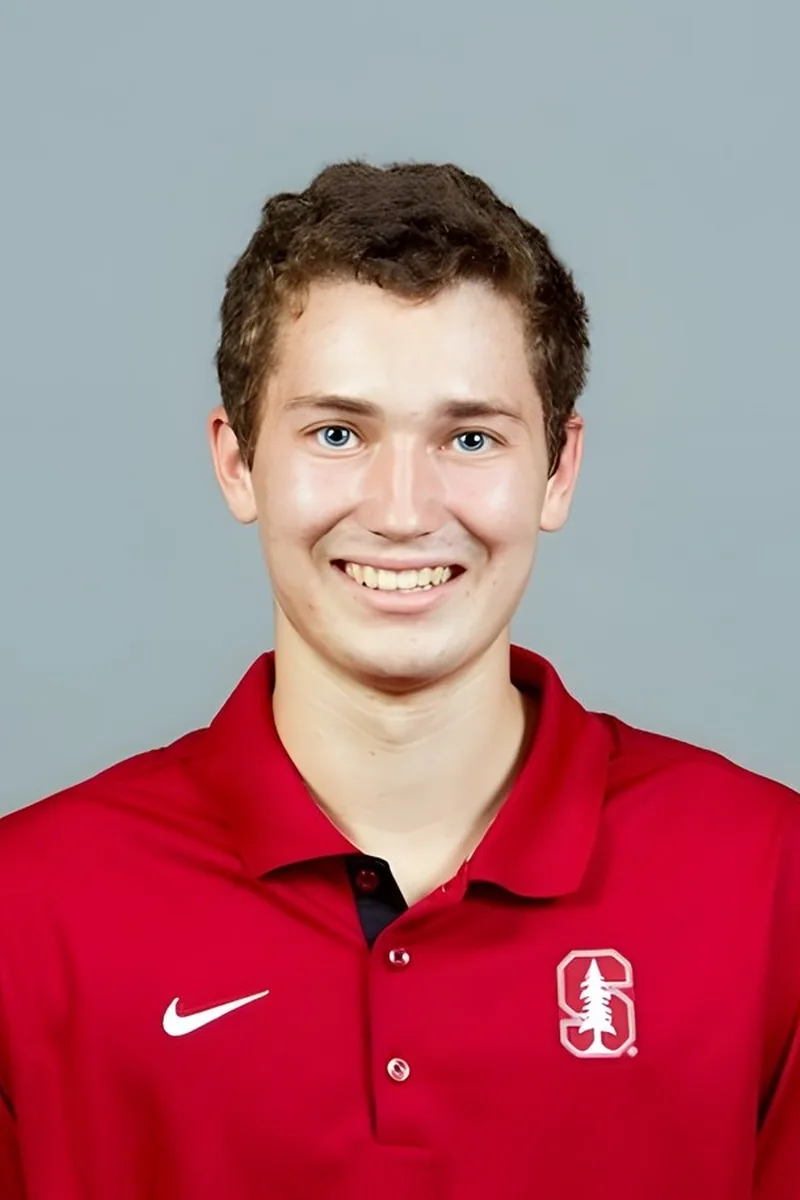
Between writing college essays for Stanford and tutoring in literature and essay editing, Jake knows what clear, compelling English looks like on the page. He digs into thesis development, paragraph structure, and how to support an argument with textual evidence — the skills that move a student's writing from adequate to persuasive. Holds a 5.0 rating from students.
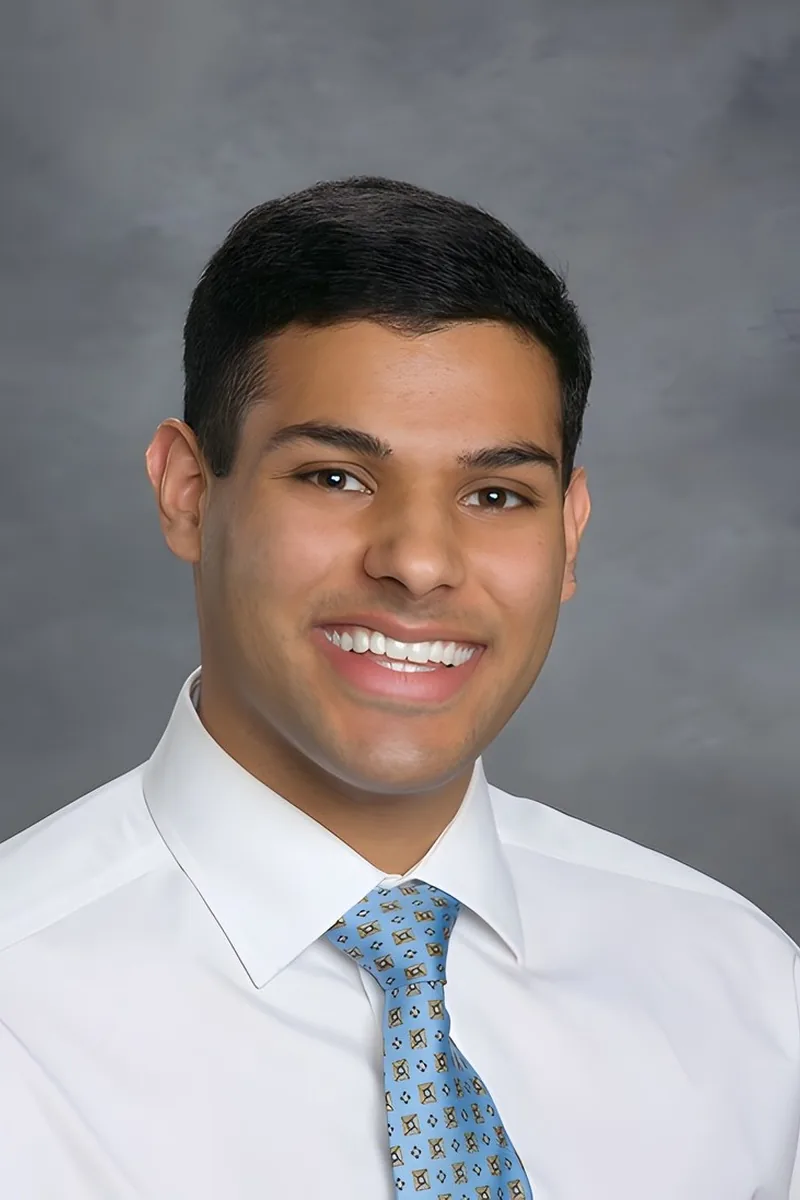
Between literature courses, years of essay writing through college and medical school, and his experience coaching students on college essays, Sanjay brings a reader's eye and a writer's discipline to English tutoring. He digs into thesis construction, evidence integration, and the revision process — the skills that separate a competent paper from a compelling one. His literature background also means he can walk students through close reading and analytical writing with real depth.
I am an Atlanta native. I hold an undergraduate degree in Business from Tennessee State University and graduated degree in Education from Cambridge College. I am a Georgia and Texas certified teacher. I have always enjoyed working with kids. I have taught kindergarten, first, second and fourth grade. I am a hard-worker, team player and passionate about my students succeeding in whatever they set their minds too. I currently hold endorsements in K-5 Mathematics, Teacher Support Specialist, and ESOL (English for Speakers of Other Languages). I am able to provide instruction that meets the needs of all students. I have the ability to differentiate instruction so that I cater to all learning styles and levels.
Between scoring a 1570 SAT and navigating the heavy reading load of medical school, Si knows what it takes to pull meaning from dense texts and express ideas clearly on paper. He approaches English by connecting reading comprehension skills — identifying tone, tracking arguments, analyzing evidence — directly to stronger writing, so improvement in one area feeds the other.
Studying political economy across three degree programs meant Misael was constantly writing — policy analyses, argumentative essays, economic case studies — all requiring sharp thesis statements and evidence woven into clear prose. That volume of academic writing built strong instincts for essay structure, grammar, and persuasive reasoning that he now brings to English tutoring, especially for students who freeze when faced with a blank page and a prompt.
An avid reader and writer outside the lab, Brian tackles English by connecting analytical reading to stronger composition — teaching students how to identify an author's argument, pull supporting evidence from a text, and structure their own essays around a clear thesis. His dual life in science and the humanities gives him a practical, logic-driven approach to literary analysis and expository writing.
Few tutors bring Toni's range across English as a discipline: she teaches college-level American and British literature, comparative literature, expository writing, and grammar, all grounded in an MA and active professorship. Whether a student is untangling a Shakespeare sonnet, structuring a five-paragraph essay, or learning to read critically for the first time, she adapts her approach to what that specific text and assignment demand.
A Human Biology major might seem like an unlikely English tutor, but Angela's science background trained her to read critically, build evidence-based arguments, and write with precision — skills that transfer directly to thesis development, textual analysis, and essay structure. Her 1550 SAT score speaks to serious verbal chops, and her current graduate work at Boston University keeps her writing sharp across disciplines. Rated 4.9 by students, she's especially effective at teaching how to move from a rough idea to a polished, well-supported piece of writing.
A double major in History of Art and Medicine, Health and Society meant Kevin spent his undergraduate years doing exactly what English courses demand: close reading, building arguments from textual evidence, and writing under pressure. He teaches students to move from vague observations about a passage to precise, thesis-driven analysis — whether they're tackling a Shakespeare play or a timed AP essay.
Between his French degree, his master's in Linguistics, and years spent teaching ESL learners, John has an unusually deep understanding of how the English language actually works beneath the surface. He brings that knowledge to bear on everything from close reading and thesis development to sentence-level clarity — the kind of precise language awareness that sharpens both writing and analytical reading.
Doctoral-level coursework means Alyssa reads and writes analytically every day, skills she now applies to teaching English concepts like thesis development, textual analysis, and argument structure. Her 35 ACT composite — including the English and Reading sections — speaks to the kind of command over language and comprehension she brings to each session.
Shreya's Brown education split between biology and medieval literature, which means she's equally comfortable dissecting a lab report and a Shakespeare sonnet. She teaches reading comprehension and analytical writing together — showing students how to pull a thesis from a text, organize supporting evidence, and write arguments that hold up under scrutiny.
Reading comprehension and writing reinforce each other — a student who can identify an author's argument in a passage is better equipped to build one of their own. Sarah leans on this connection, teaching English through close reading of texts and then applying those analytical skills to structured paragraphs and essays. Rated 5.0 equivalent on the ACT English section with her 34 composite, she knows what strong language skills look like under pressure.
Reading a passage and answering comprehension questions is one skill; constructing a clear, well-supported argument about that passage is another entirely. Kari tackles both sides of English by connecting close-reading techniques — annotation, identifying tone shifts, tracking themes — directly to the writing process. Her background in business communication keeps the focus on clarity and precision rather than flowery filler.
I am a graduate of UC San Diego with a Bachelors in Neuroscience through the Psychology department. After graduating, I went to Michigan Technological University and did some graduate work, before moving to Texas to be closer to my parents. I did my alternative certification program through Texas Teachers and am highly qualified to teach Science for grades 7-12. I have been a teacher in public and charter schools for the last four years, and have tutoring experience extending over ten years behind me as well.
Between her Chinese minor and years living abroad, Julia reads with an eye for how language shapes meaning across cultures — a perspective that makes literary analysis click for students who find it abstract. She digs into close reading skills like identifying tone, tracking an author's argument, and pulling textual evidence that actually supports a thesis. Her 5.0 rating speaks to how well that approach lands.
I am a graduate of Georgetown University where I earned my Bachelor of Science degree in International Politics with a concentration on Foreign Policy. I also earned a Certificate in Latin American Studies and am a member of Pi Sigma Alpha, The National Political Science Honor Society. I have experience tutoring students in both the SAT and the SSAT. Additionally, my time as an 8th Grade Science teacher here in Dallas has prepared me for the curriculum and challenges facing students in the area. While I offer tutoring in a broad range of subjects from foreign languages to grammar and writing to math and science, I find Physics to be the most enjoyable subject to teach. I see Physics as the science that allows all the other sciences to occur, and I find it helpful to use Physics demonstrations when studying the subject. When it comes to tutoring, I believe that whoever is doing the talking is doing the learning, so my students will be doing the leg work when it comes to their learning. I believe that every student can achieve success in school; each student just learns at their own pace and in their own way. When I have free time, I enjoy reading a good book, playing a game of tennis, or participating in or watching theatrical events.
Scott approaches English as a subject where reading and writing reinforce each other — analyzing how an author builds an argument in a text sharpens a student's ability to construct one of their own. His background in literature, essay editing, and college essay coaching means he can address everything from close-reading skills to thesis development. Sessions stay interactive, with Scott prompting students to articulate their interpretations rather than handing them a ready-made analysis.
Between a BFA in Drama and fluency in multiple languages, Del has spent years pulling texts apart — examining tone, argument structure, and the choices writers make at the sentence level. He scored a 1490 on the SAT, and that analytical sharpness carries directly into teaching reading comprehension, thesis development, and literary analysis.
Between literature analysis, essay writing, and college application essays, Cameron covers the full spectrum of what English classes actually demand from students. He's especially sharp at teaching close reading — pulling apart an author's word choice, tone, and structure to build interpretations that go beyond surface-level summaries. His own writing experience makes him a strong sounding board for everything from thesis statements to personal narratives.
Between his reading habit and his experience crafting college essays that earned a spot in UT-Austin's Honors Engineering program, Shyon knows how to dissect a text and build a compelling written argument. He walks students through thesis development, close reading, and paragraph-level organization — the skills that turn a rough draft into a polished piece. Rated 5.0 by students.
Erin's psychology coursework at TCU keeps her constantly writing — research papers, case analyses, discussion posts — all requiring clear argumentation and polished grammar. She takes that same interactive, hands-on approach to English tutoring, pulling students into the revision process rather than lecturing about comma rules or paragraph structure in the abstract.
Snipta earned a 1560 SAT, demonstrating sharp reading comprehension and writing skills alongside technical ability. English tutoring sessions dig into argument structure, evidence evaluation, and precise word choice — the analytical side of the subject that a cognitive science background makes especially concrete.
Reading dense biology research papers trained Daniel to do exactly what English classes demand: pull apart an author's argument, identify supporting evidence, and evaluate whether the reasoning holds up. He applies that analytical lens to literature and essay writing, teaching students to construct clear thesis statements and back them with textual evidence. He holds a 5.0 rating from past students.
Mary's 5.0 rating comes largely from her ability to teach writing as clear thinking — she shows students how to build a thesis, structure supporting paragraphs, and revise for precision. Currently pursuing a PhD at SMU, she brings the same close-reading and argumentation skills she uses in her own research to high school and college English coursework.
Between literature analysis, essay writing, and SAT verbal prep, Zach covers the full range of what "English" means for a student who needs to read more critically or write more persuasively. He's a natural writer and reader — hobbies he's pursued long before tutoring — and he uses that instinct to pinpoint where a student's comprehension or composition breaks down and address it directly.
From close-reading a Faulkner short story to structuring a five-paragraph essay that actually argues something, Binny covers the full range of what English classes demand. She holds both a bachelor's and master's degree in English, with particular depth in American and British literature, and she approaches each text by teaching students to identify authorial choices — tone, diction, narrative structure — before jumping to interpretation.
Creative writing at the university level means Alexandra doesn't just study grammar rules and essay formats — she lives inside the mechanics of language, from narrative voice to sentence rhythm to the choices writers make on every page. That immersion in craft gives her a practical vocabulary for teaching students how to strengthen their own prose, whether they're working on a literary analysis, a personal narrative, or building reading comprehension skills. Rated 4.9 by students.
Engineering majors don't usually get credit for their writing skills, but Muhammad's experience crafting college essays and editing academic work has sharpened his ability to break down sentence structure, thesis development, and grammar mechanics. He approaches English the way he approaches circuit diagrams — every piece has a function, and once a student sees how the parts connect, the whole thing clicks.
Between her chemistry coursework and her experience with college essays and literature, Maleah approaches English from a practical angle: how do you read a complex text carefully, pull out what matters, and respond to it in writing? She's particularly effective at teaching students to build arguments and support claims with textual evidence.
From college essays to grammar mechanics to literary analysis, Clairemarie's liberal arts background means she's spent years doing exactly what English demands — reading widely, writing constantly, and moving fluidly between creative and analytical modes. Her 1550 SAT score speaks to that verbal precision, and she channels it into teaching students how to build an argument from a text or tighten a paragraph until every sentence earns its place.
Reading comprehension and clear writing reinforce each other, and Maria approaches English instruction with that connection in mind. Whether a student needs to analyze a passage's argument structure or tighten their own thesis paragraph, she draws on her SAT prep and essay editing experience to make the feedback concrete and actionable. Rated 5.0 by students.
Between writing short stories and editing essays, Devon lives inside the English language daily. She teaches reading comprehension, thesis development, and textual analysis by asking students to articulate what they notice in a passage before layering on formal literary terminology — building real understanding from the ground up.
I am a seasoned educator and tutor with a Ph.D. in Literature, an M.A. in Literature, and an M.B.A. in international business. I have taught many, many students to write, read, speak, and think academically. Since 2005, I have worked taught in universities in China, Bosnia, the UAE, Afghanistan and Bahrain (teaching our troops!) and Cambodia. I recently returned to the USA. If you are feeling uncertain about your writing assignments, your English or Literature courses, public speaking, or standardized testing, I believe I can help! No one is born with the ability to read, think critically, and write an essay that will get people to stand up and take notice. These are skills that everyone must be taught to become successful, and they can be learned. Students often think they 'just aren't capable' of improving their skills, but as a professional who specializes in English and Writing, I know they are wrong. Every student, with the right motivation, systems, and tools can improve their skills. I have been teaching and tutoring students for over 20 years. As a professor, I know what steps students need to take to become better in writing, reading, literature, critical thinking, and public speaking. As a faculty member at universities and colleges for over 20 years, I know what will be expected of students both in educational settings, and in the professional world after they graduate. I love to work with students, and I have had a great deal of success in helping them to improve. I have developed proven methods to give students the help they need to write better essays, read with greater comprehension, and test more effectively. Most students tell me that I am funny, and that my lessons are far less 'painful than they expect them to be! I look forward to working with you-
Strong English skills show up everywhere — from crafting a college application essay to dissecting an argument on the SAT Reading section, where Brianna scored a 1490 composite. She teaches students to read critically and write with clarity, connecting thesis development and textual evidence in ways that carry across assignments and exams. Rated 4.9 by students.
A linguistics degree gives Gabriele an unusual edge when teaching English — she understands the structural rules governing syntax, morphology, and usage at a level most tutors simply don't. Whether a student is dissecting a passage for rhetorical devices or untangling comma splices in their own writing, she connects grammar and style to the deeper logic of how English actually works. Rated 5.0 by students.
Bryan's path through English is unusual: he learned the language formally before immersing in American high school coursework, which gave him a sharp awareness of how English actually functions on the page. That perspective makes him especially effective at unpacking reading comprehension strategies and written argumentation for students who struggle to articulate what a text is really saying.
Adeyemi pairs a genuine love of reading and writing with the analytical rigor of a scientist, which gives his English tutoring a distinctive edge — he teaches students to treat a thesis statement like a hypothesis and supporting evidence like experimental data. That structured approach is especially useful for literary analysis essays, where students often struggle to move from plot summary to argument.
Between tutoring SAT Reading, literature, and essay writing, Samantha approaches English as two intertwined skills: pulling meaning from a text and constructing a clear argument about it. She walks students through close-reading strategies — identifying tone shifts, tracking an author's rhetorical choices, and building thesis statements grounded in textual evidence — so they can handle any passage or prompt with confidence.
Reading a dense historical primary source and reading a novel require the same core skill: pulling an author's argument or theme out of the text and supporting it with evidence. Maruka's history and biology training sharpened that analytical reading ability, and she applies it to everything from literary analysis essays to close-reading exercises, teaching students to annotate strategically and build claims paragraph by paragraph.
Testimonials
Because the right English tutor makes all the difference.
Average Session Rating – Based on 3.4M Learner Ratings
Nearby English Tutors
Other Dallas Tutors
Related English Tutors in Dallas
Frequently Asked Questions
Dallas students often struggle with reading comprehension, essay writing structure, and grammar fundamentals—challenges that are common across Texas schools but can be addressed effectively with targeted practice. With an average student-teacher ratio of 15.3:1 in Dallas classrooms, many students benefit from personalized instruction that focuses on their specific weak areas, whether that's analyzing complex texts, organizing arguments, or mastering mechanics.
In a classroom setting, teachers must address the needs of 20+ students simultaneously, which means instruction moves at an average pace rather than your student's pace. Personalized 1-on-1 instruction allows tutors to diagnose exactly where your student struggles—whether it's thesis development, literary analysis, or grammar—and design lessons specifically around those gaps. This targeted approach typically leads to faster skill development and greater confidence in writing and reading tasks.
Yes, tutors understand Texas Essential Knowledge and Skills (TEKS) standards and grade-level expectations across Dallas's 22 school districts. Whether your student needs support with elementary reading foundations, middle school essay writing, or high school literary analysis and AP English coursework, personalized instruction can be tailored to match what they're learning in class while filling in foundational gaps.
Many students show noticeable improvements in writing clarity and organization within 4-6 weeks of consistent tutoring, especially when they receive feedback on specific essays and practice revising with guidance. The timeline depends on your student's starting point and frequency of sessions, but personalized instruction typically accelerates progress because tutors can identify exactly which writing skills to target first and provide immediate, actionable feedback.
Absolutely. Tutors work with students on active reading strategies, annotation techniques, and question analysis that improve both classroom comprehension and standardized test performance. Whether your student is preparing for STAAR, SAT, ACT, or AP English exams, personalized instruction focuses on the specific reading comprehension challenges they face—whether that's identifying main ideas, making inferences, or analyzing author's purpose.
Grammar challenges are one of the most common reasons students seek English tutoring, and they're highly fixable with focused practice. Tutors can diagnose whether your student struggles with specific areas like comma usage, subject-verb agreement, or sentence fragments, then use targeted exercises and real writing examples to build mastery. Rather than memorizing rules, students learn to apply grammar in their own writing through revision and feedback.
The first session is an assessment and planning meeting. Tutors will discuss your student's current challenges, review recent writing samples or test scores, and understand their goals—whether that's improving grades, preparing for a test, or building confidence. From there, tutors create a personalized plan that targets the most impactful skills to work on first, ensuring every session builds toward measurable progress.
Personalized instruction breaks down the intimidating process of literary analysis into manageable steps: identifying themes, supporting claims with textual evidence, and organizing ideas into coherent essays. Tutors work through actual texts your student is reading in class, teaching strategies for annotation, thesis development, and revision that students can apply to any novel, poem, or play they encounter in their Dallas school curriculum.
Let’s find your perfect tutor
Answer a few quick questions. We’ll recommend the right plan and match you with a top 5% tutor.