Award-Winning English Tutors
serving Austin, TX
English
Tutors in Austin
Private 1-on-1 tutoring, weekly live classes for academic support, test prep & enrichment, practice tests and diagnostics, and more to elevate grades and test scores.
Based on 3.4M Learner Ratings
UniversitiesSchools & Universities
DeliveredHours Delivered
ProficiencyGrowth in Proficiency
Who needs tutoring?
No obligation. Takes ~1 minute.

An avid reader and writer who lists both among her top hobbies, Mackenzie brings genuine enthusiasm to English tutoring — whether she's walking through essay structure, close reading strategies, or grammar mechanics. Her experience with college essays, literature analysis, and editing across multiple grade levels means she can adapt quickly to whatever a student is working on. Rated 4.8 by students.
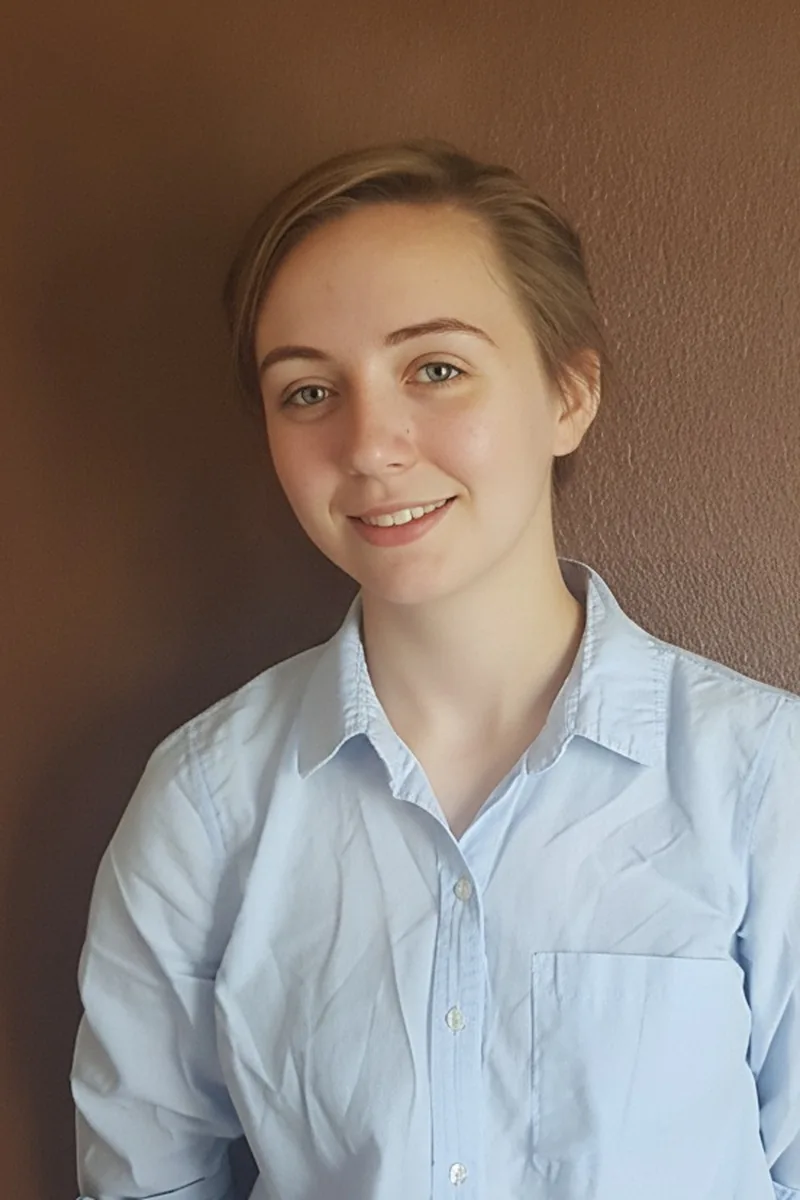
Reading widely and writing constantly since childhood, Meagen turned that love into an English major at Carleton College, where she digs into everything from close reading of poetry to crafting analytical arguments about novels. She's particularly sharp at breaking down how authors use literary devices — tone, imagery, narrative structure — and showing students how to articulate those observations in their own essays. Rated 5.0 by students.
Brown University's open curriculum let Carter range across literary arts, philosophy, and economics — a combination that sharpened his ability to analyze texts from multiple angles. He teaches close reading, thesis development, and essay structure by connecting literature to the broader arguments an author is making, not just summarizing plot. Rated 5.0 by students.
Reading closely and writing persuasively are the two skills Paul's entire academic career has demanded, from analyzing texts in his economics coursework to constructing arguments for law school. He walks students through how to identify an author's purpose, support claims with textual evidence, and revise their own writing until every paragraph earns its place.
Balancing a double focus in Mathematical Economic Analysis and Computer Science with Division I golf, Rishi developed sharp reading and writing habits out of necessity — there's no time to reread a passage three times or draft an essay without a plan. He teaches students to annotate strategically, build clear thesis statements, and structure paragraphs so their arguments hold together from start to finish.
A BFA in English and Drama means John reads literature the way it's meant to be read — as living language with rhythm, argument, and subtext. He teaches students to move from surface-level plot summary to close reading skills like identifying tone shifts, tracking motifs, and building thesis-driven analysis. His background in writing and essay editing makes him especially effective at turning those observations into polished paragraphs.
A PhD from Harvard required thousands of pages of close reading and analytical writing, so Lisanne knows what it takes to move from surface-level comprehension to genuine interpretation of a text. She teaches students to identify an author's argument, trace how evidence supports it, and articulate their own analysis in clear, structured prose — skills that pay off in everything from AP English essays to college applications.
Asha's extensive background in political science and philosophy means she reads everything — essays, novels, arguments — with an eye for how language builds persuasion and meaning. She brings that lens to English tutoring, breaking down thesis construction, close reading, and rhetorical analysis in ways that sharpen both writing and critical thinking. Rated 5.0 by students.
Reading closely and writing persuasively are skills Katelyn sharpened through her psychology coursework, where every research paper demanded precise language and evidence-based arguments. She brings that same rigor to English tutoring, walking students through how to analyze an author's choices — tone, structure, diction — and build essays that do more than summarize a plot.
Teaching ethics at St. Edward's University and philosophy courses at UT Austin means Jessalyn spends her days doing exactly what English demands — constructing careful arguments, dissecting how language shapes meaning, and pushing students to move from fuzzy ideas to precise written claims. Her PhD training in philosophy sharpened a particular skill she brings to English: teaching students how to revise their own thinking on the page, not just fix commas. Rated 5.0 by students.
An avid reader and lifelong writer, Bill approaches English through the connection between reading critically and writing clearly. He digs into thesis development, textual evidence, and paragraph structure, drawing on experience that includes tutoring essay writing and editing for students at every level.
Manpinder's strength in English comes from the analytical side — constructing clear thesis statements, organizing paragraphs around a single claim, and choosing precise language over vague filler. Her graduate training required constant academic writing and reading comprehension across technical and non-technical sources, skills she now applies to everything from essay structure to vocabulary development.
Between her dual master's program and undergraduate work spanning biology, anthropology, and the arts, Anna has written across nearly every academic genre — lab reports, policy briefs, literary analyses, research proposals. She brings that cross-disciplinary range to English tutoring, breaking down thesis construction, paragraph cohesion, and tone so students can write clearly no matter the assignment.
Bridget's background pairs a Spanish degree with a master's in linguistics, giving her an unusually sharp eye for how language shapes meaning in texts. She teaches students to analyze literary devices, develop thesis-driven arguments, and revise their own writing with the kind of structural awareness that comes from studying language at the sentence level.
Reading closely and writing clearly are two sides of the same skill, and Lillian treats them that way — pulling apart an author's argument structure in one session, then applying those same techniques to a student's own essay drafts. Her anthropology and linguistics background at Lewis & Clark means she's especially sharp at teaching students how to build evidence-based claims and choose precise language.
Natalie earned dual degrees in English and Film from Cornell, which means she reads texts on multiple levels — analyzing not just what's on the page but how structure, voice, and rhetorical choices shape meaning. Whether a student is dissecting a novel's narrative arc or tightening their own thesis paragraph, she brings the kind of close-reading instinct that makes both literary analysis and writing click. Rated 5.0 by students.
Literary analysis is about building an argument from a text, and Amy's background in Spanish literature gives her deep practice doing exactly that across genres and centuries. She teaches students to move from surface-level plot summary to crafting thesis-driven essays that engage with tone, symbolism, and authorial intent.
A medical resident who spends every day translating complex clinical information into clear language, Jordan brings that same precision to English — whether it's tightening paragraph structure, untangling grammar rules, or building a persuasive argument in an essay. Coming from a neuroscience and medical background means he treats reading comprehension analytically, teaching students to break down an author's reasoning the way you'd break down a diagnosis. Rated 5.0 by students.
From teaching kindergarteners to read their first words to preparing for a 7-12 English teaching certification at UT Austin, Kathleen has seen the full arc of how students develop as readers and writers. She digs into close reading, thesis construction, and literary analysis — the skills that turn a student who can summarize a text into one who can argue about it.
Between his college essay coaching and his experience teaching middle schoolers through UT Austin's UTeach Outreach program, Howard has logged serious hours breaking down how to read critically and write persuasively. He's especially strong at showing students how to build an argument with textual evidence — a skill that carries from literature analysis to timed essay exams. Holds a 5.0 rating.
Teaching a college writing course at UT Austin and leading discussion sections for an American literature class gave Leah firsthand knowledge of where students stumble — whether it's forming a thesis, integrating textual evidence, or simply getting ideas onto the page in an organized way. Her PhD work in American Studies keeps her immersed in both critical reading and academic writing daily, and she brings that fluency to grammar, essay structure, and literary analysis at every level.
Engineering graduate programs demand clear, precise writing — Jackson spent his Stanford years drafting research papers, literature reviews, and grant proposals where every sentence had to earn its place. He applies that same discipline to English tutoring, teaching students how to build cohesive arguments, tighten their prose, and support claims with well-chosen evidence.
Teaching English across multiple levels — from phonics and reading fundamentals through AP Literature and college-level composition — means Kristina can pinpoint exactly where a student's skills diverge from where they need to be. She digs into the specific gap, whether that's paragraph structure, thesis development, or close reading of a text, rather than running through a generic curriculum.
Between a political science degree, a policy master's in progress, and years of writing analytical essays, China lives inside the skills that English classes demand: building a thesis from textual evidence, structuring arguments across paragraphs, and reading critically enough to catch an author's rhetorical moves. Her 5.0 rating speaks to how well that translates when she's sitting across from a student wrestling with a close-reading assignment.
A physicist who also loves writing, reading, and art, Christina bridges the gap for students who think of English as the opposite of their strengths. She teaches close reading as a systematic skill — annotating for patterns, identifying an author's structural choices, and building interpretations from textual evidence rather than gut feelings.
Having tackled 14 AP courses in high school — including literature and writing-intensive subjects alongside his science load — Gabriel knows how to dissect a passage for tone, argument, and evidence. He approaches English assignments the way he approaches a research problem: identify the question, gather textual support, and build a clear, structured response.
Between his love of reading and writing and a 34 on the ACT, Jerry brings genuine analytical skill to English tutoring — not just surface-level proofreading. He digs into how arguments are built in essays and how authors use structure and diction to shape meaning in literature. Students come away knowing how to articulate their ideas clearly, whether they're writing a literary analysis or a personal narrative.
An avid reader and writer outside the classroom, Alicia approaches English by connecting analytical thinking to literary interpretation — breaking down how authors construct arguments, build narratives, and use language deliberately. Her MIT and UT Austin training in research writing translates directly into teaching students how to craft thesis-driven essays and support claims with textual evidence. Rated 5.0 by students.
Between analyzing philosophical arguments and writing lab reports at UT Austin, Anu has developed a versatile approach to reading and writing that she brings to English tutoring. She digs into close-reading strategies — identifying tone, tracking an author's argument, pulling textual evidence — and then connects those analytical skills directly to essay construction.
Between his rhetoric degree and his love of reading and writing, Duy treats English as a subject where analytical thinking and creativity reinforce each other. He digs into literary analysis by teaching students to identify how an author's choices — structure, diction, point of view — create specific effects, then coaches them to articulate those observations in clear, well-organized essays.
Between his love of reading, writing, and literature, Tim treats English as more than a class to get through — he digs into how authors build arguments and craft narratives. Whether a student is analyzing a novel's themes or structuring a persuasive essay, he walks through the process of turning loose ideas into clear, organized writing.
Between earning National AP Scholar honors and writing extensively as an engineering researcher, Whitney developed a sharp eye for how reading comprehension and clear writing reinforce each other. She tackles English by teaching students to analyze what they read — identifying arguments, tone, and structure — and then apply those same patterns in their own writing.
Between scoring a 1520 SAT, tutoring across literature and essay editing, and writing at the college level in a competitive honors program, Harsh has a practical handle on what strong English skills actually look like in action. He digs into close reading strategies and argument construction, teaching students to move from understanding a text to writing persuasively about it.
Between editing college essays and tutoring literature and ESL students, Jake has developed a practical grasp of how English works from multiple angles — comprehension, composition, and communication. His 5.0 rating speaks to an ability to adapt explanations depending on whether a student is struggling with reading analysis, paragraph structure, or building confidence as a writer.
Steve earned Honors distinction at CU Boulder through a close study of James Joyce, and that same attention to language and structure shapes how he teaches everything from essay organization to literary analysis. Certified in Language Arts in Texas, he digs into thesis development and textual evidence with students, connecting what they read to how they write. Rated 4.5 by students.
Between a creative writing certificate, a psychology degree heavy on analytical writing, and daily shifts at the UT-Austin Writing Center, Kassidi lives inside the English language from multiple angles. She tackles everything from close reading and literary analysis to argument construction, adapting her approach based on whether a student needs help generating ideas or tightening prose. Rated 5.0 by her students.
Ria pairs her engineering mindset with a genuine love of reading and writing to tackle English from a structural angle — breaking down thesis construction, paragraph flow, and grammar mechanics so the logic behind strong writing clicks. Her experience coaching college essays and editing work across subjects means she can pinpoint exactly where a draft loses clarity and show students how to fix it.
Reading comprehension, thesis development, paragraph organization — Laila tackles English skills with the same structured, step-by-step problem-solving mindset she uses in her math coursework. Students who feel lost staring at a blank page or a dense passage benefit from her ability to turn vague instructions like "analyze the text" into a clear, repeatable process.
Rita pairs strong analytical thinking from her economics degree with genuine love for language — she reads and writes fluently in both Mandarin and English, giving her a comparative lens on how arguments and narratives are constructed across cultures. Whether a student is unpacking a passage's rhetorical strategy or tightening up a thesis statement, she breaks the process into concrete, repeatable steps rather than vague advice like "dig deeper."
Ehigbor's premed coursework demanded heavy reading across biology, chemistry, and physics — then translating that technical knowledge into clear, precise written communication. That cross-disciplinary writing habit sharpens how she teaches essay organization, grammar mechanics, and the kind of evidence-based argumentation that shows up in everything from literary analysis to college application essays. Rated 5.0 by students.
Testimonials
Because the right English tutor makes all the difference.
Average Session Rating – Based on 3.4M Learner Ratings
Nearby English Tutors
Other Austin Tutors
Related English Tutors in Austin
Frequently Asked Questions
Students in Austin often struggle with reading comprehension, essay writing organization, and grammar mechanics—especially when balancing multiple assignments across different classes. Many also find it challenging to develop strong analytical skills needed for literary analysis and standardized test preparation. Personalized instruction helps address these specific gaps by focusing on the exact skills each student needs to strengthen.
During the first session, a tutor will assess your current reading and writing level, understand your specific goals (whether that's improving grades, preparing for AP exams, or building confidence), and identify areas where you need the most support. From there, the tutor creates a personalized plan tailored to your learning style and academic needs. This foundation ensures every subsequent session builds directly on what matters most to you.
Tutors are familiar with the standards and expectations across Austin's 24 school districts, including AISD's curriculum frameworks for reading, writing, and literature at each grade level. They can target the specific skills your school emphasizes—whether that's close reading strategies, persuasive writing techniques, or test-taking strategies for state assessments. This alignment means tutoring directly supports what you're learning in class.
A personalized tutor works with you on every stage of writing—from brainstorming and thesis development to drafting, revising, and editing. Rather than classroom instruction that moves at one pace for 25+ students, 1-on-1 instruction lets a tutor identify whether you struggle with organization, clarity, grammar, or argument development, and focus intensively on those areas. Most students see measurable improvement in their writing quality and confidence within a few weeks.
Yes. Tutors teach evidence-based reading strategies, help you annotate texts effectively, and develop the analytical skills needed to interpret themes, character development, and author's purpose. Whether you're reading Shakespeare, contemporary fiction, or nonfiction articles, personalized instruction helps you move beyond surface-level understanding to deeper analysis. This is especially valuable for AP Literature, honors English, and standardized test preparation.
Absolutely. Tutors help students master the specific skills tested on the SAT and ACT reading and writing sections, including vocabulary in context, grammar mechanics, rhetorical analysis, and time management strategies. They can target your weak areas—whether that's identifying main ideas quickly or understanding complex grammatical structures—and provide practice with real test questions. Many students improve their reading and writing scores significantly with focused, personalized test prep.
Tutors support students from elementary writing and reading foundations through high school honors and AP English courses, including AP Literature, AP Language, and AP Seminar. They also work with students preparing for college-level writing. Whether you're building basic grammar skills, developing critical thinking, or mastering advanced literary analysis, there's a tutor experienced with your specific grade level and course.
In a classroom of 20-30 students, teachers address broad standards at one pace, which means struggling students may fall behind and advanced students may not be challenged enough. Personalized tutoring adapts in real-time to your learning style, pace, and specific goals. A tutor can spend extra time on essay structure if that's your weakness, or accelerate through concepts you've mastered, creating a learning experience designed entirely around your success.
Let’s find your perfect tutor
Answer a few quick questions. We’ll recommend the right plan and match you with a top 5% tutor.