Award-Winning Literature Tutors
serving Irving, TX
Literature
Tutors in Irving
Private 1-on-1 tutoring, weekly live classes for academic support, test prep & enrichment, practice tests and diagnostics, and more to elevate grades and test scores.
Based on 3.4M Learner Ratings
UniversitiesSchools & Universities
DeliveredHours Delivered
ProficiencyGrowth in Proficiency
Who needs tutoring?
No obligation. Takes ~1 minute.

An analytical mindset can be a real asset in literature, where the goal is to build an argument about a text rather than just summarize it. Anshu approaches literary analysis the way he'd approach an engineering problem: identify what's actually happening in the passage, isolate the author's techniques, and construct a clear, evidence-backed interpretation.
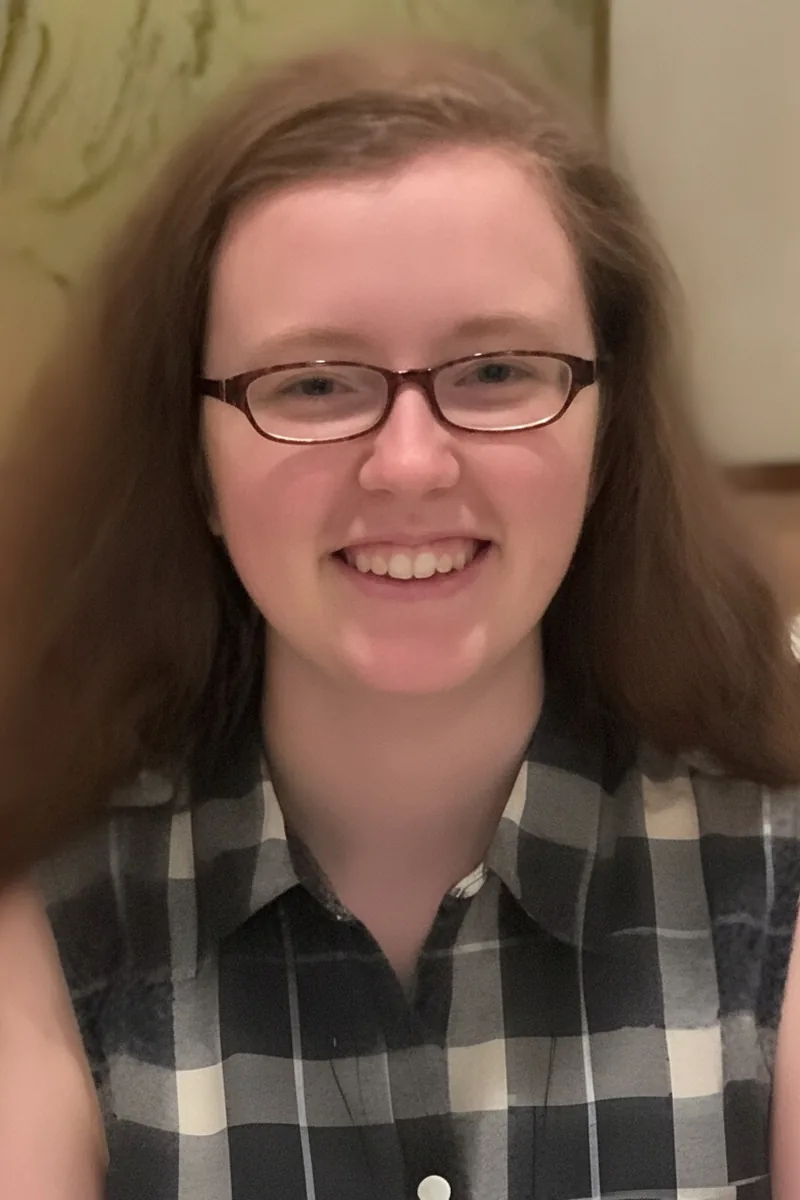
Reading a novel for class and actually analyzing it are two very different skills. Amanda teaches students to dig into literary devices like symbolism, narrative perspective, and thematic development by asking pointed questions about the text rather than handing over pre-packaged interpretations. Her analytical mindset from studying computer science gives her a structured approach to close reading that resonates with students who think they're "just not English people."
Reading literature through the lens of psychology gives Jaishri an unusual edge when it comes to character analysis, unreliable narrators, and thematic interpretation. She teaches students to build arguments about a text by grounding claims in specific passages rather than vague impressions, a skill that transfers directly to timed essays and class discussions.
Studying French language and literature at the University of Dallas means Alison spends her days doing close reading across literary traditions — analyzing narrative structure, symbolism, and authorial intent in both English and French texts. She brings that comparative lens to literature tutoring, teaching students how to build an argument about a text rather than just summarize its plot.
Reading literature is one thing; knowing how to argue about it is another. Mary's English Literature coursework at the University of Dallas has immersed her in close reading across genres — from Renaissance poetry to modernist fiction — and she teaches students to build interpretive claims grounded in textual evidence rather than surface-level summary.
An avid reader outside of his engineering career, Corbin brings genuine curiosity to literary analysis — whether a student is unpacking symbolism in a novel or tracing a character's arc through a short story. He teaches close-reading techniques like annotating for tone shifts and identifying narrative structure, skills that translate directly into stronger essays and class discussions.
Literary analysis asks students to do something uncomfortable: slow down and argue about why an author made a specific choice. Michelle approaches texts by teaching close reading techniques — examining diction, imagery, and narrative structure — and then building those observations into a defensible thesis. Her analytical training in the sciences translates surprisingly well to dissecting a poem or novel.
Cognitive science trains you to ask how people construct meaning from text — why an unreliable narrator changes interpretation, or how metaphor works at a neurological level. Sugi brings that analytical lens to literature, teaching students to build arguments about theme, structure, and authorial intent rather than just summarizing plot. Rated 5.0 by her students.
An engineering student might seem like an unlikely literature tutor, but Bidyut's dual focus on technical and humanistic thinking gives him a sharp eye for argument construction and textual evidence. He approaches novels, poems, and plays as puzzles — teaching students to trace motifs, unpack authorial intent, and build interpretive claims that hold up on paper.
A dual background in economics and molecular biology gives Maggie an unusual lens for literary analysis — she's practiced at reading texts for argument, evidence, and subtext across very different disciplines. She teaches students to move beyond plot summary and build interpretive claims grounded in close reading of language, imagery, and narrative structure.
An avid reader and writer studying at Northwestern, Mackenzie approaches literature by teaching students to dig into how authors use structure, imagery, and narrative voice to build meaning. She connects texts across genres and time periods so that close reading feels like detective work rather than a chore.
An avid reader and writer studying at Stanford, Jake approaches literature by teaching students to trace themes and motifs across a text rather than summarizing plot. He breaks down close-reading techniques — analyzing diction, tone, and narrative structure — so students can build arguments that hold up in class discussion and on essays. Rated 5.0 by students.
Reading literature analytically is a skill Jonathan sharpened across his Cornell coursework, where even science seminars demanded close reading and argument construction. He teaches students to move past plot summary and into the mechanics of a text — how an author uses imagery, point of view, or narrative structure to build meaning — so their interpretations hold up under scrutiny.
Elena's art history background gives her a distinctive angle on literature — she reads novels and poetry the way she reads paintings, attending to composition, context, and the choices an artist makes to produce meaning. Whether a student is tackling Shakespearean drama or a contemporary novel, she connects themes to their historical moment so the text stops feeling like homework and starts making sense.
Reading a novel is one thing; unpacking how an author uses symbolism, narrative structure, or unreliable narration to build meaning is another skill entirely. As an English major at Carleton College who devours books in her free time, Meagen teaches students to read with analytical precision — identifying literary devices and constructing interpretations they can defend with textual evidence.
Paul approaches literary analysis the way a lawyer builds a case: every claim about a text needs evidence, and every piece of evidence needs interpretation. His background in economics also gives him an unusual lens for discussing themes like class, power, and social mobility in novels and poetry. Students leave sessions knowing how to construct a reading that's genuinely their own.
Reading literature closely means learning to ask why an author made a specific choice — why Fitzgerald uses the green light, why Morrison fractures her timelines. William approaches literary analysis with the same logical precision he brings to his math and CS coursework at Rice, breaking arguments about theme and structure into claims that can be supported with textual evidence.
Alexander's double-major coursework at Rice means he reads across disciplines, bringing an analytical lens to literary texts that goes beyond surface-level plot summary. He teaches students to build arguments around specific textual evidence — examining how an author's word choice, structure, or imagery creates meaning. That skill translates directly to stronger essays and more confident class discussions.
A Comparative Literature degree means Chloe learned to read across traditions — tracing how a Gothic novel borrows from Romantic poetry, or how a postcolonial text rewrites a canonical one. She teaches close reading as an active skill, showing students how to pull apart imagery, narrative structure, and voice to build arguments that go beyond surface-level summary. Rated 5.0 by students.
A science major who reads voraciously, Aadith brings an analytical edge to literary analysis — breaking down how authors construct arguments through imagery, structure, and narrative voice. He teaches students to move from surface-level summaries to thesis-driven close readings that hold up under scrutiny.
Reading a novel or poem closely means asking why an author made specific choices — why Fitzgerald uses color the way he does, or what a shift in narrative voice signals about a character's reliability. Tegan approaches literature through that lens of intentional craft, teaching students to build interpretive arguments grounded in textual evidence rather than surface-level summaries.
Studying literary arts and philosophy at Brown gave Carter a toolkit for close reading that goes beyond plot summary — he digs into how narrative voice, figurative language, and structural choices shape meaning. Whether the text is a Victorian novel or a contemporary short story, he teaches students to build interpretive arguments grounded in textual evidence.
Reading a novel and analyzing a novel are completely different skills — Vy teaches students to identify literary devices like motif, unreliable narration, and symbolic imagery, then connect those observations to a coherent interpretation. Her love of reading and her Vanderbilt coursework in cognition give her a unique lens on how people construct meaning from texts.
Reading literature well means doing more than summarizing plot — it means tracing how an author uses imagery, narrative structure, or point of view to build meaning. Sajel's coursework in social policy analysis at Rice sharpens the kind of close-reading and argument-building skills that transfer directly to literary analysis. She teaches students to move from observation to interpretation with textual evidence backing every claim.
Reading a novel for class and actually analyzing it are two different skills. Jessy approaches literary analysis by teaching students to trace motifs, unpack symbolism, and build arguments about authorial intent using specific textual evidence. Her background in writing and her love of books make close reading feel less like a chore and more like detective work.
Reading a novel for class and actually analyzing it are two very different skills — one requires attention, the other requires a framework. Patricia teaches students to identify how literary devices like symbolism, unreliable narration, and structural choices shape meaning, then turn those observations into arguments. Her own writing background means she can also coach the analytical essay side, from thesis construction to textual evidence.
Reading literature well means doing more than summarizing plot — it means noticing how an author's diction, structure, or point of view shapes meaning. Aditi unpacks texts by teaching students to trace motifs and analyze passages closely, building the kind of interpretive skills that translate directly into stronger class discussions and essays.
Cognitive science trains you to read texts the way a researcher reads data — looking for structure, argument, and the assumptions hiding beneath the surface. Adam applies that analytical lens to literature, teaching students to dissect narrative voice, symbolism, and thematic development in everything from short stories to full novels. His Rice education emphasized close reading across disciplines, which translates directly into stronger literary analysis.
As a student athlete balancing a demanding course load at Rice University, Rishi knows how to read efficiently and extract what matters from a text — a skill that translates well to literary analysis, where the goal is identifying how specific choices in language or structure carry meaning rather than just retelling the story. He teaches students to pin down a theme or motif early, then build a focused argument around concrete textual details that hold up under scrutiny.
I am an Atlanta native. I hold an undergraduate degree in Business from Tennessee State University and graduated degree in Education from Cambridge College. I am a Georgia and Texas certified teacher. I have always enjoyed working with kids. I have taught kindergarten, first, second and fourth grade. I am a hard-worker, team player and passionate about my students succeeding in whatever they set their minds too. I currently hold endorsements in K-5 Mathematics, Teacher Support Specialist, and ESOL (English for Speakers of Other Languages). I am able to provide instruction that meets the needs of all students. I have the ability to differentiate instruction so that I cater to all learning styles and levels.
Analyzing literature means building an argument about a text, not just summarizing what happened. Sakibul approaches poems, novels, and plays by teaching students to identify literary devices — symbolism, tone shifts, unreliable narration — and connect those observations into a coherent interpretation they can defend in essays or class discussion.
Analyzing literature requires building an argument from textual evidence, not just summarizing plot. Zhengdong's training in philosophy sharpens his approach to close reading — he teaches students to identify rhetorical strategies, trace thematic development, and construct interpretive claims that hold up under scrutiny.
Reading a poem or novel closely means noticing what an author chose not to say as much as what's on the page. Iselee approaches literary analysis by teaching students to track motifs, narrative perspective shifts, and figurative language across a full text — then build interpretive arguments grounded in specific textual evidence. Her own life as a visual artist gives her a sharp eye for symbolism and imagery.
A computational math major might seem like an unlikely literature tutor, but Vinson's analytical training at Rice sharpens the exact skills literary analysis demands: breaking down an author's argument, identifying structural patterns, and building an interpretation from textual evidence. He brings that precision to close reading and essay writing alike.
Reading a novel for class and actually analyzing it are two different skills, and the gap usually shows up when students try to write about theme or symbolism. Liz teaches close-reading techniques — tracking motifs, examining narrative voice, pulling apart a single passage for layers of meaning — that give students concrete evidence to build arguments around.
Reading literature in both English and Spanish — from novels to poetry to film — taught Sanjay to analyze texts across cultural contexts and pick apart themes, symbolism, and narrative structure. He approaches literary analysis as argument-building: identifying a specific claim about a text and marshaling evidence from the language on the page to support it.
Close reading is where literature clicks — noticing how a shift in narrative voice or a recurring image reshapes the meaning of an entire text. Kenan's background in AP English Literature and his analytical training in economics give him a sharp eye for argument and structure in everything from Shakespeare to Toni Morrison.
From Beowulf to Beloved, Craig's doctoral training in English covers medieval, American, British, comparative, and world literature — an unusually wide range for a single tutor. He teaches students to move beyond plot summary and into close reading: analyzing imagery, tracking narrative structure, and building interpretive arguments grounded in the text itself.
The IB program exposed Kinjal to literature from across the globe — postcolonial novels, philosophical essays, poetry traditions outside the Western canon — and she learned to analyze texts through multiple cultural lenses. That breadth shows up in how she teaches close reading, thesis construction, and literary analysis, whether the text is Beloved or The Stranger. Rated 5.0 by students.
One of Emily's proudest moments was watching an elementary student fall in love with classical literature — proof that even young readers can engage with complex texts when someone connects the story to what matters to them. Her master's in Ancient History and undergraduate Greek focus mean she's deeply read across literary periods, from Homer to modern fiction, and she teaches students to analyze theme, character motivation, and authorial craft rather than just summarize plot.
Testimonials
Because the right Literature tutor makes all the difference.
Average Session Rating – Based on 3.4M Learner Ratings
Nearby Literature Tutors
Other Irving Tutors
Related English Tutors in Irving
Frequently Asked Questions
Varsity Tutors matches Irving students with expert Literature tutors for 1-on-1 instruction. We pair each student with a tutor based on their specific needs, learning style, and goals.
Whether you need homework help, exam prep, or want to get ahead, our Literature tutors are ready to help.
Common challenges include gaps from earlier material, difficulty with specific concepts, and trouble applying learning to new problems. These issues can snowball quickly in Literature.
A tutor identifies where you're stuck, fills in gaps, and provides targeted practice. The 1-on-1 format means you get help exactly where you need it.
Tutors work with your student's actual coursework—homework assignments, class notes, and upcoming tests. This keeps tutoring directly relevant to what's happening in the classroom.
When you share information about your student's school and curriculum, we can match you with a tutor who has relevant experience.
All tutors complete background checks, credential verification, and teaching evaluation. Many of our Literature tutors hold advanced degrees or have years of teaching experience.
You can review tutor profiles to find someone with the right background for your student's level and needs.
Many students see improved grades within a few weeks, along with better understanding of Literature concepts and more confidence tackling challenging material.
Tutors track progress and adjust their approach to ensure continued improvement.
Most students benefit from 1-2 sessions per week. More frequent sessions help if your student is significantly behind or has an important exam coming up.
Your tutor can recommend a schedule based on your student's specific situation and goals.
Tutoring is purchased in packages of hours, with rates varying by tutor experience. Varsity Tutors offers several options to fit different budgets and needs.
You can discuss pricing during your consultation to find what works best.
Your tutor will assess where your student is, discuss goals, and start working on priority areas. Most students bring current homework or upcoming test material to focus on.
By the end, you'll have a clear sense of how the tutor can help and a plan for moving forward.
Let’s find your perfect tutor
Answer a few quick questions. We’ll recommend the right plan and match you with a top 5% tutor.