Award-Winning Literature Tutors
serving Austin, TX
Literature
Tutors in Austin
Private 1-on-1 tutoring, weekly live classes for academic support, test prep & enrichment, practice tests and diagnostics, and more to elevate grades and test scores.
Based on 3.4M Learner Ratings
UniversitiesSchools & Universities
DeliveredHours Delivered
ProficiencyGrowth in Proficiency
Who needs tutoring?
No obligation. Takes ~1 minute.
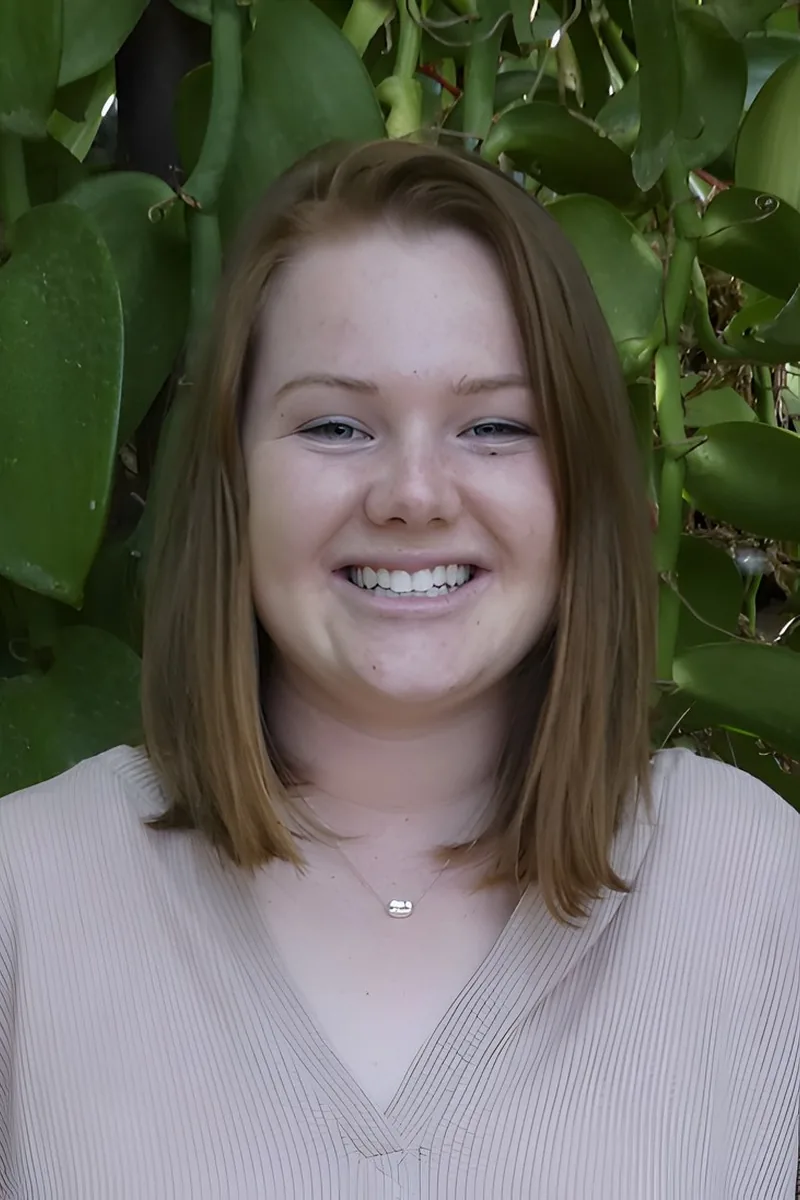
An avid reader and writer studying at Northwestern, Mackenzie approaches literature by teaching students to dig into how authors use structure, imagery, and narrative voice to build meaning. She connects texts across genres and time periods so that close reading feels like detective work rather than a chore.
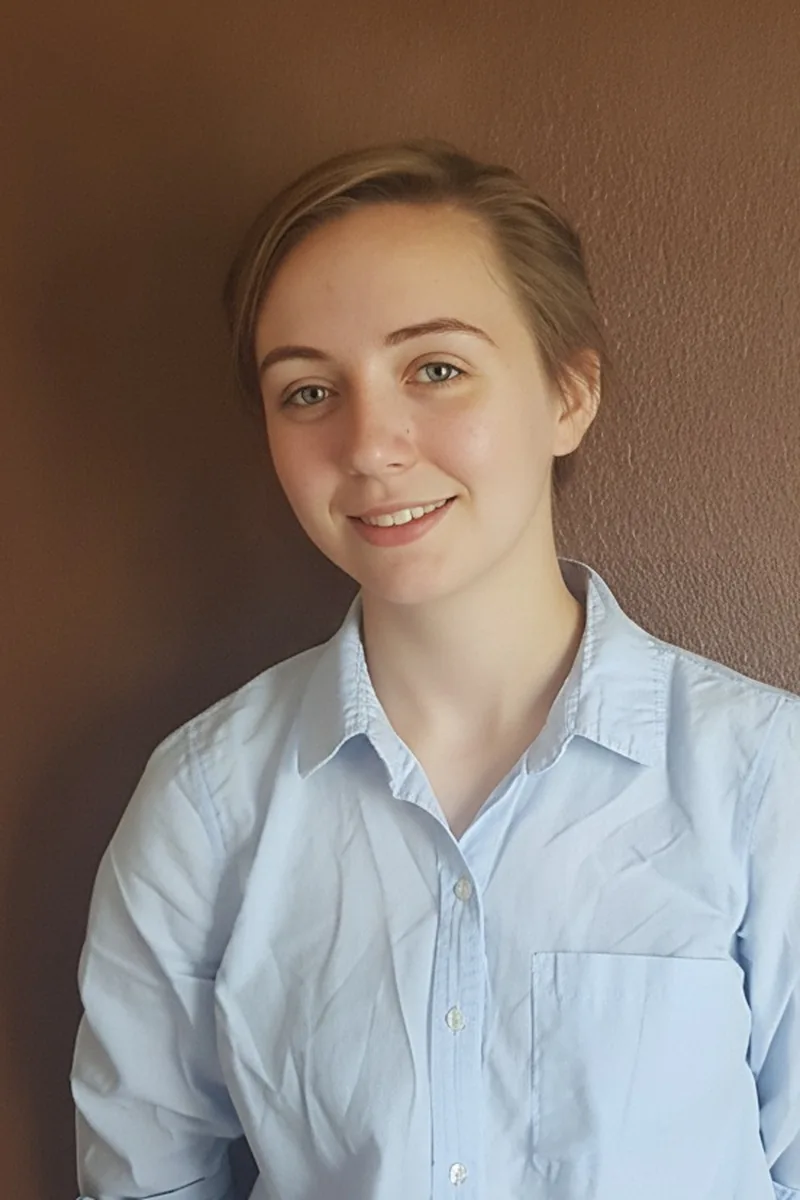
Reading a novel is one thing; unpacking how an author uses symbolism, narrative structure, or unreliable narration to build meaning is another skill entirely. As an English major at Carleton College who devours books in her free time, Meagen teaches students to read with analytical precision — identifying literary devices and constructing interpretations they can defend with textual evidence.
As a student athlete balancing a demanding course load at Rice University, Rishi knows how to read efficiently and extract what matters from a text — a skill that translates well to literary analysis, where the goal is identifying how specific choices in language or structure carry meaning rather than just retelling the story. He teaches students to pin down a theme or motif early, then build a focused argument around concrete textual details that hold up under scrutiny.
Paul approaches literary analysis the way a lawyer builds a case: every claim about a text needs evidence, and every piece of evidence needs interpretation. His background in economics also gives him an unusual lens for discussing themes like class, power, and social mobility in novels and poetry. Students leave sessions knowing how to construct a reading that's genuinely their own.
Studying literary arts and philosophy at Brown gave Carter a toolkit for close reading that goes beyond plot summary — he digs into how narrative voice, figurative language, and structural choices shape meaning. Whether the text is a Victorian novel or a contemporary short story, he teaches students to build interpretive arguments grounded in textual evidence.
Reading literature closely means doing more than summarizing plot — it means unpacking how an author uses imagery, narrative structure, and voice to build meaning. Lisanne's interdisciplinary PhD in Black Studies and Social Anthropology trained her to analyze texts across cultural contexts, a skill she brings to everything from Shakespeare to Toni Morrison.
A BFA in English and Drama trained John to read literature the way a playwright reads a script — dissecting character motivation, symbolic structure, and the choices an author makes at the sentence level. He teaches students to build literary arguments that go beyond plot summary, connecting textual evidence to thematic claims in essays on poetry, novels, and drama. Rated 4.9 by students.
A PhD in political science means Asha has spent years doing exactly what literature courses demand — close reading dense texts, tracing arguments across chapters, and writing analytical essays under pressure. She teaches students to identify how an author's choices in structure, imagery, and point of view build meaning, then translate that analysis into clear, well-supported writing.
Reading literature well means noticing what an author is doing with structure, imagery, and point of view — not just summarizing what happens. Katelyn approaches texts by teaching students to ask analytical questions about character motivation and thematic development, drawing on her psychology background to unpack why characters behave the way they do.
An avid lifelong reader with a deep love of books, Bill approaches literature by teaching students to dig into how an author constructs an argument or mood — examining narrative voice, symbolism, and structure rather than just summarizing plot. His writing background sharpens the analytical reading skills that strong literary essays demand.
Reading a novel closely means asking what the text is doing, not just what it's about — tracking symbolism, unreliable narrators, shifts in tone. Lillian's anthropology degree trained her to analyze cultural texts with precision, a skill she brings directly to literary analysis across genres and time periods.
Studying English and Film at Cornell trained Natalie to read literature through multiple lenses — narrative structure, historical context, figurative language, even cinematic influence on modern fiction. She teaches students to build interpretive arguments grounded in textual evidence, whether they're analyzing a Shakespeare soliloquy or a Toni Morrison novel.
Anna approaches literature by teaching students to read like writers — noticing how an author builds tension through pacing, or why a shift in point of view changes the meaning of an entire chapter. Her interdisciplinary background in biology, anthropology, and social work gives her an unusual lens for analyzing texts that deal with identity, ethics, and human behavior. That cross-disciplinary perspective makes close reading feel less like guesswork and more like investigation.
Five years of teaching chemistry taught Manpinder something unexpected: the ability to explain abstract concepts clearly translates directly into unpacking a poem's figurative language or a novel's layered themes. Her graduate work demanded constant close reading of dense research papers, sharpening the same interpretive skills students need when analyzing how an author's choices in imagery or narrative voice create meaning. She brings that analytical rigor to essay writing, teaching students to anchor every interpretive claim in specific textual evidence.
Reading literature across two languages changes how you see a text — Amy's background in Spanish Literature means she can teach students to analyze narrative voice, symbolism, and thematic development with the kind of close-reading rigor that a bilingual literary education demands. She digs into how authors make choices at the sentence level and what those choices do to meaning.
Reading literature well means doing more than identifying themes on a checklist — it means unpacking how an author's choices in structure, diction, and point of view create meaning. Jessalyn currently teaches ethics at St. Edward's University, where close textual analysis is central to every class session. She brings that same rigor to poetry, novels, and drama, whether the text is Shakespeare or Toni Morrison.
Bridget reads literature the way a linguist does — attentive to how word choice, syntax, and narrative voice shape meaning beyond the surface plot. Her background in both English and Spanish-language texts gives her a comparative lens that enriches close reading, theme analysis, and literary argumentation.
Reading literature well means learning to ask why an author made specific choices — why Fitzgerald uses the green light, why Shelley frames her novel inside three narrators. Jordan brings an analytical mindset sharpened by years of scientific training, which turns out to be surprisingly useful for close reading and building interpretive arguments from textual evidence.
An engineer who reads widely might sound unusual, but Howard's analytical training gives him a sharp eye for how authors construct arguments through literary devices — symbolism, narrative structure, unreliable narration. He teaches students to move from vague impressions of a text to precise, evidence-backed claims, which is exactly what literature essays and class discussions demand.
Kathleen studied English literature at Hamilton College, where she spent four years digging into everything from Victorian novels to postcolonial theory. She teaches students to read beyond plot — examining how an author's structural choices, imagery, and narrative voice create meaning. That analytical lens turns a vague "I liked the symbolism" into a precise, arguable interpretation.
Reading literature well means learning to ask questions a text doesn't answer directly — what a narrator's silence reveals, why a metaphor recurs, how historical context reshapes a story's meaning. Leah taught American literature discussion sections at UT Austin and holds graduate degrees steeped in literary and cultural analysis from Carnegie Mellon and UT. She unpacks texts with students in a way that builds genuine interpretive skill, not just plot recall.
While engineering is Jackson's primary field, analyzing dense technical papers and constructing written arguments were central to his Stanford graduate work. He applies that same close-reading discipline to literature — teaching students to pull apart an author's choices around structure, imagery, and tone and build a thesis that goes beyond surface-level summary.
Reading literature well means asking better questions — not just "what happened" but "why does the author reveal this detail here, in this way?" Kristina's contemporary studies degree trained her to analyze texts across genres and time periods, and she brings that same analytical lens to everything from Shakespeare to Toni Morrison. She teaches students to build interpretations they can defend with textual evidence.
Reading widely across genres herself, Christina approaches literature by teaching students to trace how an author builds meaning through recurring images, structural choices, and shifts in voice. She's particularly effective at showing how to move from a surface-level observation about a text to a thesis that actually argues something worth defending.
Reading literature closely means learning to ask better questions — not just what a character did, but what the author gains by structuring a scene a particular way. China's political science background trained her to dissect arguments and rhetoric, skills she applies to literary analysis by teaching students to trace themes, identify narrative choices, and build interpretive claims grounded in textual evidence.
An avid reader outside the lab, Whitney approaches literature by teaching students to trace how an author builds meaning through structure, imagery, and recurring motifs rather than just summarizing plot. She's particularly sharp at close reading — pulling apart a passage line by line to uncover argument and tone. That analytical rigor, honed through engineering and writing alike, translates well to essay-based literary analysis.
Analyzing literature requires the same close-reading discipline Gabriel developed dissecting research papers in his biochemistry program — pulling apart a text to figure out how each piece contributes to the whole. He brings that analytical rigor to poetry, novels, and short fiction, teaching students to build interpretive claims grounded in specific textual evidence rather than vague impressions.
Reading a novel and analyzing a novel are two different skills, and Duy's rhetoric background makes him especially sharp at the second. He breaks down how to build a literary argument — moving from close reading of imagery, syntax, or narrative structure into a thesis that actually says something. Students walk away knowing how to write about literature, not just summarize it.
An avid reader himself, Tim digs into literary analysis by teaching students to trace how specific devices — symbolism, narrative structure, shifts in point of view — build meaning across a text. Rather than handing students an interpretation, he asks the kinds of questions that make them see the argument a passage is making on its own terms. That approach turns close reading from a guessing game into a repeatable skill.
Reading a novel for class and actually analyzing it are two different skills, and the gap between them is where most students lose points. Harsh approaches literary analysis by teaching students to track patterns — recurring imagery, shifts in tone, narrative structure — and turn those observations into arguments. His science background gives him an unusually methodical eye for close reading, treating a passage like data that needs interpretation.
An avid reader and writer outside the classroom, Alicia approaches literary analysis the way an architect reads a building: by examining how structure, detail, and intent work together to create meaning. She teaches students to move from surface-level summary into close reading — unpacking symbolism, narrative technique, and authorial choices with evidence-driven arguments.
An avid reader outside of his computer science coursework, Jerry approaches literature by teaching students to read like writers — noticing how an author uses structure, imagery, or point of view to build meaning. He's particularly effective at showing students how to move from a surface-level plot summary to a real analytical argument about a text.
Reading literature alongside philosophy at UT Austin has trained Anu to dig into texts on multiple levels — identifying narrative structure, unpacking symbolism, and tracing how an author's choices shape meaning. She teaches students to move from surface-level plot summary to crafting interpretive arguments supported by textual evidence.
Jake approaches literature the way an engineer approaches a system: by asking what each piece is doing and why. That analytical lens turns intimidating texts into something students can break apart — identifying themes, tracing character development, and building interpretations backed by specific textual evidence.
Reading a novel closely means learning to track symbolism, narrative voice, and how an author builds theme across chapters — not just summarizing plot. Ehigbor's background as a writer and avid reader gives her a sharp eye for literary analysis, and she teaches students to build interpretive arguments grounded in textual evidence.
An avid reader and writer outside the classroom, Ria approaches literature by teaching students to dig into a text's structure — how an author builds theme through imagery, dialogue, and narrative perspective. She's particularly sharp at showing students how to move from a surface-level summary to a thesis-driven analysis.
A math major who loves literature might sound unusual, but Laila approaches close reading the same way she approaches proofs — breaking an argument into its components and asking what each piece does. She's especially effective at teaching students to trace themes across a text and build interpretive claims with specific textual evidence.
Reading literature well means learning to ask better questions of a text — why does this narrator contradict herself, what's the effect of that recurring image, how does structure shape meaning. Rita approaches literary analysis with the same rigor she brought to interpreting data in economics, teaching students to build arguments from textual evidence rather than gut reactions.
Computational engineering at UT Austin means Atharva spends most of his time in math and code, but his college essay and essay editing work shows he knows how to read closely and argue persuasively on the page. He teaches literature students to zero in on how an author's specific choices — a shift in tense, a repeated image, an unexpected silence — build toward a larger meaning, then organize those observations into essays with real interpretive stakes.
Kassidi's creative writing certificate and psychology major give her a unique lens on literature — she reads for both craft and human motivation, whether analyzing symbolism in a novel or tracing a character's arc through a short story. She teaches students to build arguments about texts by grounding claims in specific passages and literary techniques.
Testimonials
Because the right Literature tutor makes all the difference.
Average Session Rating – Based on 3.4M Learner Ratings
Nearby Literature Tutors
Other Austin Tutors
Related English Tutors in Austin
Frequently Asked Questions
Literature tutoring covers reading comprehension, literary analysis, essay writing, and exam preparation across classic and contemporary texts. Tutors work with students on understanding themes, character development, symbolism, and how to construct well-supported arguments about literature. Whether you're studying Shakespeare, modern novels, or preparing for AP Literature, personalized instruction helps you develop critical thinking skills and strengthen your analytical writing.
A tutor provides personalized feedback on your thesis development, argument structure, and evidence selection—helping you move beyond plot summary to genuine analysis. They guide you through the revision process, showing you how to strengthen your claims with specific textual support and develop a distinct analytical voice. This one-on-one approach accelerates improvement in ways that classroom instruction alone often can't match.
Many students find dense literary texts challenging, but personalized instruction can break this down into manageable steps. Tutors help you develop active reading strategies, identify key themes and symbols, and build confidence with difficult material. With targeted practice and individualized pacing, you'll develop stronger comprehension skills and actually enjoy the reading process more.
Yes—AP Literature tutors specialize in the specific skills the exam requires: close reading, rapid text analysis, and timed essay writing under pressure. Tutors work with you on multiple-choice strategies, free-response essay structure, and how to develop sophisticated arguments about unfamiliar texts. With personalized practice and feedback, you'll build the confidence and skills needed to perform well on test day.
Varsity Tutors connects you with expert tutors in the Austin area who have strong backgrounds in literature and proven teaching experience. You can specify your needs—whether it's help with a specific text, essay writing, or exam prep—and get matched with someone who fits your goals and learning style. The process is straightforward, and you'll work with a tutor who understands your specific challenges.
Your first session is typically focused on getting to know you and understanding your specific needs. The tutor will ask about the texts you're reading, your writing challenges, upcoming assignments or exams, and your learning style. From there, you'll develop a personalized plan together—whether that's tackling a difficult novel, strengthening essay skills, or preparing for a test—so you make the most of your time together.
Expert tutors support you throughout the entire writing process—from brainstorming and thesis development through drafting, revision, and final editing. They help you overcome writer's block, organize your ideas logically, develop strong arguments, and refine your voice. This comprehensive approach means you're not just getting corrections; you're learning the skills to become a stronger writer overall.
One-on-one instruction allows tutors to identify exactly where you're struggling—whether it's analyzing symbolism, structuring arguments, or managing test anxiety—and address those specific gaps. With personalized feedback on your writing and targeted practice on weak areas, you develop deeper understanding and stronger skills faster than in a classroom setting. Many students see measurable improvements in essay grades and test scores within a few weeks of consistent tutoring.
Let’s find your perfect tutor
Answer a few quick questions. We’ll recommend the right plan and match you with a top 5% tutor.