Award-Winning Literature Tutors
serving Houston, TX
Literature
Tutors in Houston
Private 1-on-1 tutoring, weekly live classes for academic support, test prep & enrichment, practice tests and diagnostics, and more to elevate grades and test scores.
Based on 3.4M Learner Ratings
UniversitiesSchools & Universities
DeliveredHours Delivered
ProficiencyGrowth in Proficiency
Who needs tutoring?
No obligation. Takes ~1 minute.
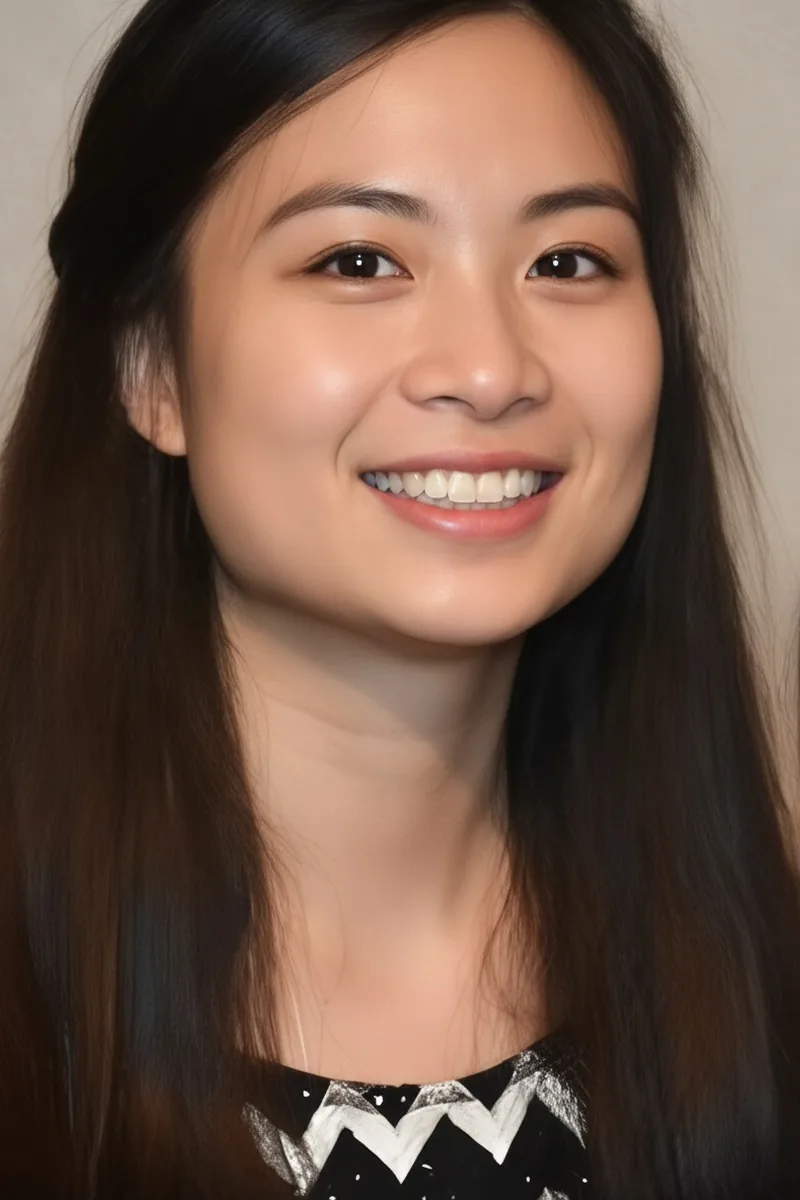
Literary analysis asks students to do something uncomfortable: slow down and argue about why an author made a specific choice. Michelle approaches texts by teaching close reading techniques — examining diction, imagery, and narrative structure — and then building those observations into a defensible thesis. Her analytical training in the sciences translates surprisingly well to dissecting a poem or novel.
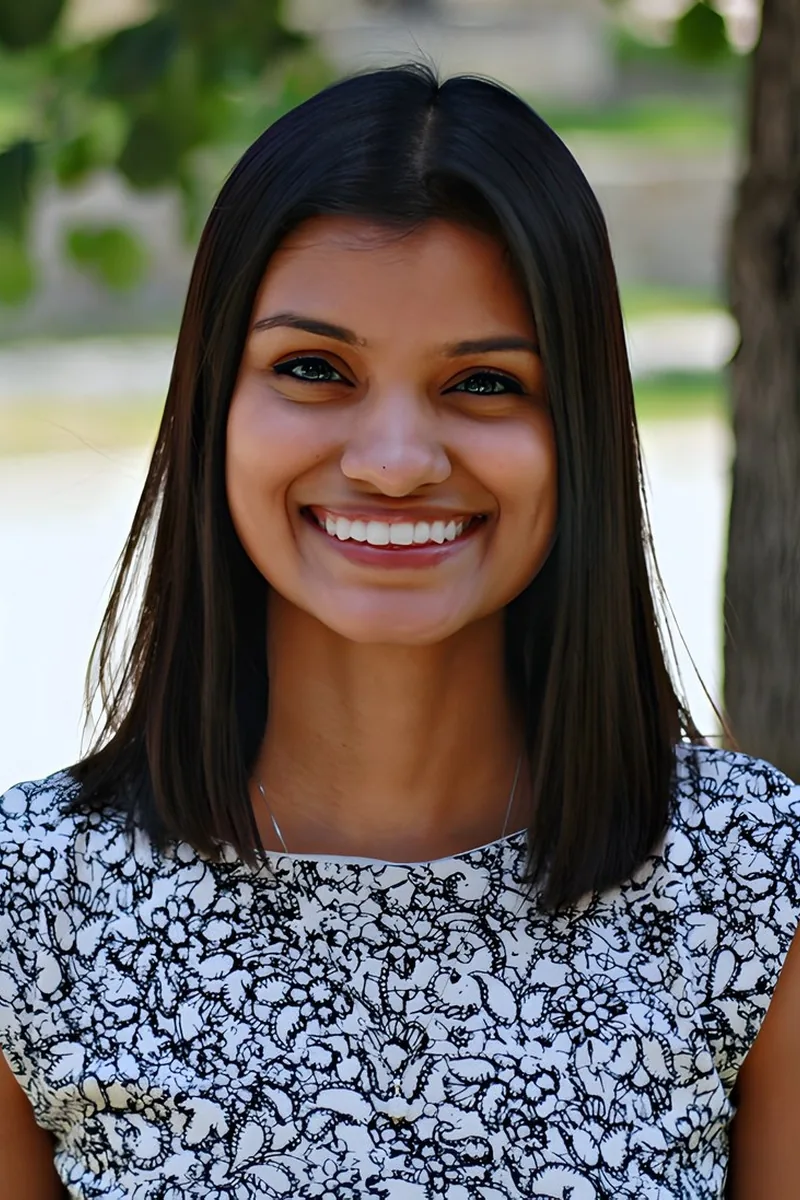
Cognitive science trains you to ask how people construct meaning from text — why an unreliable narrator changes interpretation, or how metaphor works at a neurological level. Sugi brings that analytical lens to literature, teaching students to build arguments about theme, structure, and authorial intent rather than just summarizing plot. Rated 5.0 by her students.
Elena's art history background gives her a distinctive angle on literature — she reads novels and poetry the way she reads paintings, attending to composition, context, and the choices an artist makes to produce meaning. Whether a student is tackling Shakespearean drama or a contemporary novel, she connects themes to their historical moment so the text stops feeling like homework and starts making sense.
Reading literature well means doing more than summarizing plot — it means tracing how an author uses imagery, narrative structure, or point of view to build meaning. Sajel's coursework in social policy analysis at Rice sharpens the kind of close-reading and argument-building skills that transfer directly to literary analysis. She teaches students to move from observation to interpretation with textual evidence backing every claim.
A science major who reads voraciously, Aadith brings an analytical edge to literary analysis — breaking down how authors construct arguments through imagery, structure, and narrative voice. He teaches students to move from surface-level summaries to thesis-driven close readings that hold up under scrutiny.
Cognitive science trains you to read texts the way a researcher reads data — looking for structure, argument, and the assumptions hiding beneath the surface. Adam applies that analytical lens to literature, teaching students to dissect narrative voice, symbolism, and thematic development in everything from short stories to full novels. His Rice education emphasized close reading across disciplines, which translates directly into stronger literary analysis.
Reading literature closely means learning to ask why an author made a specific choice — why Fitzgerald uses the green light, why Morrison fractures her timelines. William approaches literary analysis with the same logical precision he brings to his math and CS coursework at Rice, breaking arguments about theme and structure into claims that can be supported with textual evidence.
Alexander's double-major coursework at Rice means he reads across disciplines, bringing an analytical lens to literary texts that goes beyond surface-level plot summary. He teaches students to build arguments around specific textual evidence — examining how an author's word choice, structure, or imagery creates meaning. That skill translates directly to stronger essays and more confident class discussions.
Reading a novel for class and actually analyzing it are two different skills. Jessy approaches literary analysis by teaching students to trace motifs, unpack symbolism, and build arguments about authorial intent using specific textual evidence. Her background in writing and her love of books make close reading feel less like a chore and more like detective work.
A computational math major might seem like an unlikely literature tutor, but Vinson's analytical training at Rice sharpens the exact skills literary analysis demands: breaking down an author's argument, identifying structural patterns, and building an interpretation from textual evidence. He brings that precision to close reading and essay writing alike.
Reading a novel for class and actually analyzing it are two different skills, and the gap usually shows up when students try to write about theme or symbolism. Liz teaches close-reading techniques — tracking motifs, examining narrative voice, pulling apart a single passage for layers of meaning — that give students concrete evidence to build arguments around.
Analyzing literature requires reading like a detective — tracking symbols, unreliable narrators, and structural choices an author made deliberately. Emily teaches students to build interpretive arguments from textual evidence, moving from "I think the green light means hope" to a claim they can actually defend in an essay. Her analytical training as a scientist translates surprisingly well to close reading.
Reading a novel is one thing — knowing how to argue about its use of symbolism, unreliable narration, or historical context is another skill entirely. Kendall's background in arts and gender studies gives her a sharp lens for literary analysis, especially when it comes to examining whose voices a text centers and whose it silences. She's an avid reader herself who treats close reading as a craft worth practicing, not just an assignment to get through.
Reading a novel for class and actually analyzing it are two different tasks, and the gap usually shows up when students try to write about theme or symbolism without anchoring claims in specific textual evidence. Molly digs into close-reading techniques — tracking imagery, narrative voice, and structural choices — so that literary analysis feels like building an argument rather than guessing at hidden meanings.
Jennifer approaches literary analysis by teaching students to read like writers — noticing how an author's structural choices, like unreliable narration or nonlinear timelines, shape meaning beyond surface-level plot summary. Her economics background adds an unexpected lens, especially when unpacking texts that deal with class, power, or social systems.
Reading literature analytically means learning to ask what a text is doing, not just what it's about — tracking how imagery, narrative structure, and point of view create meaning. Emmanuel's interdisciplinary background at Johns Hopkins trained him to build arguments from evidence, a skill that transfers directly to writing about fiction and poetry. He teaches close reading as a method, not a mystery.
An avid reader himself, Raj approaches literature by teaching students to trace how a single motif or symbol evolves across a text rather than summarizing plot. His analytical training in biochemistry actually sharpens this work — picking apart an author's argument isn't so different from picking apart a research paper's logic.
An avid reader across genres, Kenneth treats literature as an exercise in close argumentation: what is the text doing, and how does it achieve that effect? He digs into elements like unreliable narration, symbolic structure, and historical context to show students how to move from surface-level plot summary to interpretive analysis that holds up on the page.
An avid reader across genres, Mingee treats literature as a conversation between text and reader — teaching students to trace motifs, analyze narrative voice, and build arguments about theme that hold up under scrutiny. Her science background actually sharpens this work, bringing a precise, evidence-first approach to close reading that strengthens literary analysis essays.
Reading a novel closely is a lot like analyzing a biological system: you have to identify the moving parts and figure out how they interact. Malcolm brings that analytical instinct to literary analysis, teaching students to trace motifs, unpack narrative structure, and build interpretive arguments grounded in textual evidence. His own love of reading and writing makes him a natural fit for digging into everything from poetry to full-length novels.
Reading a novel and analyzing a novel are two different skills, and Andria's English literature training at Westmont sharpened the second one considerably. She teaches close reading techniques — tracking imagery patterns, identifying unreliable narrators, connecting a text's form to its themes — that turn vague impressions into precise, arguable interpretations.
Giovanna's cognitive neuroscience training at Penn gave her a unique lens for literature — she understands how readers construct meaning from figurative language, unreliable narrators, and shifting points of view. She digs into close reading techniques that sharpen a student's ability to analyze theme, symbolism, and authorial intent across genres. Rated 4.9 by students.
Reading literature well means learning to ask better questions about a text — why a character shifts, what a symbol carries, how structure shapes meaning. Amanda approaches literary analysis the way she approaches language teaching: by slowing down at the sentence level and showing students how to build an interpretation from evidence rather than guesswork.
Reading literature closely is really about building an argument from evidence — a skill Theresa sharpened through both her humanities coursework at Rice and her engineering training, where every claim needs data behind it. She teaches students to dissect narrative voice, symbolism, and thematic development by asking precise questions about what's actually on the page rather than guessing at meaning.
Studying sociology and history at Rice means Caio spends most of his time doing exactly what strong literary analysis requires: reading closely, identifying underlying arguments, and situating texts in their cultural moment. He brings that same lens to poetry, novels, and drama, teaching students to build interpretive claims grounded in textual evidence rather than vague summaries.
Natalie treats literature as an exercise in close reading — pulling apart an author's word choice, narrative structure, and use of symbolism before jumping to big-picture themes. As a cognitive science student at Rice, she brings an analytical lens to texts that strengthens students' ability to build arguments from textual evidence. She's especially comfortable with essay-driven literature courses where students need to move from annotation to thesis.
Reading literature well means arguing with the text — asking why a narrator is unreliable, what a symbol is doing structurally, or how historical context reshapes a poem's meaning. Erik's legal training at the University of Chicago built his instinct for close reading and textual interpretation, skills that transfer directly to dissecting novels, plays, and poetry. He teaches students to construct interpretive claims and defend them with specific evidence from the text.
Reading is one of Jonathan's longtime passions, and he brings a sharp analytical eye to literary texts — whether it's unpacking symbolism in a novel or tracing how an author's syntax creates tone. His engineering mindset actually serves him well here: he treats a passage like a system, examining how each element functions within the whole.
Reading a novel is one thing; analyzing how an author uses free indirect discourse or an unreliable narrator to shape meaning is another skill entirely. Jocelyn studied literature and French studies in college and brings genuine enthusiasm for close reading — she's the tutor who will dig into a passage of *Beloved* or *The Great Gatsby* and show students how to build an argument from textual evidence rather than summary.
Reading a novel for class and actually analyzing it are two very different skills — one asks what happened, the other asks how the author made you feel it. Xavier digs into literary devices like symbolism, narrative perspective, and tonal shifts, teaching students to build interpretive arguments they can defend in essays and class discussions. His computer science background gives him an unexpectedly sharp eye for structural patterns in texts.
An avid reader outside her engineering coursework, Chelsea approaches literature with genuine curiosity about how texts work — theme, narrative structure, symbolism, and authorial intent. She teaches students to build interpretive arguments grounded in textual evidence, turning vague impressions into precise, well-supported analysis.
An avid reader with a love of books and writing, Jacob approaches literature through close reading — picking apart how an author's word choices, structure, and imagery build meaning on the page. He's especially effective at teaching students to move from gut reactions to well-supported analytical claims in their essays.
Reading literature well means learning to ask better questions — why an author chose this metaphor, what a character's silence reveals, how structure shapes meaning. Sarah's art history background taught her close analysis of visual texts, a skill she applies directly to literary interpretation. She teaches students to build arguments from textual evidence, whether they're unpacking a Shakespeare sonnet or a contemporary novel.
An avid reader outside the classroom, Casey approaches literary analysis by teaching students to build arguments from textual evidence rather than summarize plot. She walks through close-reading techniques for poetry, prose, and drama, connecting literary devices like symbolism and narrative voice back to the author's larger purpose.
Reading a novel closely means asking what the text is doing, not just what it's about — why Fitzgerald uses color the way he does, or how an unreliable narrator reshapes a plot's meaning. Briana teaches students to build interpretive arguments from textual evidence, a skill that transfers directly to essays, class discussions, and AP exam responses.
Reading literature seriously means learning to ask why an author made a particular choice — why Fitzgerald uses color the way he does, or what an unreliable narrator accomplishes that a straightforward one can't. Irfan brings a genuine love of books and writing to close-reading exercises, teaching students to build arguments from textual evidence rather than gut reactions.
An avid reader who studied psychology at Rice, Enstin approaches literature by connecting character motivation and narrative structure to the deeper questions a text is really asking. Whether it's close-reading a passage for symbolism or building an argument about theme across an entire novel, he teaches students to move from surface-level summary to the kind of analytical thinking that produces strong essays.
Reading literature well means doing more than identifying themes on command — it means noticing how an author's choices in structure, diction, and point of view create meaning. Emina, an avid reader and writer herself, digs into close-reading techniques that teach students to build interpretive arguments grounded in the text rather than floating above it.
Reading literature well means slowing down enough to notice what a text is doing — why Fitzgerald chooses a particular image, or how a shift in point of view changes everything in a short story. Logan pairs his wide-ranging reading habits with structured close-reading techniques that give students a concrete method for literary analysis, whether they're tackling poetry, novels, or drama.
Reading a novel for class and truly analyzing it are two different skills, and the gap between them trips up more students than most realize. JeKaya teaches literary analysis by anchoring discussions in specific textual evidence — examining how an author's word choice, symbolism, or narrative structure creates meaning rather than just summarizing plot.
Testimonials
Because the right Literature tutor makes all the difference.
Average Session Rating – Based on 3.4M Learner Ratings
Nearby Literature Tutors
Other Houston Tutors
Related English Tutors in Houston
Frequently Asked Questions
Your first session is all about understanding your goals and learning style. A tutor will discuss what you're reading, any specific challenges you're facing (whether that's analyzing themes, writing essays, or understanding complex texts), and what you'd like to focus on. This helps create a personalized plan tailored to your needs, whether you're preparing for AP Literature, working through your English curriculum, or building stronger reading comprehension skills.
Literature tutors provide personalized feedback on every stage of your writing—from developing a strong thesis and organizing your arguments to refining your voice and editing for clarity. Rather than just marking errors, tutors help you understand why certain structures work, how to support claims with textual evidence, and how to revise strategically. This personalized approach helps you internalize writing skills you can apply to any literary analysis assignment.
Many students find dense literature challenging, especially when juggling multiple texts across Houston's diverse school districts. Tutors can teach you active reading strategies—like annotation techniques, character tracking, and thematic mapping—that make comprehension stick. They also help you break down difficult passages, connect ideas across chapters, and build confidence with challenging authors, so you're not just reading but truly understanding.
Strong literary analysis requires practice identifying and interpreting literary devices, understanding author's purpose, and connecting evidence to broader themes. A tutor works with you on close reading techniques, helps you ask better questions about texts, and teaches you how to move beyond plot summary to deeper interpretation. With personalized guidance, you'll develop the critical thinking skills needed for classroom discussions, essays, and standardized tests.
Writer's block often stems from unclear thinking about your argument or fear of the blank page. Tutors help you work through this by brainstorming ideas together, organizing your thoughts before you write, and breaking the essay into manageable chunks. They can also teach you prewriting strategies like outlining and freewriting that make it easier to get started and build momentum, turning a frustrating blank page into a clear roadmap.
Yes—proper citations are a crucial part of academic writing, and many students find the rules confusing. Tutors can teach you MLA, APA, or Chicago style formatting, help you integrate quotes smoothly into your writing, and show you how to avoid plagiarism. Beyond just teaching the rules, they help you understand why citations matter and how to use them to strengthen your arguments with credible evidence.
AP Literature requires mastering both close reading under time pressure and crafting persuasive essays with limited preparation. Tutors help you develop rapid analysis strategies, practice timed essays with real feedback, and build the vocabulary and confidence needed for the exam's challenging texts. With personalized practice and targeted instruction, you'll be ready to tackle unfamiliar passages and construct strong arguments on test day.
Varsity Tutors connects you with tutors who have strong backgrounds in literature, writing, and English instruction. Many have degrees in English, literature, or related fields, and bring real classroom or tutoring experience. When you connect with a tutor, you'll learn about their specific expertise—whether that's classical literature, contemporary fiction, essay writing, or test prep—so you can find the right fit for your needs.
Let’s find your perfect tutor
Answer a few quick questions. We’ll recommend the right plan and match you with a top 5% tutor.