Award-Winning Literature Tutors
serving Dallas, TX
Literature
Tutors in Dallas
Private 1-on-1 tutoring, weekly live classes for academic support, test prep & enrichment, practice tests and diagnostics, and more to elevate grades and test scores.
Based on 3.4M Learner Ratings
UniversitiesSchools & Universities
DeliveredHours Delivered
ProficiencyGrowth in Proficiency
Who needs tutoring?
No obligation. Takes ~1 minute.
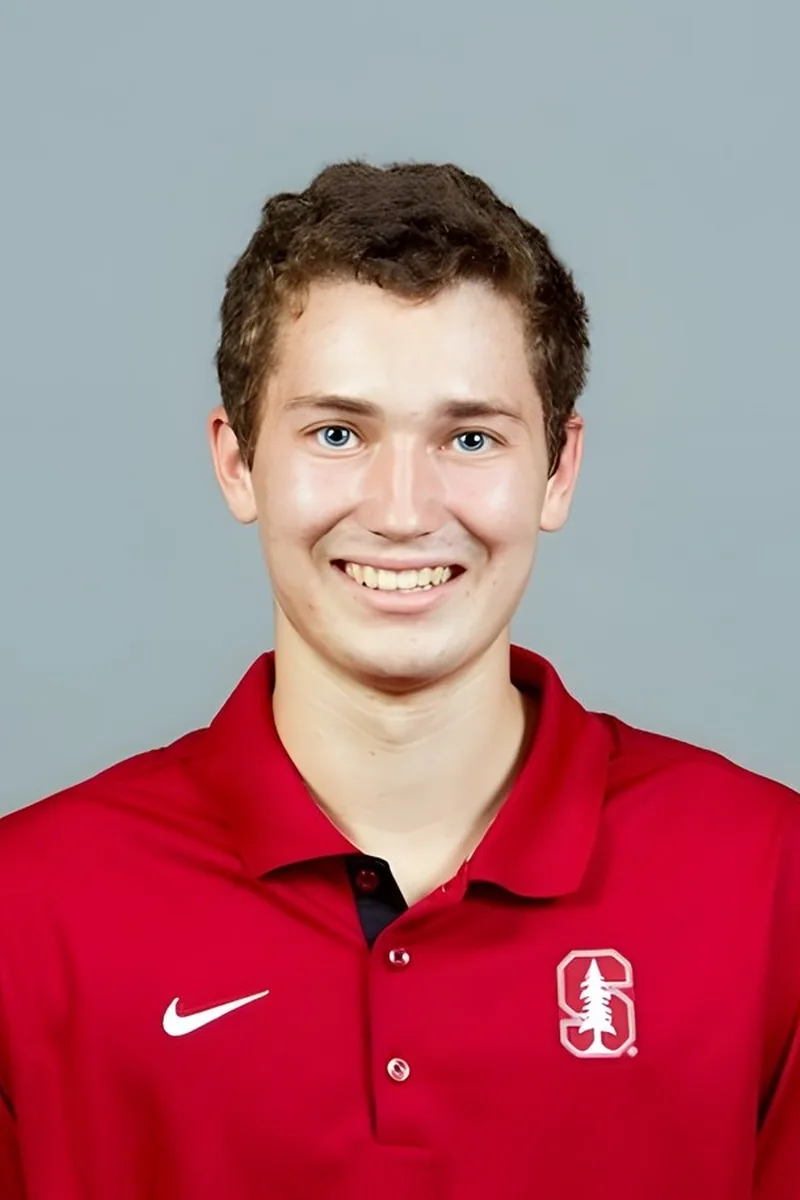
An avid reader and writer studying at Stanford, Jake approaches literature by teaching students to trace themes and motifs across a text rather than summarizing plot. He breaks down close-reading techniques — analyzing diction, tone, and narrative structure — so students can build arguments that hold up in class discussion and on essays. Rated 5.0 by students.
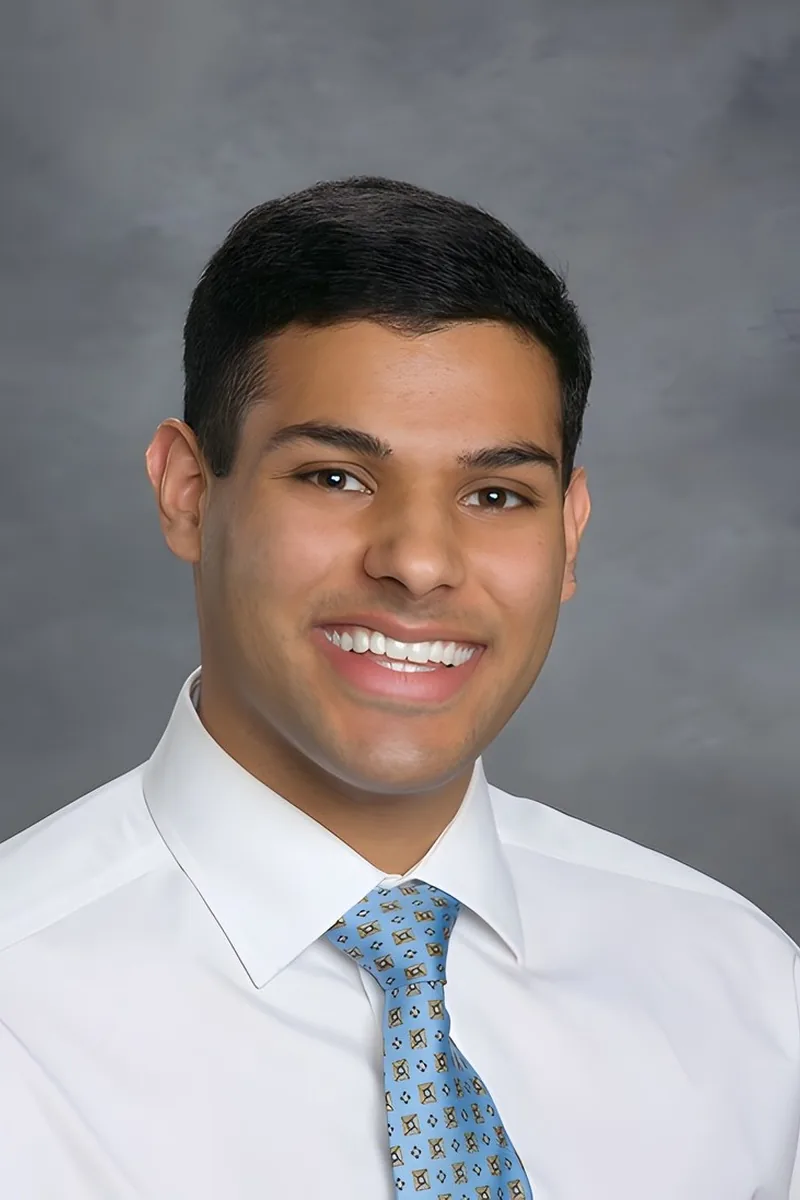
Reading literature in both English and Spanish — from novels to poetry to film — taught Sanjay to analyze texts across cultural contexts and pick apart themes, symbolism, and narrative structure. He approaches literary analysis as argument-building: identifying a specific claim about a text and marshaling evidence from the language on the page to support it.
I am an Atlanta native. I hold an undergraduate degree in Business from Tennessee State University and graduated degree in Education from Cambridge College. I am a Georgia and Texas certified teacher. I have always enjoyed working with kids. I have taught kindergarten, first, second and fourth grade. I am a hard-worker, team player and passionate about my students succeeding in whatever they set their minds too. I currently hold endorsements in K-5 Mathematics, Teacher Support Specialist, and ESOL (English for Speakers of Other Languages). I am able to provide instruction that meets the needs of all students. I have the ability to differentiate instruction so that I cater to all learning styles and levels.
Reading a novel for class and actually analyzing it are two different skills. Si approaches literature by teaching students how to trace motifs, unpack authorial choices like unreliable narration or shifting point of view, and build interpretive arguments that go beyond plot summary. His preference for writing things out means students leave sessions with detailed notes they can revisit.
Reading literature well means arguing with the text — asking why an author chose this word, this structure, this ending. Misael's political economy training sharpened exactly that kind of analytical reading, and he applies it to everything from Shakespeare to contemporary novels. He teaches students to build interpretive claims and defend them with textual evidence, the core skill behind any literature course.
A lifelong reader whose interests span well beyond the sciences, Brian brings an analytical rigor to literary discussion that sharpens how students interpret symbolism, narrative structure, and authorial intent. He teaches close reading as a skill — slowing down to trace how a single passage builds meaning through diction, syntax, and imagery.
Reading a novel closely means learning to ask the right questions: why does the narrator shift tense here, what does this recurring image accumulate across chapters, how does dialogue reveal what exposition hides? Toni's MA in English and her experience teaching college literature give her a deep toolkit for unpacking texts across genres and periods. She treats each work as something to actively investigate, not passively summarize.
Reading a novel closely means asking what the author is doing with structure, imagery, and point of view — not just summarizing plot. Angela teaches students to build literary arguments by anchoring every claim in textual evidence, a skill that transfers directly to timed essays and class discussions alike. Rated 4.9 by students.
A linguistics master's degree sharpens how you read — John brings that lens to literature, teaching students to analyze narrative voice, symbolism, and structure rather than just summarizing plot. Whether it's unpacking unreliable narrators in modernist fiction or tracing thematic arcs across a novel, he treats each text as something to actively interrogate.
An art history background trains you to read images the way English classes ask you to read texts — looking for symbolism, context, and the choices a creator made deliberately. Kevin applies that same close-reading instinct to poetry, novels, and drama, teaching students to build interpretive arguments grounded in textual evidence rather than surface-level summary.
Reading literature analytically — identifying motifs, unpacking an unreliable narrator, tracing how a symbol evolves across chapters — is a skill that transfers well beyond English class. Alyssa approaches texts as arguments the author is making, teaching students to build interpretations grounded in textual evidence rather than surface-level plot summary.
Reading literature at Brown across centuries of texts — from Old English verse to modern novels — trained Shreya to unpack how form, language, and historical moment shape meaning. She teaches close reading as a concrete skill: identifying imagery patterns, tracking narrative structure, and building interpretive arguments that go beyond plot summary.
I am a graduate of UC San Diego with a Bachelors in Neuroscience through the Psychology department. After graduating, I went to Michigan Technological University and did some graduate work, before moving to Texas to be closer to my parents. I did my alternative certification program through Texas Teachers and am highly qualified to teach Science for grades 7-12. I have been a teacher in public and charter schools for the last four years, and have tutoring experience extending over ten years behind me as well.
Reading a novel for class and actually analyzing it are two very different skills. Kari teaches students to dig into literary devices like symbolism, unreliable narration, and thematic structure so they can build arguments about a text rather than just summarize the plot.
Growing up in Singapore and traveling extensively across Asia gave Julia a cross-cultural lens that makes literary analysis richer — she's quick to spot how setting, power dynamics, and voice shift meaning depending on context. Whether a student is unpacking symbolism in a novel or tracing a character's internal conflict through dialogue, she pushes them to build arguments rooted in the text rather than surface-level summary.
Reading a novel closely means asking why an author made specific choices — why that metaphor, why that unreliable narrator, why that abrupt ending. Sarah's psychology background at Duke adds an unusual lens to literary analysis, particularly when unpacking character motivation, narrative perspective, and the emotional architecture of a text. She teaches students to build interpretive arguments that go beyond plot summary.
I am a graduate of Georgetown University where I earned my Bachelor of Science degree in International Politics with a concentration on Foreign Policy. I also earned a Certificate in Latin American Studies and am a member of Pi Sigma Alpha, The National Political Science Honor Society. I have experience tutoring students in both the SAT and the SSAT. Additionally, my time as an 8th Grade Science teacher here in Dallas has prepared me for the curriculum and challenges facing students in the area. While I offer tutoring in a broad range of subjects from foreign languages to grammar and writing to math and science, I find Physics to be the most enjoyable subject to teach. I see Physics as the science that allows all the other sciences to occur, and I find it helpful to use Physics demonstrations when studying the subject. When it comes to tutoring, I believe that whoever is doing the talking is doing the learning, so my students will be doing the leg work when it comes to their learning. I believe that every student can achieve success in school; each student just learns at their own pace and in their own way. When I have free time, I enjoy reading a good book, playing a game of tennis, or participating in or watching theatrical events.
Reading a novel closely means noticing what an author chose not to say as much as what's on the page — subtext, narrative structure, recurring imagery. Scott approaches literary analysis the way a scientist approaches data: asking what the evidence supports, then constructing a clear argument around it. That analytical lens, combined with his genuine love of reading and writing, makes dense texts like Victorian novels or modernist poetry feel more approachable.
Reading a novel for class and actually analyzing it are two very different skills. Cameron teaches students to dig into literary devices — symbolism, narrative structure, unreliable narrators — and turn those observations into arguments they can defend in essays and discussions. His liberal arts education at the college level means he's comfortable across genres, from Shakespeare to contemporary fiction.
Trained in dramatic literature at the University of Oklahoma's BFA program, Del spent years dissecting plays and novels for subtext, character motivation, and thematic structure. He brings that same close-reading discipline to poetry analysis, fiction essays, and any assignment that asks students to move from "I liked it" to a precise, evidence-driven argument about a text.
Cognitive science trains you to think about how humans construct meaning — which turns out to be exactly what literary analysis demands. Snipta applies that lens to close reading, teaching students to unpack symbolism, unreliable narration, and thematic development by examining how texts manipulate attention and expectation.
Reading a novel and analyzing a novel are two very different skills, and the second one is what literature classes actually grade. Erin teaches students to unpack themes, track symbolism, and build arguments about a text — turning the kind of close reading that feels overwhelming into a repeatable process.
Reading literature closely means learning to ask why an author made a specific choice — why that metaphor, why that unreliable narrator, why that ending. Daniel approaches texts analytically, drawing on the same evidence-based reasoning his science background sharpened, and applies it to constructing arguments about theme, character, and structure. He's particularly effective at teaching students how to move from a vague observation about a passage to a precise, defensible thesis.
Reading literature at the college level means doing more than summarizing plot — it means interrogating how a text creates meaning through structure, imagery, and historical context. Mary's graduate training in religious and intellectual history gives her a distinctive lens for unpacking everything from Victorian novels to postcolonial poetry. Rated 5.0 by students.
An avid reader outside the lab, Shyon brings an analytical mindset to literary analysis — breaking down how authors use symbolism, narrative structure, and rhetorical choices to build meaning. His approach treats close reading like problem-solving: identify the pattern, gather textual evidence, and build an argument that holds up.
Reading literature well means noticing what an author is doing with point of view, symbolism, or narrative pacing — and being able to articulate why it matters. Alexandra writes poetry and screenplays herself, so she unpacks texts from the inside out, showing students how craft decisions shape meaning in everything from Shakespeare to contemporary fiction. Her Creative Writing training makes literary analysis feel less like guesswork and more like a skill with clear, learnable moves.
Zach approaches literature as an avid reader himself, someone who naturally connects themes across texts and teaches students to build interpretive arguments rather than just summarize plot. Whether it's close-reading a passage from a novel or unpacking symbolism in poetry, he walks through how to identify literary devices and use them as evidence in analytical writing.
Reading a novel and actually analyzing it are two very different skills — Binny teaches students how to move from plot summary into close reading, tracing how imagery, narrative structure, and point of view create meaning on the page. Her master's degree in English gives her deep familiarity with texts across genres and periods, from medieval literature to contemporary fiction.
An engineering student might seem like an unlikely literature tutor, but Muhammad's analytical training translates well to close reading — picking apart how an author builds an argument through imagery, structure, and diction. He approaches literary analysis the way he'd approach a proof: identify the claim, trace the evidence, and articulate why it holds together. That structured method is especially useful for students who feel lost writing thesis-driven essays.
Reading literature well is about noticing what an author is doing with structure, tone, and imagery — not just summarizing the plot. Brianna brings an analytical mindset sharpened by years of scientific reading to help students dig into texts, whether they're unpacking symbolism in a novel or tracing an argument across a poem's stanzas.
Unpacking a novel or poem requires more than summarizing the plot — it means identifying how an author's choices in structure, imagery, and diction create meaning. Maleah teaches close-reading techniques that give students a concrete method for analyzing any text, from Shakespeare to contemporary fiction. Her science training adds a surprisingly useful analytical edge to literary interpretation.
Reading a novel and analyzing a novel are very different skills, and literature courses demand the second. Devon teaches students to dig into elements like unreliable narration, symbolic imagery, and structural choices — then translate those observations into essays with clear, arguable thesis statements. Her writing background gives her a practitioner's eye for how authors craft meaning.
Reading a novel closely means learning to ask better questions — why an author chose first person, what a recurring image signals, how dialogue reveals character without saying it outright. Clairemarie brings a genuine love of books to literary analysis and teaches students to build interpretive arguments grounded in textual evidence.
I am a seasoned educator and tutor with a Ph.D. in Literature, an M.A. in Literature, and an M.B.A. in international business. I have taught many, many students to write, read, speak, and think academically. Since 2005, I have worked taught in universities in China, Bosnia, the UAE, Afghanistan and Bahrain (teaching our troops!) and Cambodia. I recently returned to the USA. If you are feeling uncertain about your writing assignments, your English or Literature courses, public speaking, or standardized testing, I believe I can help! No one is born with the ability to read, think critically, and write an essay that will get people to stand up and take notice. These are skills that everyone must be taught to become successful, and they can be learned. Students often think they 'just aren't capable' of improving their skills, but as a professional who specializes in English and Writing, I know they are wrong. Every student, with the right motivation, systems, and tools can improve their skills. I have been teaching and tutoring students for over 20 years. As a professor, I know what steps students need to take to become better in writing, reading, literature, critical thinking, and public speaking. As a faculty member at universities and colleges for over 20 years, I know what will be expected of students both in educational settings, and in the professional world after they graduate. I love to work with students, and I have had a great deal of success in helping them to improve. I have developed proven methods to give students the help they need to write better essays, read with greater comprehension, and test more effectively. Most students tell me that I am funny, and that my lessons are far less 'painful than they expect them to be! I look forward to working with you-
Analyzing literature means doing more than identifying themes — it requires connecting an author's craft choices (syntax, imagery, narrative structure) to the meaning those choices create. Maria approaches each text by teaching students to build arguments from textual evidence, a skill her own science background reinforced through years of defending claims with data. She's particularly effective with students who consider themselves "math people" and feel out of their element in English class.
Reading a novel closely means noticing what the author is doing with language — symbolism, narrative voice, shifts in diction — and articulating why it matters. Gabriele brings a linguist's eye to literary analysis, teaching students to move from vague impressions to precise, text-grounded interpretations across poetry, fiction, and drama. Her 5.0 rating speaks to how well that approach lands.
Growing up bilingual between Los Angeles and Korea gave Bryan a unique lens on storytelling — he reads literature with an eye for how cultural context shapes meaning. He digs into themes, symbolism, and character motivation rather than surface-level plot summary, teaching students to build interpretive arguments grounded in textual evidence. That analytical rigor carries over from his science training, where every claim needs support.
Reading literature closely — tracking symbols, unreliable narrators, shifts in tone — is surprisingly similar to the diagnostic thinking Samantha does daily as a medical student at UT Southwestern. She teaches students to build interpretive arguments by grounding every claim in textual evidence, whether they're analyzing a Shakespeare sonnet or a contemporary novel.
Reading critically and writing analytically are skills that transfer across every discipline, and Adeyemi brings a scientist's precision to literary analysis. He teaches students to build arguments around textual evidence — examining how an author's choices in structure, diction, and imagery create meaning. His approach turns vague impressions about a text into focused, defensible interpretations.
Reading a novel is one thing; building an argument about its themes, symbolism, or narrative structure is an entirely different skill. Maruka's history background trained her to analyze texts for meaning beneath the surface, and she brings that same close-reading discipline to poetry, fiction, and drama.
Testimonials
Because the right Literature tutor makes all the difference.
Average Session Rating – Based on 3.4M Learner Ratings
Nearby Literature Tutors
Other Dallas Tutors
Related English Tutors in Dallas
Frequently Asked Questions
A literature tutor helps you develop critical reading skills, analyze texts deeply, and understand literary themes, symbolism, and author techniques. They also provide personalized feedback on essays, help you strengthen your thesis statements and arguments, and guide you through the writing process—from brainstorming to revision. Whether you're tackling Shakespeare, contemporary novels, or poetry, tutors work with your specific curriculum and learning goals.
Tutors provide one-on-one feedback on your essays at every stage—from developing a strong thesis and organizing your arguments to refining your voice and polishing your final draft. Rather than just marking errors, they help you understand why certain structures work better, how to support claims with textual evidence, and how to revise for clarity and impact. This personalized approach helps you build writing skills that transfer across all your classes.
Literary analysis can feel overwhelming, but tutors break it down into manageable steps: identifying key themes, understanding character motivation, recognizing literary devices, and connecting these elements to the author's purpose. They ask guiding questions that help you develop your own interpretations rather than just memorizing summaries, building your confidence in close reading and analytical thinking. With practice and feedback tailored to your learning style, literary analysis becomes a skill you can apply to any text.
Yes. Varsity Tutors connects you with tutors who are familiar with literature curricula across Dallas's 22 school districts and understand the specific texts, standards, and expectations your school emphasizes. Whether you're in a Dallas ISD classroom, a charter school, or a private institution, tutors can align their instruction with your coursework and help you succeed on local assessments and assignments.
Writer's block is common, and tutors have strategies to help you move past it. They can guide you through brainstorming techniques, help you organize your thoughts before you write, or work with you to identify what's really holding you back—whether it's perfectionism, unclear ideas, or fear of starting. Breaking the writing process into smaller, manageable steps often makes it easier to get unstuck and build momentum.
Absolutely. Tutors can teach you proper citation formatting, help you integrate quotes smoothly into your essays, and explain why citations matter for academic integrity. Whether you're learning MLA, APA, or Chicago style, they'll show you how to format works cited pages, in-text citations, and parenthetical references correctly—and help you understand the reasoning behind citation rules so you can apply them confidently.
Your first session is about building rapport and understanding your needs. The tutor will ask about your current literature class, specific challenges you're facing, and your goals—whether that's improving essay grades, preparing for an exam, or building reading comprehension skills. Together, you'll create a personalized plan for how tutoring can best support your learning, and you'll likely start working on something concrete right away.
If reading feels slow or confusing, a tutor can teach you active reading strategies like annotation, questioning the text, and connecting ideas to build comprehension. They help you distinguish between plot summary and deeper meaning, track complex character development, and understand how different literary elements work together. With guided practice and discussion, reading becomes more engaging and you'll retain information better.
Let’s find your perfect tutor
Answer a few quick questions. We’ll recommend the right plan and match you with a top 5% tutor.