Award-Winning Literature Tutors
serving Fort Worth, TX
Literature
Tutors in Fort Worth
Private 1-on-1 tutoring, weekly live classes for academic support, test prep & enrichment, practice tests and diagnostics, and more to elevate grades and test scores.
Based on 3.4M Learner Ratings
UniversitiesSchools & Universities
DeliveredHours Delivered
ProficiencyGrowth in Proficiency
Who needs tutoring?
No obligation. Takes ~1 minute.
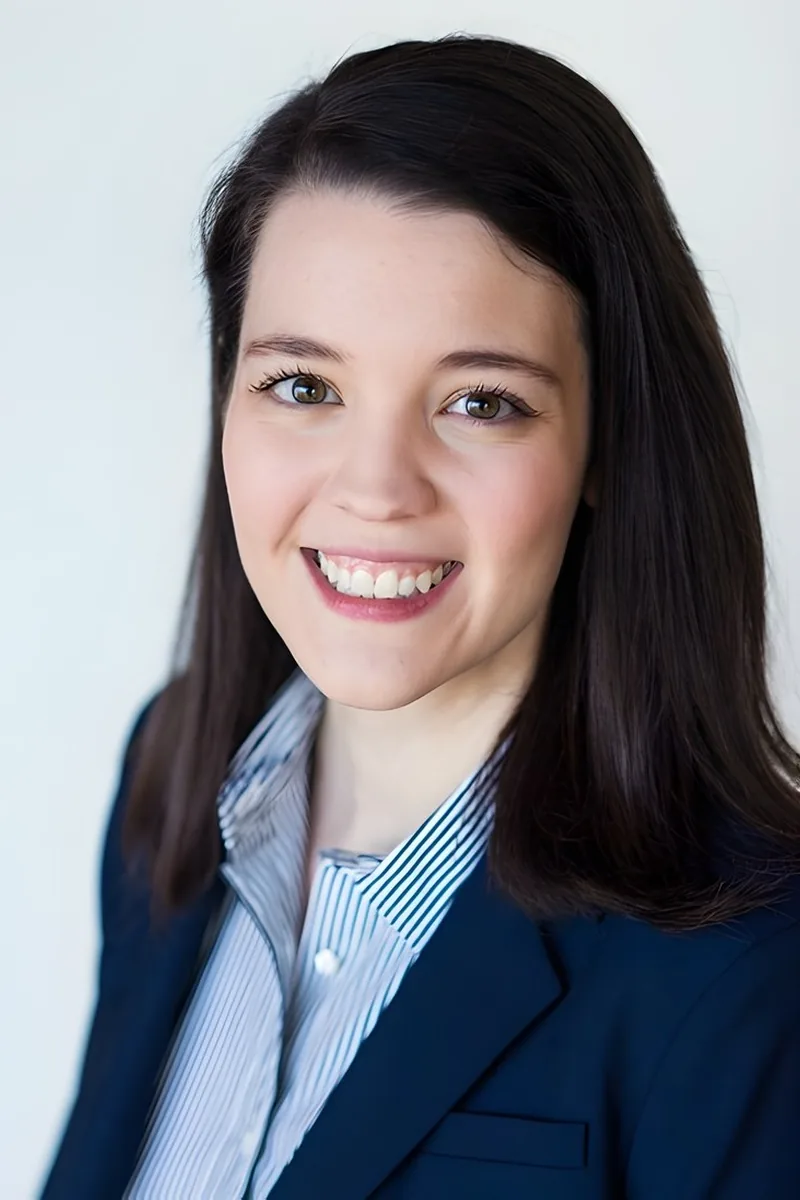
A Comparative Literature degree means Chloe learned to read across traditions — tracing how a Gothic novel borrows from Romantic poetry, or how a postcolonial text rewrites a canonical one. She teaches close reading as an active skill, showing students how to pull apart imagery, narrative structure, and voice to build arguments that go beyond surface-level summary. Rated 5.0 by students.

Studying history at Rice means Nathan spends his days interpreting dense, layered texts — exactly the skill that transfers to literary analysis. He teaches students to move beyond plot summary and dig into how an author's choices with structure, imagery, and point of view create meaning on the page.
Nadja approaches literature as an exercise in argument — every close reading of a passage should produce a defensible claim about theme, character motivation, or narrative structure. Years of academic and corporate writing sharpened her ability to unpack dense texts quickly, a skill she now applies to everything from Shakespeare to contemporary fiction.
Petra's graduate work in Latin and Italian philology means she reads literature the way it was built — tracking how authors use etymology, allusion, and rhetorical structure to create meaning. She unpacks everything from epic poetry to modern novels by connecting literary devices to the historical and cultural moments that produced them.
Nate approaches literature the way he approaches engineering problems: by asking what's actually happening beneath the surface and building an argument from the evidence. He's particularly effective at teaching students to pull apart an author's use of structure, imagery, or dialogue and turn those observations into a coherent thesis rather than a summary.
I am qualified to tutor many subjects, my favorite subject by far is math, specifically calculus. Math is a subject almost universally hated, and I believe that is mainly due to the narrow way in which it is taught. I have ADHD, and I often don't understand things the first time they are explained to me, meaning over the years I have had to figure out different ways of looking at information. Oftentimes, all a student needs is for something to be explained in a different way, and I love watching people finally understand a concept. Everyone learns differently, but everyone can learn.
An avid reader himself, Adam digs into literary analysis by teaching students to trace how devices like symbolism, unreliable narration, and structural choices shape a text's meaning. Rather than handing students an interpretation, he asks the kinds of questions that push them to build their own arguments and support them with textual evidence. Rated 4.9 by students.
Reading a novel closely and writing about it persuasively are two different skills, and most students struggle more with the second. Rudy teaches literary analysis by showing how to build an argument around textual evidence — pulling apart an author's use of symbolism, tone, or structure and turning observations into a coherent thesis. His graduate work in education sharpens his ability to explain these analytical moves clearly.
Reading literature through a psychological lens — asking what motivates a character, how an author manipulates reader empathy, or why a particular narrative structure creates tension — is Nathania's signature approach. Her psychology background gives her a unique toolkit for unpacking themes of identity, power, and human behavior across genres and time periods.
Currently pursuing a PhD in American Literature, Adam digs into texts the way scholars do — examining narrative structure, historical context, and the choices authors make at the sentence level. Whether a student is unpacking symbolism in Gatsby or tracing themes across a poetry unit, he brings the kind of close-reading expertise that turns surface-level summaries into real literary analysis.
Analyzing literature is really about building an argument — identifying a pattern in the text, gathering evidence, and explaining why it matters. Samuel's political science background trained him to do exactly that with complex sources, and he brings that same analytical rigor to poetry explication, novel analysis, and close reading exercises.
While literature isn't Salman's primary discipline, his graduate training sharpened the close-reading and argument-construction skills that literary analysis demands. He approaches texts analytically — breaking down an author's rhetorical choices, identifying thematic patterns, and building thesis-driven interpretations backed by textual evidence.
Reading a novel for class is one thing; building an argument about its use of symbolism or unreliable narration is another skill entirely. Alexis's English coursework at Georgetown has immersed her in close reading across genres and periods, and she teaches students to move from "I liked it" to a thesis they can defend with textual evidence.
Reading a novel for class and actually analyzing it are two different skills, and the gap usually shows up when students try to write about theme or symbolism. Richa teaches close-reading techniques — annotating passages for tone shifts, tracking recurring motifs, connecting authorial choices to historical context — that turn vague impressions into specific arguments.
Close reading is a skill that transfers surprisingly well from the sciences — Nathan's chemistry training taught him to examine evidence carefully and build arguments from specific details, which is exactly what strong literary analysis requires. He teaches students to move past plot summary and instead dissect how an author's choices in language, structure, and imagery create meaning. Poetry, novels, and drama all get the same rigorous but accessible treatment.
Tanner's honors coursework at TCU required close reading across genres, from Victorian novels to contemporary essays, building the kind of analytical instincts that make literary analysis feel less like guesswork. He unpacks how authors use symbolism, narrative structure, and point of view to build meaning — then shows students how to articulate those observations in clear, evidence-driven arguments.
Literary analysis asks students to do something uncomfortable: slow down and argue about why an author made a specific choice. Michelle approaches texts by teaching close reading techniques — examining diction, imagery, and narrative structure — and then building those observations into a defensible thesis. Her analytical training in the sciences translates surprisingly well to dissecting a poem or novel.
Cognitive science trains you to ask how people construct meaning from text — why an unreliable narrator changes interpretation, or how metaphor works at a neurological level. Sugi brings that analytical lens to literature, teaching students to build arguments about theme, structure, and authorial intent rather than just summarizing plot. Rated 5.0 by her students.
A dual background in economics and molecular biology gives Maggie an unusual lens for literary analysis — she's practiced at reading texts for argument, evidence, and subtext across very different disciplines. She teaches students to move beyond plot summary and build interpretive claims grounded in close reading of language, imagery, and narrative structure.
An engineering student might seem like an unlikely literature tutor, but Bidyut's dual focus on technical and humanistic thinking gives him a sharp eye for argument construction and textual evidence. He approaches novels, poems, and plays as puzzles — teaching students to trace motifs, unpack authorial intent, and build interpretive claims that hold up on paper.
An avid reader and writer studying at Northwestern, Mackenzie approaches literature by teaching students to dig into how authors use structure, imagery, and narrative voice to build meaning. She connects texts across genres and time periods so that close reading feels like detective work rather than a chore.
An avid reader and writer studying at Stanford, Jake approaches literature by teaching students to trace themes and motifs across a text rather than summarizing plot. He breaks down close-reading techniques — analyzing diction, tone, and narrative structure — so students can build arguments that hold up in class discussion and on essays. Rated 5.0 by students.
Reading literature analytically is a skill Jonathan sharpened across his Cornell coursework, where even science seminars demanded close reading and argument construction. He teaches students to move past plot summary and into the mechanics of a text — how an author uses imagery, point of view, or narrative structure to build meaning — so their interpretations hold up under scrutiny.
Elena's art history background gives her a distinctive angle on literature — she reads novels and poetry the way she reads paintings, attending to composition, context, and the choices an artist makes to produce meaning. Whether a student is tackling Shakespearean drama or a contemporary novel, she connects themes to their historical moment so the text stops feeling like homework and starts making sense.
Cognitive science trains you to read texts the way a researcher reads data — looking for structure, argument, and the assumptions hiding beneath the surface. Adam applies that analytical lens to literature, teaching students to dissect narrative voice, symbolism, and thematic development in everything from short stories to full novels. His Rice education emphasized close reading across disciplines, which translates directly into stronger literary analysis.
Reading literature well means doing more than summarizing plot — it means tracing how an author uses imagery, narrative structure, or point of view to build meaning. Sajel's coursework in social policy analysis at Rice sharpens the kind of close-reading and argument-building skills that transfer directly to literary analysis. She teaches students to move from observation to interpretation with textual evidence backing every claim.
Reading literature well means doing more than summarizing plot — it means noticing how an author's diction, structure, or point of view shapes meaning. Aditi unpacks texts by teaching students to trace motifs and analyze passages closely, building the kind of interpretive skills that translate directly into stronger class discussions and essays.
Paul approaches literary analysis the way a lawyer builds a case: every claim about a text needs evidence, and every piece of evidence needs interpretation. His background in economics also gives him an unusual lens for discussing themes like class, power, and social mobility in novels and poetry. Students leave sessions knowing how to construct a reading that's genuinely their own.
Reading literature closely means learning to ask why an author made a specific choice — why Fitzgerald uses the green light, why Morrison fractures her timelines. William approaches literary analysis with the same logical precision he brings to his math and CS coursework at Rice, breaking arguments about theme and structure into claims that can be supported with textual evidence.
Reading a novel is one thing; unpacking how an author uses symbolism, narrative structure, or unreliable narration to build meaning is another skill entirely. As an English major at Carleton College who devours books in her free time, Meagen teaches students to read with analytical precision — identifying literary devices and constructing interpretations they can defend with textual evidence.
Reading a novel and analyzing a novel are completely different skills — Vy teaches students to identify literary devices like motif, unreliable narration, and symbolic imagery, then connect those observations to a coherent interpretation. Her love of reading and her Vanderbilt coursework in cognition give her a unique lens on how people construct meaning from texts.
Reading a novel or poem closely means asking why an author made specific choices — why Fitzgerald uses color the way he does, or what a shift in narrative voice signals about a character's reliability. Tegan approaches literature through that lens of intentional craft, teaching students to build interpretive arguments grounded in textual evidence rather than surface-level summaries.
Reading a novel for class and actually analyzing it are two very different skills — one requires attention, the other requires a framework. Patricia teaches students to identify how literary devices like symbolism, unreliable narration, and structural choices shape meaning, then turn those observations into arguments. Her own writing background means she can also coach the analytical essay side, from thesis construction to textual evidence.
As a student athlete balancing a demanding course load at Rice University, Rishi knows how to read efficiently and extract what matters from a text — a skill that translates well to literary analysis, where the goal is identifying how specific choices in language or structure carry meaning rather than just retelling the story. He teaches students to pin down a theme or motif early, then build a focused argument around concrete textual details that hold up under scrutiny.
A science major who reads voraciously, Aadith brings an analytical edge to literary analysis — breaking down how authors construct arguments through imagery, structure, and narrative voice. He teaches students to move from surface-level summaries to thesis-driven close readings that hold up under scrutiny.
Studying literary arts and philosophy at Brown gave Carter a toolkit for close reading that goes beyond plot summary — he digs into how narrative voice, figurative language, and structural choices shape meaning. Whether the text is a Victorian novel or a contemporary short story, he teaches students to build interpretive arguments grounded in textual evidence.
Alexander's double-major coursework at Rice means he reads across disciplines, bringing an analytical lens to literary texts that goes beyond surface-level plot summary. He teaches students to build arguments around specific textual evidence — examining how an author's word choice, structure, or imagery creates meaning. That skill translates directly to stronger essays and more confident class discussions.
Reading a novel for class and actually analyzing it are two different skills. Jessy approaches literary analysis by teaching students to trace motifs, unpack symbolism, and build arguments about authorial intent using specific textual evidence. Her background in writing and her love of books make close reading feel less like a chore and more like detective work.
Reading a poem or novel closely means noticing what an author chose not to say as much as what's on the page. Iselee approaches literary analysis by teaching students to track motifs, narrative perspective shifts, and figurative language across a full text — then build interpretive arguments grounded in specific textual evidence. Her own life as a visual artist gives her a sharp eye for symbolism and imagery.
I am an Atlanta native. I hold an undergraduate degree in Business from Tennessee State University and graduated degree in Education from Cambridge College. I am a Georgia and Texas certified teacher. I have always enjoyed working with kids. I have taught kindergarten, first, second and fourth grade. I am a hard-worker, team player and passionate about my students succeeding in whatever they set their minds too. I currently hold endorsements in K-5 Mathematics, Teacher Support Specialist, and ESOL (English for Speakers of Other Languages). I am able to provide instruction that meets the needs of all students. I have the ability to differentiate instruction so that I cater to all learning styles and levels.
Testimonials
Because the right Literature tutor makes all the difference.
Average Session Rating – Based on 3.4M Learner Ratings
Nearby Literature Tutors
Other Fort Worth Tutors
Related English Tutors in Fort Worth
Frequently Asked Questions
A Literature tutor helps you develop critical reading skills, analyze texts deeply, and understand literary devices like symbolism, imagery, and theme. They also provide personalized feedback on literary essays, help you craft strong thesis statements, and teach you how to support arguments with textual evidence—skills that are essential across Fort Worth's 12 school districts.
Tutors work with you on the entire writing process: developing a clear thesis, organizing your ideas logically, and revising for clarity and impact. Rather than just correcting grammar, they help you strengthen your argumentation and show you how to integrate quotes effectively to support your analysis. This personalized feedback accelerates improvement far more than general classroom instruction alone.
Yes. Tutors teach active reading strategies like annotation, close reading, and identifying key passages that reveal character motivation and theme. They break down difficult texts into manageable pieces and help you see connections between plot, character development, and larger literary concepts. This approach builds confidence and deeper comprehension over time.
Summarizing tells what happens; analyzing explains why it matters and how the author creates meaning. A Literature tutor teaches you to move beyond plot summary to examine literary devices, author's purpose, and thematic significance. This distinction is crucial for writing strong essays and performing well on literature exams and AP assessments.
Writer's block often stems from unclear thinking about your topic or fear of starting. Tutors use brainstorming techniques, help you clarify your argument before writing, and break the writing process into smaller, less intimidating steps. They also teach you revision strategies so you can write a rough draft without pressure, then refine it with guidance.
Your first session focuses on understanding your specific needs—whether you're working on essay writing, preparing for an exam, or analyzing a particular text. The tutor will assess your current skills, learn about your goals, and create a personalized plan. You'll leave with clarity on how tutoring will help you succeed in Literature.
Varsity Tutors connects you with tutors who have strong backgrounds in Literature and English education. They understand Fort Worth school curricula and know how to teach literary analysis, essay writing, and reading comprehension at different grade levels. Many have experience preparing students for AP Literature, standardized tests, and college-level coursework.
Absolutely. Proper citation is a key part of academic writing, and tutors can teach you MLA, APA, or Chicago style formatting. They'll show you how to integrate quotes correctly, format your Works Cited or References page, and avoid plagiarism. This skill transfers across all your classes and is essential for college success.
Let’s find your perfect tutor
Answer a few quick questions. We’ll recommend the right plan and match you with a top 5% tutor.