Award-Winning Reading Tutors
serving Charleston, SC
Reading
Tutors in Charleston
Private 1-on-1 tutoring, weekly live classes for academic support, test prep & enrichment, practice tests and diagnostics, and more to elevate grades and test scores.
Based on 3.4M Learner Ratings
UniversitiesSchools & Universities
DeliveredHours Delivered
ProficiencyGrowth in Proficiency
Who needs tutoring?
No obligation. Takes ~1 minute.
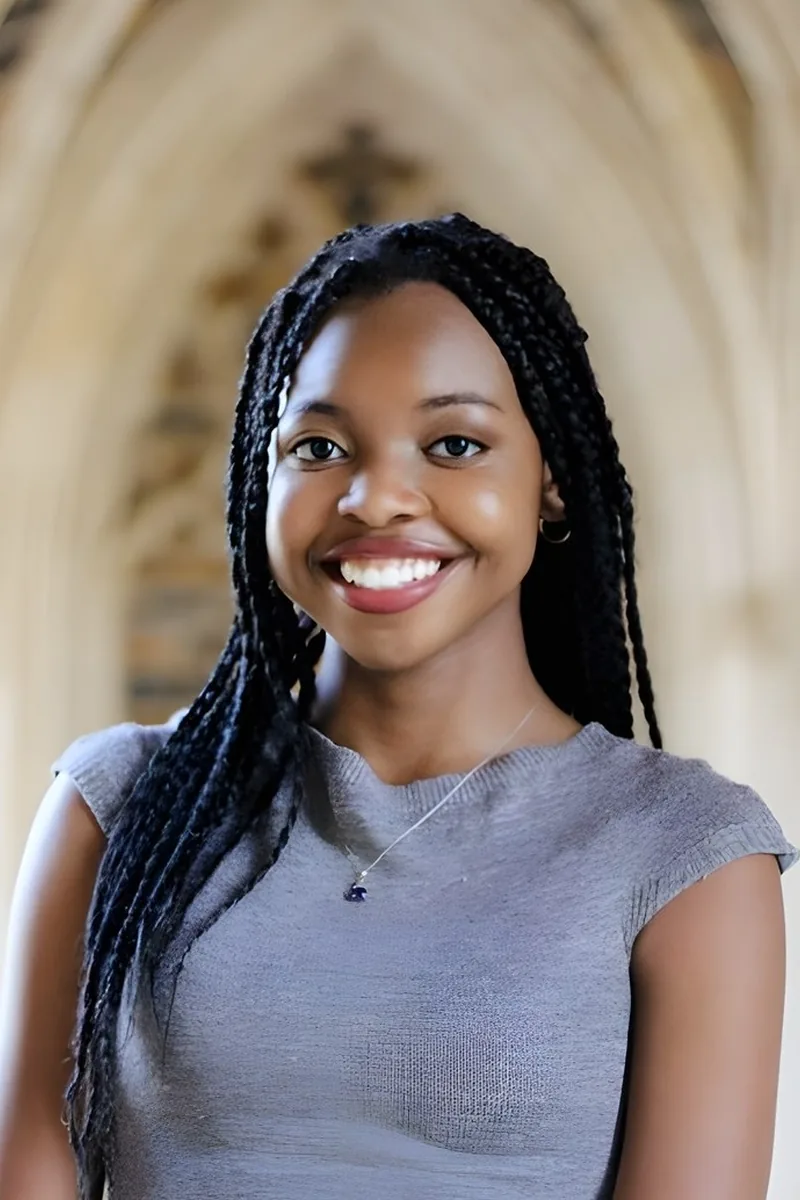
Growing up in a large Caribbean family meant Lenique was constantly switching between storytelling traditions, dialects, and cultural references — a background that made her attuned to how much context shapes the way someone processes a page of text. Her Duke biology training added a different dimension: reading where every detail in a dense passage matters and skimming isn't an option. She brings both instincts to reading sessions, teaching students to actively track meaning whether they're working through a picture book or a middle school nonfiction assignment.
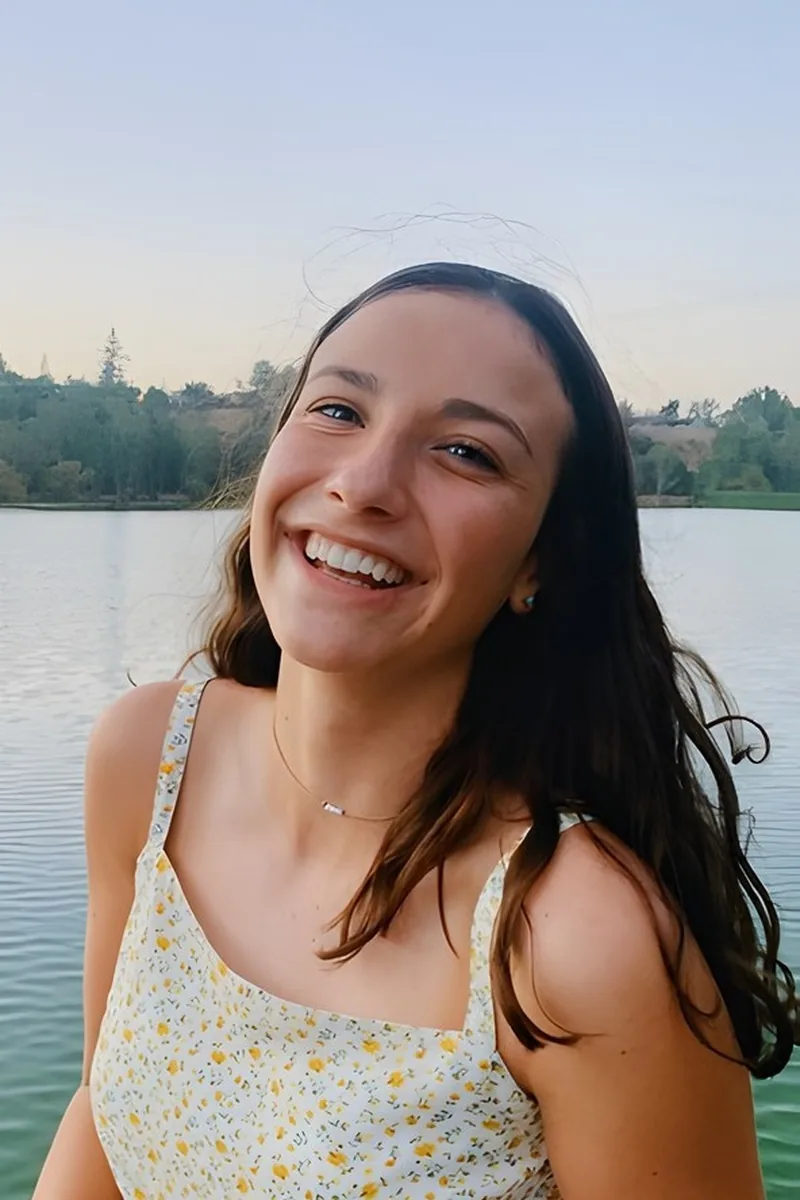
Breaking a passage into layers — what the author literally says, what they imply, and why they structured it that way — is how Rachael teaches reading comprehension. She zeroes in on skills like identifying main ideas versus supporting details, making inferences from context clues, and recognizing an author's tone. Students walk away reading more actively instead of just scanning words on a page.
I am a recent graduate from the University of Georgia with a major in Chemistry and a minor in Spanish. During my junior year, I spent the fall through summer semesters helping instruct general chemistry classes and organic chemistry labs. Overall, I personally enjoy teaching and tutoring others not only because it better helps people understand some of the more difficult concepts of the material but because it also allows me to fully cement my knowledge and help people further.
I am currently a college student at the University of South Carolina who is open to helping anyone. I have tutored middle schoolers and have helped tutor in study groups during college. I understand how difficult classes can get. As an engineering major, I am willing to work hard in classes and I'll work with any hard topics that you have questions on. No question should be pushed away. My favorite area is Biology. I'm a Biomedical Engineering major. I look forward to tutoring you.
I am currently a Senior at Florida Atlantic University, pursuing a Bachelor of Arts in English with honors. I have gained valuable experience teaching a diverse range of subjects. I have had the opportunity to teach writing, reading, critical thinking, and beginner's Spanish to students from grade 6 through undergraduate college. This experience has honed my communication and instructional skills, allowing me to engage with students of various age groups and learning styles. I am excited to continue applying my skills and interests as a tutor because I planning to pursue my PhD in literature after graduating with the goal to become a professor. I am committed to contributing meaningfully to the fields of literature, education, and language.
I am well familiar with all the techniques to achieve a higher score. I can also show a student how to study effectively so that they do well in school.
A music composition background might seem unrelated to reading, but Rachelle's Master's from the University of South Carolina trained her to analyze structure — how pieces build, where themes develop, and what holds a work together — skills that map directly onto tracking an author's ideas through a passage. Over ten years of tutoring across subjects from elementary through college level taught her that many students just need someone to show them how a text is organized before comprehension follows naturally.
I am a graduate of Siena College in Loudonville, NY. I received my Bachelor of Science in Marketing and Management. I have two children that I have homeschooled for eight years. We have used many different curriculums and tried many different teaching styles. That is the beauty of homeschooling! We can change tactics and find what works at that time. I started a homeschool co-op, and I was the director and tutor for 6 years. I am now a tutor at a homeschool co-op in South Carolina. I was also a substitute teacher at a public school. I tutor many subjects, but I specialize in reading for young children and children struggling with reading. I believe in the above-at-below reading method. A child needs you to read to them above their reading level, with you at their reading level, and they should read independently below their reading level. This helps build confidence and works great, especially for young or struggling readers. I also teach history and science and have experience with classical education.
Between a master's in political science and an English bachelor's, Alex has spent years doing two very different kinds of reading — literary close reading where every word choice matters, and policy analysis where you have to extract an argument from fifty pages of data. That range means he can teach a student to slow down and trace tone shifts in a short story one session, then tackle an informational passage full of competing claims the next.
Elementary-age students who can decode words but zone out before the end of a paragraph need a different kind of practice — and Christina's two-plus years of private tutoring with younger learners gave her a toolkit for building that bridge between sounding out words and actually understanding what they say. Her computer science training reinforces the habit of reading precisely, since a single misread line of documentation can derail an entire program.
Years of analyzing dense academic texts in art history and archaeology trained Elena to extract key arguments quickly, distinguish main ideas from supporting detail, and recognize how authors structure their reasoning. She applies those same active-reading strategies to students working on comprehension — teaching them to annotate effectively, identify context clues for unfamiliar vocabulary, and summarize passages in their own words before answering questions.
A Yale history of science degree means Christopher spent four years reading primary sources where every word choice carries weight — 18th-century medical treatises, dense scientific correspondence, arguments built in language that doesn't hand you its meaning easily. That training in careful, deliberate reading now shapes how he teaches comprehension: breaking a passage into its moving parts, identifying what the author is actually claiming, and building the habit of re-reading with a specific question in mind rather than scanning for surface-level answers.
Comprehension breaks down for different reasons depending on the reader: some rush past unfamiliar vocabulary, others lose track of the author's argument between paragraphs. Yan diagnoses the specific bottleneck and targets it, whether that means practicing annotation techniques, building inference skills, or strengthening vocabulary in context. Four years of classroom teaching sharpened her ability to spot exactly where understanding stalls.
Getting through a dense passage isn't about reading every word at the same speed — it's about knowing when to skim, when to slow down, and how to track an author's argument across paragraphs. Hannah, who holds degrees in both History and English alongside an MFA in Creative Writing, teaches active reading strategies that translate directly to stronger comprehension and annotation skills.
Strong reading comprehension isn't about speed — it's about knowing how to identify a passage's main claim, track how evidence supports it, and distinguish between what the author says and what the author implies. Michelle teaches these active-reading strategies explicitly, building the kind of annotation habits that transfer to standardized tests, textbooks, and independent reading alike.
Close reading is second nature when your degrees are in Comparative Literature and German — Jacob spent years at Columbia and UC Berkeley dissecting texts across languages and literary traditions. He teaches students to identify rhetorical strategies, track thematic development, and annotate with purpose, turning passive reading into active analysis.
Twenty writing prizes before age eighteen doesn't happen without being a relentless, close reader first — Valerie built her reading skills by pulling apart texts from Greek tragedy to contemporary fiction at the University of Chicago. She teaches students to identify tone, track arguments, and make inferences by actually engaging with what's on the page rather than skimming for keywords.
Three English courses and an intensive writing seminar in her first year at Penn means Angela spent freshman year buried in complex texts — analyzing arguments, unpacking layered prose, and explaining what she found in writing that had to hold up to scrutiny. That kind of immersive, close-reading practice sharpened an instinct for how authors structure ideas and embed meaning, which she now brings to reading sessions across grade levels. Rated 5.0 by students.
When a passage feels confusing, the issue is usually that a student is reading every line at the same speed instead of adjusting strategy by text type. Eileen — who scored 1550 on the SAT and a perfect 36 on the ACT — teaches active reading techniques like annotation, context-clue vocabulary decoding, and identifying an author's purpose within the first few sentences. These skills transfer directly to both standardized tests and classroom assignments.
Strong readers don't just decode words — they predict, question, and make inferences as they move through a passage. Kirstie builds those active reading habits by teaching annotation strategies and context-clue techniques tailored to each student's level. Her liberal arts training means she's comfortable working with fiction, nonfiction, and everything in between.
Testimonials
Because the right Reading tutor makes all the difference.
Average Session Rating – Based on 3.4M Learner Ratings
Nearby Reading Tutors
Other Charleston Tutors
Related English Tutors in Charleston
Frequently Asked Questions
Many students struggle with reading comprehension, particularly when analyzing complex texts or identifying main ideas across longer passages. Others find it difficult to connect what they read to broader themes, or they read too quickly without retaining information. Personalized 1-on-1 instruction helps address these specific gaps by breaking down texts strategically, teaching active reading techniques, and building confidence through targeted practice.
Varsity Tutors connects you with expert tutors who assess your current reading level and identify specific areas for improvement—whether that's fluency, comprehension, vocabulary, or literary analysis. Tutors then create a personalized learning plan with targeted strategies, guided practice with texts at your level, and ongoing feedback. Sessions focus on building both skills and confidence so you can tackle any reading material independently.
Yes. Expert tutors help students develop strong literary analysis skills by teaching how to identify themes, analyze character development, examine symbolism, and support interpretations with textual evidence. They also guide you through the essay writing process—from thesis development and organization to revision and refinement. This combination of reading comprehension and writing instruction ensures you can both understand complex texts and communicate your insights effectively.
Personalized tutoring is especially effective for students who are reading below grade level. Tutors work at your child's pace, building foundational skills like phonics, decoding, and fluency before moving to comprehension and analysis. With consistent 1-on-1 support, students typically see measurable progress in both reading ability and confidence. The personalized approach also helps identify whether specific learning differences are at play, which can inform next steps.
The first session is an assessment and get-to-know-you meeting. The tutor will discuss your reading goals, ask about past challenges, and may do some informal reading assessment to understand your current level and strengths. This information helps the tutor create a personalized plan tailored to your needs. You'll leave with a clear sense of what to expect and how tutoring will help you improve.
Strong vocabulary is essential for reading comprehension. Expert tutors teach strategies for learning new words in context, understanding word roots and prefixes, and building academic vocabulary specific to the texts you're reading. Rather than memorizing isolated word lists, tutors help you encounter new words through actual reading and practice, which leads to better retention and application. This approach makes vocabulary learning meaningful and directly connected to your reading goals.
Absolutely. Tutors help students prepare for reading sections on standardized tests like the SAT, ACT, and state assessments by teaching test-specific strategies—how to manage time, identify question types, and find evidence in passages quickly. They also work on the underlying reading skills these tests measure: comprehension, inference, and analysis. With targeted practice and feedback, students build both test confidence and genuine reading ability.
Varsity Tutors matches you with expert tutors based on your specific needs, learning style, and goals. When you connect with Varsity Tutors, you'll share details about what you're working on—whether that's general reading improvement, essay writing, test prep, or something else—and we handle the matching process. Most students find their ideal tutor quickly and can start personalized instruction right away.
Let’s find your perfect tutor
Answer a few quick questions. We’ll recommend the right plan and match you with a top 5% tutor.