Award-Winning AP English Language and Composition Tutors
serving Charleston, SC
AP English Language and Composition
Tutors in Charleston
Private 1-on-1 tutoring, weekly live classes for academic support, test prep & enrichment, practice tests and diagnostics, and more to elevate grades and test scores.
Based on 3.4M Learner Ratings
UniversitiesSchools & Universities
DeliveredHours Delivered
ProficiencyGrowth in Proficiency
Who needs tutoring?
No obligation. Takes ~1 minute.

I am currently pursuing a degree in Chemical Engineering and Spanish at Virginia Tech. I have a strong academic record in my fields. I enjoy sharing knowledge and helping others overcome learning challenges. Through previous tutoring, I have developed excellent communication, organization, and problem-solving skills. I am comfortable using online learning technologies and am committed to providing engaging, supportive lessons that help students reach their full potential.
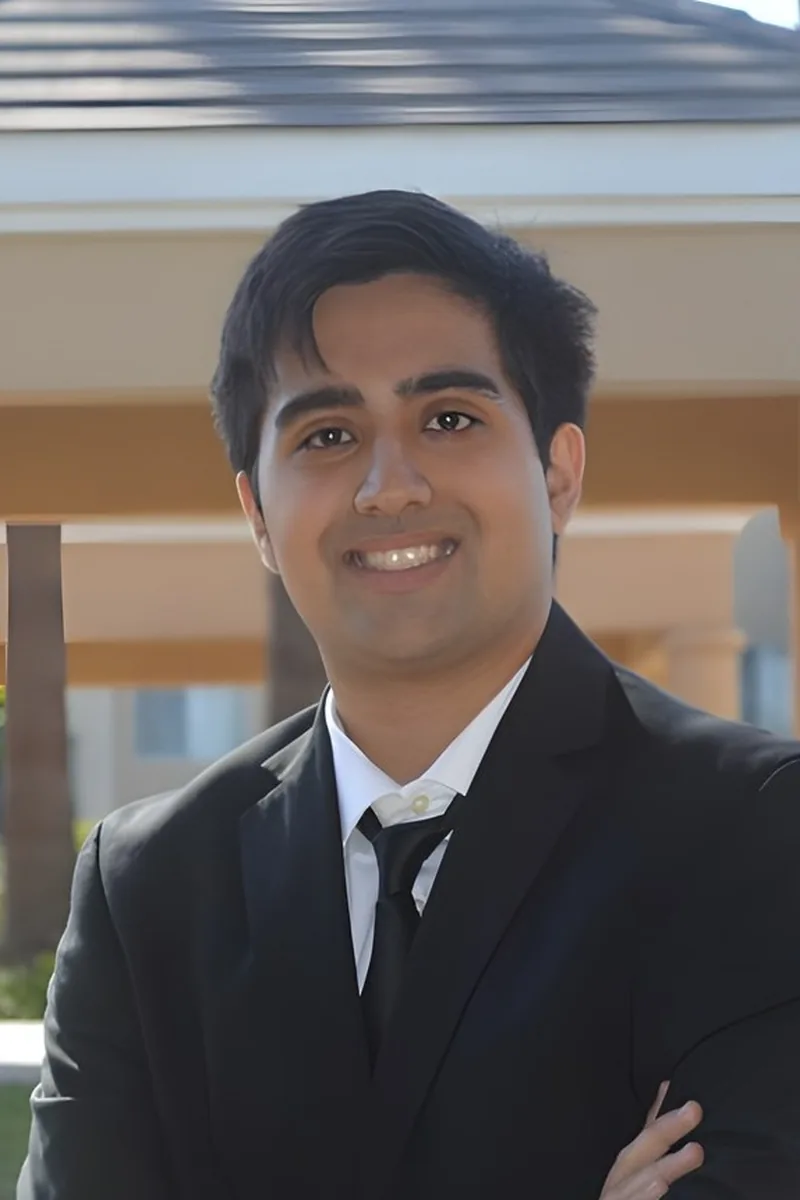
Medical school trains you to read dense, argument-driven texts and extract exactly what matters — a skill Abrahim now applies to AP Lang's multiple-choice passages and timed essay prompts. His biology degree from UCLA (cum laude) required extensive analytical writing, and he teaches students to construct argument and synthesis essays the way a scientist builds a case: clear claim, targeted evidence, no filler. Rated 5.0 by students.
AP Lang is ultimately about argument — dissecting how writers use evidence, tone, and structure to persuade, then doing it yourself under timed conditions. Molly's experience editing for newspapers sharpened her ability to evaluate rhetorical choices quickly, and she walks students through synthesis and argument essays with an emphasis on building claims that actually hold up to scrutiny.
Medical anthropology trains you to read dense, argument-driven texts and extract how authors position evidence to support a claim — which is exactly what the AP Lang exam's multiple-choice and rhetorical analysis sections test. Katie applies that analytical rigor to teaching students how to unpack an author's strategic choices in nonfiction prose and then replicate those moves in their own timed essays. Rated 5.0 by students.
AP Lang is ultimately about argument — how writers build it, how readers evaluate it, and how students construct their own on exam day. Ariel unpacks rhetorical strategies like ethos, logos, and kairos in published essays, then applies those same principles when coaching students through synthesis, argument, and rhetorical analysis prompts. Her background in psychology at Brown gives her a sharp eye for how language persuades.
The rhetorical analysis essay on AP Lang is where most students lose points, often because they summarize the author's argument instead of dissecting how it's constructed. Cassandra teaches students to spot specific persuasive moves — appeals to authority, strategic concessions, shifts in diction — and explain their effect on the audience. She's rated 4.9 across her subjects.
Rhetorical analysis is the backbone of AP Lang, and most students struggle not with identifying devices but with explaining *why* an author's choices matter for a specific audience. Jake unpacks arguments piece by piece — ethos appeals in an opening anecdote, strategic concessions in a counterargument — and teaches students to write analysis that goes beyond labeling techniques. His background in marketing gives him a practical lens on persuasion that translates directly to the exam.
Rhetorical analysis is the backbone of AP Lang, and it trips students up because they confuse identifying a device with explaining how it functions in context. Stephanie approaches each passage as an argument to dissect — examining how authors deploy ethos, strategic concessions, and syntactic choices to persuade specific audiences. Her experience writing and editing at the college level at Princeton keeps her feedback concrete and actionable.
AP English Language is ultimately about rhetoric: understanding how writers persuade and then doing it yourself under a forty-minute clock. David digs into the synthesis, rhetorical analysis, and argument essays individually, teaching students to identify techniques like juxtaposition, appeals to authority, and strategic concession before they ever start writing. His dual English degrees and library science training make him especially sharp on evaluating sources and constructing evidence-driven arguments.
A licensed English 6-12 teacher with a Vanderbilt degree in English Literature, Karen knows the AP Lang exam inside and out — from dissecting rhetorical strategies in nonfiction passages to crafting airtight synthesis and argument essays under time pressure. She teaches students to identify how authors use diction, tone, and structure as persuasive tools, which is the analytical muscle the exam actually tests.
Rhetoric is the backbone of AP Lang, and Jean's legal training gives her a practitioner's understanding of how arguments actually persuade. She teaches students to dissect an author's use of appeals, concessions, and strategic evidence — then apply those same techniques in their own synthesis and argument essays. Her students learn to read like lawyers: identifying what a writer is doing and why it works on the audience.
Trained in NYU's Accelerated MAT program for Secondary English, Jennifer knows the AP Lang exam inside and out — from rhetorical analysis essays to the synthesis prompt's demand for integrating multiple sources into a cohesive argument. She teaches students to identify an author's strategic choices (diction, structure, appeals) and articulate their effects with precision, which is exactly what earns high marks on the rhetorical analysis free response.
AP Lang isn't really about writing well — it's about arguing precisely, which means dissecting how authors use rhetorical strategies like appeals, tone shifts, and structural choices to persuade. Sophie tackles the synthesis and argument essays by teaching students to read sources like a debater: identify the claim, evaluate the evidence, then build a counter. Her 1570 SAT score reflects the same close-reading and analytical skills the AP exam demands.
Testimonials
Because the right AP English Language and Composition tutor makes all the difference.
Average Session Rating – Based on 3.4M Learner Ratings
Practice AP English Language and Composition
Free practice tests, flashcards, and AI tutoring for AP English Language and Composition
Nearby AP English Language and Composition Tutors
Other Charleston Tutors
Related English Tutors in Charleston
Frequently Asked Questions
The AP English Language and Composition exam tests your ability to analyze rhetoric, understand argument, and write persuasive essays. The exam has three main sections: multiple-choice questions on rhetoric and argument analysis, a rhetorical analysis essay, a synthesis essay, and an argument essay. You'll need to identify persuasive techniques, evaluate evidence, and construct your own compelling arguments under timed conditions.
AP scores range from 1 to 5, with a 3 typically considered passing and qualifying for college credit at many universities. Most colleges grant credit or placement for scores of 3 or higher, though some schools require a 4 or 5. Your goal should align with your college plans—aim for a 4 or 5 if you want strong placement or credit, or a 3 if you're primarily focused on meeting the exam requirement.
Many students struggle with time management—the three essays require planning, writing, and revision in just 2 hours and 45 minutes. Identifying rhetorical devices and analyzing their effects also trips up students who haven't practiced systematically. Additionally, distinguishing between the three essay types and understanding what each prompt asks for can be confusing without targeted practice and feedback on your writing.
Personalized 1-on-1 instruction allows tutors to focus on your specific weaknesses—whether that's analyzing arguments, managing essay timing, or strengthening your thesis statements. Tutors can provide detailed feedback on practice essays, teach you strategies for the multiple-choice section, and help you build confidence with the test format before exam day. Regular practice with expert guidance typically leads to measurable score improvements.
Taking at least 3-4 full-length practice tests under timed conditions is ideal, ideally spread across your study timeline rather than all at once. This gives you multiple opportunities to identify weak areas, adjust your pacing strategy, and build test-day stamina. Between full tests, working through individual sections and essays helps reinforce specific skills without the time pressure.
Most students benefit from starting focused exam prep 8-12 weeks before the test, though if you're already taking the AP class, you'll be building foundational skills throughout the year. If you're behind or targeting a higher score, starting earlier with a tutor can help you catch up and develop stronger analysis and writing skills. Even 4-6 weeks of consistent, targeted preparation can lead to meaningful improvement.
Start by reading all three prompts carefully to understand what each requires—rhetorical analysis, synthesis, or argument. Many students find it helpful to tackle the synthesis essay first since it's often more straightforward, then move to rhetorical analysis, saving the argument essay for last. Allocate roughly 40 minutes per essay to allow time for planning, writing, and quick revision. A tutor can help you develop a personalized pacing strategy based on your strengths.
Varsity Tutors connects you with expert tutors for students in Charleston who specialize in AP English Language and Composition. You can get matched with a tutor who understands the exam format, has experience helping students improve their scores, and can work with your schedule. Tutors provide personalized instruction tailored to your specific challenges, whether that's essay writing, rhetoric analysis, or test-taking strategies.
Let’s find your perfect tutor
Answer a few quick questions. We’ll recommend the right plan and match you with a top 5% tutor.