Award-Winning Creative Writing Tutors
serving Dayton, OH
Creative Writing
Tutors in Dayton
Private 1-on-1 tutoring, weekly live classes for academic support, test prep & enrichment, practice tests and diagnostics, and more to elevate grades and test scores.
Based on 3.4M Learner Ratings
UniversitiesSchools & Universities
DeliveredHours Delivered
ProficiencyGrowth in Proficiency
Who needs tutoring?
No obligation. Takes ~1 minute.
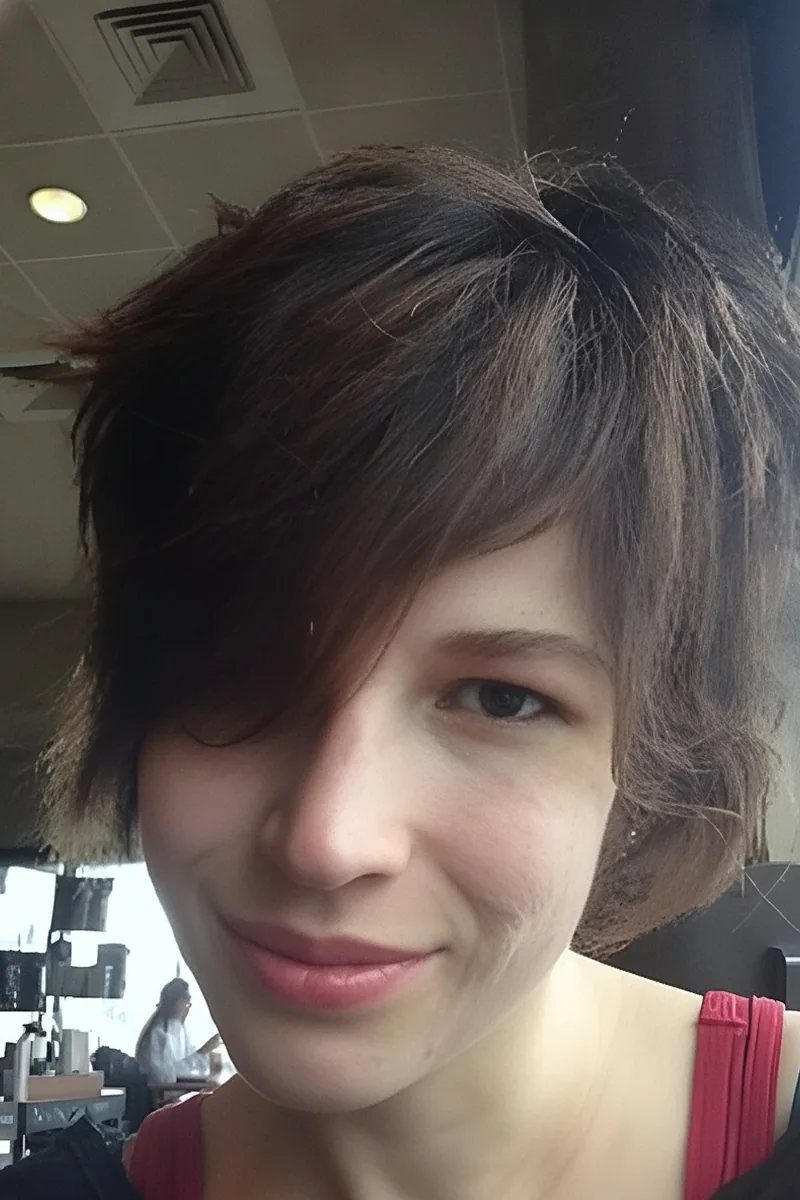
The blank page is the easy part; the hard part is learning to revise with intention — cutting a paragraph you love because it slows the piece, or restructuring an essay's arc to land the ending. Zoe teaches revision as a craft skill, drawing on her training in both English and curriculum design to give writers concrete tools rather than vague encouragement.
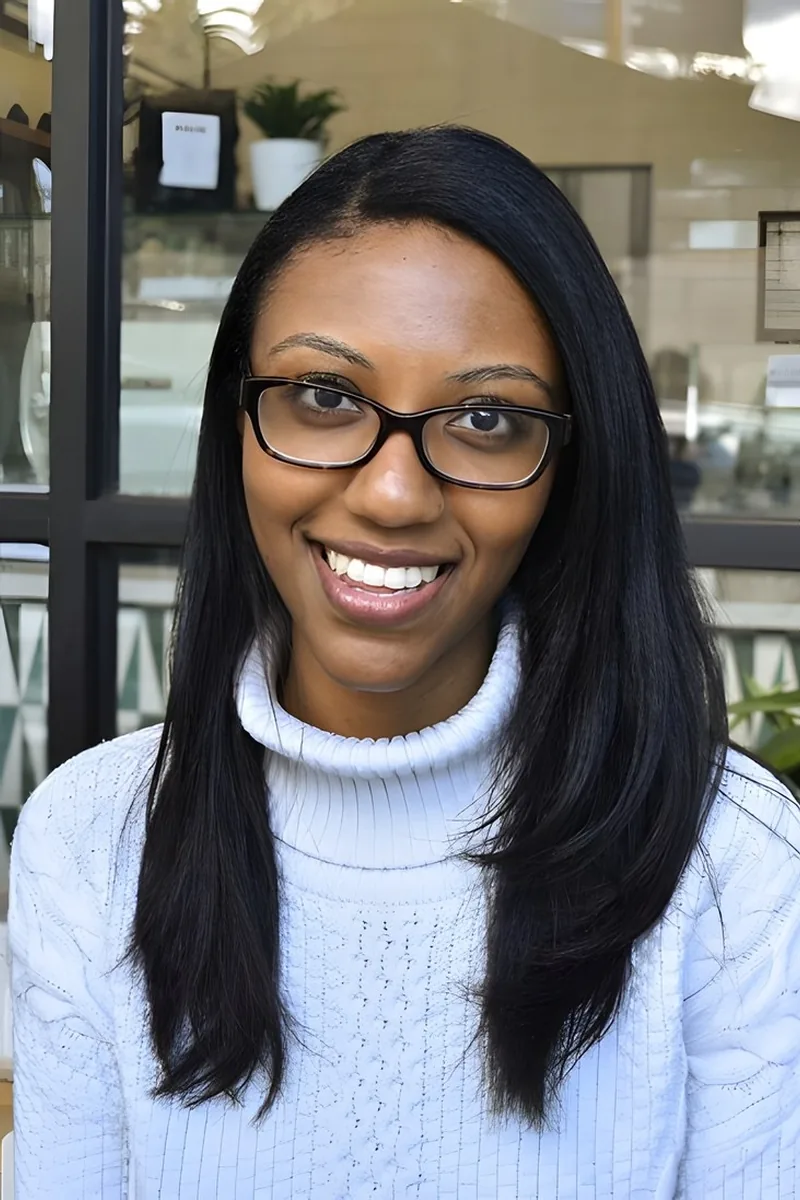
Studying child development at Yale taught Arielle something most writing tutors learn the hard way — that the stories kids want to tell and the language they have to tell them are two very different things, and the gap between them is where creative writing instruction actually lives. She uses that developmental lens to meet each writer's imagination with the right scaffolding, whether that means building a picture book narrative with a first grader or helping an older student craft a short story with real scene structure and dialogue. Rated 5.0 by students.
Emma's own poetry and nature literature lessons — designed for students from preschool through twelfth grade at Chautauqua Institution — taught her how to adapt creative writing instruction to wildly different skill levels without dumbing down the craft. Her Human Development studies at Cornell inform how she approaches the writing process itself, understanding what kinds of prompts and revision strategies actually click at different ages. Rated 5.0 by students.
Good creative writing isn't just inspiration — it's craft decisions about point of view, pacing, dialogue, and revision. Peter trained as a journalist before earning his master's in English Education, so he teaches students to treat their drafts as material to shape rather than precious first attempts. That combination of storytelling instinct and editorial discipline shows up in the fiction, poetry, and personal essays his students produce.
An IB-trained English teacher with a psychology degree from Kent State, Amanda knows how to draw out the personal stories students carry but struggle to put on paper — and how to shape raw material into writing that actually moves a reader. Her classroom experience centers on empowering student voice, which in creative writing sessions means spending real time on craft decisions like when to let a narrator hold back, how dialogue reveals character without exposition, and why the right ending often isn't the obvious one. Rated 4.8 by students.
Twenty years of composing, arranging, and performing music gave Amos an intuitive grasp of structure, rhythm, and pacing that he carries directly into creative writing — he treats a short story draft the way he'd treat a musical score, listening for where the energy builds, where it lags, and where the piece needs a rest or a surprise. That musician's ear makes him especially useful when students are working on prose rhythm, dialogue cadence, or figuring out why a poem sounds flat despite having all the right ideas. Rated 5.0 by students.
Before a story can land, a writer has to know what they're actually arguing — and Melanie's International Relations training is essentially a degree in constructing arguments from competing perspectives, then communicating them clearly under pressure. She applies that same discipline to creative writing, especially when students struggle to give their narrators a distinct point of view or to build essays and stories around a central tension rather than a loose collection of moments. Her ACT Writing chops reinforce the structural side, keeping drafts focused even when the subject matter is personal or messy.
Teaching Spanish in Baltimore City public schools and writing across multiple genres gave Michael a working sense of how language choices — verb tense, sentence rhythm, the weight of a single word — shape a reader's experience differently in fiction than in an essay or a lesson plan. He brings that bilingual awareness of how languages build meaning into creative writing sessions, especially when students are experimenting with voice, tone, or translating lived experience onto the page.
Strong creative writing comes from learning to trust your own voice while also understanding craft — when to linger on a detail, how to build tension, why word choice matters at the sentence level. Mary brings a rare combination of literary training from Yale and hands-on teaching experience to workshop students' poems, personal narratives, and short stories with specific, actionable feedback.
A BA in Creative Writing plus a daily writing practice means Thomas isn't just teaching craft — he's actively living it. He unpacks elements like point of view, dialogue mechanics, scene pacing, and sensory detail, then applies them directly to whatever a student is working on, whether that's a short story, a poem, or the opening chapter of something bigger.
A degree in Literary Arts from Brown gave Hasan deep exposure to craft across genres — fiction, poetry, personal essay, and hybrid forms. He teaches students to identify what makes their voice distinct, then sharpens it through targeted exercises in scene-building, figurative language, and revision strategy. Students rate him 5.0.
The blank page is less intimidating once a writer has real techniques to fall back on — sensory detail, voice, structure, revision strategies. Joanne earned her English BA at Santa Clara with a specialization in teaching and went on to complete a Master's in Educational Studies at Michigan, giving her both the literary knowledge and the pedagogical skill to coach writers across genres. Whether someone is drafting a personal essay, a short story, or an experimental piece, she knows how to push the work forward.
Mathematical thinking trained Valerie to build arguments step by step — a habit that turns out to be surprisingly useful when a student's short story has a pacing problem or their poem loses its thread halfway through. Her applied math degree means she approaches revision almost structurally, mapping out where a draft's logic holds and where it collapses, then working with the student to rebuild those sections with sharper language and clearer intent. Rated 5.0 by students.
A published author with work in Poets & Writers, Longreads, and New Orleans Review, Thea knows what it takes to move a piece from rough idea to polished submission. She digs into the specific craft elements — scene construction, image, rhythm, revision strategy — that turn competent writing into memorable writing.
Policy analysis trains you to take a messy, tangled situation and find the story inside it — who's affected, what's at stake, why it matters — which is exactly the muscle Briana flexes when she sits down with a student's draft and asks where the real tension lives. Her own writing spans fiction, journalism, and expository work, so she can show students how techniques migrate across genres: how a journalist's eye for the telling detail sharpens a short story, or how an essayist's structural instincts give a poem unexpected shape.
Living in France and England didn't just give Heather conversational French — it gave her a writer's habit of noticing the small, strange details that make a place or a person feel real on the page. She brings that observational instinct into drafting and revision, especially when students need to move past generic description and find the specific image or moment that gives a piece its voice. Her quantitative methods background also makes her unusually good at talking about structure — why a scene works where it's placed, how pacing builds, what a piece gains or loses from a different order.
I am a graduate of the Master's program at the School of Education at St. John's University, and a graduate of the undergraduate English program at Washington University in St. Louis. I am currently eligible to teach 7th to 12th grade English in a New York City school under the Initial Certificate, and have a combined three years of experience in the Department of Education. I have a significant background in tutoring, including test prep, English, Mathematics, and Social Studies. My extensive background in education, coupled with my intense desire to bring about positive change in the lives of New York City school children and my belief in the importance of using emerging educational technologies to engage with and enrich the education of students, has made me both a successful teacher, and a popular tutor.
Talia writes fiction and poetry in her own time, but her political science and activism background gives her creative work — and her tutoring — an unusual edge: she knows how to build an argument with scene and image instead of thesis statements, and she teaches students to do the same. She's particularly sharp at helping a draft find its voice, whether that means stripping away overwrought language or pushing a student to dig into the one honest detail they've been dancing around. Rated 5.0 by students.
A blank page is less intimidating when a writer has concrete tools: a compelling opening image, a character with a specific want, a sense of where tension lives in a scene. Victoria teaches these craft elements explicitly, drawing on her own background in essay writing and her humanities-intensive education at The Brearley School and Carleton College. She's particularly skilled at helping students find their own voice rather than imitating someone else's.
Testimonials
Because the right Creative Writing tutor makes all the difference.
Average Session Rating – Based on 3.4M Learner Ratings
Other Dayton Tutors
Related English Tutors in Dayton
Frequently Asked Questions
Creative writing tutoring helps students develop their unique voice and storytelling skills across genres like fiction, poetry, memoir, and screenwriting. Tutors work with students on fundamental techniques including character development, plot structure, dialogue, descriptive language, and world-building. Sessions also focus on the revision process—learning how to self-edit, receive feedback constructively, and refine drafts into polished pieces.
Many students struggle with writer's block, organizing their ideas before drafting, or developing authentic character voices. Others find it difficult to balance showing versus telling in their narratives, or they lack confidence in their creative choices. Personalized tutoring addresses these specific obstacles by breaking down the writing process into manageable steps and providing targeted feedback that helps students build momentum and trust their instincts.
During the first session, a tutor will learn about your writing goals—whether you're working on a short story, novel, poetry collection, or school assignment—and assess your current strengths and challenges. They'll likely review some of your existing work or discuss your writing process to understand your style and needs. From there, they'll create a personalized plan that might include craft lessons, writing exercises, or feedback on your drafts.
Tutors provide detailed, constructive feedback on your drafts that goes beyond grammar corrections—they help you strengthen your narrative voice, clarify your story's emotional core, and refine your language choices. Working 1-on-1 means you get personalized guidance on what's working in your writing and specific strategies for improvement. This ongoing feedback loop helps you develop critical self-editing skills you can apply to future projects.
Yes—creative writing focuses on developing your artistic voice, imagination, and storytelling craft, while academic writing emphasizes thesis development, argumentation, and structure. That said, strong writing fundamentals like clarity, organization, and purposeful word choice apply to both. Many tutors can help with both creative and academic writing, so you can discuss your specific needs when you connect with someone.
Absolutely. Writer's block often stems from perfectionism, unclear ideas, or not knowing where to start. Tutors can help you work through these obstacles using techniques like freewriting, brainstorming, outlining, or exploring your story's core conflict before you draft. They also help you understand your personal writing process and develop strategies to keep momentum going when you feel stuck.
Yes. Varsity Tutors connects you with tutors who specialize in different genres and forms. Whether you're interested in poetry, short fiction, novel writing, screenwriting, memoir, or experimental forms, you can find someone with expertise in that area. Specialized tutors understand the unique conventions, techniques, and challenges of each genre and can provide targeted guidance.
With an 18.1:1 student-teacher ratio across Dayton's 29 school districts, many students benefit from additional one-on-one attention to develop their writing voice and skills. Whether you're preparing for a creative writing class, working on a portfolio, or simply want to improve your craft outside of school, personalized tutoring provides the focused feedback and encouragement that helps you grow as a writer. Tutors can also help you balance creative projects with other academic demands.
Let’s find your perfect tutor
Answer a few quick questions. We’ll recommend the right plan and match you with a top 5% tutor.