Award-Winning Creative Writing Tutors
serving Akron, OH
Creative Writing
Tutors in Akron
Private 1-on-1 tutoring, weekly live classes for academic support, test prep & enrichment, practice tests and diagnostics, and more to elevate grades and test scores.
Based on 3.4M Learner Ratings
UniversitiesSchools & Universities
DeliveredHours Delivered
ProficiencyGrowth in Proficiency
Who needs tutoring?
No obligation. Takes ~1 minute.
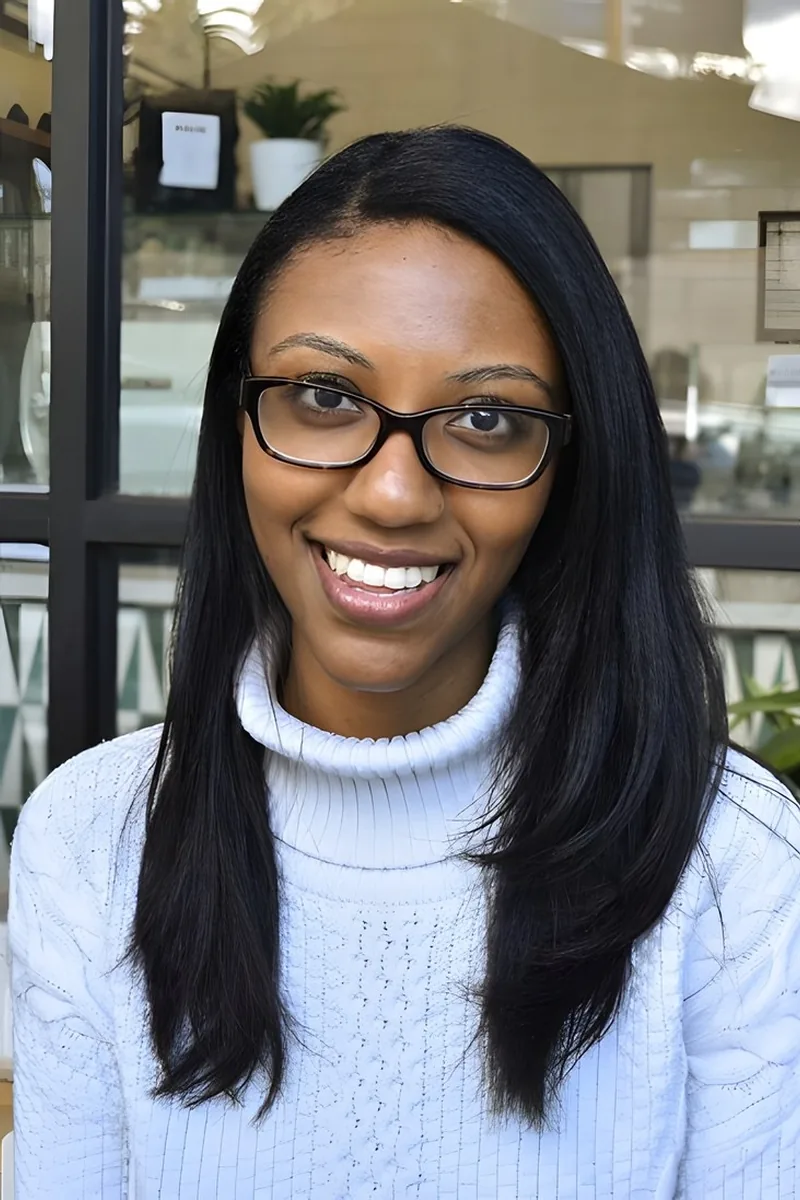
Studying child development at Yale taught Arielle something most writing tutors learn the hard way — that the stories kids want to tell and the language they have to tell them are two very different things, and the gap between them is where creative writing instruction actually lives. She uses that developmental lens to meet each writer's imagination with the right scaffolding, whether that means building a picture book narrative with a first grader or helping an older student craft a short story with real scene structure and dialogue. Rated 5.0 by students.
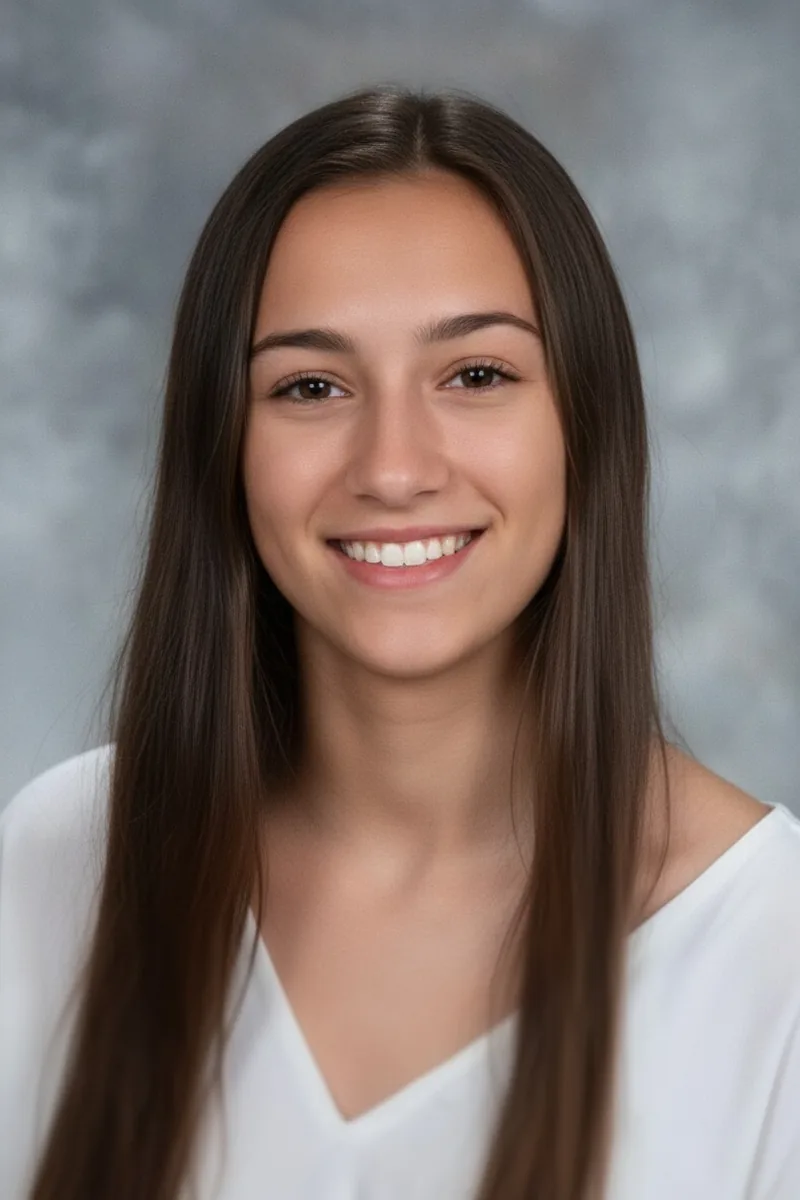
Emma's own poetry and nature literature lessons — designed for students from preschool through twelfth grade at Chautauqua Institution — taught her how to adapt creative writing instruction to wildly different skill levels without dumbing down the craft. Her Human Development studies at Cornell inform how she approaches the writing process itself, understanding what kinds of prompts and revision strategies actually click at different ages. Rated 5.0 by students.
Good creative writing isn't just inspiration — it's craft decisions about point of view, pacing, dialogue, and revision. Peter trained as a journalist before earning his master's in English Education, so he teaches students to treat their drafts as material to shape rather than precious first attempts. That combination of storytelling instinct and editorial discipline shows up in the fiction, poetry, and personal essays his students produce.
An IB-trained English teacher with a psychology degree from Kent State, Amanda knows how to draw out the personal stories students carry but struggle to put on paper — and how to shape raw material into writing that actually moves a reader. Her classroom experience centers on empowering student voice, which in creative writing sessions means spending real time on craft decisions like when to let a narrator hold back, how dialogue reveals character without exposition, and why the right ending often isn't the obvious one. Rated 4.8 by students.
The blank page is the easy part; the hard part is learning to revise with intention — cutting a paragraph you love because it slows the piece, or restructuring an essay's arc to land the ending. Zoe teaches revision as a craft skill, drawing on her training in both English and curriculum design to give writers concrete tools rather than vague encouragement.
Twenty years of composing, arranging, and performing music gave Amos an intuitive grasp of structure, rhythm, and pacing that he carries directly into creative writing — he treats a short story draft the way he'd treat a musical score, listening for where the energy builds, where it lags, and where the piece needs a rest or a surprise. That musician's ear makes him especially useful when students are working on prose rhythm, dialogue cadence, or figuring out why a poem sounds flat despite having all the right ideas. Rated 5.0 by students.
Before a story can land, a writer has to know what they're actually arguing — and Melanie's International Relations training is essentially a degree in constructing arguments from competing perspectives, then communicating them clearly under pressure. She applies that same discipline to creative writing, especially when students struggle to give their narrators a distinct point of view or to build essays and stories around a central tension rather than a loose collection of moments. Her ACT Writing chops reinforce the structural side, keeping drafts focused even when the subject matter is personal or messy.
I love to help students to do well on the SAT and ACT Verbal, Reading, and English sections. I have tutored these areas of standardized tests for more than 3 years. My approach is not "standardized" because I enjoy working one-on-one with clients to tailor learning experiences that address each person's unique needs. As a former professor of communication, I also have the skills to help professionals and graduate students with their research and writing. I am currently helping a doctoral student with her dissertation.
Most creative writing advice is vague — 'show don't tell,' 'find your voice' — without explaining how to actually do it on the page. Marisa earned her writing degree at MIT through rigorous workshops that demanded craft-level revision, not just inspiration. She walks students through concrete techniques like sensory detail, narrative pacing, and point-of-view consistency to turn rough ideas into polished pieces.
The hardest part of creative writing isn't inspiration — it's revision, and knowing why a piece isn't working yet. Dakota's graduate education and lifelong love of reading give her a sharp editorial instinct across genres, from personal essays to short fiction to experimental forms. She treats each student's voice as something to develop rather than correct, pushing drafts forward through targeted feedback on structure, language, and risk-taking.
A creative writing minor from Penn means Sarah has spent serious time in workshops getting and giving feedback on poetry, personal essays, and experimental prose. She walks students through the full arc of a piece — finding a voice, choosing concrete details over vague abstractions, and learning to revise ruthlessly.
Performing improv comedy and writing musicals at Yale has given William a practitioner's understanding of voice, structure, and revision — the three pillars that separate interesting creative writing from flat drafts. He teaches techniques like writing compelling dialogue, controlling pacing through sentence length, and developing characters whose choices drive a story forward rather than just narrating events.
Good creative writing isn't just inspiration — it's craft decisions about voice, pacing, point of view, and when to break the rules you've learned. Mollie has worked as both a content writer and a game designer, two fields where storytelling meets structure and every word has to earn its place. She digs into drafts with students to sharpen dialogue, tighten scenes, and find the story underneath the first attempt.
Four years in Boston elementary and middle school classrooms taught Yan how to get reluctant writers past the blank page — using prompts, visual cues, and structured brainstorming that turn scattered ideas into stories with real shape. Her curriculum design background means she builds each session around where a student actually is as a writer, whether that's a second grader dictating their first narrative or a middle schooler learning to revise for stronger dialogue and pacing.
A math major who writes creatively might sound unusual, but Samuel sees storytelling and problem-solving as the same skill: both require setting up a structure, building tension, and delivering a payoff. He digs into craft elements like voice, pacing, and scene construction, pushing students to revise with intention rather than just adding more words.
Whether the project is a personal essay, a short story, or a poem, Henry approaches creative writing as craft that can be studied and sharpened. He breaks down elements like voice, structure, and imagery with the rigor of a PhD-trained reader, then applies that analysis to each student's own work-in-progress. His 5.0 rating speaks to the encouragement he brings alongside that critical eye.
A published, award-winning writer, Adrianne teaches creative writing from the inside out — character development, voice, dialogue, and the revision process that turns a rough draft into something worth reading. She treats each student's ideas as real material worth shaping, not just classroom exercises.
Having published two books, Lisa knows creative writing from the inside — not just as a set of classroom exercises but as a craft that requires drafting, honest revision, and learning to hear your own voice on the page. She digs into specifics like dialogue pacing, scene construction, and point-of-view choices, giving students concrete feedback they can actually use in their next draft.
Kahini's path from an English degree at Brown to a neuroscience PhD at Columbia means she's spent years toggling between two very different kinds of writing — literary prose that lives in ambiguity and scientific writing that demands precision. That dual fluency shows up in her creative writing sessions, where she can help a student craft a poem that lingers in the right places or tighten a short story's pacing with the same structural instinct she brings to research. Her published fiction background and deep reading in psychology also give her a sharp eye for character interiority — the difference between telling a reader someone is afraid and making them feel it.
Testimonials
Because the right Creative Writing tutor makes all the difference.
Average Session Rating – Based on 3.4M Learner Ratings
Other Akron Tutors
Related English Tutors in Akron
Frequently Asked Questions
Creative writing tutoring for students in Akron covers the fundamentals of storytelling, character development, dialogue, plot structure, and descriptive writing across genres like fiction, poetry, and memoir. Tutors also help students develop their unique voice, overcome writer's block, and learn revision techniques to strengthen their work. Whether you're working on short stories, novels, or poetry collections, personalized instruction focuses on the specific writing goals and challenges you're facing.
Many writers struggle with organization and getting ideas onto the page—that's where personalized tutoring makes a real difference. A tutor can help you develop a writing process that works for your style, whether that's brainstorming techniques, outlining strategies, or drafting methods. They'll also provide detailed feedback on your actual writing, helping you identify patterns in your work and refine your editing approach so revision becomes less overwhelming.
Absolutely. Finding your authentic voice is one of the most rewarding aspects of creative writing, and it's something that benefits greatly from personalized feedback. A tutor can help you recognize patterns in your writing, experiment with different styles and techniques, and build confidence in your unique perspective. Through reading analysis and targeted writing exercises, you'll learn what makes your voice distinctive and how to strengthen it across your work.
Varsity Tutors connects you with tutors who specialize in the genres you're interested in, whether that's poetry, short fiction, novel writing, memoir, or screenwriting. Each genre has its own conventions, techniques, and challenges—a tutor with expertise in your chosen area can provide targeted guidance on things like meter and imagery for poetry, or pacing and tension for fiction. You'll get instruction tailored to your specific creative goals.
Personalized feedback is invaluable because it addresses your specific strengths and weaknesses rather than generic writing advice. A tutor will read your actual work and provide detailed comments on elements like character believability, dialogue authenticity, pacing, and descriptive language. This targeted feedback helps you understand not just what to change, but why—so you can apply those lessons to your future writing and develop as a writer more quickly.
Your first session is about getting to know each other and understanding your creative goals. You'll discuss what kind of writing you want to focus on, any specific challenges you're facing (like writer's block or revising), and what success looks like for you. The tutor may also ask to see samples of your writing so they can assess your current style and skill level, then work with you to create a personalized plan for improvement.
Yes, creative writing tutoring is effective for students at all levels—from middle schoolers just discovering their love of writing to high school students developing more sophisticated techniques, to adults pursuing writing as a passion or career. Tutors adjust their instruction based on your age, experience level, and goals. Whether you're writing your first short story or polishing a novel manuscript, there's a tutor in Akron who can provide the right level of guidance.
Definitely. With 86 schools across Akron's 21 school districts, students work with different creative writing curricula and assignments. Personalized tutoring helps you tackle specific school projects—whether that's a short story for English class, a poetry unit, or a creative component of a larger assignment—while also building broader writing skills that transfer across all your classes. Your tutor can help you balance meeting assignment requirements with developing your authentic voice.
Let’s find your perfect tutor
Answer a few quick questions. We’ll recommend the right plan and match you with a top 5% tutor.