Award-Winning Creative Writing Tutors
serving Canton, OH
Creative Writing
Tutors in Canton
Private 1-on-1 tutoring, weekly live classes for academic support, test prep & enrichment, practice tests and diagnostics, and more to elevate grades and test scores.
Based on 3.4M Learner Ratings
UniversitiesSchools & Universities
DeliveredHours Delivered
ProficiencyGrowth in Proficiency
Who needs tutoring?
No obligation. Takes ~1 minute.
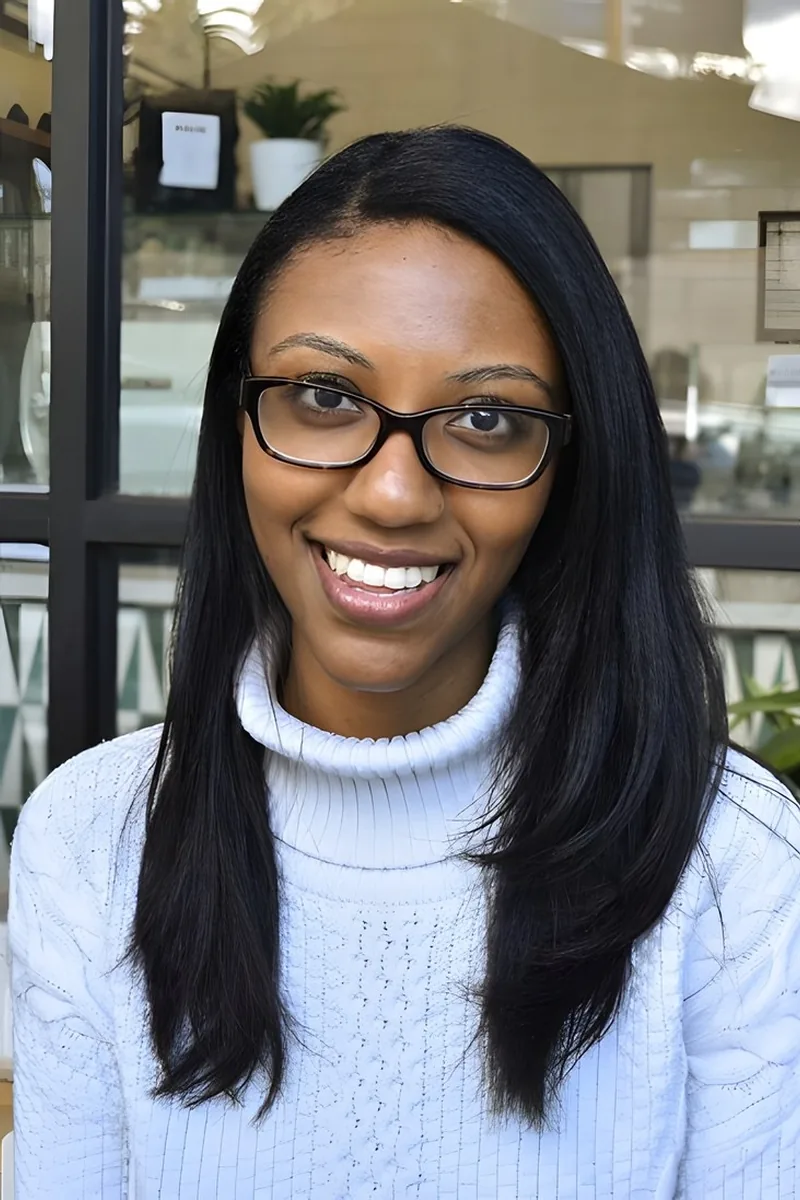
Studying child development at Yale taught Arielle something most writing tutors learn the hard way — that the stories kids want to tell and the language they have to tell them are two very different things, and the gap between them is where creative writing instruction actually lives. She uses that developmental lens to meet each writer's imagination with the right scaffolding, whether that means building a picture book narrative with a first grader or helping an older student craft a short story with real scene structure and dialogue. Rated 5.0 by students.
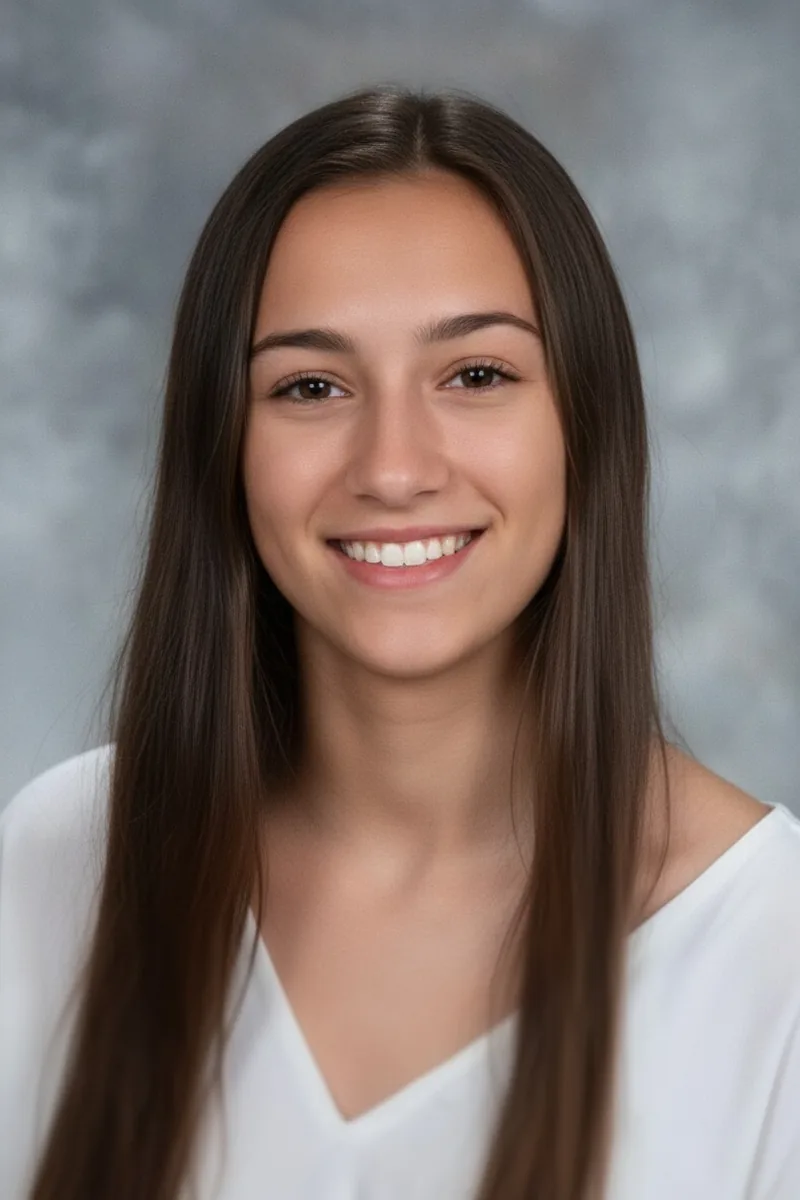
Emma's own poetry and nature literature lessons — designed for students from preschool through twelfth grade at Chautauqua Institution — taught her how to adapt creative writing instruction to wildly different skill levels without dumbing down the craft. Her Human Development studies at Cornell inform how she approaches the writing process itself, understanding what kinds of prompts and revision strategies actually click at different ages. Rated 5.0 by students.
Good creative writing isn't just inspiration — it's craft decisions about point of view, pacing, dialogue, and revision. Peter trained as a journalist before earning his master's in English Education, so he teaches students to treat their drafts as material to shape rather than precious first attempts. That combination of storytelling instinct and editorial discipline shows up in the fiction, poetry, and personal essays his students produce.
An IB-trained English teacher with a psychology degree from Kent State, Amanda knows how to draw out the personal stories students carry but struggle to put on paper — and how to shape raw material into writing that actually moves a reader. Her classroom experience centers on empowering student voice, which in creative writing sessions means spending real time on craft decisions like when to let a narrator hold back, how dialogue reveals character without exposition, and why the right ending often isn't the obvious one. Rated 4.8 by students.
The blank page is the easy part; the hard part is learning to revise with intention — cutting a paragraph you love because it slows the piece, or restructuring an essay's arc to land the ending. Zoe teaches revision as a craft skill, drawing on her training in both English and curriculum design to give writers concrete tools rather than vague encouragement.
Twenty years of composing, arranging, and performing music gave Amos an intuitive grasp of structure, rhythm, and pacing that he carries directly into creative writing — he treats a short story draft the way he'd treat a musical score, listening for where the energy builds, where it lags, and where the piece needs a rest or a surprise. That musician's ear makes him especially useful when students are working on prose rhythm, dialogue cadence, or figuring out why a poem sounds flat despite having all the right ideas. Rated 5.0 by students.
Before a story can land, a writer has to know what they're actually arguing — and Melanie's International Relations training is essentially a degree in constructing arguments from competing perspectives, then communicating them clearly under pressure. She applies that same discipline to creative writing, especially when students struggle to give their narrators a distinct point of view or to build essays and stories around a central tension rather than a loose collection of moments. Her ACT Writing chops reinforce the structural side, keeping drafts focused even when the subject matter is personal or messy.
Most creative writing feedback is either too vague ('make it more vivid') or too prescriptive. Karishma takes a workshop-style approach, walking through specific choices in a student's draft — why this metaphor lands, why that paragraph loses momentum — so writers develop their own editorial instincts over time. She holds a 5.0 rating from students.
Someone who went from hating reading to devouring books understands the moment when language clicks — and that's the energy Aaron brings to creative writing. He digs into craft elements like voice, pacing, and scene construction, encouraging students to experiment on the page and then revise with intention. His conversational teaching style makes workshopping feel collaborative rather than intimidating.
A blank page is less intimidating when a writer has concrete tools: a compelling opening image, a character with a specific want, a sense of where tension lives in a scene. Victoria teaches these craft elements explicitly, drawing on her own background in essay writing and her humanities-intensive education at The Brearley School and Carleton College. She's particularly skilled at helping students find their own voice rather than imitating someone else's.
A degree in Literary Arts from Brown gave Hasan deep exposure to craft across genres — fiction, poetry, personal essay, and hybrid forms. He teaches students to identify what makes their voice distinct, then sharpens it through targeted exercises in scene-building, figurative language, and revision strategy. Students rate him 5.0.
Good creative writing starts with a single vivid detail — not a grand idea. Hanlu teaches techniques like sensory imagery, dialogue pacing, and narrative voice, drawing on her own fiction writing practice and her International Relations background, which sharpened her ability to tell stories across cultural contexts. She's especially effective at helping writers push past the blank page and into revision, where the real craft happens.
A blank page is less intimidating when you have concrete techniques to fall back on — sensory detail, dialogue rhythm, narrative pacing. Renee's PhD work immersed her in how stories are constructed across genres and traditions, and she applies that structural awareness to help writers at any level find their voice and shape raw ideas into polished pieces.
A background in sacred music, fiction writing, and literature means Sarah approaches creative writing the way a composer approaches a score — every element of rhythm, tone, and structure serves the whole piece. She's particularly sharp at showing students how to revise for voice and musicality in their prose, catching the flat sentence or the clunky transition that breaks a reader's spell. Rated 4.8 by students.
An electrical engineering student at Duke might seem like an unlikely creative writing tutor, but Brooke's deep Latin studies — through AP level — trained her to obsess over how individual word choices carry weight, rhythm, and layered meaning in ways that map directly onto crafting strong prose and poetry. She also writes and edits across genres, from college application essays to literary analysis, giving her a practical sense of when a draft needs tighter structure versus more room to breathe. Rated 5.0 by students.
Few creative writing tutors have actually written and produced original plays — Maddy spent her time at Harvard doing exactly that, along with directing student theater productions. That background in dramatic writing gives her a sharp eye for dialogue, voice, pacing, and scene construction, whether a student is drafting fiction, poetry, or a personal narrative. She treats revision as a craft skill, not just proofreading.
Most creative writing instruction defaults to 'just express yourself,' which isn't much help when a student is staring at a blank page. Bethany uses structured exercises — character sketches, dialogue constraints, scene-building prompts — to give students concrete tools for generating and shaping their ideas. Her background in narrative analysis from Berkeley and Duke means she can pinpoint exactly where a story's pacing or voice needs work.
What separates a flat draft from one that actually moves a reader often comes down to articulation — knowing what you're trying to say and finding the precise language to say it. David's liberal arts background and deep experience across poetry, fiction, and essay writing give him a sharp eye for helping a student locate the real story buried inside a rough draft, then tighten the prose until every sentence earns its place.
Every writer hits the moment where an idea feels vivid in their head but flat on the page. John's BFA training in both English and drama sharpened his instincts for dialogue, scene construction, and voice — the craft elements that bring fiction, poetry, and personal narrative to life. He approaches revision as a creative act, teaching students to diagnose why a draft isn't working and rebuild it with intention.
Testimonials
Because the right Creative Writing tutor makes all the difference.
Average Session Rating – Based on 3.4M Learner Ratings
Other Canton Tutors
Related English Tutors in Canton
Frequently Asked Questions
Varsity Tutors matches Canton students with expert Creative Writing tutors for 1-on-1 instruction. We pair each student with a tutor based on their specific needs, learning style, and goals.
Whether you need homework help, exam prep, or want to get ahead, our Creative Writing tutors are ready to help.
Common challenges include gaps from earlier material, difficulty with specific concepts, and trouble applying learning to new problems. These issues can snowball quickly in Creative Writing.
A tutor identifies where you're stuck, fills in gaps, and provides targeted practice. The 1-on-1 format means you get help exactly where you need it.
Tutors work with your student's actual coursework—homework assignments, class notes, and upcoming tests. This keeps tutoring directly relevant to what's happening in the classroom.
When you share information about your student's school and curriculum, we can match you with a tutor who has relevant experience.
All tutors complete background checks, credential verification, and teaching evaluation. Many of our Creative Writing tutors hold advanced degrees or have years of teaching experience.
You can review tutor profiles to find someone with the right background for your student's level and needs.
Many students see improved grades within a few weeks, along with better understanding of Creative Writing concepts and more confidence tackling challenging material.
Tutors track progress and adjust their approach to ensure continued improvement.
Most students benefit from 1-2 sessions per week. More frequent sessions help if your student is significantly behind or has an important exam coming up.
Your tutor can recommend a schedule based on your student's specific situation and goals.
Tutoring is purchased in packages of hours, with rates varying by tutor experience. Varsity Tutors offers several options to fit different budgets and needs.
You can discuss pricing during your consultation to find what works best.
Your tutor will assess where your student is, discuss goals, and start working on priority areas. Most students bring current homework or upcoming test material to focus on.
By the end, you'll have a clear sense of how the tutor can help and a plan for moving forward.
Let’s find your perfect tutor
Answer a few quick questions. We’ll recommend the right plan and match you with a top 5% tutor.