Award-Winning Creative Writing Tutors
serving Cleveland, OH
Creative Writing
Tutors in Cleveland
Private 1-on-1 tutoring, weekly live classes for academic support, test prep & enrichment, practice tests and diagnostics, and more to elevate grades and test scores.
Based on 3.4M Learner Ratings
UniversitiesSchools & Universities
DeliveredHours Delivered
ProficiencyGrowth in Proficiency
Who needs tutoring?
No obligation. Takes ~1 minute.
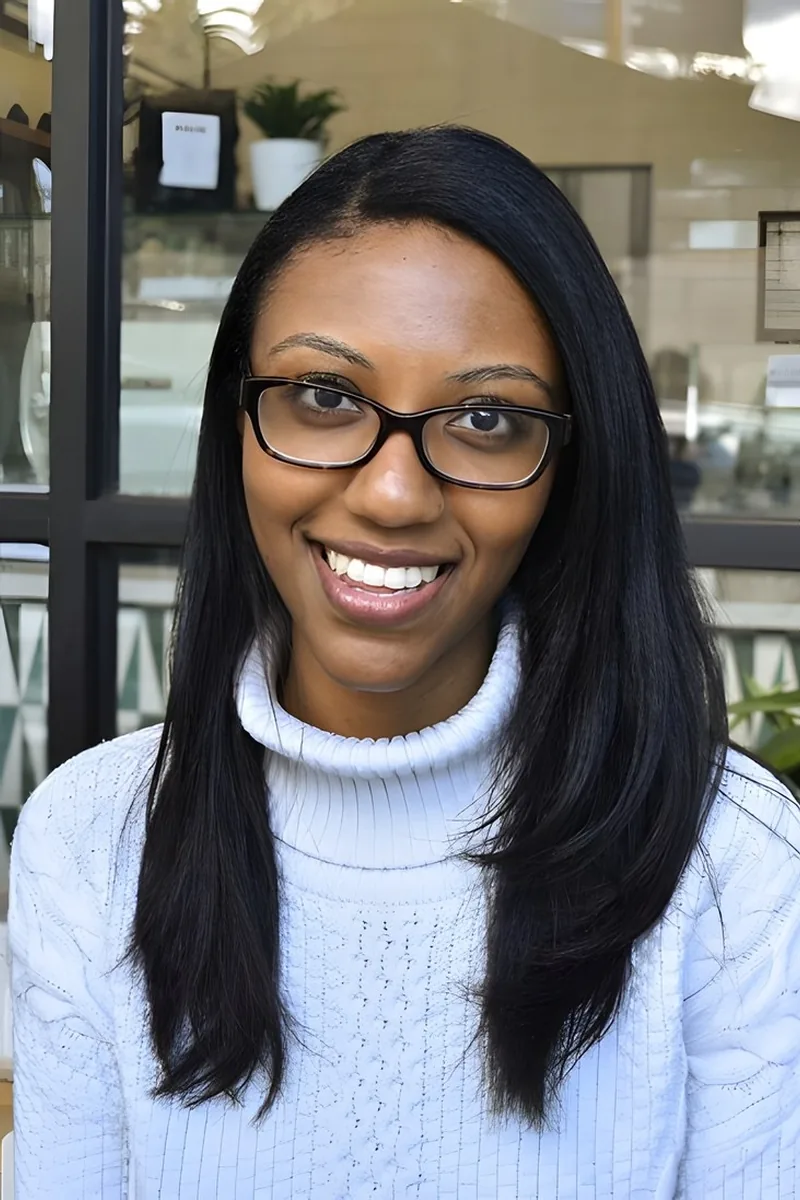
Studying child development at Yale taught Arielle something most writing tutors learn the hard way — that the stories kids want to tell and the language they have to tell them are two very different things, and the gap between them is where creative writing instruction actually lives. She uses that developmental lens to meet each writer's imagination with the right scaffolding, whether that means building a picture book narrative with a first grader or helping an older student craft a short story with real scene structure and dialogue. Rated 5.0 by students.
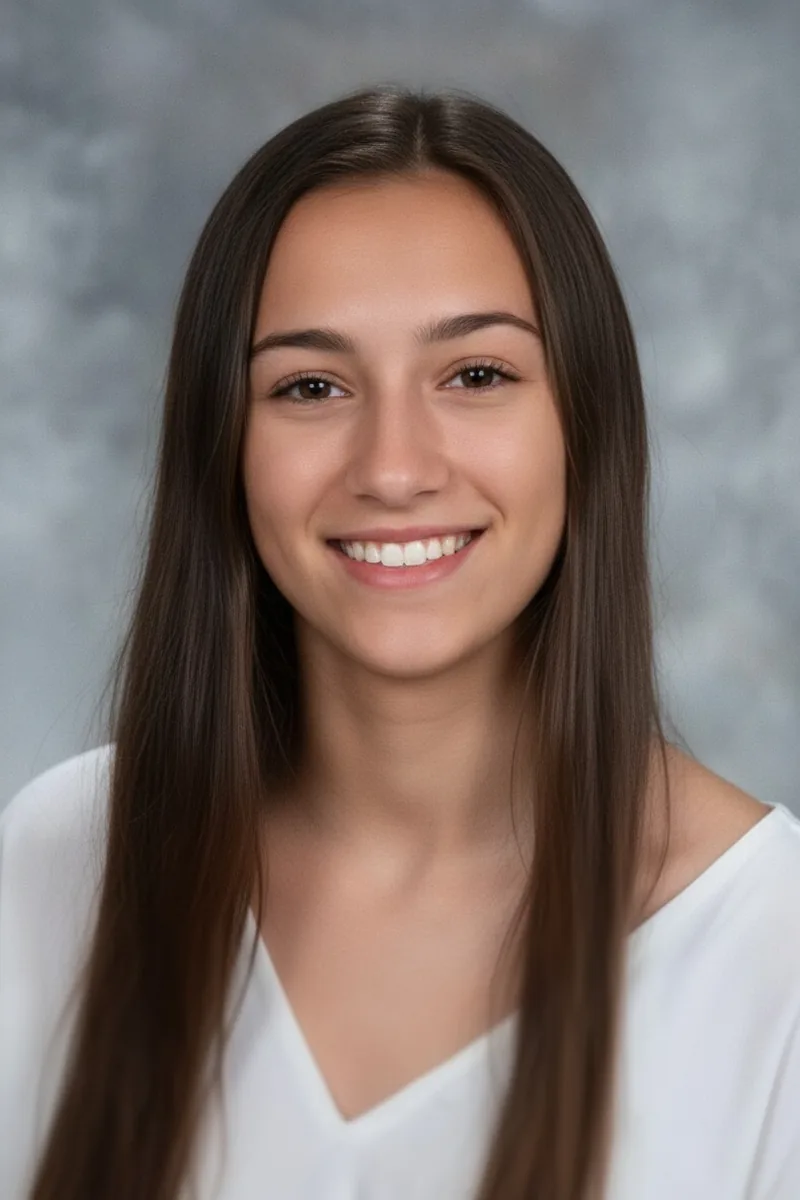
Emma's own poetry and nature literature lessons — designed for students from preschool through twelfth grade at Chautauqua Institution — taught her how to adapt creative writing instruction to wildly different skill levels without dumbing down the craft. Her Human Development studies at Cornell inform how she approaches the writing process itself, understanding what kinds of prompts and revision strategies actually click at different ages. Rated 5.0 by students.
Twenty years of composing, arranging, and performing music gave Amos an intuitive grasp of structure, rhythm, and pacing that he carries directly into creative writing — he treats a short story draft the way he'd treat a musical score, listening for where the energy builds, where it lags, and where the piece needs a rest or a surprise. That musician's ear makes him especially useful when students are working on prose rhythm, dialogue cadence, or figuring out why a poem sounds flat despite having all the right ideas. Rated 5.0 by students.
Good creative writing isn't just inspiration — it's craft decisions about point of view, pacing, dialogue, and revision. Peter trained as a journalist before earning his master's in English Education, so he teaches students to treat their drafts as material to shape rather than precious first attempts. That combination of storytelling instinct and editorial discipline shows up in the fiction, poetry, and personal essays his students produce.
An IB-trained English teacher with a psychology degree from Kent State, Amanda knows how to draw out the personal stories students carry but struggle to put on paper — and how to shape raw material into writing that actually moves a reader. Her classroom experience centers on empowering student voice, which in creative writing sessions means spending real time on craft decisions like when to let a narrator hold back, how dialogue reveals character without exposition, and why the right ending often isn't the obvious one. Rated 4.8 by students.
The blank page is the easy part; the hard part is learning to revise with intention — cutting a paragraph you love because it slows the piece, or restructuring an essay's arc to land the ending. Zoe teaches revision as a craft skill, drawing on her training in both English and curriculum design to give writers concrete tools rather than vague encouragement.
Before a story can land, a writer has to know what they're actually arguing — and Melanie's International Relations training is essentially a degree in constructing arguments from competing perspectives, then communicating them clearly under pressure. She applies that same discipline to creative writing, especially when students struggle to give their narrators a distinct point of view or to build essays and stories around a central tension rather than a loose collection of moments. Her ACT Writing chops reinforce the structural side, keeping drafts focused even when the subject matter is personal or messy.
Whether the project is a personal essay, a short story, or a poem, Henry approaches creative writing as craft that can be studied and sharpened. He breaks down elements like voice, structure, and imagery with the rigor of a PhD-trained reader, then applies that analysis to each student's own work-in-progress. His 5.0 rating speaks to the encouragement he brings alongside that critical eye.
A creative writing minor from Penn means Sarah has spent serious time in workshops getting and giving feedback on poetry, personal essays, and experimental prose. She walks students through the full arc of a piece — finding a voice, choosing concrete details over vague abstractions, and learning to revise ruthlessly.
Four years in Boston elementary and middle school classrooms taught Yan how to get reluctant writers past the blank page — using prompts, visual cues, and structured brainstorming that turn scattered ideas into stories with real shape. Her curriculum design background means she builds each session around where a student actually is as a writer, whether that's a second grader dictating their first narrative or a middle schooler learning to revise for stronger dialogue and pacing.
Medical anthropology at Brown trained Katie to do something most creative writers struggle with on their own — take a deeply personal human experience and render it on the page with both emotional honesty and analytical precision. That ethnographic instinct for capturing voice, ritual, and the telling detail of everyday life gives her a distinctive edge when working on memoir, personal narrative, or fiction rooted in real-world observation. Rated 5.0 by students.
Storytelling is about choices — point of view, pacing, the moment a scene starts and where it cuts off. Varun's Film and Media Studies background trained him to analyze narrative structure across mediums, and he brings that lens to workshopping student fiction, poetry, and personal essays. He digs into the craft decisions behind each draft, pushing writers to sharpen voice and trim what doesn't serve the story.
The blank page is the easy part — the hard part is learning to revise with purpose, to cut a paragraph you love because the piece is stronger without it. Meagan's teaching experience across fiction, poetry, and expository writing means she can adapt creative writing sessions to whatever genre a student is exploring. She treats voice as something students already have, then teaches the craft techniques that let it come through clearly.
Performing improv comedy and writing musicals at Yale has given William a practitioner's understanding of voice, structure, and revision — the three pillars that separate interesting creative writing from flat drafts. He teaches techniques like writing compelling dialogue, controlling pacing through sentence length, and developing characters whose choices drive a story forward rather than just narrating events.
Policy analysis trains you to take a messy, tangled situation and find the story inside it — who's affected, what's at stake, why it matters — which is exactly the muscle Briana flexes when she sits down with a student's draft and asks where the real tension lives. Her own writing spans fiction, journalism, and expository work, so she can show students how techniques migrate across genres: how a journalist's eye for the telling detail sharpens a short story, or how an essayist's structural instincts give a poem unexpected shape.
A background in anthropology gives Iris an unusual advantage in creative writing: she thinks constantly about how people construct meaning, tell stories, and make sense of the world. She digs into craft elements like point of view, dialogue, and scene-building, pushing students to develop their own voice rather than imitate a formula. Whether the project is fiction, poetry, or creative nonfiction, she brings both rigorous feedback and genuine enthusiasm for the work.
Most creative writing advice is vague — 'show don't tell,' 'find your voice' — without explaining how to actually do it on the page. Marisa earned her writing degree at MIT through rigorous workshops that demanded craft-level revision, not just inspiration. She walks students through concrete techniques like sensory detail, narrative pacing, and point-of-view consistency to turn rough ideas into polished pieces.
Rachel's background spans research, editing, and persuasive writing — which means when she sits down with a creative writing draft, she spots structural problems fast and knows how to talk a student through fixing them without flattening their voice. Her own reading life is wide-ranging, and she draws on that to match students with mentor texts that illuminate whatever craft element they're wrestling with, whether it's building tension in a short story or finding the right register for a personal essay. Rated 5.0 by students.
Two published books, co-authored medical journal articles, and poems and pieces in multiple magazines and journals — Mati has been writing professionally for over three decades, which means she knows the difference between a draft that's almost there and one that needs its bones rebuilt. She brings that editorial instinct into sessions on fiction, poetry, and personal narrative, showing students how to revise with purpose rather than just tinker. Rated 5.0 by students.
Testimonials
Because the right Creative Writing tutor makes all the difference.
Average Session Rating – Based on 3.4M Learner Ratings
Other Cleveland Tutors
Related English Tutors in Cleveland
Frequently Asked Questions
Your first session is about understanding your goals and writing style. A tutor will discuss what you're working on—whether it's short stories, poetry, essays, or another form—and identify specific areas to focus on, like plot development, character creation, or finding your unique voice. This personalized approach ensures your tutoring is tailored to your needs from day one.
Writer's block often stems from perfectionism or unclear ideas. Tutors use proven strategies like brainstorming techniques, freewriting exercises, and breaking projects into smaller, manageable steps to get your ideas flowing. They'll also help you develop a sustainable writing process so you can write consistently, even when inspiration feels distant.
Grammar is the technical foundation—correct punctuation, sentence structure, and word usage. Voice is what makes your writing distinctly yours—your tone, style, and perspective. A tutor helps with both: they'll ensure your writing is technically sound while also helping you experiment with different styles and discover what makes your writing authentic and engaging.
Generic feedback can be vague, but personalized 1-on-1 instruction means a tutor reads your actual work and gives specific, actionable comments on what's working and what needs revision. They'll show you concrete examples of how to strengthen weak scenes, develop characters more deeply, or tighten your prose—so you understand exactly how to improve.
Revision is where good writing becomes great. Tutors teach a structured revision process: first reviewing big-picture elements like plot and character arc, then focusing on sentence-level improvements like word choice and pacing. They'll guide you through multiple drafts, helping you see your work with fresh eyes and make intentional choices about every element.
Yes. Whether you're interested in fiction, poetry, memoir, screenwriting, or experimental forms, Varsity Tutors connects you with tutors who specialize in your chosen genre. Each form has its own conventions and techniques, and personalized instruction ensures you're learning the specific skills that matter for the writing you want to create.
Reading like a writer—analyzing how published authors craft their stories, develop voice, and engage readers—is one of the most powerful ways to grow. Tutors help you study the techniques in books and stories you admire, then apply those lessons to your own work. This combination of analysis and application accelerates your development as a writer.
Varsity Tutors connects you with expert tutors who fit your specific needs and schedule. Simply share details about your creative writing goals, experience level, and what you're working on, and you'll be matched with a tutor ready to provide personalized instruction tailored to help you grow as a writer.
Let’s find your perfect tutor
Answer a few quick questions. We’ll recommend the right plan and match you with a top 5% tutor.