Award-Winning Executive Functioning Tutors
serving Dayton, OH
Executive Functioning
Tutors in Dayton
Private 1-on-1 tutoring, weekly live classes for academic support, test prep & enrichment, practice tests and diagnostics, and more to elevate grades and test scores.
Based on 3.4M Learner Ratings
UniversitiesSchools & Universities
DeliveredHours Delivered
ProficiencyGrowth in Proficiency
Who needs tutoring?
No obligation. Takes ~1 minute.
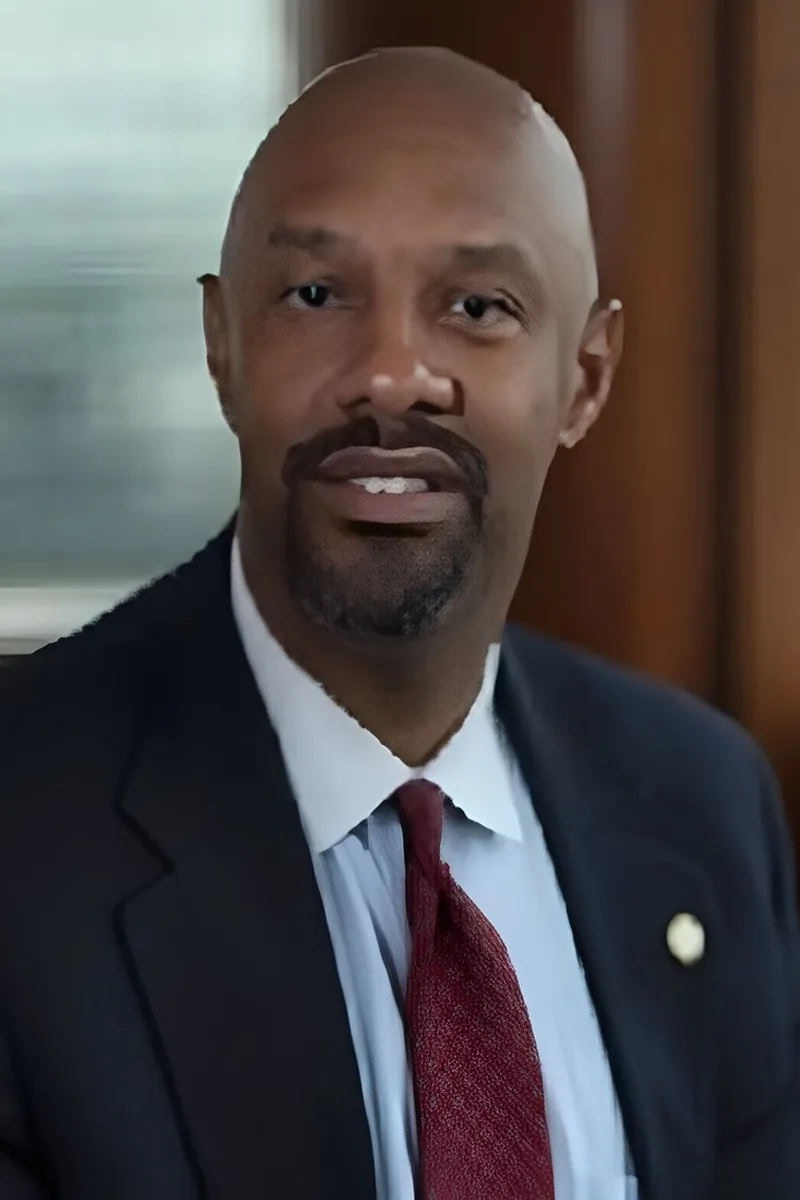
Planning a multi-step project or breaking a semester's worth of material into a weekly study schedule requires the same structured thinking Andrew used throughout his engineering and MBA programs. He teaches students concrete systems for prioritizing tasks, managing time, and organizing materials so that deadlines stop feeling like emergencies. Rated 4.8 by students and families.
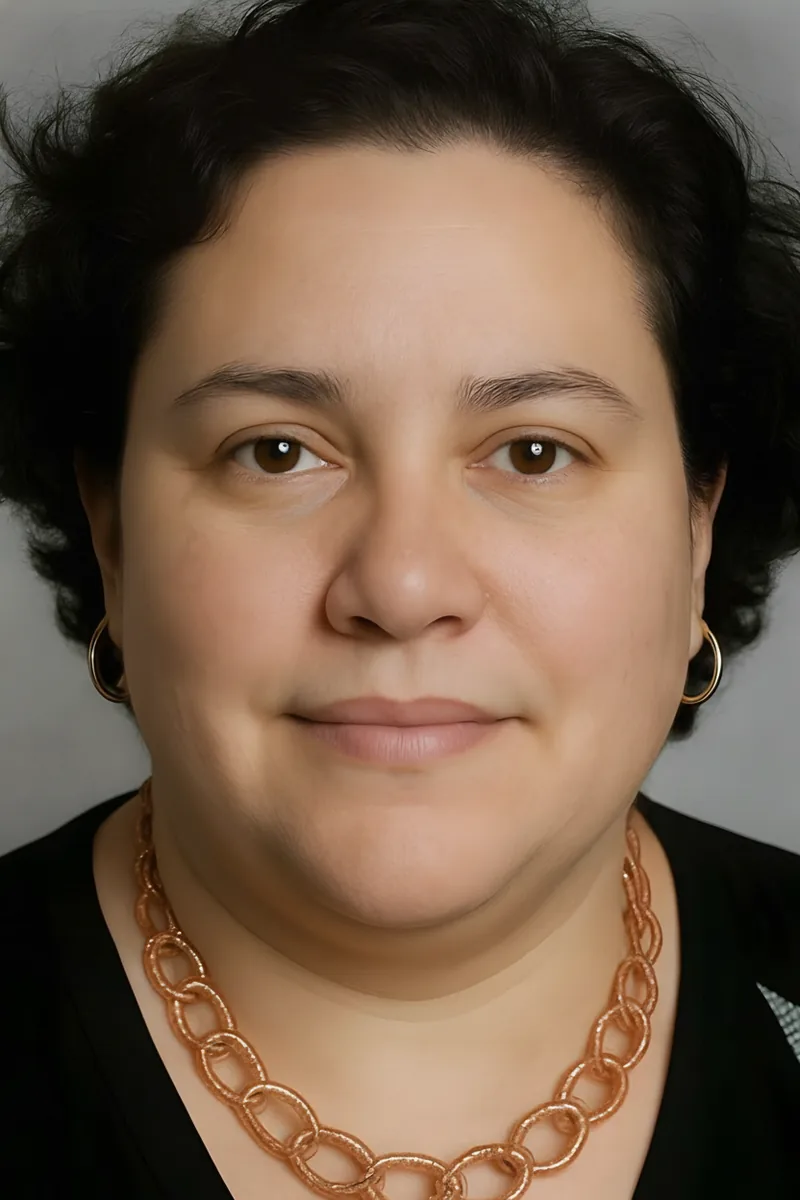
All students can learn, however, not all students learn the same way. The key to learning and the most important part of any teachers job is helping students understand how they learn best. That is what I do well.
Planning a multi-step assignment, managing time across subjects, keeping materials organized — these are skills most schools expect but rarely teach explicitly. Charles's counseling psychology training gives him concrete strategies for building these executive functioning habits, from using visual task breakdowns to teaching students how to self-monitor their own focus and prioritize effectively.
Jamie's Master's in Special Education gave her direct training in breaking executive functioning into teachable skills — things like planning multi-step assignments, managing time with visual schedules, and self-monitoring progress without constant prompting. She builds these strategies into real schoolwork so students practice organization and task initiation where it actually matters, not in isolation.
Breaking large assignments into sequenced steps, building weekly planning routines, managing deadlines across multiple classes — Manuel tackles the organizational side of academics that often goes untaught. His structured approach to executive functioning gives students concrete systems they actually use, not just advice to "stay organized." Rated 5.0 by students.
Graduate training in school counseling means Katherine spends her days learning exactly how students get stuck — not on content, but on the invisible skills like task initiation, planning, and self-regulation that determine whether homework actually gets done. She connects those counseling frameworks to the real academic work students bring in, whether it's a stalled college essay or a psychology reading they keep putting off. Her background across subjects like writing, human development, and AP psychology gives her concrete material to anchor organizational strategies to.
Kenneth's cognitive neuroscience degree means he understands the brain science behind why some students struggle to initiate tasks, regulate attention, or hold a plan in working memory — and that understanding shapes how he teaches these skills rather than just assigning them. He connects executive functioning strategies like sequencing and self-monitoring directly to the academic work students bring in, whether that's structuring a college essay or mapping out a study plan for chemistry.
Balancing a double major in psychology and biology while preparing for medical school forced Karim to build real systems for task prioritization, time blocking, and breaking long-term projects into manageable steps. He teaches those same strategies — planning backwards from deadlines, organizing materials, and self-monitoring progress — so students can manage their own workloads independently.
Planning, prioritizing, starting tasks, managing time — executive functioning skills don't come naturally to every student, and they're rarely taught explicitly in school. Hannah's Special Education program at Purdue trained her in scaffolding these skills through structured routines, visual organizers, and self-regulation strategies. She builds systems that students internalize gradually rather than depend on forever.
Claire teaches concrete systems — color-coded planners, task-chunking methods, priority matrices — rather than vague advice about "staying organized." Her background across a wide range of academic subjects means she can tailor these executive functioning strategies to whatever coursework a student is actually struggling to manage, from essay deadlines to exam prep schedules.
Allison's Master's in Education from George Washington University centered on instructional design — figuring out why information doesn't stick and restructuring the process so it does, which is essentially what executive functioning coaching requires. She applies that design thinking to help a student reverse-engineer a stalled essay or a missed deadline, identifying whether the breakdown was in task initiation, time estimation, or material organization, then building a repeatable system around it. Her broad teaching range across writing, math, and test prep means those systems get tested against real coursework, not hypothetical scenarios.
Tutoring across 46 subjects — from elementary math to organic chemistry to college essays — means Adel constantly sees which organizational habits transfer across disciplines and which ones students are missing. His biochemistry training at Georgia Tech required coordinating lab work, problem sets, and writing simultaneously, so he teaches students concrete strategies for prioritizing tasks, estimating how long assignments actually take, and building weekly workflows that prevent last-minute scrambles. Rated 5.0 by clients.
Testimonials
Because the right Executive Functioning tutor makes all the difference.
Average Session Rating – Based on 3.4M Learner Ratings
Other Dayton Tutors
Frequently Asked Questions
Executive functioning refers to the mental processes that help us plan, organize, manage time, and complete tasks—skills like working memory, flexible thinking, and impulse control. For students in Dayton's 67 schools, strong executive functioning is foundational to academic success, regardless of subject knowledge. When students struggle with organization, time management, or task initiation, personalized 1-on-1 instruction can target these specific challenges and build sustainable habits.
Many students struggle with time management, breaking large assignments into manageable steps, staying organized, managing distractions, or transitioning between tasks. Others have difficulty with working memory—holding and manipulating information while problem-solving. Personalized tutoring helps identify which specific areas need support and teaches concrete strategies tailored to each student's learning style and strengths.
In a typical classroom with an 18.1:1 student-teacher ratio, teachers must support many students with varying needs simultaneously. Personalized 1-on-1 instruction allows tutors to assess exactly where a student struggles, teach customized organizational systems, and practice strategies in real time with immediate feedback. This focused approach helps students internalize executive functioning skills faster and apply them across all their classes.
The first session focuses on understanding the student's specific challenges, current strategies, and learning preferences. A tutor will ask about homework routines, organizational systems, time management struggles, and what's worked in the past. From there, you'll develop a personalized plan targeting the most impactful areas—whether that's creating a planning system, building study routines, or managing procrastination.
Progress shows up in concrete ways: completing assignments on time, maintaining organized materials, reducing procrastination, improved grades, and less stress around schoolwork. Many students also report feeling more confident and independent. A tutor will help establish baseline habits and track specific improvements—like consistently using a planner, meeting deadlines, or completing multi-step projects without constant reminders.
Yes. Elementary students benefit from building foundational organizational and planning skills early. Middle schoolers often need support as academic demands increase and homework becomes more complex. High school students and college-bound students benefit from advanced time management and project planning strategies. Tutors customize instruction to match each student's developmental stage and academic expectations.
Absolutely. In fact, strong executive functioning skills amplify the benefits of any subject tutoring. A student might work with one tutor on math concepts while building organizational systems with an executive functioning tutor—or a single tutor can weave executive functioning strategies into subject instruction. Either way, students develop both content knowledge and the skills to manage their learning independently.
Varsity Tutors connects you with expert tutors for students in Dayton who specialize in executive functioning and understand how to teach organizational and planning skills. You'll share your student's specific challenges and goals, and we'll match you with a tutor whose expertise and teaching style fit your needs. You can then start personalized instruction designed to build lasting habits and academic confidence.
Let’s find your perfect tutor
Answer a few quick questions. We’ll recommend the right plan and match you with a top 5% tutor.