Award-Winning Mandarin Chinese Tutors
serving Buffalo, NY
Mandarin Chinese
Tutors in Buffalo
Private 1-on-1 tutoring, weekly live classes for academic support, test prep & enrichment, practice tests and diagnostics, and more to elevate grades and test scores.
Based on 3.4M Learner Ratings
UniversitiesSchools & Universities
DeliveredHours Delivered
ProficiencyGrowth in Proficiency
Who needs tutoring?
No obligation. Takes ~1 minute.
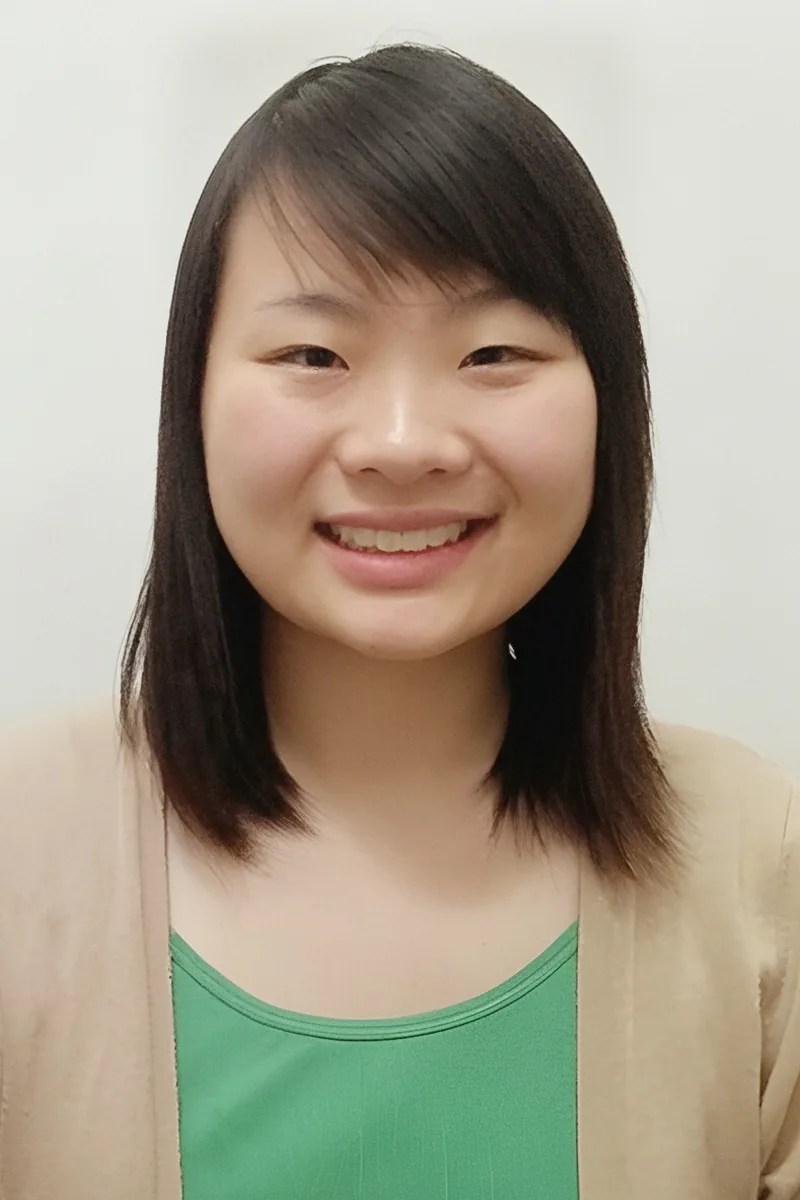
Learning Mandarin means tackling tonal pronunciation, character recognition, and a grammar system that works nothing like English — all at once. Sherry's linguistics background gives her concrete tools for explaining how Mandarin sentence structure, measure words, and aspect markers actually function, turning what often feels like rote memorization into something more systematic.

Learning Mandarin Chinese requires consistent practice with tonal accuracy, character recognition, and sentence structure — skills that benefit from a patient, methodical tutor. Julie's background in philosophy and statistics at Princeton means she approaches language learning with the same logical rigor she applies to formal proofs, breaking grammar patterns into learnable systems rather than isolated rules.
Tony tutored Mandarin Chinese through a DC-based tutoring company, covering tonal pronunciation, character recognition, and sentence structure. His Yale biology background also means he can connect vocabulary building to systematic memorization techniques that make retention of radicals and compound characters far more manageable.
Learning Mandarin means training your ear to distinguish four tones that can completely change a word's meaning. Li's academic background in speech and hearing science gives her a technical understanding of how people perceive and produce these tonal differences, which she uses to build targeted pronunciation drills alongside character recognition and conversational practice.
Teaching Mandarin through all four levels — from tones and stroke order to advanced reading and composition — Tina draws on her Columbia training in applied linguistics to explain how the language actually works structurally. That means students learn not just vocabulary lists but the logic behind character formation, measure words, and sentence patterns that make Mandarin click.
Brittaney teaches Mandarin Chinese across four proficiency levels, from character recognition and tonal pronunciation basics through more advanced reading and composition. She connects language learning to cultural context, which makes vocabulary and grammar patterns stick instead of feeling like rote memorization. Her 5.0 rating speaks to how well that approach works for students at every stage.
Mandarin's tonal system and character-based writing can feel overwhelming without a structured plan of attack. Zora applies the same analytical problem-solving she uses in her Stanford engineering program to break down radicals, stroke order, and pinyin pronunciation into repeatable, logical steps that build real reading and speaking ability.
Learning Mandarin means training your ear for tonal distinctions and building comfort with a writing system that has no alphabet. Yuyi is a native speaker who also understands English-language learning patterns deeply, so she can pinpoint exactly where pronunciation, character recognition, or sentence structure is breaking down for each student.
Martin's anthropology fieldwork required deep engagement with Mandarin Chinese — not just vocabulary lists but tonal precision, character recognition, and the cultural logic behind the language. His PhD-level research background means he can explain how Mandarin grammar structures thought differently than English, making concepts like measure words and aspect markers click for learners at any level.
Native fluency alone doesn't make someone a great Mandarin tutor — knowing *why* the language works the way it does matters just as much. Jiahao's applied linguistics degree and master's in Chinese-English interpretation mean he can explain tonal distinctions, measure word logic, and character radicals in ways that actually stick for English-speaking learners. His 5.0 rating speaks to that clarity.
Margaret's background is in history and education rather than Mandarin linguistics, so she's not the strongest match for students seeking native-level fluency or advanced character work. That said, her experience teaching structured research skills to middle schoolers translates well to helping beginning learners build disciplined study habits around vocabulary acquisition and basic sentence patterns.
Alex teaches all four levels of Mandarin and brings a sharp linguistic eye from an English literature degree — the kind of background that makes grammar comparisons between the two languages click for learners. His finance and business expertise also means he can gear vocabulary and reading practice toward real-world professional contexts, from negotiating terms to parsing Chinese financial documents. Rated 5.0 by students.
Alex took the SAT Subject Test in Chinese with Listening and has taught ESL to Chinese-speaking immigrants — experience that built fluency working across both languages and understanding where English speakers stumble with tones, measure words, and character recognition. That bidirectional language knowledge makes a real difference when breaking down Mandarin grammar structures for learners at any level.
David's Mandarin proficiency is strong enough that he scored well on the SAT Subject Test in Chinese with Listening, giving him firsthand experience with the kind of structured language study that builds real fluency. He tackles tonal pronunciation, character recognition, and grammar patterns like sentence-final particles and measure words with the same systematic approach he brings to his UCLA coursework.
Learning Mandarin means training your ear to distinguish four tones that can completely change a word's meaning, and that's where many students get stuck. Melody breaks tonal patterns into repeatable exercises and pairs them with character recognition drills so that reading and speaking reinforce each other from the start.
Between her economics degree, acting training, and teaching across four levels of Mandarin Chinese, Amanda brings an unusual mix of analytical rigor and performance instinct to language learning — she knows how to break down tonal patterns systematically and how to make speaking feel natural rather than rehearsed. Her conversational Mandarin experience means she emphasizes practical fluency, drilling pronunciation and sentence structure through real dialogue rather than isolated vocabulary lists.
I am highly praised by my students and supervisors. Even today I still kept the communication with many students.
Published in multiple Chinese newspapers and magazines, Jing teaches Mandarin as a living language rooted in culture, not just a set of tones and characters to memorize. She connects vocabulary and grammar patterns to real-world contexts — business conversations, literary texts, everyday interactions — drawing on years of cross-border consulting between English- and Chinese-speaking professionals.
Learning Mandarin Chinese means grappling with tonal pronunciation, character recognition, and a grammar structure that works nothing like English. Andrew teaches all three, walking students through radical-based character memorization and the logic behind measure words, sentence particles, and aspect markers. His approach treats Mandarin not as a collection of phrases to memorize but as a system with its own internal consistency.
As a native-level Mandarin speaker, Amber teaches everything from tone pronunciation and stroke order to complex grammar patterns like 把 (bǎ) constructions and complement structures. She bridges the gap between English and Chinese sentence logic, which is often the biggest stumbling block for learners at every level.
Learning Mandarin means tackling tones, character recognition, and a grammar system that works nothing like English — all at once. As a native speaker from China with a graduate education conducted entirely in English, Sophie bridges both languages naturally, explaining stroke order, measure words, and sentence patterns in ways that click for English-speaking learners.
Studying East Asian Studies at Columbia, Isabel uses Mandarin in academic contexts daily — reading primary texts, discussing cultural topics, and navigating tonal nuances that textbooks often gloss over. She's tutored Mandarin from beginner through advanced levels and keeps sessions conversational, so students practice producing the language rather than just recognizing characters on a worksheet. That interactive approach is especially effective for building confidence with tones and measure words, two areas where most learners stall.
Mandarin's tonal system and character-based writing intimidate most beginners, but Jim — who lived in Asia for years and uses the language regularly — teaches pronunciation and stroke order in a way that makes early progress feel tangible. He connects vocabulary to real conversational situations so students retain what they learn beyond the classroom.
Abby teaches Mandarin across multiple proficiency levels, from first-year character recognition and tone drills all the way through advanced reading and composition. That range means she understands the specific sticking points at each stage — whether it's mastering measure words early on or navigating classical grammar structures later. She connects vocabulary and grammar to real conversational contexts so the language feels usable, not just testable.
As a native Mandarin speaker with a Master's in Foreign Language Education specializing in Mandarin, Bryan understands both the language and the specific challenges English speakers face learning it — from tonal pronunciation to radical-based character memorization. He teaches stroke order, measure words, and sentence patterns in a sequence designed to build reading and speaking ability simultaneously.
As a native Mandarin speaker with a U.S. liberal arts education, Mantong bridges the gap between textbook Chinese and how the language actually works in conversation, formal writing, and cultural context. He digs into tonal precision, character stroke order, and the grammatical logic behind measure words and aspect particles — the details that separate functional speakers from fluent ones.
Learning Mandarin means juggling tonal pronunciation, character recognition, and a grammar system that works nothing like English — all at once. Jessie studied Mandarin through advanced coursework as part of her Asian studies degree and teaches across all four levels, from pinyin basics to reading authentic texts. She connects new vocabulary to radicals and character components so students build literacy skills that compound over time.
Learning Mandarin means juggling tones, character recognition, and a grammar system that works nothing like English — all at once. Rain teaches across four levels of the language, from stroke order and pinyin basics through reading comprehension and formal composition, adjusting her approach depending on whether a student needs conversational fluency or academic proficiency.
Learning Mandarin Chinese means tackling tonal pronunciation, character stroke order, and grammar structures that have no English equivalent — and Mingqian breaks each of these down systematically. Her background in cultural anthropology adds context that textbooks skip, connecting language patterns to the cultural logic behind them.
Learning Mandarin means training your ear to distinguish four tones that can completely change a word's meaning — and most English speakers need targeted practice to get there. Bronwen teaches Mandarin at multiple levels and also speaks Cantonese, giving her insight into tonal languages that a textbook-only instructor simply doesn't have. She builds lessons around real conversation so that pronunciation, grammar, and vocabulary develop together rather than in isolation.
Learning Mandarin means tackling tonal pronunciation, character recognition, and sentence structures that work nothing like English — all at once. Belle teaches these as interconnected skills, breaking down radicals within characters to make memorization more logical and drilling the four tones until they become second nature. Her approach is especially useful for beginners building a foundation in pinyin and basic conversation.
Learning Mandarin Chinese means juggling tonal pronunciation, character stroke order, and sentence structures that work nothing like English — Christine tackles all three by connecting new vocabulary to real conversational contexts. Her background teaching younger students means she's especially good at breaking down intimidating concepts like radical components and measure words into manageable pieces.
Holding a bachelor's degree in Chinese, Scott brings genuine fluency to Mandarin instruction — tone production, character recognition, and the grammatical structures that English speakers find counterintuitive, like aspect markers and measure words. He tailors conversations to a student's level, whether that means drilling pinyin fundamentals or discussing current events entirely in Mandarin. Rated 5.0 by students.
Fifteen years living in Taiwan means James thinks, jokes, and problem-solves in Mandarin — he doesn't translate from English in his head. He teaches tonal precision and character recognition from the start, building the kind of intuitive feel for the language that textbooks alone rarely provide.
As a fluent Mandarin speaker who teaches all four levels through AP Chinese Language and Culture, Zhenyi covers everything from tonal pronunciation and character stroke order to formal essay composition and conversational fluency. Her approach connects grammar structures to real-world usage so students internalize patterns instead of just memorizing phrase lists.
I am a senior studying computer science at MIT. I have 5+ years experience teaching students through nonprofit organizations, private tutoring, and being a teaching assistant for MIT courses. I have experience teaching computer science, math, and SAT to students ranging from middle school to college. I hope to help students reach their goals and gain a love for learning.
I am a law student at Columbia Law School. I love conversing with interesting students and learning from them. That's why I love being a tutor! I graduated from the University of Chicago in 2015 with degrees in Economics and Political Science. I spent most of 2015-2016 travelling around the world. I have been to over twenty countries and four continents. My goal is to visit as many as I can! I am willing to tutor a variety of subjects to a variety of students. This includes test prep for both ACT/SAT and LSAT!
I am currently a chemistry major in my last semester at Middlebury College in Vermont. Besides chemistry, I offer tutoring in all high school math levels and specialize in writing/essay editing and SAT/ACT test prep as well. I am a creative writing minor and really enjoy using a variety of methods to help you develop a sense of conciseness, organization, and rhythm in their writing. Some of my favorite writers/poets include Langston Hughes, John Steinbeck, and Peter Matthiessen.
Having taught at a Mandarin school, Nova approaches Chinese instruction with an ear for the tonal precision and character stroke order that textbooks often gloss over. She's particularly effective at bridging the gap between conversational ability and written literacy — teaching students to read and write characters while reinforcing proper pronunciation. Her 5.0 rating speaks to how well that balance works.
Ingrid is pursuing a double major in Asian Languages and Cultures at Northwestern, where she's studied Mandarin through advanced coursework up to the fourth level. She breaks down tonal pronunciation, character recognition, and sentence structure in ways that make the language accessible to learners at any stage — from pinyin basics to reading and writing full passages.
Testimonials
Because the right Mandarin Chinese tutor makes all the difference.
Average Session Rating – Based on 3.4M Learner Ratings
Nearby Mandarin Chinese Tutors
Other Buffalo Tutors
Related Languages Tutors in Buffalo
Frequently Asked Questions
Mandarin Chinese involves mastering four distinct skills—reading, writing, speaking, and listening—that require different approaches. Personalized 1-on-1 instruction allows tutors to focus on your specific challenges, whether that's tonal pronunciation, character writing, or conversation confidence. Unlike classroom settings where speaking practice is limited, tutoring provides dedicated time to practice speaking with immediate feedback, which is essential for developing natural fluency and accent improvement.
Mandarin's four tones are one of the biggest hurdles for English speakers, since tone changes meaning entirely. Expert tutors can break down each tone systematically, model correct pronunciation, and give you real-time feedback as you practice. With consistent 1-on-1 practice, you'll develop the ear and muscle memory needed to produce tones accurately and understand native speakers more easily.
Learning to read and write Chinese characters requires understanding stroke order, radicals, and character composition—not just memorization. Tutors can teach you the logic behind character construction, which makes learning thousands of characters more manageable. They can also tailor practice to your goals, whether you're focusing on simplified characters for conversational fluency or traditional characters for cultural literacy.
Classroom Mandarin instruction often emphasizes grammar and vocabulary over real conversation. Personalized tutoring flips this by prioritizing speaking practice in realistic scenarios—ordering food, introducing yourself, discussing interests. Tutors can adapt conversations to your proficiency level, correct you naturally, and help you move beyond textbook phrases to authentic, natural speech patterns.
Both matter, but the balance depends on your goals. Expert tutors blend explicit grammar instruction with natural usage patterns, so you understand the 'why' behind sentence structure while also absorbing how native speakers actually communicate. This combination helps you avoid sounding overly formal or textbook-like, and it builds intuition for the language faster than either approach alone.
Vocabulary sticks best when you encounter words in context and use them repeatedly in conversation. Tutors use spaced repetition and retrieval practice—revisiting words in different contexts over time—rather than cramming lists. They can also connect new vocabulary to themes you care about, making words more memorable and useful for real communication.
Language and culture are inseparable. Understanding cultural context—like politeness levels, appropriate topics, and cultural references—helps you communicate authentically and avoid misunderstandings. Tutors can weave cultural insights into lessons, explaining not just what to say but why and when to say it, which deepens both your language skills and cultural appreciation.
Your first session is about getting to know each other and assessing where you're starting from. The tutor will ask about your goals (conversational fluency, exam prep, business communication), test your current listening and speaking ability, and understand your learning style. From there, they'll create a personalized plan that targets your priorities and addresses your specific challenges, whether that's tones, characters, or confidence speaking.
Let’s find your perfect tutor
Answer a few quick questions. We’ll recommend the right plan and match you with a top 5% tutor.