Award-Winning Statistics Tutors
serving Reno, NV
Statistics
Tutors in Reno
Private 1-on-1 tutoring, weekly live classes for academic support, test prep & enrichment, practice tests and diagnostics, and more to elevate grades and test scores.
Based on 3.4M Learner Ratings
UniversitiesSchools & Universities
DeliveredHours Delivered
ProficiencyGrowth in Proficiency
Who needs tutoring?
No obligation. Takes ~1 minute.
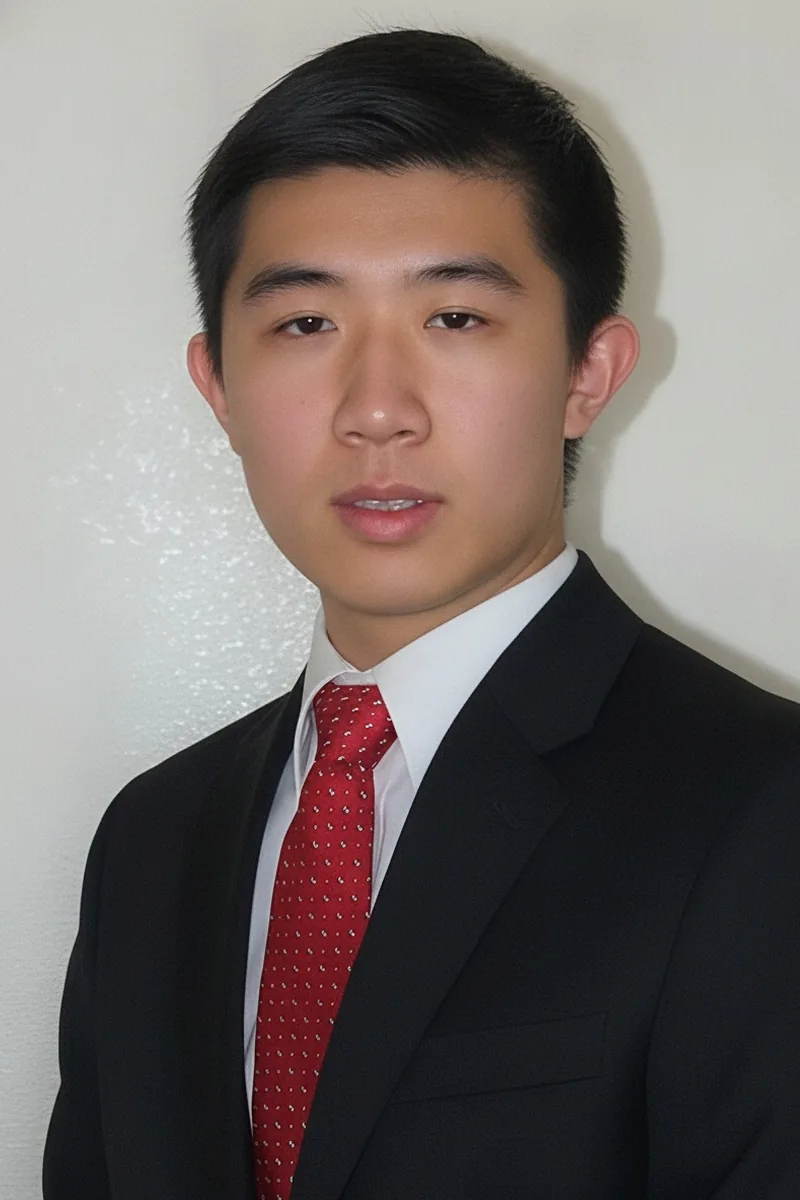
Probability distributions, hypothesis testing, and confidence intervals require a different kind of mathematical thinking — less computation, more interpretation. Michael approaches statistics problems by first asking what the data is actually saying before touching any formula, which mirrors how he analyzes experimental results in his cell and molecular biology coursework at UNLV. That scientific mindset makes statistical reasoning feel intuitive rather than formulaic.
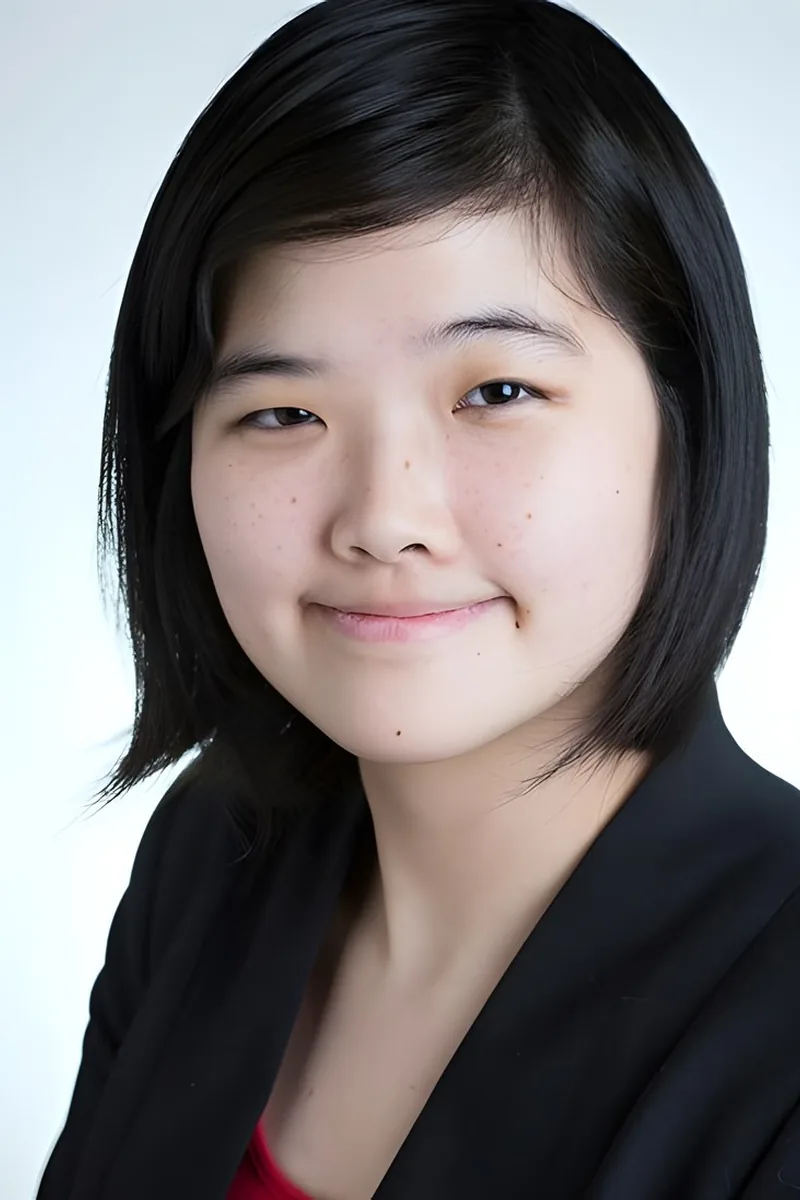
Between her accounting studies and her MBA, Karen has spent years immersed in data — probability distributions, hypothesis testing, and regression analysis aren't theoretical concepts to her but daily tools. She walks students through statistics problems by making them interpret what the numbers actually mean before jumping to formulas.
Forensic science relies heavily on statistical analysis, from interpreting DNA match probabilities to evaluating sampling methods in toxicology reports. Kyle brings that applied perspective to topics like regression, probability distributions, and significance testing, making abstract formulas feel grounded in something real. Rated 4.6 by students.
Probability distributions, hypothesis testing, and confidence intervals each require a different kind of thinking than the math most students are used to. Adriana approaches statistics by making sure students understand what a p-value actually means before they ever plug numbers into a formula, so the calculations carry real interpretive weight.
Understanding when to use a z-test versus a t-test, or why standard deviation matters more than range, requires more than formula sheets — it requires someone who can explain the reasoning behind each method. Henry's quantitative training as a math minor and biology major at UNLV means he applies statistics in both theoretical and data-driven contexts daily. He's rated 5.0 by students.
Interpreting p-values, choosing the right hypothesis test, and knowing when a confidence interval actually tells you something useful — these are the concepts that separate students who understand statistics from those just plugging into calculators. Zachary brings a researcher's perspective from his biochemistry and biophysics training, where statistical analysis was built into every experiment. Rated 5.0 by students.
Engineering at Dartmouth meant Rachel lived in data — running experiments, interpreting distributions, and making decisions based on probability and hypothesis testing. She brings that practical fluency to statistics tutoring, connecting concepts like standard deviation and confidence intervals to real scenarios instead of leaving them as abstract formulas.
Earning a 5 on the AP Statistics exam gave William a head start, but it's his engineering training at Vanderbilt — designing experiments, interpreting distributions, running hypothesis tests on real data — that makes him effective at teaching the subject. He digs into the reasoning behind concepts like p-values and confidence intervals so students can interpret results, not just calculate them.
Probability distributions, hypothesis testing, and regression analysis all clicked for Crony during his neuroscience research at Brown, where he used statistics daily to interpret experimental data. He brings that applied perspective to tutoring sessions, showing students how each concept works in practice — not just on a problem set.
Working as a research assistant in Yale's cognitive neuroscience lab meant Emily ran statistical analyses regularly — hypothesis testing, probability distributions, and interpreting p-values were part of her daily routine. That hands-on experience makes her especially effective at explaining why a statistical method works, not just how to execute it on a calculator.
Studying economics at the undergraduate level means living inside probability distributions, hypothesis tests, and regression models — so Laura treats statistics as a language she already speaks fluently. She breaks down concepts like p-values and confidence intervals by tying them to concrete decision-making scenarios rather than abstract formulas. Her 5.0 rating speaks to how clearly that approach translates for students.
Running regression analyses, interpreting p-values, and choosing between parametric and nonparametric tests are things Martha does routinely in her social psychology research at Michigan. That hands-on fluency means she can explain not just how to compute a standard deviation or set up a hypothesis test, but why each step matters and what the results actually tell you. Rated 5.0 by students.
Studying conducting at Juilliard means Molly lives in data — analyzing scores, interpreting patterns, and making decisions based on complex information. She brings that same analytical mindset to statistics, breaking down probability distributions, hypothesis testing, and data interpretation into logical steps. Her 5.0 client rating speaks to how clearly she communicates even the trickiest concepts.
Reading a research paper in medical school means interrogating p-values, confidence intervals, and study design on a daily basis — so Jean knows statistics as a working tool, not just a textbook subject. She teaches concepts like probability distributions and hypothesis testing by grounding them in real scenarios where the numbers actually matter. Students walk away understanding not just how to run a calculation but what the result means.
Graduating from an IB high school with top marks and then completing a math degree at Brown means Zofia encountered statistics from both sides — the structured hypothesis testing and chi-square analyses of the IB curriculum, and the rigorous probability theory that underpins it all at the university level. She breaks down concepts like conditional probability and sampling distributions by connecting them to the mathematical machinery students rarely get to see in a standard stats course. Her 3.87 GPA in a demanding program speaks to the precision she brings to every session.
A political science degree from Brown meant Lyall spent years interpreting polling data, regression models, and probability distributions in real research contexts. He brings that applied lens to statistics tutoring, connecting concepts like standard deviation and confidence intervals to situations where the numbers actually matter. Students get someone who treats stats as a tool for making arguments, not just a formula sheet to memorize.
Probability distributions, hypothesis testing, and confidence intervals all require a kind of careful reasoning about uncertainty that Allen sharpened through his economics coursework at Yale. He teaches statistics as a way of making arguments with data — interpreting p-values, choosing the right test, and understanding what a result actually means in context. His 5.0 rating speaks to how clearly he communicates these ideas.
Testimonials
Because the right Statistics tutor makes all the difference.
Average Session Rating – Based on 3.4M Learner Ratings
Practice Statistics
Free practice tests, flashcards, and AI tutoring for Statistics
Other Reno Tutors
Related Math Tutors in Reno
Frequently Asked Questions
Statistics tutors work with students using various textbooks and approaches—whether you're working through AP Statistics, introductory college courses, or other curricula. Tutors assess your current materials and teaching style, then tailor instruction to match your classroom while filling gaps in understanding. This alignment ensures that tutoring reinforces what you're learning in class rather than creating confusion between different methods.
Students often struggle with interpreting statistical concepts conceptually rather than just memorizing formulas—understanding when to use which test, why certain assumptions matter, and what results actually mean. Word problems and real-world applications can feel disconnected from the theory, and many students find probability and hypothesis testing particularly challenging. Personalized tutoring helps you move beyond procedural steps to truly understand the reasoning behind statistical methods.
Word problems require translating real situations into statistical language—identifying variables, choosing appropriate methods, and interpreting results in context. Tutors help you develop a systematic approach: breaking problems into steps, recognizing patterns in problem types, and building confidence in your interpretation. This strategy-based approach makes word problems feel less overwhelming and helps you see the connection between abstract concepts and practical applications.
Hypothesis testing involves multiple interconnected concepts—null and alternative hypotheses, p-values, significance levels, and Type I/II errors—that can feel abstract without clear connections. Many students memorize steps without understanding the underlying logic, leading to mistakes and confusion. A tutor helps you build conceptual understanding by working through real examples, showing how each component fits together, and explaining what results actually tell you about your data.
In your first session, a tutor will assess your current understanding of Statistics concepts, identify specific areas where you're struggling, and learn about your learning style and goals. You'll discuss what you're working on in class, review any recent assignments or exams, and develop a personalized plan for moving forward. This foundation ensures that all future sessions are targeted and efficient.
Statistics anxiety often stems from feeling lost in abstract concepts or overwhelmed by formulas and calculations. Working 1-on-1 with a tutor creates a low-pressure environment where you can ask questions freely, work at your own pace, and build understanding gradually. As you develop deeper conceptual knowledge and see patterns emerge, confidence naturally grows—you move from feeling confused to actually understanding why methods work the way they do.
Look for tutors with strong backgrounds in Statistics—whether through advanced coursework, teaching experience, or professional work with data. They should understand different statistical approaches and be able to explain concepts clearly at your level, whether you're in high school AP Statistics or a college course. Varsity Tutors connects you with tutors who have demonstrated expertise and can adapt their teaching to your specific needs and curriculum.
Yes, Varsity Tutors connects students in Reno with expert Statistics tutors who understand the local school curricula and can provide personalized instruction tailored to your needs. With over 100 schools across the Reno area, tutors are familiar with the different approaches and textbooks used throughout the region. Whether you need help with AP Statistics, college introductory courses, or specific challenging topics, you can get matched with a tutor who fits your goals.
Let’s find your perfect tutor
Answer a few quick questions. We’ll recommend the right plan and match you with a top 5% tutor.