Award-Winning English Tutors
serving Reno, NV
English
Tutors in Reno
Private 1-on-1 tutoring, weekly live classes for academic support, test prep & enrichment, practice tests and diagnostics, and more to elevate grades and test scores.
Based on 3.4M Learner Ratings
UniversitiesSchools & Universities
DeliveredHours Delivered
ProficiencyGrowth in Proficiency
Who needs tutoring?
No obligation. Takes ~1 minute.
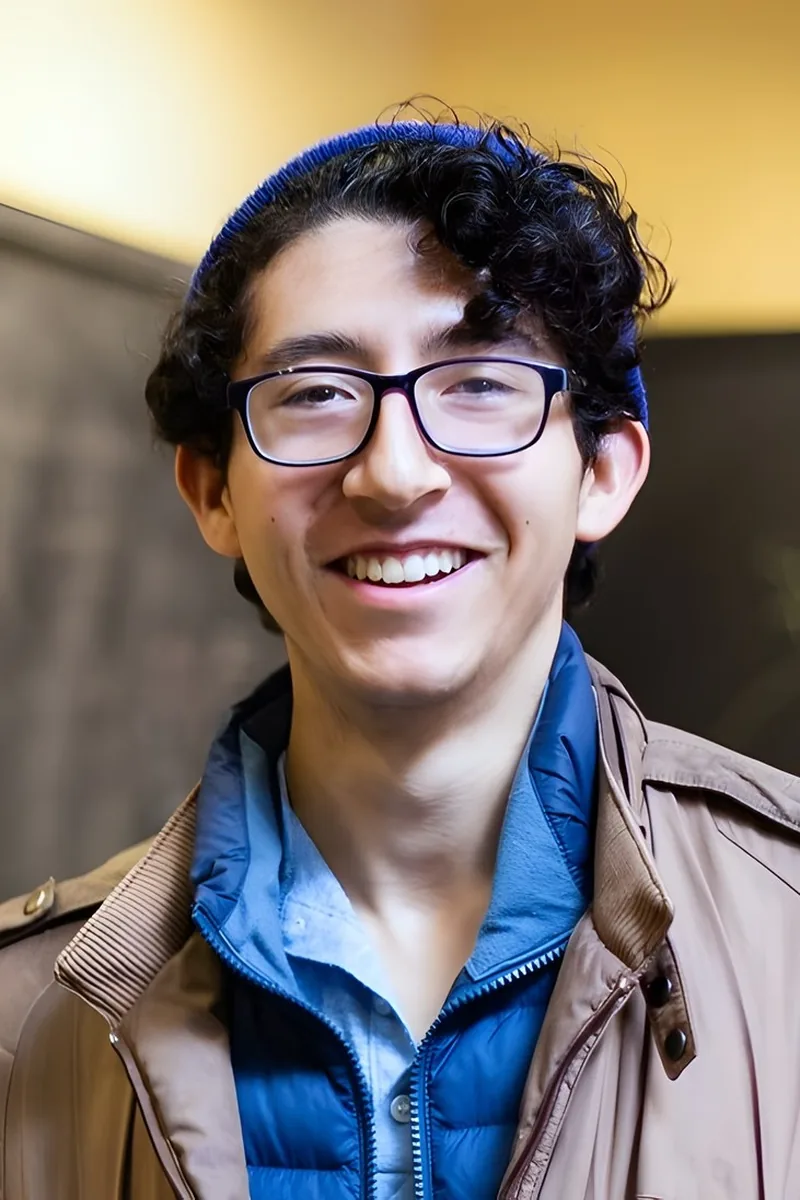
An avid reader and writer pursuing a Philosophy degree alongside his STEM work, Tim approaches English through the lens of argument: every text is making a claim, and close reading is the skill that uncovers it. He breaks down how to annotate effectively, build a thesis from textual evidence, and revise drafts for clarity and voice. Students working on literary analysis or personal essays get someone who genuinely loves the craft of writing.
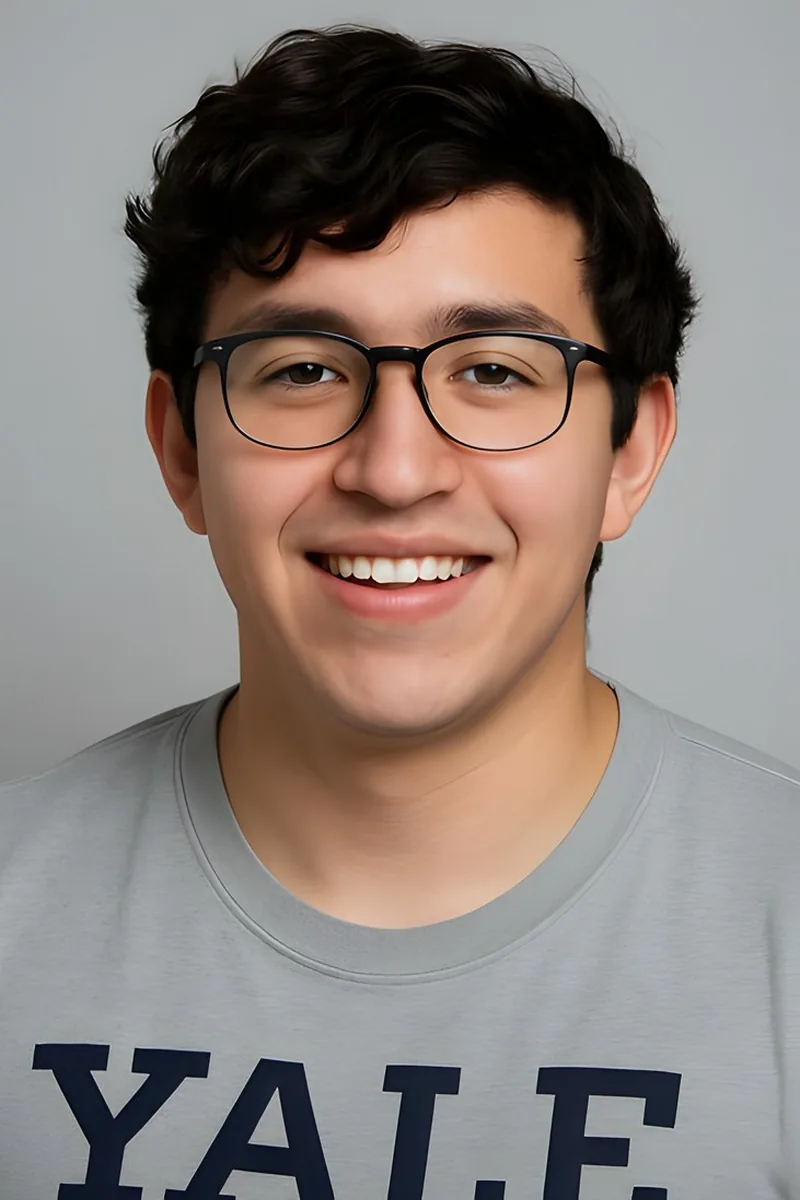
An avid reader and writer, Daniel approaches English by treating every text as something worth arguing about — what the author is doing, why a particular structure works, how to build a claim from evidence. He's comfortable with everything from close reading and thesis development to revision strategies for essays. His 4.7 rating speaks to an ability to make analytical writing feel less mysterious.
Tony's graduate work in Latin American Studies meant producing research papers that demanded precise grammar, clear argumentation, and the ability to synthesize sources across languages — all core English skills. He's especially effective with ESL learners working on grammar mechanics and essay structure, since he understands firsthand how language rules shift between Spanish, Portuguese, and English. Holds a 5.0 rating.
Dylan approaches English by connecting analytical reading to stronger writing — if a student can identify how an author builds an argument in a passage, they can mirror that structure in their own essays. His experience with college essays, literature analysis, and SAT Reading & Writing (1500 composite) gives him a practical toolkit for everything from thesis construction to close reading. He's rated 5.0 by students.
Yasmeen's history and political science work at Penn meant writing constantly — analytical essays, policy arguments, research papers — all requiring sharp thesis statements and evidence that actually supports them. That training translates directly when she teaches essay structure, grammar, and persuasive writing to students who know what they want to say but can't get it on the page clearly. Rated 5.0 by students.
A strong science background might seem unrelated to English, but Cassandra's analytical training sharpens how she teaches argument structure and close reading. She breaks down thesis construction the way she'd approach a proof — claim, evidence, logical connection — and walks through passages by identifying how authors build tone through diction and syntax choices.
A self-described lover of books, writing, and film, Shawn brings genuine enthusiasm to English alongside the analytical rigor of his science background. He teaches students to build arguments the way a scientist builds a case — claim, evidence, reasoning — which translates directly into stronger thesis statements and more persuasive essays.
I am passionate about helping students because I've been a student my whole life! Even though I'm a professor now, I love to learn. And now that I have experience, I love to help others along the learning journey. I have degrees in English and education from Rice University, UT Austin, Texas State, and Texas A&M. I also studied abroad in England at the University of East Anglia and have traveled to many countries. I tutor English and Spanish (my family is from Mexico City). My favorite thing to tutor is writing, and I have taught writing from the Kindergarten-graduate school (Ph.D.) level (what I currently do). I am here to share tools and tips to help you succeed in your learning journey.
I'm trying to work on personal projects. I really enjoy snowboarding, and have been doing that since the third grade. I also enjoy playing sports and video games.
Gabriela's English tutoring draws on her experience coaching college essays and editing admissions writing, so she's especially strong at helping students organize their ideas into clear, well-supported paragraphs. She breaks down the revision process into concrete steps — thesis sharpening, evidence selection, transition logic — that make even reluctant writers more confident on the page.
Martina approaches English through close reading and structured writing, teaching students to pull apart an author's argument before building their own. Her international education — studying politics and international relations in British universities — sharpened her ability to analyze texts critically and construct thesis-driven essays, skills she now passes along to students working on everything from literary analysis to persuasive writing.
Between her literature coursework and studio art practice at Dartmouth, Iliana learned to read texts on multiple levels — analyzing not just what an author argues but how structure, tone, and imagery carry that argument. She digs into close reading techniques, thesis development, and evidence integration, connecting the analytical side of English to the creative instincts students already have.
Strong writing in English comes down to clarity — knowing how to structure an argument, choose precise language, and revise until every sentence earns its place. Emily's economics background trained her to build evidence-driven prose, a skill she now applies to everything from thesis development to paragraph-level coherence. Rated 5.0 by students, she breaks down grammar and composition in ways that sharpen both academic and professional writing.
Between tutoring SAT Reading, SAT Writing, literature, and essay editing, Michael covers the full spectrum of English skills — from close reading and textual analysis to crafting a clean argumentative essay. He's especially effective at teaching students how to move from annotation to thesis, turning scattered observations about a text into a coherent written argument. His 1570 SAT score reflects deep comfort with both the reading comprehension and writing sides of the subject.
Engineering students don't usually list English among their strengths, but Serena genuinely loves the subject — she tutors college essays, literature, and grammar alongside her STEM coursework at UNLV. That dual fluency means she can teach analytical reading and persuasive writing with the same structured clarity she'd bring to a math problem. She's particularly sharp at showing students how to build an argument with evidence rather than just summarizing a text.
Between tutoring SAT verbal sections and earning her degree at Tufts, Michelle developed a sharp eye for how reading comprehension and writing reinforce each other. She teaches students to annotate passages for argument structure, craft thesis-driven essays, and revise their own work with a critical lens — connecting the analytical reading side of English to the expressive writing side.
Engineering trained Zelalem to read dense, technical material and communicate complex ideas clearly — skills that translate directly to essay structure, thesis development, and textual analysis. He tackles English assignments by teaching students how to build an argument the way you'd build a proof: one well-supported claim at a time.
Between college essays, literature analysis, and SAT Writing prep, Deepal covers English from multiple angles and knows the skills that overlap: constructing a clear argument, reading critically, and writing with precision. His own love of reading and writing outside the classroom means he brings genuine enthusiasm to the subject, not just test-prep formulas.
I'm a 2016 graduate of Pepperdine University with my Bachelor of Arts in Chemistry. Currently I'm preparing to apply to optometry school; I hope to be accepted for the 2018-19 academic year. During my time in college, I was involved as a teaching assistant for General Chemistry I and II laboratory, as a tutor for General Chemistry I, as a member of the Regents Scholar Student Board, and as a "small group" leader through multiple organizations. I am a member of the sorority Pi Beta Phi and held the positions of Historian, Senior Transition Leader, and member of the Leadership and Nominating Committee during my undergraduate years. As far as tutoring goes, I offer my services to students of all ages and in numerous subjects. I particularly enjoy tutoring the STEM subjects. I also thoroughly enjoy working with female STEM students, which allows me to serve as a role model and to offer additional encouragement for my female students to not lose interest in STEM subjects. A large part of my tutoring style focuses on logical thinking for how to tackle new and difficult problems using previous knoledge and educated hypotheses; I have found that my students find both success and a boost in confidence using my methodology. Aside from my academic interests, I love cooking and baking, my cat, photography, and National Parks.
Between his arts degree and extensive essay coaching, Sam reads and writes critically every day — skills he channels into teaching close reading, thesis development, and textual analysis. He's especially effective at showing students how to move from a vague observation about a passage to a specific, arguable claim supported by evidence from the text. Holds a 5.0 rating.
Brian tackles English by connecting reading and writing as two sides of the same skill: understanding how an author constructs an argument or narrative, then applying those same techniques in a student's own essays. His background spans literary analysis, persuasive writing, and close reading — all sharpened through Honors College seminars where sloppy reasoning got challenged immediately.
Between her 1500 SAT and a course load heavy on analytical writing for her Government and Legal Studies minors, Megan reads and writes critically every day. She unpacks everything from close-reading strategies for poetry and prose to thesis development for literary essays, giving students concrete tools for both comprehension and composition.
Between her love of reading, her writing hobby, and her history major's demand for essay-based argumentation, Lauryn lives in the world of English every day. She tackles everything from close reading and literary analysis to thesis development, teaching students how to build an argument from textual evidence rather than vague summary. Her style is encouraging but pushes students to think more carefully about their own choices on the page.
Justin's math education degree might seem like an odd fit for English, but his training at UNH included heavy coursework in communication, lesson design, and breaking down complex ideas for diverse learners — skills that translate directly to teaching grammar mechanics and structured writing. He also tutors college essays and essay editing, so he knows how to walk a student through organizing an argument from a messy first draft to a polished final version.
Between her anthropology degree and her daily work supporting high school students, Phonemany lives in the world of reading, writing, and communication. She tackles English as an integrated skill set — connecting how a student reads a text to how they discuss it to how they write about it. Whether the task is a literary analysis essay or a vocabulary-heavy reading assignment, she keeps the focus on building real comprehension rather than surface-level answers.
An avid reader and writer outside the classroom, Million brings genuine curiosity to English coursework — from close-reading a novel's themes to structuring a persuasive essay with a clear, evidence-driven argument. He teaches students to treat revision as a process of tightening logic and sharpening claims, not just fixing surface errors.
Elizabeth approaches English by connecting reading comprehension to writing output — analyzing how an author builds an argument or develops a character, then applying those same techniques to a student's own essays. Her experience with college essays and essay editing means she's particularly sharp at teaching thesis development, paragraph structure, and how to revise a draft that feels "done" but isn't quite there yet.
Between her essay editing experience and her business writing background, Karen approaches English from a practical angle: how to structure an argument, support a claim with textual evidence, and revise a draft until it's sharp. She's especially effective with students who can discuss a book out loud but freeze when it's time to turn those ideas into a coherent essay on the page.
Samuel's experience writing college essays and editing academic work gives him a practical grip on what English courses actually demand: clear thesis development, textual analysis, and polished revision. He approaches literature assignments by teaching students to pull specific evidence from the text and build interpretations that go beyond plot summary.
Reading critically and writing persuasively are two sides of the same coin, and Katherine tackles both by teaching students to identify an author's argument before building their own. Her experience with college essays, literature analysis, and essay editing gives her a practical toolkit for everything from close-reading a passage to structuring a thesis-driven response under timed conditions.
Reading a novel and writing a coherent essay about it are two completely different skills, and Orestes tackles both. He teaches students to identify thesis-worthy arguments in literature, organize evidence into body paragraphs, and revise for clarity — the same analytical process he uses across his essay editing and business writing sessions. Rated 4.9 by students.
Between writing college-level lab reports at UCLA and tutoring across literature, essay editing, and reading comprehension, Andrea has spent years on both sides of the red pen. She digs into thesis development and textual analysis with students, showing them how to build an argument that holds together from introduction through conclusion.
An anthropology background means Justin reads texts the way a researcher does — pulling apart arguments, identifying rhetorical strategies, and tracing how language shapes meaning. He brings that same analytical rigor to grammar, essay structure, and close reading, whether a student is dissecting a novel or drafting a persuasive piece. Rated 5.0 by students.
Reading comprehension, thesis statements, literary analysis, close reading of poetry — Sanda's English degree makes her a natural fit for the full range of English coursework. She currently pursues an ESOL graduate degree, which sharpens her ability to unpack confusing syntax and teach essay structure to students at every proficiency level. Whether a student struggles to get ideas on paper or needs to tighten an argument, she knows where to start.
Between her 1450 SAT, her love of reading, and a sociology program that demands constant analytical writing, Kendra lives in the world of close reading and evidence-based argumentation every day. She unpacks everything from thesis construction and textual analysis to identifying rhetorical strategies in fiction and nonfiction — the skills that make English click at any level.
Reading dense scientific literature and writing structured lab reports are core parts of Kyle's forensic science program, which sharpened his ability to analyze texts and build coherent arguments. He teaches students how to break down a passage's main claims, identify supporting evidence, and organize their own writing with a clear thesis and logical flow.
From ESL classrooms in Eastern Europe to college-level American literature, Alexis has taught nearly every flavor of English there is. She digs into whatever a student actually needs — whether that's close-reading a novel for theme and symbolism, structuring an analytical essay with textual evidence, or simply building confidence with sentence-level clarity. Her dual background in International Relations and Theatre from Tulane means she reads widely and thinks about language from multiple angles.
An applied mathematics major might seem like an unusual pick for English, but Adriana's education degree trained her to teach structured argumentation and evidence-based writing — skills that transfer directly to essay construction and literary analysis. She walks students through thesis development, paragraph organization, and how to support a claim with textual evidence so the writing holds together logically.
Henry approaches English through the lens of argument — teaching students to identify a writer's thesis, trace how evidence supports it, and craft their own analytical claims in response. His experience with college essays and literature gives him a practical toolkit for everything from close reading poetry to structuring a five-paragraph essay that actually says something. Students rate him 5.0.
A semester reading literature at the Sorbonne and years tutoring in Manhattan classrooms gave Chris a sharp eye for both close reading and clear writing. He breaks down thesis construction, evidence integration, and revision strategies in a way that builds real confidence with academic essays and literary analysis.
Testimonials
Because the right English tutor makes all the difference.
Average Session Rating – Based on 3.4M Learner Ratings
Other Reno Tutors
Related English Tutors in Reno
Frequently Asked Questions
During the first session, a tutor will assess your current reading, writing, and comprehension skills to understand your strengths and areas for growth. They'll discuss your specific goals—whether that's improving essay writing, preparing for standardized tests, or building confidence with literature analysis—and create a personalized plan tailored to your needs. This foundation helps ensure every subsequent session builds on what matters most to you.
In Reno's classrooms, the average student-teacher ratio is about 19:1, which means teachers have limited time for individual feedback on writing or reading challenges. Personalized 1-on-1 instruction allows a tutor to focus entirely on your learning style, pace, and specific struggles—whether that's grammar, essay structure, or critical thinking. This targeted approach typically leads to faster improvement and deeper understanding than what's possible in a group setting.
Yes. Strong writing requires practice, feedback, and revision—things that are difficult to get consistently in a classroom. Tutors work with you on everything from thesis development and argument structure to sentence-level clarity and grammar. With personalized guidance and multiple rounds of feedback on your actual essays, you'll develop the skills to write more confidently across different formats and purposes.
Reading comprehension improves through guided practice with challenging texts, discussion of themes and symbolism, and strategies for active reading. Tutors help you move beyond surface-level understanding to analyze author's purpose, character motivation, and literary devices. They can also teach you annotation techniques and question-asking strategies that make reading more engaging and help you retain information better.
Yes. Varsity Tutors connects you with tutors who specialize in SAT and ACT preparation, including the Reading & Writing sections. They're familiar with the specific question types, time constraints, and strategies that help students improve their scores. Whether you need to strengthen foundational skills or learn test-specific tactics, personalized prep can make a meaningful difference in your results.
Tutors work with students across all grade levels, from elementary writing fundamentals through high school literature and college-prep English. They cover grammar, vocabulary, essay writing, poetry analysis, research skills, public speaking, and AP English courses. No matter where you are in your English journey, Varsity Tutors can connect you with someone who specializes in exactly what you need.
Tutoring rates vary based on the tutor's experience, the specific topics you need help with, and your frequency of sessions. Varsity Tutors works with tutors at different price points to match various budgets. You can discuss rates and find a tutor who fits your needs when you connect with our team.
Varsity Tutors connects you with qualified English tutors for students in Reno based on your specific needs, schedule, and learning goals. You'll be matched with someone who has expertise in the areas you want to improve, whether that's writing, reading, test prep, or a specific grade level. The process is straightforward—just let us know what you're looking for and we'll find the right fit.
Let’s find your perfect tutor
Answer a few quick questions. We’ll recommend the right plan and match you with a top 5% tutor.