Award-Winning AP Environmental Science Tutors
serving Henderson, NV
AP Environmental Science
Tutors in Henderson
Private 1-on-1 tutoring, weekly live classes for academic support, test prep & enrichment, practice tests and diagnostics, and more to elevate grades and test scores.
Based on 3.4M Learner Ratings
UniversitiesSchools & Universities
DeliveredHours Delivered
ProficiencyGrowth in Proficiency
Who needs tutoring?
No obligation. Takes ~1 minute.
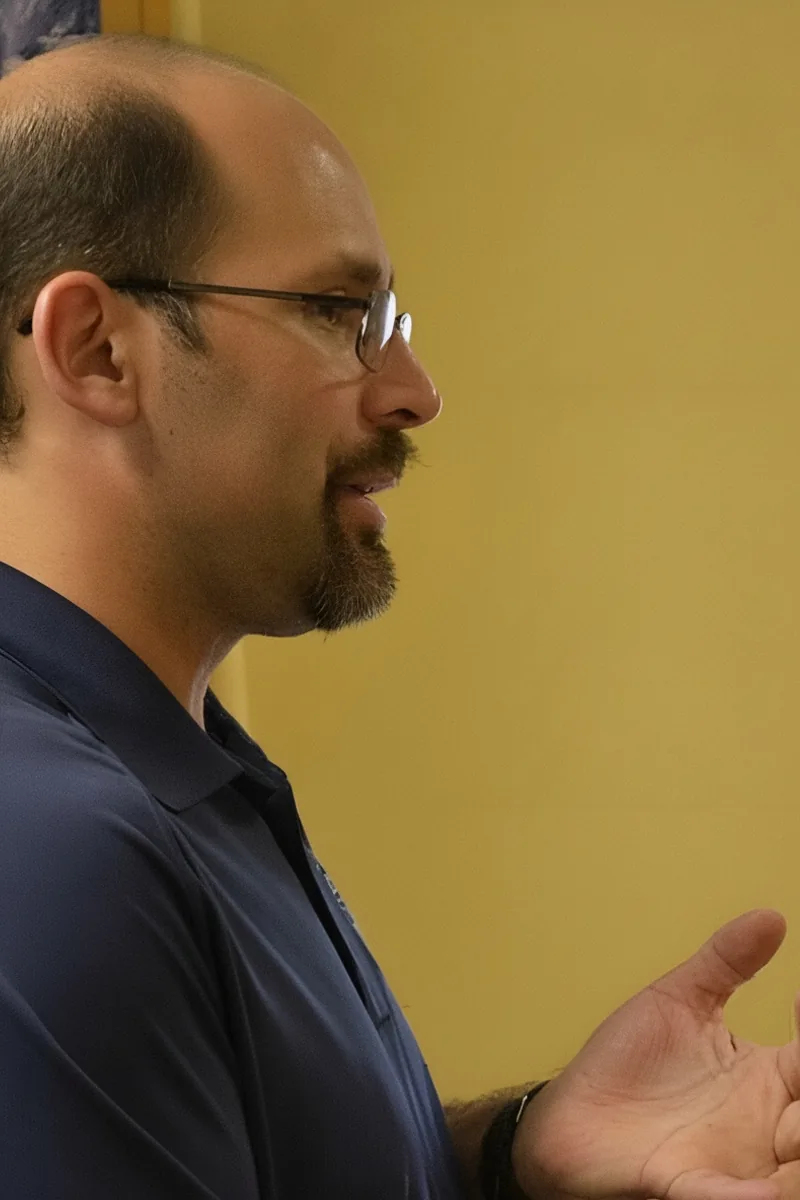
Shawn's master's in chemistry gives him a molecular-level understanding of the processes that drive APES content — ocean acidification equilibria, nitrogen fixation pathways, ozone depletion mechanisms — so he can explain the why behind environmental phenomena instead of just naming them. He also teaches the course's surprisingly tricky math, from parts-per-million conversions to energy budget calculations, with the comfort of someone who's done far harder stoichiometry. Rated 4.9 by students.
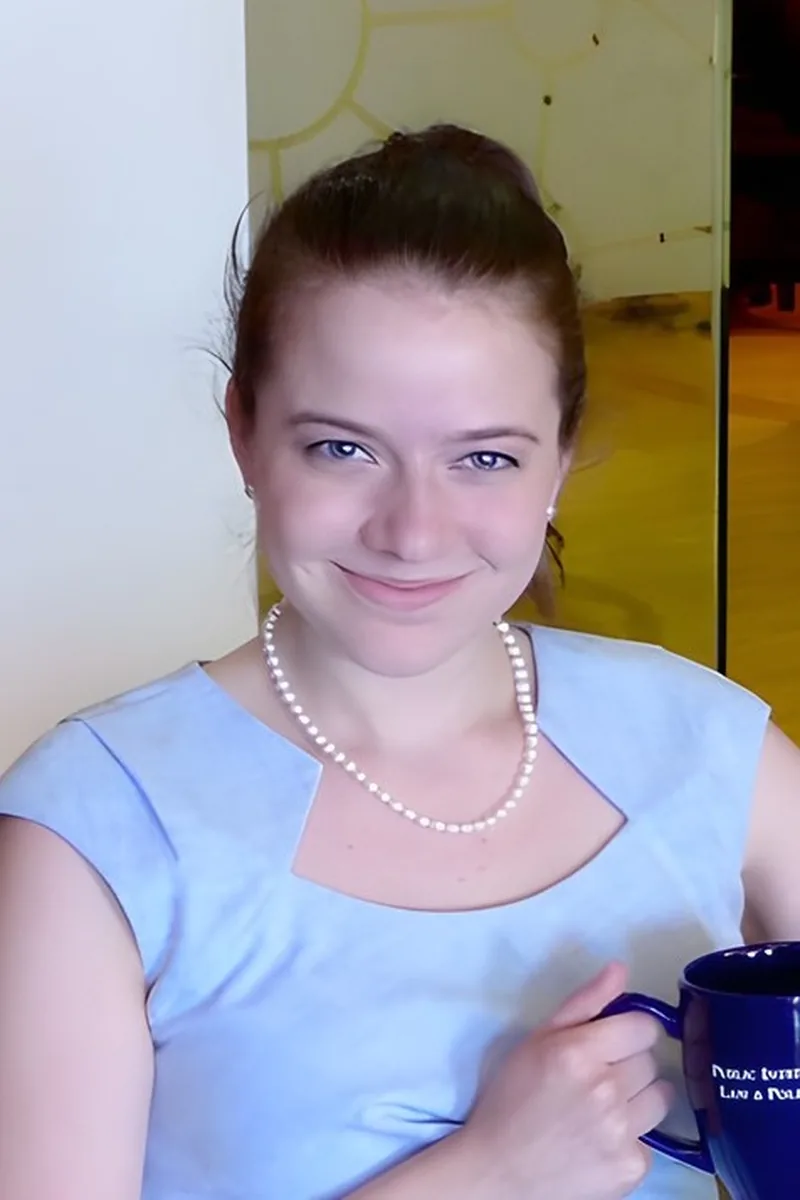
Sophie's Peace and Justice Studies program at Tufts dives deep into the social and policy dimensions of environmental issues, giving her a perspective on AP Environmental Science that goes well beyond textbook ecology. She connects topics like biodiversity loss, resource management, and pollution legislation to the real-world case studies that frequently appear on the AP exam's free-response questions.
Geophysics sits at the intersection of earth systems and physical processes — so when Derrick teaches APES topics like plate tectonics, soil formation, or how geological activity shapes resource distribution, he's drawing on coursework that goes well beyond the AP curriculum. He also brings strong math and physics chops to the quantitative side of the exam, tackling energy budget calculations and atmospheric modeling problems that pure memorization won't solve. Rated 5.0 by students.
Studying neuroscience at Vanderbilt means Elliot spends his coursework tracing how organisms respond to environmental stressors at the biological level — a perspective that sharpens his teaching of APES topics like toxicology, bioaccumulation, and dose-response relationships. His chemistry minor adds depth when unpacking biogeochemical cycles and the math behind pollution concentration problems, areas where students who rely on vocabulary alone tend to lose free-response points.
Running a marine biology summer camp means Zoey has taught kids to trace real ecological relationships — predator-prey dynamics, nutrient runoff in coastal systems, habitat loss from human development — which map directly onto the APES curriculum's core units. Her master's in marine biology gives her the field-level understanding of biodiversity, conservation, and ecosystem interactions that turns abstract exam topics into concrete examples students actually remember. Rated 4.9 by students.
Supervising an AmeriCorps conservation program in New Mexico means Rachel doesn't just teach APES concepts like land management, resource depletion, and habitat restoration — she manages real projects dealing with them daily. Her Johns Hopkins master's in Environmental Health Sciences adds the scientific rigor behind topics like pollution pathways and risk assessment, while her public health training sharpens the kind of systems-level thinking the exam's free-response questions demand.
I am a 3rd year bio major at GT with minors in biochemistry and computer science. My tutoring subjects are math, bio, and chem. I have tutored for a few years, and I have also TAed! My favorite subjects are general chemistry and molecular biology (: My personal belief is that anyone can enjoy a subject once they truly understand it.
Neuroscience teaches you to think about interconnected systems — how a single disruption cascades through networks of dependent processes — and Ankit applies that same framework to APES topics like trophic cascades, biogeochemical disruptions, and feedback loops in climate systems. His dual background in neuroscience and computer science at Duke, combined with a perfect 36 ACT, means he's comfortable with both the conceptual modeling and the quantitative problem-solving the exam demands.
Having spent a year as a climate change researcher at the University of Helsinki — where she completed PhD-level atmospheric science coursework — Marika brings firsthand lab and field experience to AP Environmental Science. She digs into biogeochemical cycles, energy flow, and climate modeling with the depth the AP exam demands, connecting FRQ strategies to the actual science behind each topic.
Kiera is majoring in Ecology and Evolutionary Biology at Dartmouth, which means she's studying biodiversity, population dynamics, and ecosystem interactions at a level well beyond what the APES exam requires — and her engineering modification adds the quantitative rigor needed for calculations like energy transfer efficiency and ecological footprint math. She scored a 35 on the ACT and holds a 5.0 tutoring rating, bringing that same precision to the data-analysis and experimental-design questions that make up the bulk of the free-response section.
Political science might seem distant from APES, but Emily's government background is a real asset for the policy-heavy free-response questions — evaluating legislation like the Clean Air Act, weighing economic trade-offs of resource management, and constructing evidence-based arguments about environmental regulation. She pairs that with a 34 ACT and the visual-thinking skills of a trained photographer, which means she's unusually effective at teaching students to extract information from the data tables, diagrams, and graphs the exam relies on. Rated 5.0 by students.
Biochemistry gives Don a molecular-level understanding of the processes APES only scratches the surface of — he can explain why dissolved oxygen drops downstream of a nutrient spill by walking through the actual chemistry of eutrophication and aerobic decomposition, not just labeling a diagram. That depth, plus a 35 ACT and 5.0 rating from students, makes him especially sharp on the exam's quantitative pieces like calculating biomass transfer between trophic levels or interpreting water quality data sets.
Ashley's dual degrees in the Science of Natural and Environmental Systems and Economics mirror exactly what APES demands — the ability to think across ecological principles and the human economic forces driving resource depletion, land use change, and pollution policy. She tackles topics like cost-benefit analysis of environmental regulations and the economics behind tragedy-of-the-commons scenarios with genuine subject fluency, not just textbook familiarity.
Testimonials
Because the right AP Environmental Science tutor makes all the difference.
Average Session Rating – Based on 3.4M Learner Ratings
Practice AP Environmental Science
Free practice tests, flashcards, and AI tutoring for AP Environmental Science
Other Henderson Tutors
Related Science Tutors in Henderson
Frequently Asked Questions
Varsity Tutors matches Henderson students with expert AP Environmental Science tutors for 1-on-1 instruction. We pair each student with a tutor based on their specific needs, learning style, and goals.
Whether you need homework help, exam prep, or want to get ahead, our AP Environmental Science tutors are ready to help.
Common challenges include gaps from earlier material, difficulty with specific concepts, and trouble applying learning to new problems. These issues can snowball quickly in AP Environmental Science.
A tutor identifies where you're stuck, fills in gaps, and provides targeted practice. The 1-on-1 format means you get help exactly where you need it.
Tutors work with your student's actual coursework—homework assignments, class notes, and upcoming tests. This keeps tutoring directly relevant to what's happening in the classroom.
When you share information about your student's school and curriculum, we can match you with a tutor who has relevant experience.
All tutors complete background checks, credential verification, and teaching evaluation. Many of our AP Environmental Science tutors hold advanced degrees or have years of teaching experience.
You can review tutor profiles to find someone with the right background for your student's level and needs.
Many students see improved grades within a few weeks, along with better understanding of AP Environmental Science concepts and more confidence tackling challenging material.
Tutors track progress and adjust their approach to ensure continued improvement.
Most students benefit from 1-2 sessions per week. More frequent sessions help if your student is significantly behind or has an important exam coming up.
Your tutor can recommend a schedule based on your student's specific situation and goals.
Tutoring is purchased in packages of hours, with rates varying by tutor experience. Varsity Tutors offers several options to fit different budgets and needs.
You can discuss pricing during your consultation to find what works best.
Your tutor will assess where your student is, discuss goals, and start working on priority areas. Most students bring current homework or upcoming test material to focus on.
By the end, you'll have a clear sense of how the tutor can help and a plan for moving forward.
Let’s find your perfect tutor
Answer a few quick questions. We’ll recommend the right plan and match you with a top 5% tutor.