Award-Winning AP World History Tutors
serving St. Paul, MN
AP World History
Tutors in St. Paul
Private 1-on-1 tutoring, weekly live classes for academic support, test prep & enrichment, practice tests and diagnostics, and more to elevate grades and test scores.
Based on 3.4M Learner Ratings
UniversitiesSchools & Universities
DeliveredHours Delivered
ProficiencyGrowth in Proficiency
Who needs tutoring?
No obligation. Takes ~1 minute.
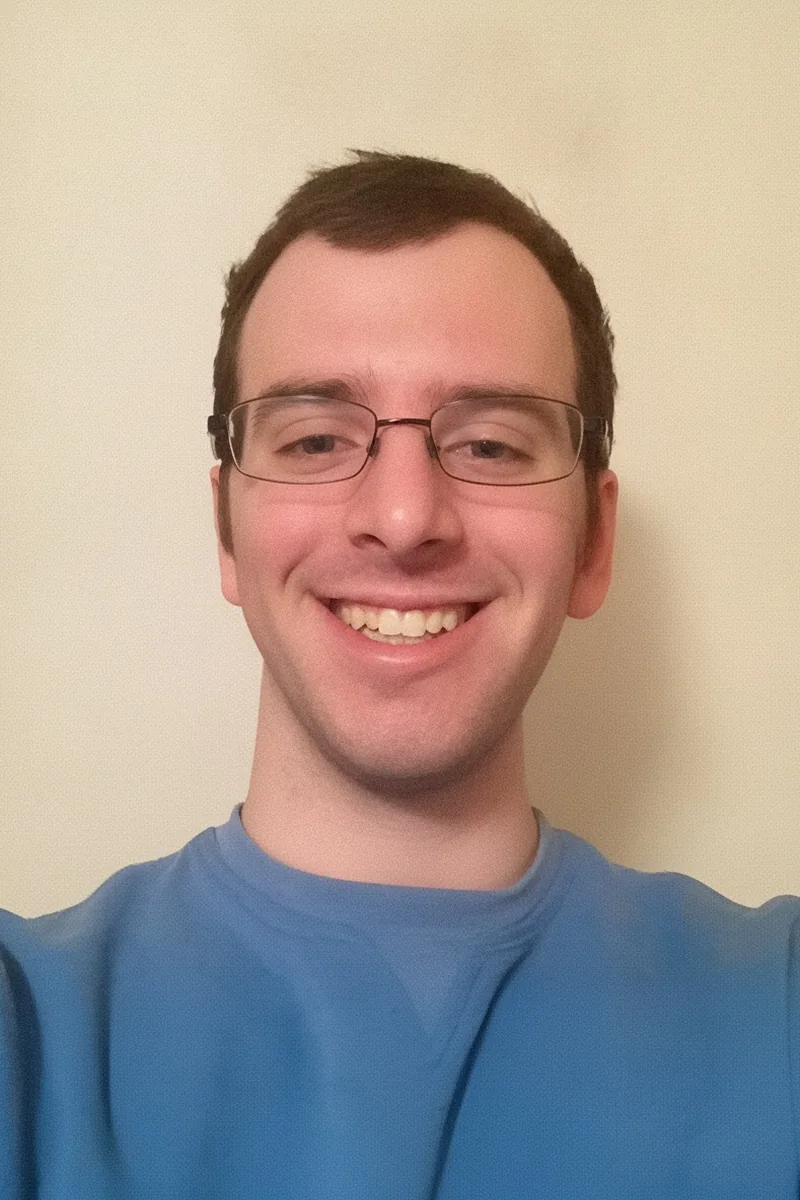
Most AP World History students can memorize key dates and empires but struggle when the exam asks them to compare how, say, labor systems in the Americas differed from those in the Indian Ocean world — the kind of cross-regional synthesis that separates 3s from 5s. Richard's broad grounding across both history and writing subjects means he tackles those comparison and continuity-and-change prompts by teaching students to build arguments, not just recall facts. Rated 5.0 by students.

Engineering students spend their days tracing how one variable cascades through an entire system — which is exactly the thinking AP World History's causation essays demand when asking how, say, gunpowder technology reshaped political power from China to the Ottoman Empire to Europe. Erik's mechanical engineering background gives him a concrete, cause-and-effect approach to the exam's toughest prompts, where vague generalizations about "globalization" earn almost no credit. Rated 5.0 by students, he's especially sharp at teaching the structured argument-building that turns scattered historical knowledge into high-scoring essays.
The sheer scope of AP World History — from river valley civilizations through globalization — can overwhelm students who try to memorize everything instead of learning to think comparatively. Lauren's humanities graduate training centered on exactly this kind of cross-cultural analysis, and her background teaching social studies means she knows how to connect thematic threads like trade networks or state-building across regions and time periods.
The sheer scope of AP World History — from river valley civilizations to globalization — overwhelms students who try to memorize everything. Varun tackles it thematically, teaching students to trace continuities and changes across regions using the comparison and causation skills the exam actually tests. His CLEP Western Civilization coursework gives him particular depth in cross-cultural encounters and empire-building from antiquity through the modern era.
Covering millennia of global history means AP World students need a framework for connecting civilizations across time and space — trade networks, belief systems, empire-building patterns. Kirstie teaches students to spot those continuities and changes over time, which is the backbone of the exam's essay prompts. Her background in liberal arts and education makes her especially effective at turning overwhelming content into manageable themes.
Connecting civilizations across time periods is the core challenge of AP World History, and Alyssa tackles it by teaching students to think in terms of continuity-and-change frameworks rather than isolated facts. She zeroes in on the comparative and causation skills that the exam rewards most heavily — like linking trade networks across the Indian Ocean to broader patterns of cultural diffusion. Her 5.0 rating speaks to how well that structured approach clicks with students.
Covering ten thousand years of human history means AP World History students need a framework, not just a timeline. Taylor breaks the course into recurring themes — trade networks, empire-building, cultural diffusion — so students can tackle comparison and continuity-and-change essays with real analytical depth. Her humanities training at NYU gives her the cross-cultural perspective the exam demands, especially for periods and regions that textbooks tend to rush through.
Philosophy and theology training — the kind Jonathan earned through both a Bachelor's in Philosophy and a Master of Divinity — builds the exact muscle AP World History's essay prompts test: constructing arguments about how belief systems, cultural frameworks, and institutional power shaped civilizations from the spread of Buddhism along trade routes to the Protestant Reformation's political fallout. He digs into the comparative and continuity-and-change questions where students need to explain why ideas took root in some regions and not others, drawing on his deep background in how religious and philosophical traditions interact across cultures.
Cultural anthropology and history — Conor's actual degrees — are essentially the backbone disciplines of AP World History, which means he reads exam prompts about cultural diffusion, state-building, and belief systems through the same analytical framework that produced the content in the first place. His time as a middle school Language Arts teacher also sharpened his ability to break down dense primary source documents into manageable pieces, a skill that pays off directly on DBQ prep. He's especially strong on the cross-cultural interaction themes that run through every period of the exam.
Brian's dual training in economics and computer science at Caltech built the kind of analytical framework that AP World History's toughest prompts actually test — tracing how economic systems, trade networks, and technological innovations reshaped societies across periods, from Indian Ocean commerce to industrial capitalism. His 1580 SAT reflects the timed reading and argumentative writing skills the DBQ demands, and his economics background gives him a concrete lens for teaching students why empires rose and fell rather than just when.
A European History major at Vanderbilt, Alexander brings particular depth to the post-1450 periods where European expansion, colonialism, and industrialization dominate the AP World History timeline — content he's studied from primary sources, not just textbook summaries. He teaches students to treat the DBQ as an argument-building exercise, connecting specific document evidence to the broader thematic threads the exam rewards. His 1510 SAT reflects the kind of timed analytical reading and writing the free-response sections demand.
The AP World History exam tests whether students can synthesize broad patterns — trade networks, empire-building, cultural diffusion — into tightly argued essays in under forty minutes. John approaches this as a writing and analytical reasoning problem, teaching students to structure comparison and causation arguments that hit every rubric point.
Studying Asian and Middle Eastern Studies at Duke while on a pre-med track, Caitlin brings genuine regional expertise to the parts of the AP World History curriculum that many tutors rush through — Islamic Golden Age developments, Indian Ocean trade networks, and the political transformations across Asia that anchor multiple exam periods. She tackles DBQ and LEQ prep by teaching students to connect specific documentary evidence to the cross-cultural themes the rubric actually rewards. Rated 5.0 by students.
Covering ten thousand years of human history means AP World History can feel impossibly broad — until a student learns to think in patterns. Iris's anthropology training at the University of Chicago is built around exactly that: tracing how trade networks, belief systems, and state structures evolve and interact across cultures. She teaches students to spot those cross-cultural comparisons and continuity-and-change themes that the AP exam tests hardest.
Studying political science and international studies at Northwestern means Parag spends his coursework tracing how states form, compete, and collapse — the same dynamics AP World History tests when it asks students to compare imperial administration from the Han Dynasty to the Ottoman Empire. He's especially sharp on the modern periods where political ideology and foreign policy reshape entire regions, and he teaches students to build DBQ arguments that connect specific documents to those larger power shifts. Rated 5.0 by students.
Testimonials
Because the right AP World History tutor makes all the difference.
Average Session Rating – Based on 3.4M Learner Ratings
Practice AP World History
Free practice tests, flashcards, and AI tutoring for AP World History
Nearby AP World History Tutors
Other St. Paul Tutors
Related Social Studies Tutors in St. Paul
Frequently Asked Questions
Varsity Tutors matches St. Paul students with expert AP World History tutors for 1-on-1 instruction. We pair each student with a tutor based on their specific needs, learning style, and goals.
Whether you need homework help, exam prep, or want to get ahead, our AP World History tutors are ready to help.
Common challenges include gaps from earlier material, difficulty with specific concepts, and trouble applying learning to new problems. These issues can snowball quickly in AP World History.
A tutor identifies where you're stuck, fills in gaps, and provides targeted practice. The 1-on-1 format means you get help exactly where you need it.
Tutors work with your student's actual coursework—homework assignments, class notes, and upcoming tests. This keeps tutoring directly relevant to what's happening in the classroom.
When you share information about your student's school and curriculum, we can match you with a tutor who has relevant experience.
All tutors complete background checks, credential verification, and teaching evaluation. Many of our AP World History tutors hold advanced degrees or have years of teaching experience.
You can review tutor profiles to find someone with the right background for your student's level and needs.
Many students see improved grades within a few weeks, along with better understanding of AP World History concepts and more confidence tackling challenging material.
Tutors track progress and adjust their approach to ensure continued improvement.
Most students benefit from 1-2 sessions per week. More frequent sessions help if your student is significantly behind or has an important exam coming up.
Your tutor can recommend a schedule based on your student's specific situation and goals.
Tutoring is purchased in packages of hours, with rates varying by tutor experience. Varsity Tutors offers several options to fit different budgets and needs.
You can discuss pricing during your consultation to find what works best.
Your tutor will assess where your student is, discuss goals, and start working on priority areas. Most students bring current homework or upcoming test material to focus on.
By the end, you'll have a clear sense of how the tutor can help and a plan for moving forward.
Let’s find your perfect tutor
Answer a few quick questions. We’ll recommend the right plan and match you with a top 5% tutor.