Award-Winning History Tutors
serving Detroit, MI
History
Tutors in Detroit
Private 1-on-1 tutoring, weekly live classes for academic support, test prep & enrichment, practice tests and diagnostics, and more to elevate grades and test scores.
Based on 3.4M Learner Ratings
UniversitiesSchools & Universities
DeliveredHours Delivered
ProficiencyGrowth in Proficiency
Who needs tutoring?
No obligation. Takes ~1 minute.
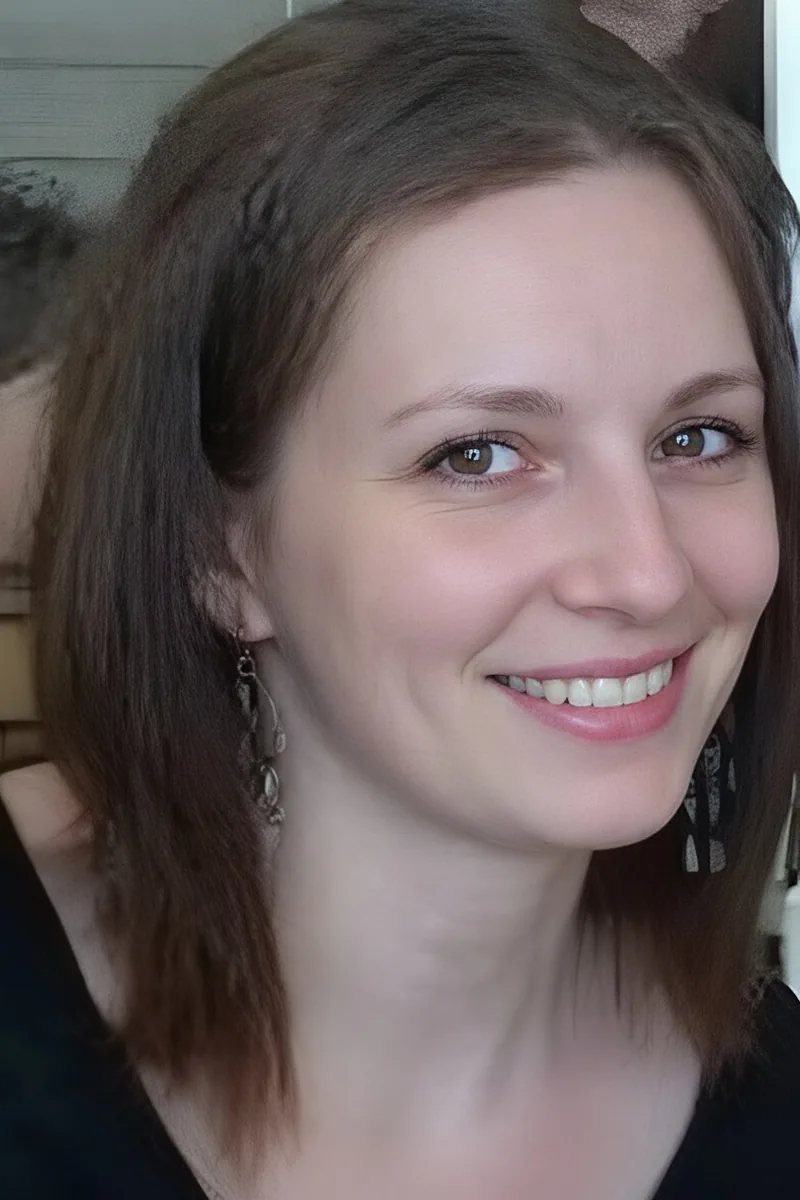
Teaching high school in Detroit meant Rebecca wasn't just covering STEM — she was teaching students who needed to understand the history behind urban planning, redlining, and environmental policy to make sense of their own city. Her architecture and urban studies degree deepens that instinct, giving her a spatial and structural way to unpack how cities, neighborhoods, and power shaped historical events. She's especially effective when students need to connect social and economic forces in essay-length arguments.
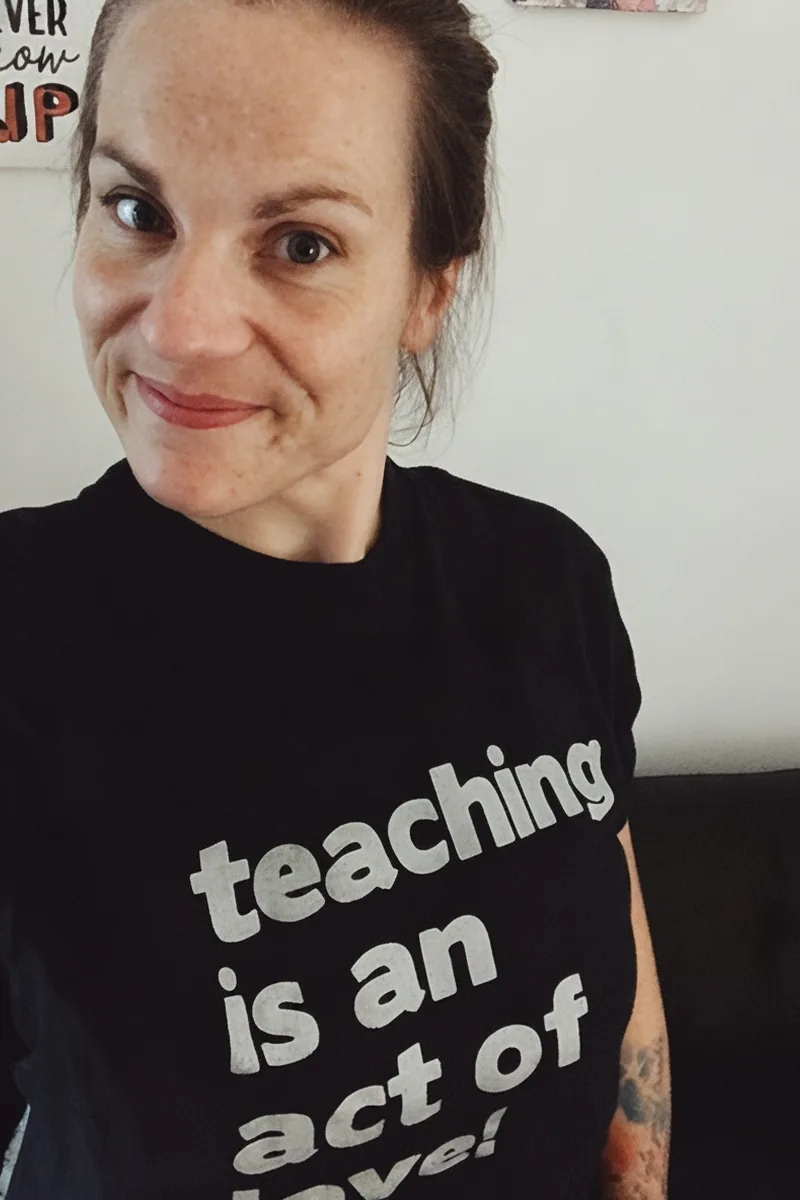
Nicole's linguistics MA gives her a particular edge with primary source analysis — she teaches students to decode how language, syntax, and rhetorical framing in historical documents reveal the political and cultural pressures of their era. Growing up in Italy and working across multiple languages (Spanish, German, French) means she brings firsthand awareness of how different cultures remember and narrate the same events, which deepens students' ability to evaluate perspective and bias in historical writing. Rated 4.9 by students.
Ashley minored in history while earning her civil engineering degree at the University of Michigan, which means she studied the subject formally — not as a side interest. That engineering training also gave her a structured way of breaking down essay prompts and organizing arguments around specific evidence, a skill that transfers directly to document-based historical writing.
Seven years of teaching reading and writing from middle school through graduate level means Joanne has coached students through exactly the skill history courses actually test: building a thesis from textual evidence. Her English BA and master's in Educational Studies trained her to break down how authors construct arguments — a process she applies directly to primary source analysis, document-based questions, and historical essay writing. She's particularly sharp at teaching students how to read a speech or political document for what it's really arguing, not just what it says on the surface.
Studying history well means learning to read sources like a detective — asking who wrote something, why, and what they left out. Arianna digs into primary documents, timelines, and historiographical debates with students, turning passive reading into active analysis. Whether the course covers American, European, or global history, she emphasizes the writing and critical-thinking skills that transfer across every unit.
A journalism degree trains you to do exactly what history coursework demands: dig into sources, verify claims, and construct a narrative that explains why something happened — not just that it did. Sierra brings that reporter's instinct to historical essays and document analysis, teaching students to interrogate primary sources the way a journalist interrogates a story. Her communications background makes her especially sharp on how rhetoric and media shaped public opinion across different eras.
Medical school demands absorbing massive amounts of information quickly and organizing it into coherent narratives — the same skill that makes history manageable. Ishan teaches students to build cause-and-effect chains between events rather than treating each date as an isolated fact, turning overwhelming timelines into stories that stick.
Sheyna treats history less as a set of dates to memorize and more as a series of cause-and-effect chains students can trace and argue about. Her sociology background gives her a sharp eye for the social and cultural forces behind major events, which makes topics like industrialization or the civil rights movement feel connected rather than isolated. She's especially effective at teaching students to write evidence-based historical arguments.
Jonathan treats history as an exercise in understanding why people made the choices they did — not just memorizing what happened. His psychology training gives him a natural framework for analyzing political decisions, social movements, and cultural shifts through the lens of human motivation and group behavior. That angle makes cause-and-effect essays and document-based questions feel less like guesswork and more like detective work.
A good filmmaker builds a narrative arc, and Anthony applies that same structural thinking to history — teaching students to identify turning points, weigh competing perspectives, and construct arguments from evidence. Whether the topic is ancient civilizations or Cold War diplomacy, he emphasizes the *why* behind events, not just the dates.
Living in New York, studying in Los Angeles, spending a semester in Madrid, and working in Miami for a Latin American tech company gave Jonah firsthand exposure to how different cultures remember and frame the same historical events — especially across American, European, and Latin American history. He teaches students to question whose perspective a source represents and how to build arguments around that kind of critical reading, which is where most history exams separate strong essays from mediocre ones. Rated 5.0 by students.
While history isn't his primary discipline, Hamid's strength is in analytical reading and argument construction — skills that transfer directly to evaluating primary sources and writing document-based essays. He teaches students to read historical texts the way he reads scientific papers: asking what the author's purpose is, what evidence supports the claim, and what's being left out.
Michael approaches history the way he approaches physics: by asking what evidence supports a claim and whether the reasoning holds up. His philosophy background and extensive academic writing experience make him especially effective at teaching students to analyze primary sources, construct cause-and-effect arguments, and write essays that do more than summarize events.
Skyler's MA in Russian, Central and Eastern European, and Eurasian Studies means she doesn't treat history as a list of dates — she treats it as overlapping narratives shaped by politics, culture, and geography. She teaches students to read primary sources critically, construct cause-and-effect arguments, and write essays that demonstrate genuine historical thinking. That analytical approach applies whether the topic is the Cold War, the American Revolution, or a world history survey.
Martha's research at Michigan examines how culture shapes psychological processes across societies, giving her a natural entry point into history's big questions about social movements, colonialism, and cross-cultural exchange. She teaches students to analyze primary sources critically and construct arguments that connect specific events to broader patterns of change.
An English major at Yale, Sophia reads historical texts the way she reads literature — closely, looking for whose voice is centered, what's left out, and how narrative choices shape interpretation. That literary training makes her especially effective at teaching students to dissect primary source documents and craft thesis-driven arguments where textual evidence does the heavy lifting. Her perfect 36 ACT speaks to the kind of critical reading and analytical writing that history coursework rewards.
Global Affairs is half of Megan's double focus at Yale, which means she's constantly engaging with historical context — trade networks, political revolutions, colonial legacies — in her own coursework. She teaches students to read history as cause-and-effect chains rather than isolated events, making it easier to write essays and retain information for exams.
Israa treats history less as a list of events and more as a set of cause-and-effect chains students can trace and debate. Her teaching certification gave her practice breaking down document-based questions and showing students how to build arguments from primary sources rather than simply summarizing them.
An MD/PhD candidate at Michigan Medical School, Suzie spends her research days reading across disciplines — parsing how scientific discoveries, public policy, and social conditions intertwine, which is essentially what good historical analysis demands. Her chemical and biological engineering background trained her to trace how systems evolve under pressure, a habit she brings to teaching students how to connect political and economic forces in essay arguments and document analysis. Rated 5.0 by students.
Philosophy and history are deeply intertwined — you can't make sense of the Reformation without understanding competing ideas about authority, or grasp the Enlightenment without engaging with its philosophical roots. Anthony's PhD work in philosophy gives him a framework for teaching students how to analyze primary sources, evaluate causation, and build document-based arguments that go beyond surface-level summaries.
Engineering coursework at Yale drills one thing relentlessly: diagnosing how complex systems fail by tracing inputs, constraints, and breaking points. Andrew brings that same diagnostic habit to history, teaching students to dissect events like the Industrial Revolution or the collapse of empires by mapping the mechanical interplay of economic pressure, resource limits, and political friction. It's a more systematic way to build the causal arguments that DBQs and essay prompts actually reward.
David approaches history as a discipline of cause and effect, teaching students to trace how economic forces, technological shifts, and political decisions connect across eras. His chemistry and business education gives him a distinctive angle on topics like the Industrial Revolution or post-war economic policy, where science and commerce shaped the modern world. Rated 4.9 by students.
Lulu's own life spans two continents and multiple decades of dramatic change in both East Asia and the United States, giving her a personal connection to modern history that textbooks can't replicate. She teaches students to analyze causes, trace consequences, and build arguments from evidence — skills that transfer directly to document-based questions and research papers.
Cornell's premed curriculum throws a surprising amount of history at you — the ethics of human experimentation, the politics behind public health policy, the social movements that reshaped medical access. Pratik draws on that background to teach students how to build cause-and-effect arguments from primary sources, treating a DBQ the way a scientist treats a lab report: claim first, then evidence, then reasoning.
Engineering teaches you to trace how one decision cascades into a series of consequences — a skill that transfers surprisingly well to historical thinking. Ashley applies that same structured reasoning to help students organize essays around clear cause-and-effect claims, particularly when tackling topics like industrialization or technological change where her mechanical engineering background adds genuine context.
Being in an 8-year direct medical program means Raveena constantly studies how scientific discoveries, public health crises, and policy decisions have shaped societies — context that makes her a surprisingly effective history tutor. She teaches students to build thesis-driven arguments and connect specific events to larger patterns of cause and effect. Rated 4.9 by students.
Ruth approaches history through the lens of source analysis and argumentative writing, teaching students to move from "what happened" to "why it mattered" in their essays and exam responses. Her liberal arts training at the University of Alabama, where she graduated summa cum laude, built the kind of interdisciplinary thinking that makes historical cause-and-effect reasoning click.
An economics degree trains you to think about incentives, trade-offs, and institutional design — and Rae brings that same analytical habit to history, particularly when unpacking how economic pressures and policy decisions drove events like industrialization, imperialism, or the lead-up to major conflicts. She also teaches across AP U.S. Government, political science, and world history, so students get someone who can connect the political and economic threads that history essays and DBQs actually ask about.
Eric's business administration background means he instinctively reads history through the lens of incentives, institutions, and decision-making under pressure — the same forces that drive case studies in a business program. That perspective is especially useful for essay prompts about industrialization, economic policy, or political strategy, where students need to explain the reasoning behind historical choices rather than just recounting outcomes. His 36 ACT reflects the kind of analytical reading and argumentative writing that history coursework consistently rewards.
Building a historical argument requires the same skills as building an engineering proof: identifying evidence, organizing it logically, and drawing conclusions that hold up under scrutiny. Lane teaches students to move beyond memorizing dates and instead analyze cause-and-effect relationships, evaluate primary sources, and write clear thesis-driven essays.
Ajay's philosophy minor at the University of Michigan trained him to analyze arguments, trace ideological shifts, and evaluate sources — skills that translate directly into strong historical thinking. He teaches students to read primary documents like a philosopher, asking not just what happened but why a particular account was written and whose perspective it serves.
I am a learner for life and I love sharing my knowledge with others. I have tutored middle-school students for one year and university students for two years. My focus is mainly on mathematics, chemistry, and related fields. I have degrees in both mathematics and biomedical engineering so I cover a lot of ground in the physiological sciences, computer programming, and statistics as well. Taking tests is one of my strong points and I have some killer strategies to share!
Reading history well means learning to ask why a source exists, who wrote it, and what it leaves out — not just memorizing dates and names. Nikhil approaches history as an exercise in argument and evidence, teaching students to build document-based essays and connect cause-and-effect chains across eras. His strong writing background makes him especially useful for students who understand the material but struggle to articulate it on paper.
A PhD in History means Eric doesn't just know the content — he knows how historians think. He teaches students to interrogate primary sources, weigh competing interpretations, and build arguments that hold up under scrutiny. That analytical toolkit transfers to every history course a student will ever take.
IB Chemistry forced Sreya to master something most science students skip — writing detailed, evidence-based analyses of how scientific discoveries were shaped by their political and cultural moments. That practice of connecting events to their broader context carries directly into history tutoring, where she teaches students to build cause-and-effect arguments for essays and document-based questions rather than defaulting to memorized timelines. Rated 5.0 by students.
Megan approaches history the way she approaches literary analysis: by teaching students to read sources critically and build arguments from evidence rather than summaries. Her interdisciplinary background — a biology degree from Michigan and a doctorate in German literature at Princeton — means she can draw unexpected connections across intellectual, cultural, and scientific history. She's particularly effective at helping students structure essays that make a genuine historical argument.
Psychology and history overlap more than most students realize — understanding why civilizations rise, revolt, or reform often comes down to human motivation, group dynamics, and decision-making under pressure. Audrey's psychology training gives her a sharp read on the people behind historical events, which makes essay writing and source analysis feel less abstract. She's especially good at helping students frame thesis statements that go beyond "what happened" to "what drove it."
Strong history performance comes down to building arguments from evidence, not memorizing dates — a skill Kerry sharpened through years of analytical writing at the University of Michigan. She teaches students to read primary sources critically, identify cause-and-effect relationships, and structure essay responses that earn full marks on document-based questions.
Douglas treats history the way he treats engineering problems: every event has causes, constraints, and consequences that connect logically. He teaches students to build arguments around those cause-and-effect chains rather than relying on memorized dates, which makes both essay writing and document analysis significantly stronger.
I am a undergraduate freshman of the University of Michigan, studying business at the Ross School of Business. Working together with students and having a good time while seeing steady improvements has proven to provide me great joy. I believe that communication and relationship building is crucial for students to open up about their struggles and also for me to identify problems they don't realize they can improve on, so this is a key aspect of all of my lessons. During my free time, I enjoy playing sports or snacking on desserts while binge-watching Friends!
Testimonials
Because the right History tutor makes all the difference.
Average Session Rating – Based on 3.4M Learner Ratings
Other Detroit Tutors
Related Social Studies Tutors in Detroit
Frequently Asked Questions
Many students struggle with memorizing dates and facts without understanding the broader context and cause-and-effect relationships between events. Others find it difficult to analyze primary sources, construct historical arguments, or see how past events connect to the present day. Personalized tutoring helps students move beyond memorization to develop critical thinking skills that make History more meaningful and easier to retain.
In a classroom with a 20.7:1 student-teacher ratio, teachers must move at one pace for all students. Personalized tutoring allows tutors to focus entirely on your learning style, identify specific gaps in understanding, and adjust explanations until concepts click. Tutors can spend time on the topics that challenge you most—whether that's analyzing documents, understanding historical context, or organizing essay arguments—rather than moving through a standard curriculum.
Elementary students usually explore local and state history, basic timelines, and famous historical figures. Middle school typically covers world civilizations, American history through the Civil War, and introduces primary source analysis. High school students tackle U.S. history, world history, and AP-level courses that require deeper analysis and argumentation. A tutor can align support with your specific grade level and curriculum standards used across Detroit schools.
Yes—essay writing and primary source analysis are core strengths of History tutoring. Tutors work with you to develop thesis statements, organize arguments with historical evidence, and analyze documents for perspective, bias, and context. Whether you're preparing for a unit test, AP exam, or major project, personalized instruction helps you move from simply listing facts to constructing compelling historical arguments.
Yes, Varsity Tutors connects you with tutors who specialize in AP U.S. History and AP World History preparation. They focus on the specific skills the AP exam requires: analyzing historical sources, making connections across time periods, and writing strong free-response essays. Tutors can help you build a study plan, work through practice questions, and develop the analytical frameworks that lead to higher scores.
During your first session, the tutor will assess your current understanding of History, identify specific topics or skills you want to improve, and learn how you learn best. They'll ask about your class curriculum, upcoming assignments or exams, and any particular challenges you're facing. This foundation allows the tutor to create a personalized plan that targets your goals, whether that's improving grades, preparing for a test, or building confidence in the subject.
Varsity Tutors matches you with expert tutors who have deep knowledge of History and experience working with students at your level. You can share your specific needs—whether it's test prep, essay writing, or understanding a particular era—and we'll connect you with someone who fits. The process is simple and personalized instruction can begin quickly to help you reach your goals.
With personalized tutoring, students typically see improvements in test scores, essay grades, and overall confidence with the subject. More importantly, many students develop a genuine interest in History once they understand the "why" behind events rather than just memorizing facts. You'll build critical thinking skills that apply beyond History class—the ability to analyze information, construct arguments, and think about cause and effect are valuable across all subjects and in life.
Let’s find your perfect tutor
Answer a few quick questions. We’ll recommend the right plan and match you with a top 5% tutor.