Award-Winning AP European History Tutors
serving Detroit, MI
AP European History
Tutors in Detroit
Private 1-on-1 tutoring, weekly live classes for academic support, test prep & enrichment, practice tests and diagnostics, and more to elevate grades and test scores.
Based on 3.4M Learner Ratings
UniversitiesSchools & Universities
DeliveredHours Delivered
ProficiencyGrowth in Proficiency
Who needs tutoring?
No obligation. Takes ~1 minute.

From the Protestant Reformation to the Congress of Vienna to twentieth-century integration, AP European History covers an enormous sweep of political, cultural, and intellectual change. Mark studied history at the University of Detroit Mercy and minored in Museum Studies, giving him a knack for connecting artifacts and primary documents to the larger narrative arcs the AP exam tests. He teaches students to spot causation and continuity patterns that turn a wall of dates into a coherent story.
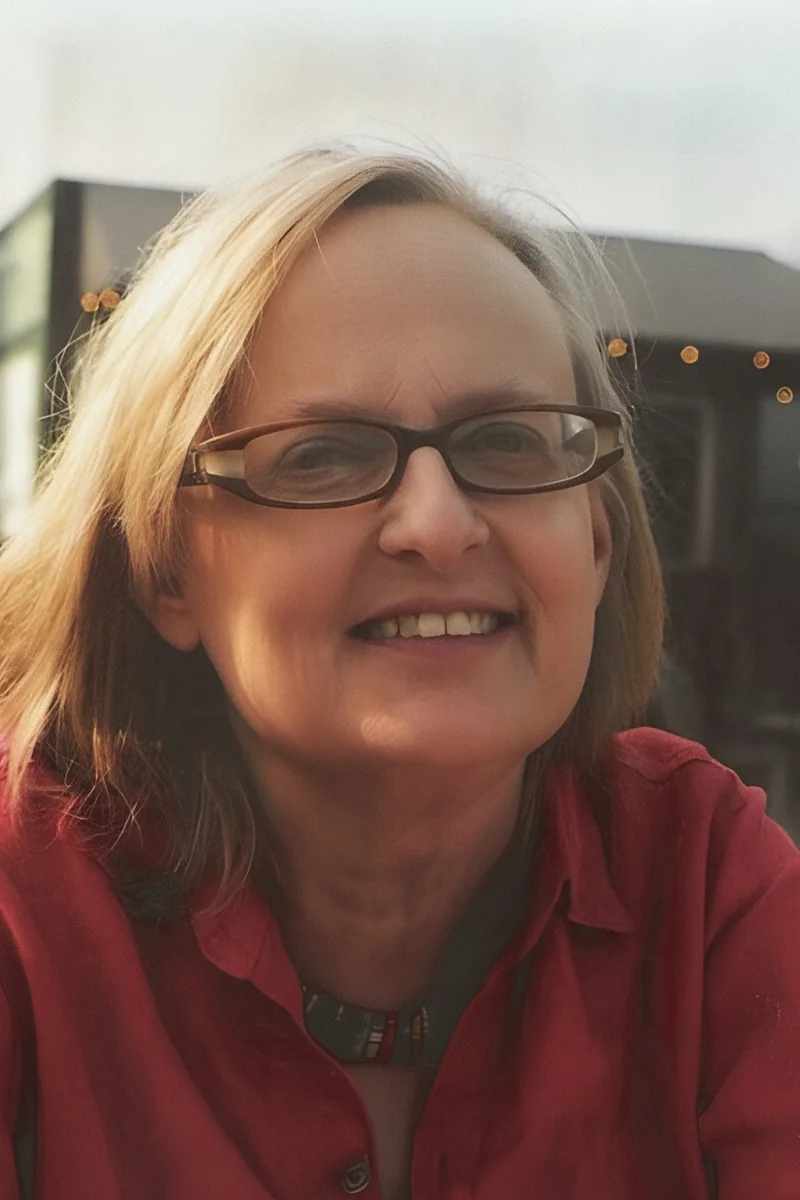
Lisa's history degree and published scholarly work mean she's done the kind of primary source analysis and argumentative writing that AP Euro's DBQ and LEQ sections actually test — not just studied it, but practiced it professionally across multiple publications. She zeroes in on teaching students how to build a thesis around periodization and continuity-and-change questions, where vague answers about "what happened" get replaced with precise claims about why it mattered. Rated 4.9 by students.
From the Renaissance patronage system to the ideological fractures of the Cold War, AP European History covers an enormous sweep that rewards students who can think thematically rather than chronologically. Laura's own deep reading in art, literature, and cultural history gives her a way into the material that connects political shifts to the cultural moments students can actually visualize and remember.
Film production trains you to think about narrative — why events unfold the way they do, what forces are in tension, and how to structure a compelling story from raw material. Justine applies that same storytelling instinct to AP European History, teaching students to build essay arguments that read as coherent narratives of cause and effect rather than disconnected lists of dates and treaties. Her strong writing background (1500 SAT) makes her especially useful for students who understand the content but struggle to translate it into the structured, thesis-driven responses the exam demands.
Ethan's environmental science and public policy degree trained him to analyze how economic forces, ideological movements, and institutional decisions interact — the same kind of multi-causal thinking AP Euro rewards on every essay. He applies that analytical framework to periods like the Industrial Revolution's social upheaval or the political calculus behind European imperialism, showing students how to build arguments that weave together evidence rather than just list events. Rated 5.0 by students.
Jeff's master's in history from UC Berkeley, where he taught both history and philosophy to undergraduates, gave him the kind of dual training AP Euro rewards — understanding not just what happened during periods like the Reformation or the French Revolution, but the philosophical ideas driving those events. His philosophy degree from Princeton sharpens how he teaches argumentation, showing students how to construct the layered, thesis-driven essays that score well on the DBQ and LEQ.
European history is Alexander's favorite subject to teach, and it shows — his Johns Hopkins BA is specifically in the field, and he's built his own independent history teaching project around it. He unpacks the connections between the Renaissance, the Reformation, and the rise of nation-states in ways that make the AP Euro exam's periodization and causation questions feel intuitive rather than overwhelming. Rated 4.7 by students.
I am a 2009 graduate of the University of Chicago in Statistics and Political Science. I have been a tutor for test prep (including ACT, SAT, LSAT and AP testing), academic and creative writing, and general academic assistance for three years.
I am most passionate about helping people learn history, social sciences, and mathematics. I also assist with standardized test prep, primarily with the Reading and Writing sections of the exams. In my spare time, I enjoy photography, hiking and other outdoor activities, and reading about philosophy, evolutionary biology, and human history.
From the Renaissance through the Cold War, AP European History demands that students trace political, intellectual, and economic threads across centuries. Nathan digs into the causation and continuity-and-change skills the exam prioritizes, teaching students to build arguments that link events like the Reformation to Enlightenment thought rather than treating each unit as isolated content. His Rice history training means he reads primary sources alongside students, not just summaries.
From the Protestant Reformation to the Congress of Vienna to postwar European integration, AP European History covers an enormous arc — and the exam expects students to argue about it, not just recall it. Stephanie earned her history degree at Cornell and is currently a graduate student at Penn, so she approaches each period through the kind of historiographical lens that makes essay responses more sophisticated. She unpacks primary sources with students so they learn to read for perspective and bias, not just content.
From the Renaissance through the Cold War, AP European History demands that students track political, intellectual, and cultural developments simultaneously. Samantha unpacks how movements like the Enlightenment or industrialization reshaped entire societies, and she drills the document-analysis and essay-construction skills that separate a 3 from a 5.
Christian's political science degree gives him a structural lens for the power struggles that run through AP Euro — whether it's the consolidation of absolutist monarchies, the ideological clashes of the French Revolution, or the Cold War division of the continent. He teaches students to read those events as political arguments rather than isolated facts, which is exactly the kind of thinking that translates into strong exam essays.
Testimonials
Because the right AP European History tutor makes all the difference.
Average Session Rating – Based on 3.4M Learner Ratings
Practice AP European History
Free practice tests, flashcards, and AI tutoring for AP European History
Other Detroit Tutors
Related Social Studies Tutors in Detroit
Frequently Asked Questions
Score improvement depends on your starting point and study intensity, but most students see meaningful gains with consistent, personalized preparation. Many students who work with tutors improve by 1-2 score points on the AP scale (1-5), which can be the difference between a passing and qualifying score. The key is identifying your specific weak areas—whether that's analyzing primary sources, understanding causation across time periods, or managing the essay sections—and targeting those through focused practice and feedback.
Students often struggle with three main areas: synthesizing information across multiple centuries and themes, analyzing primary sources with historical context, and managing time during the exam's multiple-choice and free-response sections. Many find the breadth of content overwhelming—from the Renaissance through the 20th century—and struggle to prioritize what's most likely to appear on the test. Personalized tutoring helps you build a strategic study plan that focuses on high-impact topics and teaches you how to construct arguments that earn full credit on the essays.
The exam has two sections: a 55-minute multiple-choice and short-answer section (40% of your score) and a 100-minute free-response section with one document-based question and one long-essay question (60% of your score). Success requires both content knowledge and strategic skills—you need to recognize historical patterns in the multiple-choice, analyze documents with historical context in the DBQ, and construct clear, evidence-supported arguments in the essay. Tutors can help you practice all three formats, teach you how to spot the right answers quickly, and show you what graders are actually looking for in your written responses.
Ideally, you should begin serious exam preparation 2-3 months before the May test date, though students who start earlier can build a stronger foundation in the material. Most students benefit from consistent weekly study sessions rather than cramming—even 5-6 hours per week of focused preparation, combined with regular practice tests, leads to better retention and confidence. If you're taking the course concurrently with tutoring, a tutor can help you stay on track throughout the year, identify gaps early, and intensify preparation as the exam approaches.
Practice tests are essential—they're the best way to identify your weak topics, get comfortable with the exam format, and build stamina for the full 2.5-hour test. You should take full-length practice tests under timed conditions every 2-3 weeks during your preparation period, then review them carefully to understand why you missed questions. Tutors can help you analyze your practice test results strategically, focusing on patterns rather than individual mistakes, and adjust your study plan based on where you're losing points.
The essays reward clear thesis statements, specific evidence from the documents or your knowledge, and explicit analysis of how that evidence supports your argument. Many students lose points by simply describing historical events rather than explaining causation, change over time, or the significance of those events. Personalized instruction helps you practice writing essays under time pressure, learn the exact rubric graders use, and develop a template that ensures you hit all the scoring criteria while still writing authentic, compelling responses.
Varsity Tutors connects you with tutors who have deep expertise in AP European History and understand the specific challenges of the exam. When you get matched with a tutor, you can discuss your current understanding of the material, your target score, and your preferred study approach—whether that's working through content gaps, practicing essays, or taking full-length practice tests. Tutors work with you flexibly to fit your schedule and learning style, providing personalized feedback that goes beyond what you'd get in a classroom setting.
Your first session is about assessment and planning. Your tutor will likely ask about your current grade in the course, any practice test scores you have, which topics feel strongest and weakest, and what your score goal is. From there, you'll work together to create a personalized study plan that targets your specific needs—whether that's building foundational knowledge, practicing specific question types, or refining your essay-writing strategy. This foundation ensures every future session is focused and productive.
Let’s find your perfect tutor
Answer a few quick questions. We’ll recommend the right plan and match you with a top 5% tutor.