Award-Winning AP World History Tutors
serving Detroit, MI
AP World History
Tutors in Detroit
Private 1-on-1 tutoring, weekly live classes for academic support, test prep & enrichment, practice tests and diagnostics, and more to elevate grades and test scores.
Based on 3.4M Learner Ratings
UniversitiesSchools & Universities
DeliveredHours Delivered
ProficiencyGrowth in Proficiency
Who needs tutoring?
No obligation. Takes ~1 minute.

Studying both neuroscience and computer science at Duke gave Ankit an unusual habit: looking for the systems underneath the surface — how small mechanisms cascade into massive outcomes. That's exactly the thinking AP World History rewards, especially on causation and continuity-and-change essays where students need to trace how something like the Black Death or the silver trade reshaped economies and power structures across continents. His 36 ACT composite speaks to the timed analytical reading and writing chops the DBQ requires.
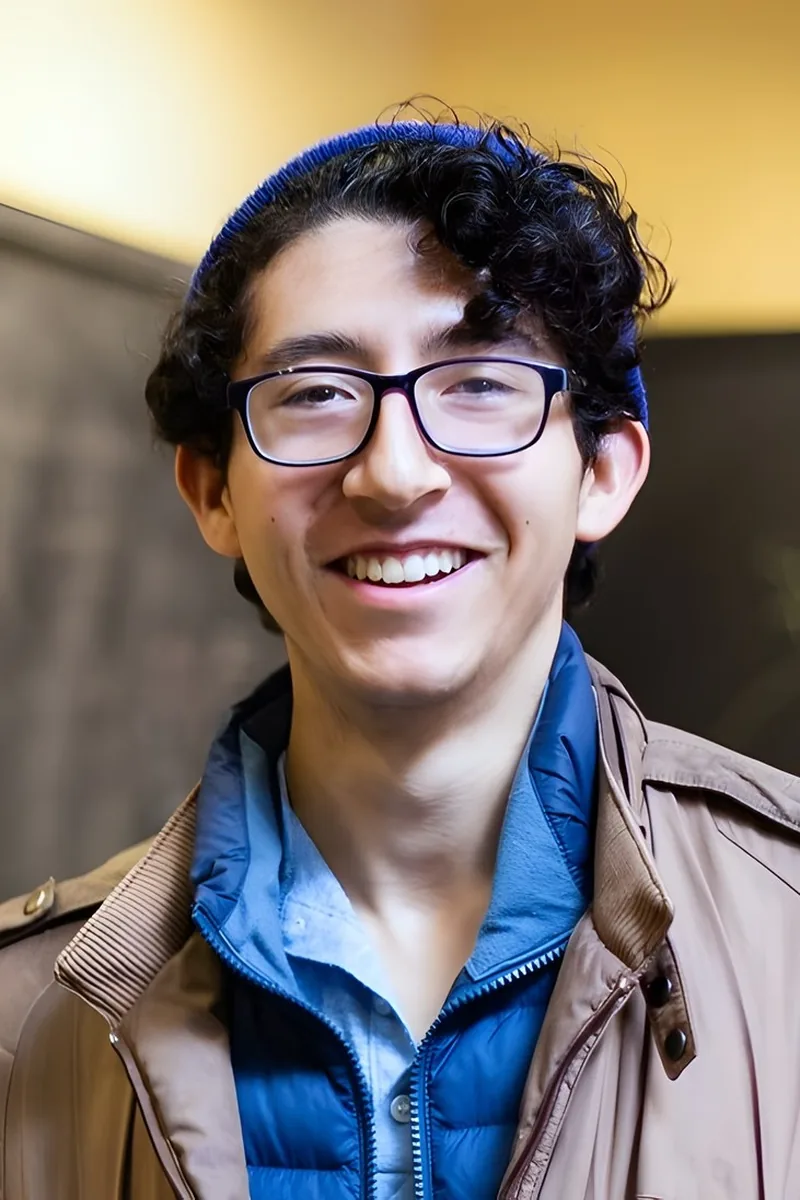
Studying philosophy at MIT trained Tim to do exactly what AP World History's essay prompts demand — construct an argument from limited evidence, weigh competing interpretations, and defend a thesis under pressure. He applies that analytical rigor to DBQ prep and the causation essays where students need to explain not just what happened but why one development in, say, Song Dynasty China reverberates through Indian Ocean trade networks centuries later. Rated 4.9 by students.
Studying anthropology and linguistics at the University of Chicago means Araxie spends her coursework doing exactly what AP World History's toughest prompts ask — analyzing how cultures interact, absorb, and transform each other across time and space. That training sharpens her approach to the cultural diffusion and comparison questions where students need to explain not just what spread along trade routes or through empires, but how contact reshaped societies on both sides. Rated 4.8 by students.
Anthropology is essentially world history with the volume turned up on culture — and Jorge's Harvard degree in Social Anthropology means he reads AP World History's units on cultural diffusion, belief systems, and social hierarchies the way they were meant to be read, as interconnected human patterns rather than isolated facts to memorize. His Columbia MA in Human Rights adds a sharp lens for the exam's questions about empire, resistance, and power, especially in the post-1750 periods where human rights movements reshape the political landscape. He also tutors AP Human Geography and AP Comparative Government, so he naturally connects the geographic and political threads that earn top scores on cross-regional comparison essays.
Having taught and tutored across Colombia, Mexico, Germany, Canada, and the United States, Esteban brings an anthropologist's instinct for reading how cultures interact — the exact skill AP World History's DBQ and comparative essays test when students must explain why civilizations borrowed, resisted, or transformed each other's practices. His anthropology training means he teaches cultural diffusion and state formation not as textbook vocabulary but as lived human patterns, connecting concepts like syncretism or tributary systems to real-world examples he's encountered firsthand. Rated 4.9 by students.
Marketing is fundamentally about understanding how ideas, goods, and influence spread through populations — which turns out to be the same analytical muscle AP World History flexes when asking about the Silk Roads, the spread of Islam, or the Columbian Exchange. Lilian's business degree with a marketing focus gives her a practical framework for teaching students how exchange networks and cultural diffusion actually work, not just what happened but why it spread. Rated 4.7 by students, she's particularly effective at helping with the continuity-and-change essays where tracing cause and effect across regions is everything.
Connecting civilizations across centuries requires a framework, not just flashcards. Jessica's history degree from Penn gave her deep practice in comparative analysis — exactly the skill AP World History rewards on its continuity-and-change and comparison essays. She also brings years of experience coaching students through the specific writing demands of AP free-response questions.
Covering thousands of years across every continent, AP World History overwhelms students who try to memorize everything. Maxwell zeroes in on the comparative and continuity-and-change-over-time frameworks the exam actually tests, teaching students to spot patterns — like how trade networks reshape cultures — across regions and eras. That analytical lens turns an impossibly broad course into something manageable.
Covering thousands of years across every continent, AP World History overwhelms students who try to memorize their way through it. Michelle's history degree gives her a framework for teaching the thematic threads — trade networks, empire-building, cultural diffusion — that the exam actually tests. She spends significant time on the writing components, especially the comparison and continuity-and-change essays that trip students up most.
High school teaching in Boston means Max deals daily with the challenge of making nine periods of world history land for students who'd rather not read another textbook chapter — and his Master's in Teaching sharpened his ability to break sprawling content into the specific comparisons and cause-and-effect chains the AP exam actually scores. His history degree gives him the sourcing instincts the DBQ demands, particularly when students face unfamiliar documents and need to contextualize them on the spot. Rated 5.0 by students.
Studying Asian American Studies on a pre-med track at UCLA gave Jon an unusual lens for AP World History — he's comfortable moving between scientific and humanistic thinking, which is exactly what the exam's cross-cultural analysis requires. His strength is in the regions and interactions that often get shortchanged in standard curricula, particularly South and East Asian developments and their ripple effects across trade routes and empires. Now at Yale's School of Public Health, he brings a social-systems perspective to topics like disease exchange, migration, and demographic shifts that show up repeatedly on the exam.
Covering ten thousand years of human history means AP World History students need a framework, not just a timeline. Taylor breaks the course into recurring themes — trade networks, empire-building, cultural diffusion — so students can tackle comparison and continuity-and-change essays with real analytical depth. Her humanities training at NYU gives her the cross-cultural perspective the exam demands, especially for periods and regions that textbooks tend to rush through.
Testimonials
Because the right AP World History tutor makes all the difference.
Average Session Rating – Based on 3.4M Learner Ratings
Practice AP World History
Free practice tests, flashcards, and AI tutoring for AP World History
Other Detroit Tutors
Related Social Studies Tutors in Detroit
Frequently Asked Questions
AP World History is a college-level course that surveys human history from 1200 CE to the present, organized around major themes like trade networks, cultural developments, political systems, and global interactions. The AP exam (scored 1-5) includes a multiple-choice section, short-answer questions, document-based questions, and a long essay question that test your ability to analyze historical sources and construct arguments about global patterns and changes over time.
Students often struggle with three main areas: managing the sheer volume of content spanning centuries and continents, developing strong document analysis skills for the DBQ and short-answer sections, and understanding how to synthesize information into coherent historical arguments rather than just listing facts. Many also find the multiple-choice section challenging because it requires not just knowing events, but understanding their broader historical significance and connections.
Tutors work with you to build a personalized study plan that targets your weak areas—whether that's a specific time period, particular regions, or essay-writing skills. They can help you develop efficient note-taking strategies to manage the large curriculum, teach you how to analyze primary and secondary sources effectively, and provide practice with past exam questions so you understand the test format and timing. Regular practice with feedback is key to improving from a 3 to a 4 or 5.
Your first session is typically a diagnostic conversation where a tutor learns about your current understanding of the course, identifies which units or skills need the most work, and understands your timeline and goals. They'll likely ask you to share a practice essay or discuss a recent test to see your strengths and areas for improvement, then work with you to create a focused study plan for the weeks ahead.
Strong AP World History essays require a clear thesis that makes a specific argument about historical change or continuity, supported by specific examples and evidence. Tutors can teach you the rubric's requirements, help you practice structuring essays within the time constraints, and provide feedback on how well you're using evidence to support your argument. Practicing with released exam prompts and getting detailed feedback is one of the most effective ways to improve your essay scores.
A strong DBQ approach starts with carefully reading the prompt and all documents to identify the main argument you'll make, then organizing your response to address the prompt directly while incorporating evidence from at least six of the seven documents. Many students benefit from spending a few minutes planning their essay before writing, noting which documents support which parts of their argument. Tutors can help you practice this process repeatedly so you develop speed and confidence in identifying relevant evidence and integrating it smoothly into your analysis.
The exam gives you about 3.5 hours for multiple-choice, short-answer, DBQ, and long essay sections, so pacing is crucial. A smart strategy is to spend roughly 45 minutes on the 55 multiple-choice questions, 40 minutes on the three short-answer questions, 60 minutes on the DBQ (including planning), and 40 minutes on the long essay. Practicing full-length exams under timed conditions helps you develop a rhythm and identify where you tend to lose time, so you can adjust your approach before test day.
Varsity Tutors connects you with expert tutors in Detroit who specialize in AP World History and understand what it takes to score well on the exam. You can share your goals, timeline, and preferred schedule, and we'll match you with a tutor who fits your needs. Whether you're starting your AP course in the fall or preparing intensively in the spring, tutors can provide personalized instruction tailored to your learning style and pacing.
Let’s find your perfect tutor
Answer a few quick questions. We’ll recommend the right plan and match you with a top 5% tutor.