Award-Winning Special Education Tutors
serving New Orleans, LA
Special Education
Tutors in New Orleans
Private 1-on-1 tutoring, weekly live classes for academic support, test prep & enrichment, practice tests and diagnostics, and more to elevate grades and test scores.
Based on 3.4M Learner Ratings
UniversitiesSchools & Universities
DeliveredHours Delivered
ProficiencyGrowth in Proficiency
Who needs tutoring?
No obligation. Takes ~1 minute.
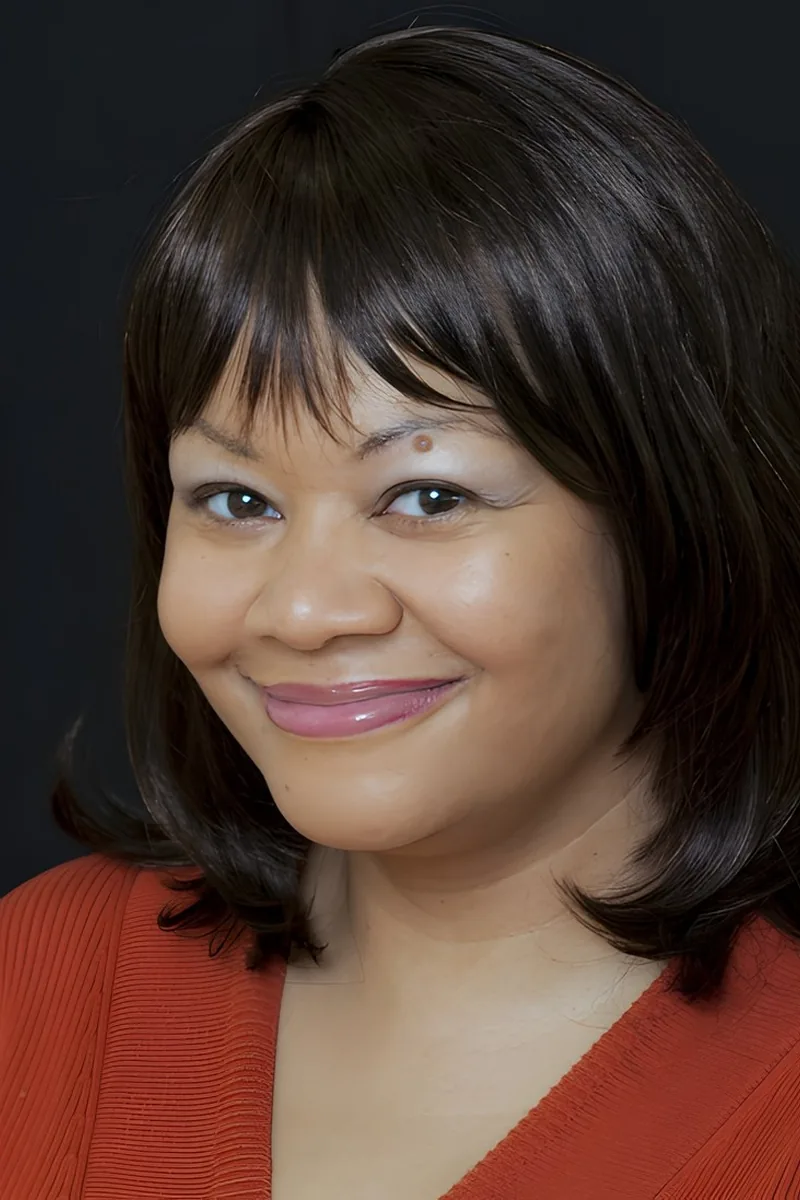
Kim's approach starts with identifying the specific barrier a student faces — whether it's processing speed, attention, or difficulty transferring skills across contexts — and then adapting instruction around it. Her background spanning anthropology and business gives her an unusually flexible toolkit for reframing concepts in ways that click for different learners. She holds a 5.0 rating across her students.

Rebecca's graduate training in social work at the University of Chicago, combined with her undergraduate psychology research, gives her a sharp understanding of how different learners process information and what accommodations actually look like in practice. She adapts pacing, breaks down multi-step instructions, and uses individualized reinforcement techniques to keep students engaged and progressing. Rated 4.9 by families she's worked with.
Earning her Master's in Special Education at NC State gave Sonja deep training in differentiated instruction, IEP goal alignment, and executive function coaching — the behind-the-scenes skills that make tutoring actually work for students with learning differences. She tailors sessions around each student's specific profile, whether that means multisensory reading strategies for dyslexia or chunked math instruction for students with attention challenges. Her 5.0 rating speaks to how well that individualized approach lands.
As a Vanderbilt-trained and Tennessee-licensed special educator, Megan understands the full landscape — IEP goal writing, behavior intervention plans, differentiated instruction, and the legal framework of IDEA and Section 504. She tailors her approach to each learner's profile, whether that means building phonemic awareness for a student with dyslexia or creating visual math supports for a student who processes information differently. Her 5.0 rating speaks to how well that individualized approach works.
As a practicing Special Education Social Worker in Minneapolis, Emily understands IEPs, accommodations, and learning differences from the inside — not just as theory. She adapts her approach to each student's specific needs, whether that means breaking reading passages into smaller chunks, using visual supports for math, or building executive functioning skills like task initiation and self-monitoring.
Rather than pushing through a one-size-fits-all lesson plan, Evan adapts pacing, materials, and communication style to match how each learner processes information. His experience across subjects from reading comprehension to math means he can identify where a gap starts and build understanding from that exact point.
I am persuasive and capable of developing rapport and trust, as well as experienced in influencing the attitudes and ideas of others.
Loretta holds a degree in Special Education alongside her math and secondary education credentials, which means she understands IEP goals, learning accommodations, and differentiated instruction from the inside out. She breaks concepts into manageable steps and adapts her pacing to each student's processing style — whether that means using visual models for abstract ideas or building in structured repetition. Her background practicing law also sharpens her ability to advocate for students navigating the special education system.
Victoria spent three years as a certified classroom teacher through Teach for America, working with first through third graders who had a wide range of learning needs, including IEP-supported students. She adapts lessons to different processing styles and paces, breaking academic content into structured, manageable steps that build genuine understanding rather than frustration.
A psychology degree gave Maggie a deep understanding of how learning differences — from ADHD to processing disorders — affect the way students absorb and retain information. She adapts lessons using multi-sensory techniques, scaffolded instructions, and frequent check-ins that keep students engaged without overwhelming them. Her approach is patient and structured, building skills at a pace that respects each learner's needs.
Liz has hands-on experience working with children and young adults with ADHD, autism spectrum needs, and other learning and behavioral differences. She adapts pacing, instructions, and materials to each student's processing style — whether that means building in movement breaks, using visual organizers, or restructuring a task so it feels less overwhelming. Rated 4.9 by families she's worked with.
Alison spent six years teaching diverse learners in Brooklyn public schools, including students with IEPs and varied learning profiles, so she knows how to adapt pacing, instructions, and materials on the fly. She pairs that classroom experience with formal mindfulness training, which gives her concrete strategies for students dealing with attention challenges, test anxiety, or sensory overwhelm. The goal is always building independence — not just getting through tonight's homework.
Testimonials
Because the right Special Education tutor makes all the difference.
Average Session Rating – Based on 3.4M Learner Ratings
Nearby Special Education Tutors
Other New Orleans Tutors
Related Learning Differences Tutors in New Orleans
Frequently Asked Questions
Special education tutoring provides personalized 1-on-1 instruction tailored to a student's Individualized Education Plan (IEP) or 504 Plan. Tutors work with students who have learning disabilities, developmental delays, autism spectrum disorder, ADHD, and other conditions that affect learning. The focus is on building foundational skills, reinforcing classroom concepts, and developing strategies that help students succeed both academically and socially.
In a classroom with a 24.8:1 student-teacher ratio like New Orleans averages, individual learning needs can be difficult to address comprehensively. Personalized 1-on-1 instruction allows tutors to adapt teaching methods, pacing, and materials specifically to how your student learns best. Tutors can focus on the exact skills outlined in an IEP, use multi-sensory approaches, and provide immediate feedback without the distractions of a full classroom.
Yes. Varsity Tutors connects you with tutors who understand IEPs and 504 Plans and can align instruction with the specific goals and accommodations outlined in your student's plan. Tutors can reinforce skills targeted in your student's IEP, help with transition planning, and communicate progress to support what's happening in the classroom. It's important to share your student's plan with the tutor so they can provide the most relevant support.
Students often struggle with reading decoding, math computation and reasoning, executive function skills (organization, planning, time management), social-emotional learning, and self-advocacy. Personalized tutoring can target these specific areas through explicit instruction, repetition, and practice strategies like spaced retrieval and multi-sensory learning. Tutors can also help students build confidence and independence, which are critical for long-term success.
The first session is typically an assessment and relationship-building meeting. The tutor will learn about your student's strengths, challenges, learning style, and IEP goals. They'll ask about what's working well in the classroom and where support is needed most. This information helps the tutor create a personalized plan and establish a comfortable, supportive learning environment for your student.
Varsity Tutors connects you with tutors who have expertise in special education and experience working with students who have specific disabilities and learning differences. When you describe your student's needs, we match you with tutors qualified in areas like dyslexia, dyscalculia, autism support, ADHD strategies, and other specializations. You can review tutor profiles and experience before getting started.
Progress in special education is measured against individual goals, not grade-level benchmarks. Tutors track improvements in specific skills—like phonemic awareness, sight word recognition, math facts, or social skills—through regular assessment and documentation. Many tutors share progress notes and can align their observations with IEP goal progress, helping you see concrete gains over time and informing conversations with your student's school team.
The right frequency depends on your student's needs, IEP goals, and current performance level. Some students benefit from weekly sessions, while others may need 2-3 sessions per week for more intensive support. Your tutor can recommend a schedule based on your student's progress and the skills being targeted. Many families find that consistent, regular tutoring produces better results than sporadic sessions.
Let’s find your perfect tutor
Answer a few quick questions. We’ll recommend the right plan and match you with a top 5% tutor.