Award-Winning College Chemistry Tutors
serving New Orleans, LA
College Chemistry
Tutors in New Orleans
Private 1-on-1 tutoring, weekly live classes for academic support, test prep & enrichment, practice tests and diagnostics, and more to elevate grades and test scores.
Based on 3.4M Learner Ratings
UniversitiesSchools & Universities
DeliveredHours Delivered
ProficiencyGrowth in Proficiency
Who needs tutoring?
No obligation. Takes ~1 minute.

I carry different techniques to make sure the students are actively engaged. Through online tutoring I will make sure that students are getting enough information. I will try my level best to give a campus based experience through online to the students. I have had a vast experience of teaching many undergraduate courses. My students vary from non-science majors to chemistry majors. The broad range of my teaching experience has improved the veracity of my lectures. I have learned the art of engaging students in the class while exposing them to the field of chemistry. The academia stands to contribute to the growth of the society through teaching.
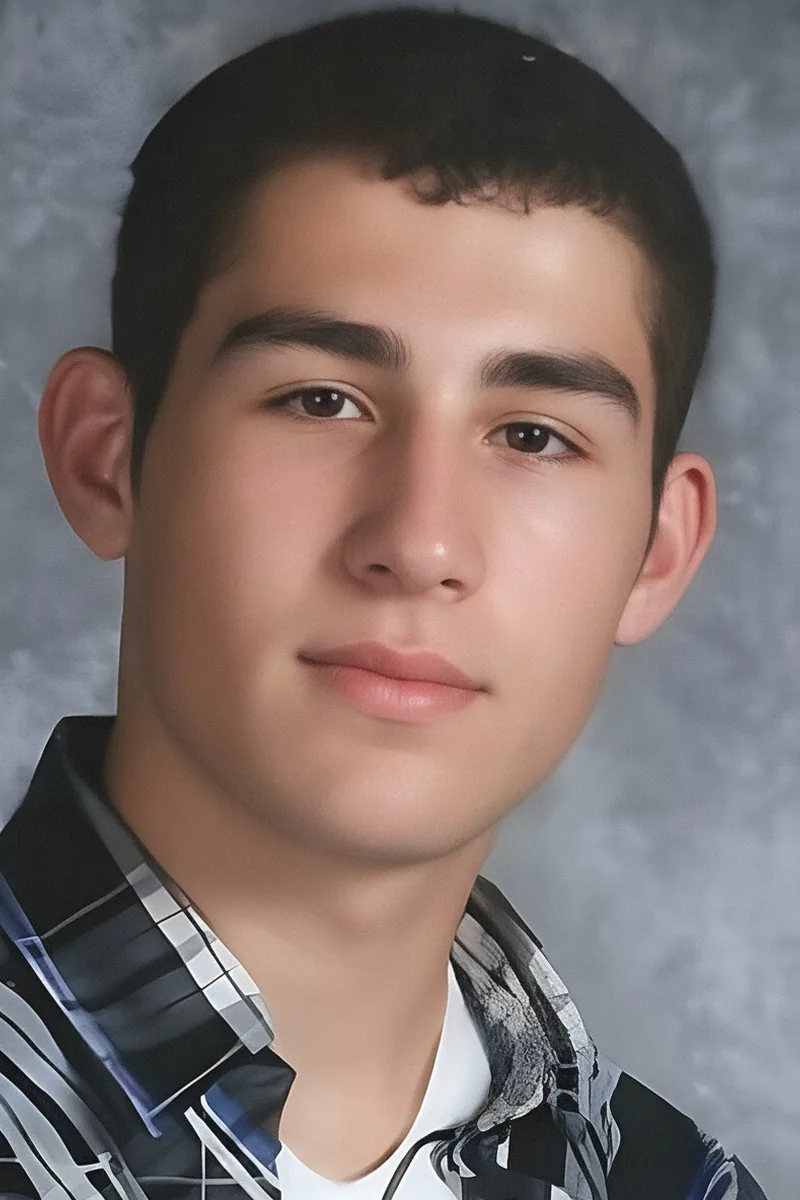
Engineering coursework at Harvard means Christopher regularly uses chemistry concepts like thermodynamics, equilibrium, and reaction kinetics in applied settings. He teaches college chemistry by connecting abstract ideas — say, Gibbs free energy or electrochemical cells — to tangible problems, making the material easier to internalize before exams.
Fourth-year med student at Albert Einstein College of Medicine, Michael has been applying gen chem principles — acid-base chemistry, reaction thermodynamics, solution behavior — in clinical and biochemical contexts for years, which means he can explain not just how to solve a problem but where that concept resurfaces later. His biology degree from Yeshiva College (summa cum laude) and time teaching MCAT prep for Kaplan gave him practice breaking down the exact topics that trip up college chemistry students: stoichiometry setups, equilibrium expressions, and the leap from qualitative reasoning to quantitative problem-solving.
Samantha studied Chemistry & Chemical Biology at Cornell with a food science concentration, so she's tackled everything from organic reaction mechanisms to thermodynamics and spectroscopy at the college level. She teaches tricky concepts like equilibrium constants, electrochemistry, and molecular orbital theory by building visual models that connect the math to what's physically happening at the molecular scale.
Studying biochemistry at Boston College means Kellie is taking college chemistry right now — she knows which exam questions are tricky, which textbook explanations fall flat, and which shortcuts actually hold up under pressure. She breaks down topics like electron configurations, VSEPR geometry, and solution stoichiometry with the clarity of someone who just wrestled with them herself and figured out what finally made them click.
Working in a research lab at UTHealth, Emily applies gen chem principles like reaction kinetics, buffer systems, and molecular interactions at the bench every day — which means she can show students what these concepts look like beyond the textbook problem set. Her biochemistry and cell biology degree built the content depth, and active research keeps it sharp, especially for topics like solution chemistry and thermodynamics where real-world context makes the logic easier to hold onto.
General chemistry at the college level lives or dies on whether you actually understand what's happening at the molecular level — equilibrium shifts, thermodynamic spontaneity, orbital hybridization — or just memorize formulas. Mosab's health sciences graduate work means he uses these concepts constantly and can connect them to real biochemical applications. Rated 5.0 by students.
Sung earned his B.S. in Chemistry, which means he can unpack topics like thermodynamics, equilibrium constants, and molecular orbital theory with real depth rather than surface-level definitions. He connects abstract concepts — like why Gibbs free energy determines spontaneity — to concrete problem-solving strategies that stick. Rated 5.0 by students.
Neuroscience at Vanderbilt means Blake has been neck-deep in college chemistry — gen chem concepts like molecular bonding, reaction energetics, and acid-base systems are the scaffolding for everything from neuropharmacology to membrane biophysics. His approach leans on building intuition for why a reaction behaves the way it does, drawing on his interest in how people actually learn and retain complex material. Rated 5.0 by students.
Having served as an undergraduate teaching assistant at Cornell for introductory biochemistry, Josef has spent real time diagnosing where students get stuck on foundational chemistry — electron configurations bleeding into bonding theory, or mole concepts falling apart during stoichiometric conversions. He teaches college chemistry with a life sciences backbone, connecting topics like solution chemistry and reaction energetics to the biological applications his students will actually encounter next semester. Rated 5.0 by students.
Between a biochemistry degree and ongoing work in biochemical laboratories, Andrew has used gen chem concepts like reaction thermodynamics, molecular bonding, and acid-base chemistry as everyday tools — not just exam material he learned and forgot. He teaches college chemistry by grounding abstract ideas in the lab contexts where they actually behave, so topics like equilibrium constants and enthalpy changes carry physical meaning rather than just numerical answers. Rated 4.9 by students.
Studying chemical and biological engineering means Suzie has been stress-tested on gen chem material — thermodynamics, reaction kinetics, stoichiometry — in courses that demanded she actually use it to solve mass and energy balances, not just reproduce it on an exam. She's now pursuing an MD/PhD at Michigan Medical School, so she teaches college chemistry with a clear picture of how each concept threads into biochemistry, physiology, and beyond. Rated 5.0 by students.
Chemical and biomolecular engineering at MIT means Natasha uses general chemistry concepts — equilibrium, kinetics, electrochemistry — as daily tools, not just exam topics. She talks through reaction mechanisms and stoichiometry problems out loud with students, treating each session more like a collaborative lab meeting than a lecture. Rated 4.9 by students.
Testimonials
Because the right College Chemistry tutor makes all the difference.
Average Session Rating – Based on 3.4M Learner Ratings
Nearby College Chemistry Tutors
Other New Orleans Tutors
Related Science Tutors in New Orleans
Frequently Asked Questions
College Chemistry requires mastering abstract concepts like molecular structure and thermodynamics while also developing strong problem-solving skills. Students often struggle with balancing chemical equations, unit conversions, and connecting theoretical principles to real-world applications—especially when lab work demands hands-on understanding. Many find that memorizing formulas isn't enough; they need to understand the underlying logic to succeed on exams and in the lab.
Personalized 1-on-1 instruction allows tutors to break down abstract concepts like bonding, equilibrium, and kinetics into digestible pieces tailored to how you learn best. Rather than passively listening to lectures, you can ask questions in real time, work through problems step-by-step, and get immediate feedback on your reasoning. This approach helps you develop genuine understanding instead of relying on memorization, which is crucial for both exams and lab success.
Yes. Tutors can help you understand the scientific method, prepare for lab reports, review experimental procedures before you conduct them, and work through data analysis afterward. They can also help you visualize what's happening at the molecular level during experiments, which deepens your understanding of the chemistry involved. This preparation often leads to more confident, successful lab work and stronger lab reports.
Your first session is a chance for the tutor to assess your current understanding, identify specific weak areas (whether it's stoichiometry, thermodynamics, or lab skills), and learn your learning style. You'll discuss your goals—whether that's improving your grade, preparing for an exam, or building confidence in the lab—so the tutor can create a personalized plan. From there, you'll typically dive into targeted practice on your most pressing challenges.
Balancing equations and stoichiometry are foundational skills that many students find frustrating, but they become much clearer with guided practice. A tutor can teach you systematic approaches, help you recognize patterns, and work through increasingly complex problems until the process becomes intuitive. With personalized instruction, you'll understand not just how to balance equations, but why the process works—making it easier to apply these skills to new problems.
Expert tutors bridge the gap between textbook concepts and practical applications by explaining how principles like equilibrium, reaction rates, and thermodynamics show up in industries, medicine, environmental science, and everyday life. This context makes abstract ideas more concrete and memorable, and it helps you see why you're learning the material in the first place. Understanding real-world relevance also deepens your conceptual grasp and engagement with the subject.
Tutors can help you identify gaps in your knowledge, create targeted study plans, and practice problem-solving under exam-like conditions with immediate feedback. They'll focus on high-yield topics, teach you test-taking strategies specific to Chemistry, and help you build confidence in areas where you've struggled. Regular practice sessions with a tutor also help with retention through spaced repetition and active recall—research-backed methods that improve exam performance.
Look for tutors with strong backgrounds in Chemistry—whether through a degree in Chemistry, biochemistry, chemical engineering, or related fields, plus proven teaching experience. Ideally, they've worked with college-level students and understand your specific curriculum or exam requirements. Varsity Tutors connects you with expert tutors in New Orleans who have the subject expertise and teaching skills to help you succeed, and you can discuss qualifications and experience before your first session.
Let’s find your perfect tutor
Answer a few quick questions. We’ll recommend the right plan and match you with a top 5% tutor.