Award-Winning Microbiology Tutors
serving Wichita, KS
Microbiology
Tutors in Wichita
Private 1-on-1 tutoring, weekly live classes for academic support, test prep & enrichment, practice tests and diagnostics, and more to elevate grades and test scores.
Based on 3.4M Learner Ratings
UniversitiesSchools & Universities
DeliveredHours Delivered
ProficiencyGrowth in Proficiency
Who needs tutoring?
No obligation. Takes ~1 minute.
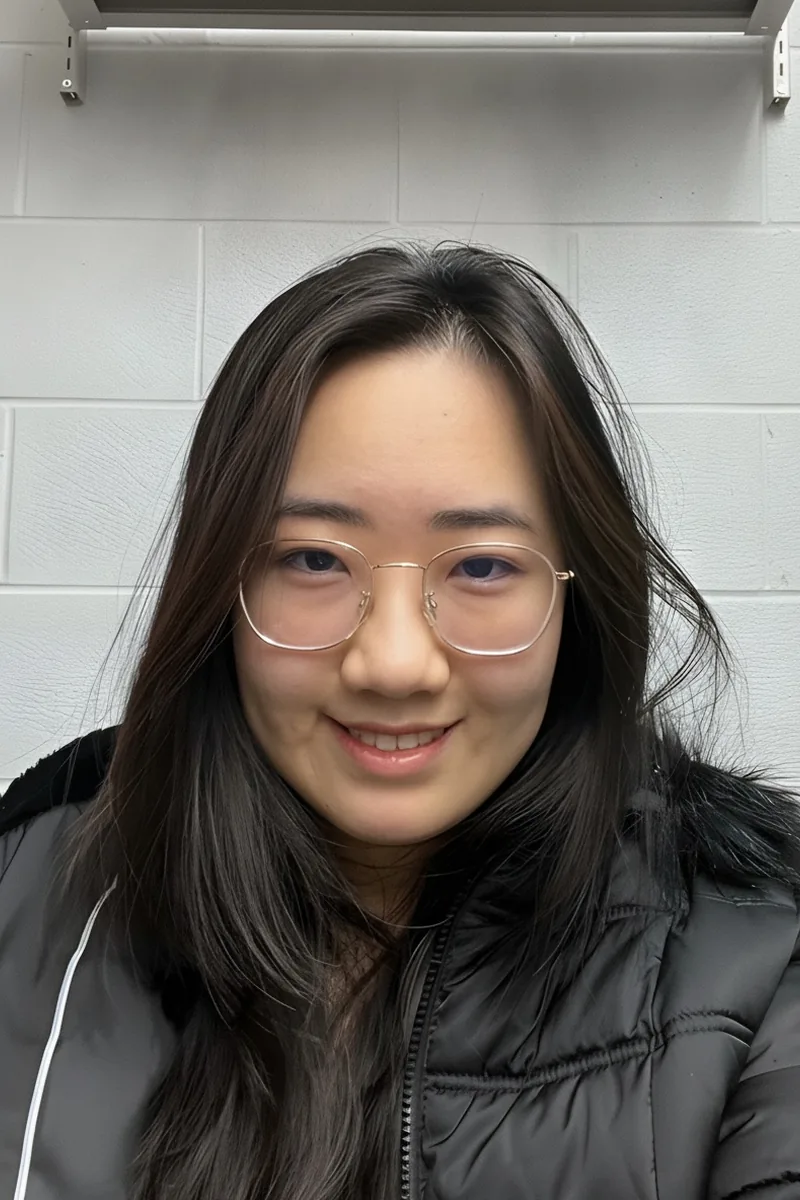
Bacterial classification, viral replication cycles, and host-pathogen interactions are central to both microbiology coursework and clinical medicine. As a medical student at UMKC, Evelyn encounters these concepts in a clinical context every week, which means she can explain the difference between gram-positive and gram-negative organisms — or how antibiotic resistance develops — with real diagnostic scenarios in mind.
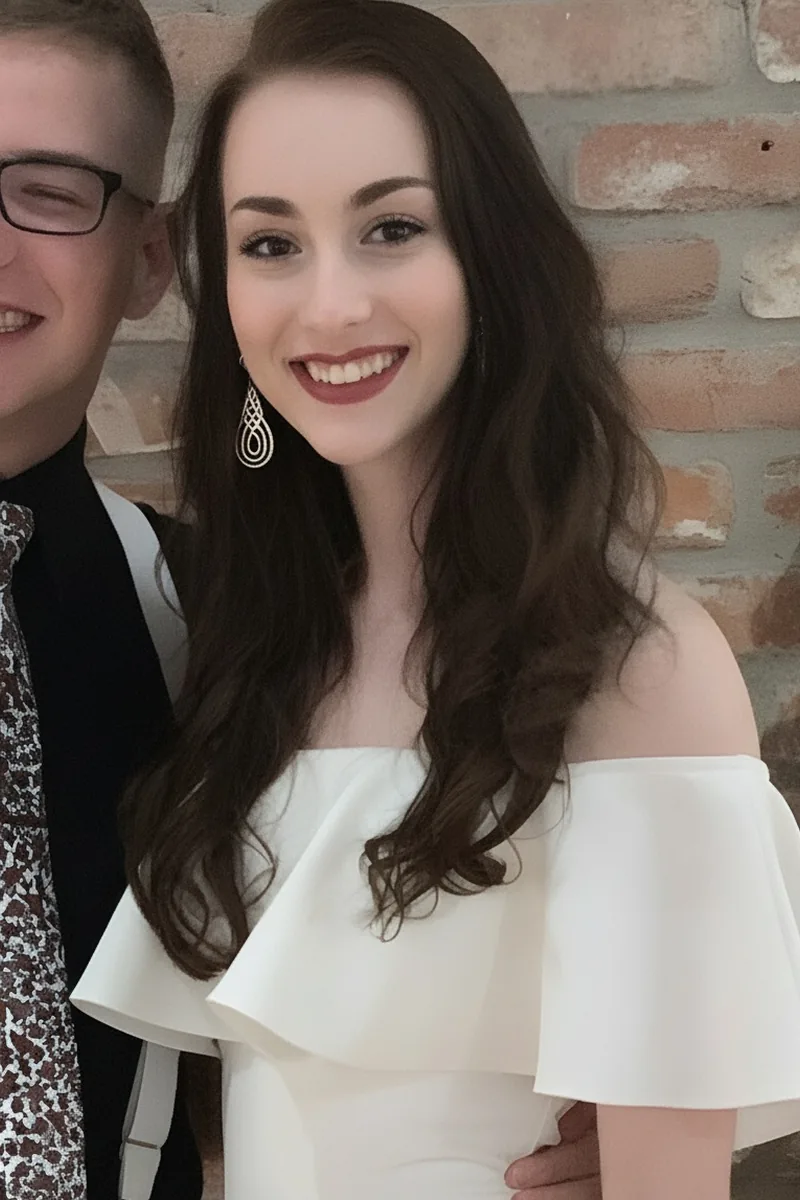
From cell biology and molecular biology to biochemistry and virology, Ashley's teaching repertoire covers the full range of disciplines that converge in a microbiology course — so when a student needs to trace how a virus hijacks host replication machinery or how bacterial toxins disrupt cellular signaling, she can unpack the underlying molecular logic on the spot. Her 5.0 client rating speaks to how effectively she translates that cross-disciplinary knowledge into clear, concept-driven explanations.
Dylan's biology degree gave him deep exposure to microbiology — bacterial cell structure, viral replication cycles, Gram staining techniques, and the metabolic pathways that distinguish prokaryotes from eukaryotes. He unpacks these topics by tying microscopic processes to observable outcomes like antibiotic resistance and infection patterns, which makes dense material easier to retain.
I am a second year medical student at the University of Kansas School of Medicine with an interest in surgery. I hope to make a difference in the world, be it large or small and through teaching I can accomplish that!
From bacterial cell structure to viral replication cycles, microbiology demands that students hold a lot of interconnected detail in their heads at once. Betsy breaks these systems down by linking each concept — gram staining, metabolic pathways, host-pathogen interactions — back to underlying biological principles that make the details easier to retain.
Garrett's biology degree paired with his coursework in physiology and anatomy means he understands microorganisms in the context of the systems they infect — not as isolated names on a flashcard. He walks through topics like microbial cell structure, pathogen life cycles, and immune evasion strategies by anchoring each organism to the tissue-level damage it actually causes, which turns a massive taxonomy into something students can reason through.
As a second-year medical student with an undergraduate degree in Molecular, Cell, & Developmental Biology from UCLA, Vinay brings clinical context to microbiology topics like bacterial pathogenesis, viral replication cycles, and antimicrobial resistance mechanisms. He connects each organism's structure to its behavior — explaining *why* gram-negative bacteria respond differently to antibiotics, not just *that* they do. His pharmacology knowledge adds an extra layer for students studying micro in a pre-health context.
The IB Biology program — both SL and HL — drills deep into microbial topics like cell theory, pathogen classification, and antibiotic resistance, and Kinjal completed that rigorous track before earning her biology degree at Texas A&M. That combination means she can walk through bacterial structure, microbial metabolism, and host-pathogen dynamics with the kind of layered understanding that comes from studying the material twice at increasing depth. Rated 5.0 by students.
Delaney's biology degree covered the foundational cell biology and ecology that makes microbiology click — understanding how microorganisms interact with their environments, compete for resources, and drive nutrient cycles. She also teaches graduate-level biology and ecology, so she can connect microbial concepts like quorum sensing or biofilm ecology to the larger biological systems students encounter in upper-level coursework. Rated 5.0 by students.
Gram stains, bacterial metabolic pathways, and viral replication cycles all require a kind of systematic memorization that falls apart without conceptual scaffolding. Anni's graduate work in biomedical sciences at UMDNJ gave her direct experience with microbial concepts, and she teaches them by linking each organism's structure to its clinical significance.
Studying microbiology in preparation for medical school gave Nishad a detailed command of bacterial physiology, viral replication cycles, and immune response pathways. He teaches students to connect structure to function — understanding why Gram-negative bacteria resist certain antibiotics, for instance, by tracing the architecture of their outer membrane.
Understanding microbiology means more than memorizing bacterial classifications — it requires seeing how metabolic pathways, genetic regulation, and environmental pressures shape microbial behavior. Alec studied genetics, genomics, and development at Cornell and taught biology content in both lecture and small-group settings, giving him a knack for making concepts like quorum sensing or virulence factor regulation feel intuitive rather than overwhelming.
Studying microbiology at the college level means juggling bacterial classification, metabolic pathways, virulence factors, and immune response mechanisms all at once. Kristin earned her biology degree at the University of Chicago and now applies microbiology daily in her nursing graduate program at Penn, where pathogen behavior and infection control are part of clinical reality rather than just textbook diagrams.
Micheal's biotechnology degree and his work at Massachusetts General Hospital mean microbiology isn't theoretical for him — it's the daily reality of understanding bacterial pathogenesis, culture techniques, and antimicrobial resistance. He unpacks dense topics like metabolic pathways and microbial genetics by tying them to clinical scenarios students can visualize.
Sam's Yale degree in Molecular Biophysics and Biochemistry gave him deep exposure to the cellular and molecular mechanisms that microbiology courses demand — membrane transport, metabolic pathways, bacterial genetics, and immune response. He connects these topics to their biochemical underpinnings, which makes processes like quorum sensing or antibiotic resistance easier to understand at a mechanistic level rather than through rote memorization.
As a fourth-year medical student at Thomas Jefferson University, Anshel has spent years immersed in bacterial pathogenesis, antimicrobial mechanisms, and the clinical consequences of infections that microbiology courses describe in the abstract. He connects concepts like gram staining, virulence factors, and antibiotic resistance to the patient scenarios that make them memorable. That clinical lens turns dense microbiology material into something students can actually reason through on exams.
Environmental science and public policy might seem distant from microbiology, but Ethan's coursework in biology, chemistry, and ecology covered the microbial ecology and nutrient cycling that underpin environmental systems — how soil bacteria drive nitrogen fixation, how waterborne pathogens behave in different conditions, and why microbial communities matter for public health policy. That environmental angle gives him a unique way of explaining concepts like bacterial metabolism and population dynamics, grounding abstract processes in real-world ecological contexts. Holds a 5.0 rating.
Testimonials
Because the right Microbiology tutor makes all the difference.
Average Session Rating – Based on 3.4M Learner Ratings
Other Wichita Tutors
Related Science Tutors in Wichita
Frequently Asked Questions
Microbiology requires mastering both invisible microscopic structures and complex metabolic processes—making it hard to visualize what's actually happening at the cellular level. Students often struggle with connecting theoretical concepts like bacterial reproduction or viral mechanisms to real-world applications, and the sheer volume of terminology can feel overwhelming. Personalized 1-on-1 instruction helps break down these abstract concepts into digestible pieces and builds the scientific reasoning skills needed to move beyond memorization.
Tutors for students in Wichita can help you understand the "why" behind lab procedures, not just the steps—whether you're culturing bacteria, performing gram stains, or analyzing antibiotic resistance. They can guide you through experimental design, help you interpret results, and strengthen your grasp of the scientific method so you approach labs with confidence. This deeper understanding translates directly to better lab reports and stronger performance on practical exams.
While Microbiology does involve learning new terms and structures, true mastery requires understanding how microorganisms function, interact, and respond to their environment. Personalized tutoring emphasizes conceptual understanding—like why certain antibiotics target specific bacterial structures, or how immune responses actually work—rather than rote memorization. When you understand the underlying mechanisms, the facts stick naturally and you can apply your knowledge to new problems and scenarios.
Your first session is about building a foundation for success: the tutor will assess your current understanding, identify specific areas where you're struggling (whether it's taxonomy, pathogenesis, or lab skills), and learn about your learning style. Together, you'll create a personalized plan that targets your biggest challenges and aligns with your course goals. This might include visualizing microscopic structures, working through problem sets, or preparing for upcoming exams.
Since you can't see bacteria or viruses with the naked eye, tutors use diagrams, animations, models, and analogies to make abstract structures concrete. They might draw out cell wall composition, walk you through the steps of binary fission, or explain how phagocytosis works using relatable comparisons. This visual and conceptual approach helps you build mental models of microbial structures and processes, making exams and lab work much less intimidating.
Microbiology tutoring covers the full range of college and high school coursework: microbial structure and function, metabolism and growth, genetics and molecular biology, pathogenesis and host-microbe interactions, immunology, and applied microbiology (like food safety and pharmaceuticals). Tutors also help with lab techniques, data analysis, and exam preparation. Whether you're taking introductory Microbiology or an advanced course, personalized instruction can be tailored to your specific curriculum and learning needs.
Many students notice improved understanding and confidence within the first few sessions, especially once they grasp how key concepts connect. More substantial improvements—like better exam scores or stronger lab performance—typically emerge after 3-4 weeks of consistent tutoring, depending on where you're starting and how frequently you meet. The key is building both conceptual understanding and problem-solving skills, which compound over time.
Varsity Tutors connects you with tutors who have strong backgrounds in Microbiology—whether through advanced degrees, professional experience in microbiology or related fields, or proven success teaching the subject. Each tutor is vetted for expertise and teaching ability, ensuring they can explain complex concepts clearly and guide you toward genuine understanding. When you connect with a tutor, you'll know they have the knowledge and experience to support your success.
Let’s find your perfect tutor
Answer a few quick questions. We’ll recommend the right plan and match you with a top 5% tutor.