Award-Winning Elementary School Reading Tutors
serving Wichita, KS
Elementary School Reading
Tutors in Wichita
Private 1-on-1 tutoring, weekly live classes for academic support, test prep & enrichment, practice tests and diagnostics, and more to elevate grades and test scores.
Based on 3.4M Learner Ratings
UniversitiesSchools & Universities
DeliveredHours Delivered
ProficiencyGrowth in Proficiency
Who needs tutoring?
No obligation. Takes ~1 minute.

Early reading success depends on layering skills in the right order: letter recognition, phonemic awareness, decoding, fluency, and finally comprehension. Ayesha's background in elementary education gives her a toolbox of phonics-based and sight-word strategies tailored to where each child actually is in that progression. She holds a 5.0 client rating.
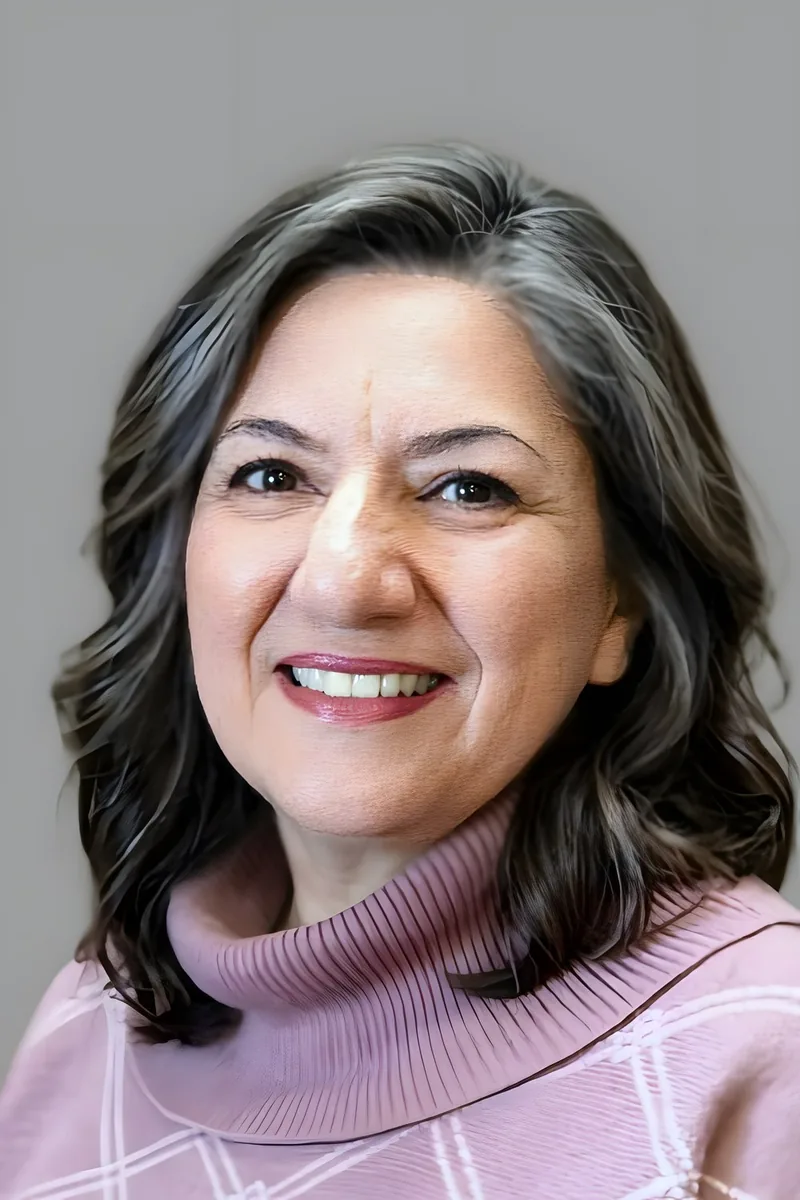
I am a dedicated educator with over 35 years of teaching experience and a Doctor of Business Administration (DBA). Teaching is my natural calling, and I excel at making learning accessible, engaging, and tailored to each student's unique learning style and personal goals. My students frequently tell me that teaching is my natural calling, and I pride myself on being a supportive facilitator who makes learning both engaging and accessible for all ages and across all subjects of expertise. I treat every student as a unique individual, exploring their personal aspirations and learning styles. I tailor my approach to build both academic skills and independent confidence. My expertise includes: College Business: Guiding students through complex theories and foundational principles. Reading Comprehension & Writing: Structuring engaging, thinking-based lessons for both English and Arabic languages. Academic Mentorship & Study Skills. Life is school.......let's learn together!
Early reading is all about building confidence — a child who feels like a "bad reader" will avoid books, and avoidance makes everything harder. Evelyn takes a patient, encouraging approach, working on phonics, sight words, and basic comprehension questions in ways that keep young learners engaged rather than frustrated. Her experience learning to read in a new language herself gives her real insight into what it feels like when the words on a page don't come easily yet.
Someone who has taught language acquisition to college students for seven years understands exactly how reading skills develop — from phonics and decoding to fluency and comprehension. Dorthea brings that linguistic awareness to younger readers, making connections between sounds, words, and meaning that build genuine reading confidence.
Teaching young readers to decode words is only half the job — the other half is building the confidence to try. Ariana spent years as a middle-school English teacher and brings phonics, sight-word strategies, and guided reading techniques to elementary students who are still developing fluency. She knows how to match a child with the right-level text so reading feels like progress, not punishment.
Early reading clicks when a student can connect sounds to letters and letters to meaning without feeling rushed. Nikit walks younger readers through phonics patterns, sight word recognition, and basic comprehension questions, building the kind of confidence that turns reluctant readers into curious ones.
Early reading success depends on building a toolkit: sight word recognition, phonetic decoding, and the confidence to tackle unfamiliar words without shutting down. Arianna's behavioral neuroscience degree from the University of Kansas gives her a science-backed understanding of how young brains learn to read, and she applies that knowledge to make each session feel like progress. She pairs structured skill-building with engaging texts that keep elementary readers motivated to pick up the next book.
Early reading clicks when a child connects sounds to meaning, not just letters to sounds. Ashwini tackles sight words, phonics patterns, and reading comprehension together so that young learners start recognizing whole ideas on the page. Her background in behavioral science gives her practical strategies for keeping kids engaged and building confidence with each book.
Growing up as the oldest of six kids, Eamon spent years reading aloud with younger siblings and breaking down tricky words, character motivations, and story structure in real time. That hands-on experience translates directly into how he teaches phonics, comprehension, and vocabulary to early readers. He makes decoding feel like puzzle-solving rather than a chore.
When an early reader stumbles over a passage, the issue is often phonics one day and comprehension the next — and knowing which one to address matters. Libby identifies where the breakdown is happening and adjusts accordingly, whether that means working on decoding strategies, building vocabulary in context, or practicing how to retell a story in the right order.
I am a second year medical student at the University of Kansas School of Medicine with an interest in surgery. I hope to make a difference in the world, be it large or small and through teaching I can accomplish that!
Phonics, sight words, and reading fluency each require a different kind of practice, and knowing which one a student needs right now makes all the difference. Alisa identifies where a young reader is getting stuck — whether it's decoding, vocabulary, or simply sustaining attention through a full page — and tailors each session accordingly.
Learning to read is really learning to decode — matching sounds to letters, blending them into words, and eventually turning that effort into automatic comprehension. Colin makes this process interactive, using stories and read-alouds that keep young learners engaged while building phonics skills and sight-word recognition. He adjusts his pacing to each child so early struggles don't harden into long-term frustration.
Early reading success comes down to specific, teachable skills: phonics patterns, sight word fluency, and the ability to retell what just happened in a story. Qays zeroes in on whichever of these a young reader needs most, building confidence through short, focused practice rather than overwhelming worksheets.
When a young reader stumbles, the issue is often phonics one day and comprehension the next — so Hythem pinpoints exactly where the breakdown happens. He uses a mix of decoding practice, sight-word reinforcement, and guided questioning about stories to make sure kids aren't just sounding out words but actually understanding what they read.
Reading at the elementary level is about more than decoding words — it's building the habit of asking questions about what's on the page. Sanjana teaches young readers to identify main ideas, make predictions, and connect stories to their own experiences. She keeps sessions interactive so kids stay engaged rather than passively reading aloud.
Before a child can analyze a story, they need to feel confident decoding words, tracking characters, and retelling what happened in order. Allan approaches early reading by connecting vocabulary and comprehension exercises to topics kids are genuinely curious about — especially science and the natural world, drawing on his biology background. That curiosity-first approach turns reading practice into something students want to do rather than something they endure.
Getting a child to love reading early changes everything that comes after. Annabel teaches phonics, sight words, and basic comprehension strategies like predicting and summarizing, turning each reading session into an active conversation about the story rather than a passive exercise.
Building real reading confidence at the elementary level means more than just decoding words — it means learning to make predictions, ask questions about characters, and connect stories to personal experience. Vivian teaches these comprehension strategies explicitly, giving young readers tools they can use every time they pick up a book.
Sabira pairs her genuine enthusiasm for books with patient, structured phonics and fluency practice to build confident young readers. She zeroes in on the specific skill each child needs next — whether that's decoding multisyllable words, building vocabulary through context clues, or retelling a story in sequence — so sessions always feel productive. She holds a 5.0 client rating.
Kyle approaches elementary reading by connecting books to the things kids already care about — sports, adventure, humor — so that turning pages feels like a choice, not a chore. He zeroes in on specific skills like identifying main ideas, making predictions, and building vocabulary through context clues. Years of working with kids as a coach and counselor give him a natural rapport with younger learners.
Getting young readers excited about books is half the battle — the other half is building real skills like decoding unfamiliar words, making predictions, and retelling a story in their own words. Noel is an avid reader himself and brings that genuine enthusiasm to every session, turning reading practice into something kids actually look forward to.
Early reading skills like phonics and decoding are important, but so is the moment a child starts making predictions about a story or asking why a character did something. Paula builds both sides — the mechanical fluency and the comprehension habits — so young readers don't just sound out words but actually engage with what they're reading.
I am a graduate of the University of Pennsylvania with a Masters degree in Education and have been an Elementary and Middle School educator for over thirty years. I have worked with students in the inner city, suburbs, Appalachia, and Deep South. I love teaching and children, and have discovered my passion in tutoring students who are struggling in Reading and Math. I have taught children with learning disabilities to read, and coached students with dyscalculia in math and reading. I worked as a principal for the past eight years, so was working with students from Pre-K to 8th grade, coaching teachers, analyzing data, and tutoring individual students in math and reading. I have worked as a national park ranger in the past, so social studies and history are areas of strength. Students that I teach respond well to my teaching style and enjoy working with me. I believe that education is extremely important for children's futures and do everything that I can to help them be successful.
Years of volunteering in elementary classrooms taught Gloria that reading clicks when kids connect stories to their own curiosity — whether that means predicting what happens next, sounding out tricky vowel combinations, or retelling a chapter in their own words. Her neuroscience background also gives her insight into how young brains process phonics and comprehension differently at each developmental stage. Rated 5.0 by students and families.
Early reading clicks when a child can connect what's on the page to what they already know. Daniel builds that bridge by teaching phonics patterns alongside comprehension strategies like predicting and retelling, keeping sessions interactive enough that younger readers stay engaged rather than frustrated.
Amanda's psychology background gives her real insight into how young readers develop skills like phonics, fluency, and comprehension at different stages. She tailors reading sessions to each child's level, whether that means sounding out new vocabulary or discussing what a character's choices reveal about the story. Her patience and enthusiasm for books make early reading feel like an adventure rather than a chore.
Testimonials
Because the right Elementary School Reading tutor makes all the difference.
Average Session Rating – Based on 3.4M Learner Ratings
Other Wichita Tutors
Related English Tutors in Wichita
Frequently Asked Questions
Reading is the foundation for all learning across subjects. Strong reading skills in elementary school help students understand math word problems, science texts, and social studies material. When students struggle with reading early on, it becomes harder to keep up in other subjects, which is why getting personalized support during these critical years makes such a difference.
Many elementary students struggle with phonics, decoding unfamiliar words, or understanding what they've read. Others have trouble focusing during reading time or feel anxious about reading aloud. Some students read at a different pace than their classmates, making it hard to keep up with grade-level assignments. Personalized tutoring addresses each student's specific needs rather than a one-size-fits-all classroom approach.
Tutors work with students on proven strategies like predicting what happens next, asking questions while reading, and summarizing key ideas. They also help students connect new stories to things they already know. With personalized instruction, tutors can slow down when needed, re-read passages together, and give immediate feedback—something that's harder in a classroom with a 14:1 student-teacher ratio.
Reading fluency—the speed and smoothness of reading—develops at different rates for different students. Tutors help build fluency through repeated reading of engaging texts, breaking words into manageable chunks, and building confidence. As students practice with support and encouragement, their reading speed and confidence naturally improve, which makes reading feel less frustrating and more enjoyable.
The first session is all about getting to know your student. A tutor will assess your child's current reading level, identify specific challenges, and learn about their interests and learning style. This helps create a personalized plan that targets the areas where your student needs the most support, whether that's phonics, fluency, comprehension, or confidence.
Varsity Tutors connects you with tutors who have experience teaching elementary reading in your area. You share details about your student's needs and grade level, and we match them with someone who's a great fit. The process is straightforward, and you can get started quickly so your student gets the support they need.
Many students show improvement in confidence and engagement within a few weeks of consistent tutoring. Measurable gains in fluency and comprehension typically appear over a few months, depending on where the student is starting and how frequently they work with a tutor. Regular practice between sessions—like reading at home—helps speed up progress.
Reading together regularly is one of the most powerful things you can do. Let your child pick books they're interested in, read aloud to them, and ask simple questions about the story afterward. Your tutor can also suggest specific strategies and books matched to your child's level, so you're reinforcing the same skills they're working on during sessions.
Let’s find your perfect tutor
Answer a few quick questions. We’ll recommend the right plan and match you with a top 5% tutor.