Award-Winning AP Environmental Science Tutors
serving Wichita, KS
AP Environmental Science
Tutors in Wichita
Private 1-on-1 tutoring, weekly live classes for academic support, test prep & enrichment, practice tests and diagnostics, and more to elevate grades and test scores.
Based on 3.4M Learner Ratings
UniversitiesSchools & Universities
DeliveredHours Delivered
ProficiencyGrowth in Proficiency
Who needs tutoring?
No obligation. Takes ~1 minute.

Chemical engineering coursework at Princeton drills material and energy balances — tracking what flows in, what transforms, and what flows out — which maps directly onto APES topics like biogeochemical cycles, pollution transport, and energy resource calculations. Satya applies that systems-level thinking to the exam's quantitative questions, breaking down ecological footprint math and efficiency problems with an engineer's precision. A perfect 36 ACT score speaks to the data-interpretation and scientific reasoning skills the free-response section demands.
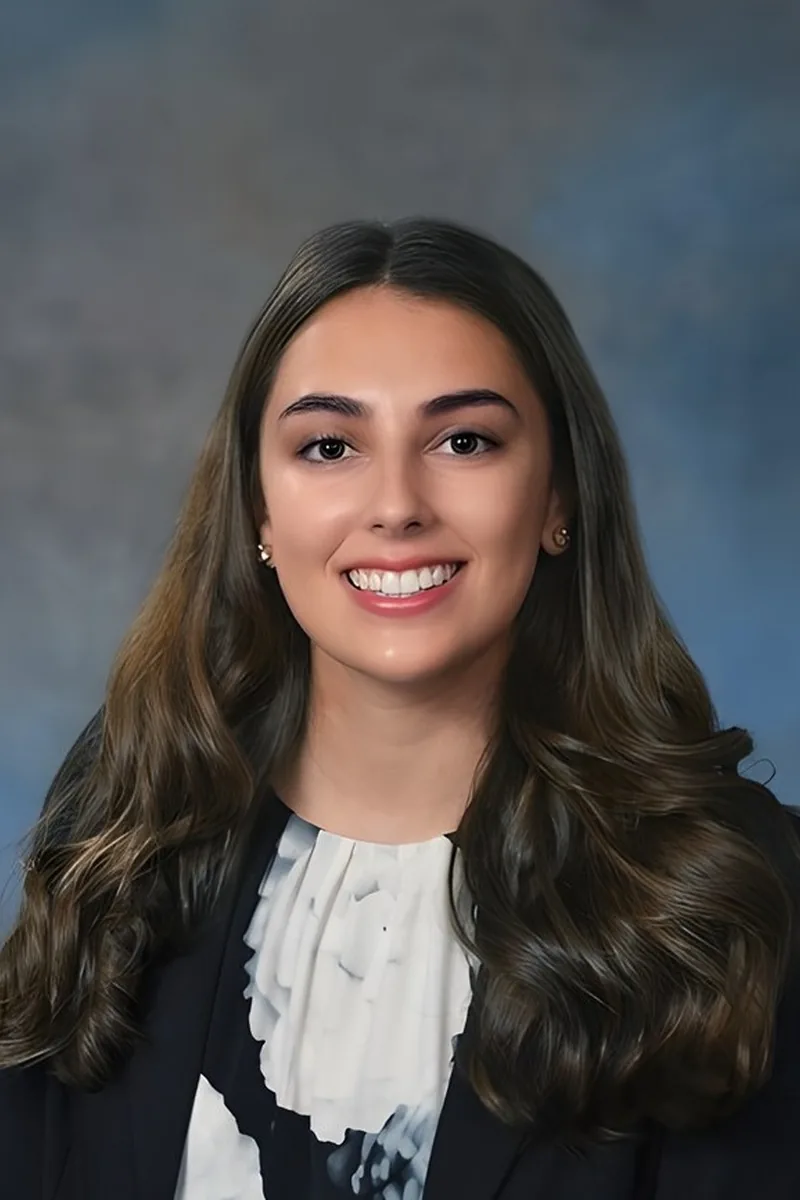
Medical training reshapes how you think about environmental health — Amanda's MD/MPH work means she understands toxicology pathways, epidemiological data, and the public health consequences of pollution at a clinical level, which gives her a distinctive angle on APES units covering air and water quality, disease vectors, and human impact. She teaches students to read dose-response data and environmental risk assessments the way a physician would, building the analytical reasoning the free-response section rewards.
Before she ever tutored APES, Jenna was on the other side — she used tutoring herself in high school to push through tough coursework and earned a 31 ACT and full-tuition scholarship along the way. That experience gives her a sharp read on where students get stuck, especially on the policy and legislation units where environmental science intersects with the kind of big-picture cause-and-effect reasoning she sharpened across her humanities and writing coursework. Rated 4.9 by students.
Finance majors spend their time modeling risk, running cost-benefit analyses, and interpreting data sets — skills Shankhadip now applies to APES topics like resource depletion calculations, environmental cost analysis, and the policy-driven free-response questions where students must weigh economic trade-offs against ecological consequences. His quantitative comfort with statistics and applied math makes him especially useful for the graph-interpretation and calculation problems that catch memorization-focused students off guard.
Brown's public health curriculum digs into the human side of environmental problems — epidemiology, toxicology, resource policy — and Paul pairs that perspective with a biology major's understanding of the ecological systems APES actually tests. He teaches students to connect pollution sources to health outcomes and trace nutrient cycles through ecosystems, building the kind of layered cause-and-effect reasoning that earns full marks on free-response questions. Rated 5.0 by students.
Studying Human Biology at Stanford with a concentration in health policy gives Jake a direct line into the APES units on public health, pollution, and environmental legislation — he understands how ecological disruptions translate into real human consequences, which is exactly the kind of reasoning the free-response section rewards. His 34 ACT and 5.0 tutoring rating back up an approach that emphasizes connecting biological systems to their policy implications rather than treating each unit as isolated material.
As a PhD student researching microbial ecology, Isaac lives the material that AP Environmental Science covers — biogeochemical cycles, ecosystem dynamics, biodiversity loss, and human impact on natural systems. He brings current research context into exam prep, connecting FRQ strategies to the kind of scientific reasoning the College Board actually rewards. His 5.0 rating speaks to how well that approach lands with students.
Katie holds a master's in science education and a bachelor's in natural resources and conservation — meaning she didn't just study APES topics like land use, biodiversity, and resource management as exam content; they were her actual field of study. She teaches students to think in cause-and-effect chains across units, connecting deforestation to soil erosion to water quality decline, which is exactly the kind of multi-step reasoning the free-response rubrics reward. Rated 5.0 by students.
Sofia's ecology concentration at the University of Chicago means AP Environmental Science isn't a subject she just studied — it's her field. She unpacks FRQ-heavy topics like biogeochemical cycles, biodiversity loss, and energy resource tradeoffs with the depth of someone who does research in a neurobiology lab and thinks about ecosystems professionally. That firsthand scientific context makes the difference between memorizing vocabulary and actually understanding environmental systems.
Cellular and molecular biology at Johns Hopkins means Christopher studies the biochemical machinery behind processes like photosynthesis, decomposition, and nitrogen fixation — the same mechanisms that drive the ecosystem-level concepts APES tests on. He bridges that molecular understanding to big-picture topics like climate feedback loops and biodiversity loss, giving students the mechanistic "why" behind each environmental process instead of just a surface-level definition.
Ashley's dual degrees in the Science of Natural and Environmental Systems and Economics mirror exactly what APES demands — the ability to think across ecological principles and the human economic forces driving resource depletion, land use change, and pollution policy. She tackles topics like cost-benefit analysis of environmental regulations and the economics behind tragedy-of-the-commons scenarios with genuine subject fluency, not just textbook familiarity.
Finance majors learn to model complex systems with multiple interacting variables — resource scarcity, cost-benefit trade-offs, long-term risk — and Rinky applies that same analytical framework to APES topics like resource depletion, environmental cost analysis, and sustainability trade-offs that show up heavily in free-response prompts. Her 1520 SAT and 5.0 tutoring rating speak to the precision she brings when walking through the data-interpretation and calculation questions that surprise students expecting a soft science course.
Testimonials
Because the right AP Environmental Science tutor makes all the difference.
Average Session Rating – Based on 3.4M Learner Ratings
Practice AP Environmental Science
Free practice tests, flashcards, and AI tutoring for AP Environmental Science
Other Wichita Tutors
Related Science Tutors in Wichita
Frequently Asked Questions
AP Environmental Science covers eight major units: The Living World, Ecosystems, Populations, Earth Systems and Resources, Land and Water Use, Energy Resources and Consumption, Atmospheric Pollution, and Global Change. The exam emphasizes both scientific concepts and real-world environmental issues, requiring students to understand how human activities impact natural systems. Tutors can help you master the connections between these units and develop the analytical skills needed to apply concepts to case studies on the exam.
Many students struggle with the breadth of content—the course covers biology, chemistry, geology, and ecology all in one class. Another common challenge is the FRQ (Free Response Question) section, which requires students to synthesize information, calculate environmental metrics, and explain complex processes clearly. Data interpretation and graph analysis also trip up students who haven't practiced identifying trends and drawing conclusions from environmental datasets. Personalized tutoring can target your specific weak areas and build confidence with question types that give you the most trouble.
Score improvement depends on your starting point and commitment level, but focused tutoring typically helps students gain 2-4 points on the 5-point scale. The national average AP Environmental Science score is around 2.5, so students who work with tutors on targeted strategies—especially FRQ writing and data analysis—often move into the 3-4 range. Consistent practice with released exams and feedback on your reasoning is key to measurable improvement.
The three FRQs require different skills: one focuses on data analysis and calculations, one on environmental science concepts and processes, and one on synthesis across units. A strong strategy is to read each question carefully, underline key terms, and organize your response before writing—rushing leads to incomplete explanations that cost points. Tutors can teach you how to structure responses that address all parts of the prompt, show your reasoning, and use appropriate scientific vocabulary. Practice with released FRQs and getting feedback on your writing is essential for improvement.
Most students benefit from starting exam prep 2-3 months before the May test date, dedicating 5-7 hours per week to focused review. If you're starting earlier in the school year, consistent weekly study throughout the course prevents cramming and builds deeper understanding. In the final 3-4 weeks, shift toward full-length practice tests, timed FRQ practice, and reviewing your weakest units. A tutor can help you create a realistic study schedule based on your current level and target score.
Test anxiety often stems from uncertainty about question formats or time management. Building confidence through repeated practice with released exams helps you recognize question patterns and trust your preparation. During the exam, read questions twice, answer easier ones first, and manage your time: spend roughly 90 minutes on the multiple-choice section and 90 minutes on the three FRQs. Tutors can teach you breathing techniques, help you identify which question types trigger anxiety, and build your confidence through targeted practice that mimics exam conditions.
Look for tutors with strong backgrounds in environmental science, biology, or related fields, plus proven experience helping students prepare for the AP exam. They should be familiar with the current AP Environmental Science curriculum and exam format, and ideally have access to released exams and scoring rubrics. Most importantly, they should understand how to break down complex topics into digestible pieces and provide targeted feedback on your FRQs. Varsity Tutors connects you with expert tutors who meet these standards and can adapt their teaching to your learning style.
Your first session typically includes a diagnostic assessment—your tutor will review your current understanding, identify knowledge gaps, and discuss your target score and timeline. You might work through a practice question or two to understand your strengths and areas for improvement. From there, your tutor will create a personalized plan that prioritizes the units and skills you need most, whether that's mastering photosynthesis and energy flow, improving your FRQ writing, or building data analysis skills. This foundation helps you make the most of every tutoring session.
Let’s find your perfect tutor
Answer a few quick questions. We’ll recommend the right plan and match you with a top 5% tutor.