Award-Winning AP English Literature and Composition Tutors
serving Wichita, KS
AP English Literature and Composition
Tutors in Wichita
Private 1-on-1 tutoring, weekly live classes for academic support, test prep & enrichment, practice tests and diagnostics, and more to elevate grades and test scores.
Based on 3.4M Learner Ratings
UniversitiesSchools & Universities
DeliveredHours Delivered
ProficiencyGrowth in Proficiency
Who needs tutoring?
No obligation. Takes ~1 minute.
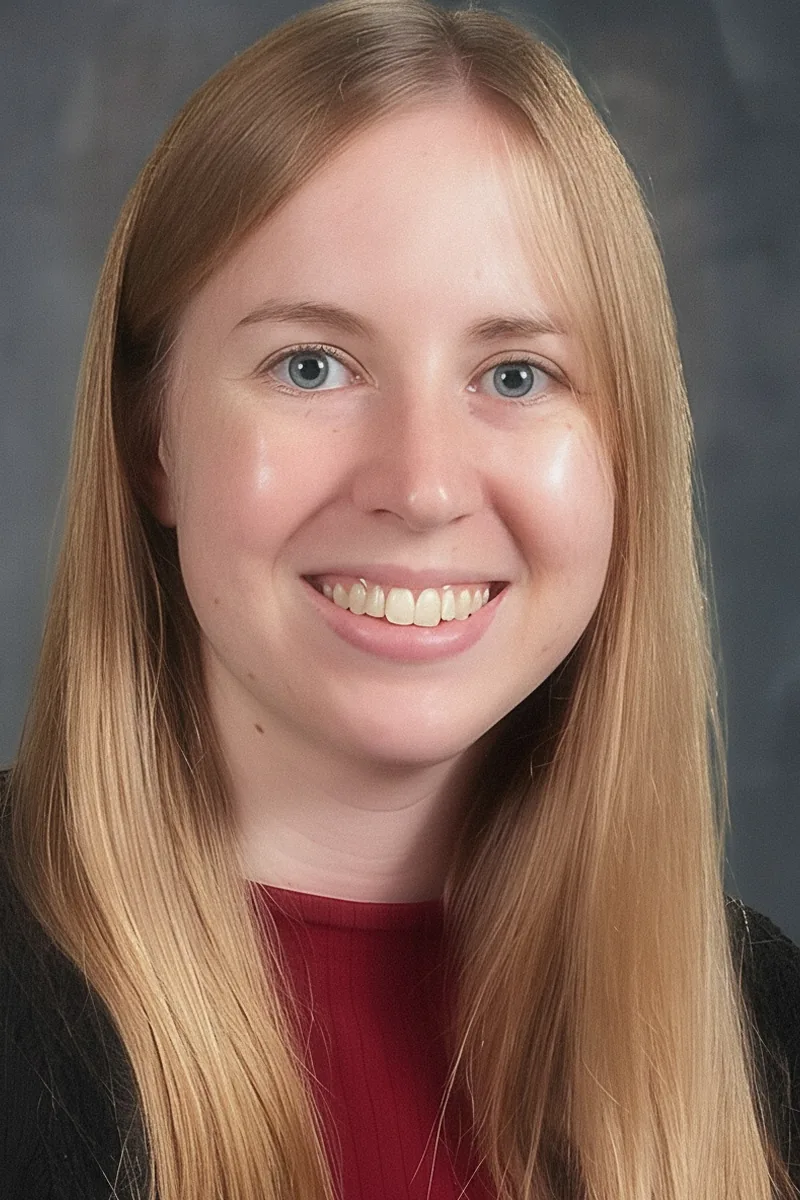
AP English Literature asks students to do something genuinely difficult: read a poem or prose passage they've never seen and write a polished analytical essay in 40 minutes. Ariana's English certification and years in the classroom mean she knows how to teach close reading that goes beyond summarizing plot — identifying shifts in tone, tracking imagery patterns, and building an argument around a defensible thesis. She treats each practice essay as a chance to sharpen one specific skill rather than rewriting the whole thing.

A Master's in English Literature from Kansas State means Cameron has spent years doing exactly what AP Lit demands: close reading poetry and prose, building interpretive arguments, and writing timed analytical essays under pressure. He digs into how literary devices like imagery, tone shifts, and narrative structure function within a passage, then teaches students to translate that analysis into high-scoring free-response writing.
I am an effective, skilled communicator and tutor. I am personable, approachable, and fun. USDA-NRCS Agricultural Engineer University of Oklahoma - Hydrology Grand Canyon University - School of Engineering Subjects: Physics, Engineering, Math, History Colorado native living in KS Love all kinds of sports- participating and watching Avid reader - multiple genres Youth leadership roles at church; service trips to Dominican Republic USDA Agricultural Engineer Fan of Star Wars, slack lining, outdoor adventure, music and road trips LinkedIn: https://www.linkedin.com/in/tobinmorse80 Facebook: https://www.facebook.com/tobin.morse
Earning a Secondary Teacher's certification while studying English means Hailey is learning not just how to analyze literature but how to teach that analysis — breaking down why a particular stanza's enjambment or a narrator's shifting reliability matters, then coaching students to articulate those insights in timed, thesis-driven essays. Her 32 ACT and 5.0 tutoring rating back up an approach rooted in making the leap from 'I noticed something' to 'here's my argument about what it means.'
Close reading is the backbone of AP Lit, and Elena's graduate training in art history taught her to analyze visual and written texts with the same forensic attention to detail. She teaches students to unpack poetic structure, narrative voice, and figurative language in ways that translate directly into high-scoring free-response essays. Her approach treats each passage like an artifact worth investigating, not just a prompt to answer.
AP Lit asks students to do something most of their English classes haven't prepared them for: build an original interpretive argument about a poem or passage they've never seen before, in 40 minutes. Amanda's dual background in psychology and literary study gives her a distinctive angle on close reading — she teaches students to track how a character's interiority or a narrator's tone functions as evidence for a thesis. That analytical precision is what earns 7s, 8s, and 9s on the free-response questions.
AP Lit asks students to do something most haven't practiced — write analytically about how a poem's structure or a novel's narrative technique creates meaning, not just summarize plot. As a Yale humanities student and avid reader, Tessa digs into the close-reading skills that earn high marks on the poetry free-response and the open-ended essay. She's particularly sharp on teaching students to move from observation ('there's a metaphor here') to argument ('here's what it does and why it matters').
AP English Lit asks students to do something genuinely difficult: write a persuasive literary argument under timed conditions about a poem or passage they've never seen before. Paula's approach digs into close reading techniques — tracking imagery patterns, shifts in tone, narrative perspective — so that students walk into the exam knowing how to generate an original thesis on the spot. Her background in both Psychology and Communication Studies sharpens the way she unpacks character motivation and authorial intent.
AP Lit asks students to do something most high schoolers haven't practiced: build an argument about how a poem or passage works, not just what it means. Brittany's Yale literature background and college-level teaching experience mean she can walk through the difference between summary and analysis, then show how to structure a timed essay that earns top marks on the rubric.
AP English Literature asks students to do something genuinely difficult: read a poem or prose passage they've never seen and produce a polished analytical essay under time pressure. Muriel's degree in Spanish and Italian literature means she's spent years doing exactly this kind of close reading across multiple literary traditions, spotting how imagery, tone, and structure carry meaning. She teaches students to build arguments around textual evidence rather than plot summary — the skill that separates 3s from 5s.
AP English Lit asks students to do something Malina has done thousands of times: take a piece of literature apart and explain how its language creates meaning. Her Yale Classics training in close reading poetry and prose — tracking meter, diction, imagery, and narrative structure — maps directly onto the skills the free-response essays demand. She's particularly strong at teaching students to write thesis-driven analyses under timed conditions.
A PhD in Religion and a bachelor's in philosophy gave Chang deep experience doing exactly what AP Lit demands: close reading of complex texts and constructing interpretive arguments under pressure. He teaches students to move beyond plot summary and build thesis-driven essays that analyze literary devices, narrative structure, and authorial intent with real textual evidence.
AP English Literature demands more than summarizing a novel — it requires close reading that connects imagery, diction, and structure to a text's deeper argument. Stephanie's Princeton coursework sharpened her ability to analyze poetry and prose at the college level, and she applies that same rigor when walking students through timed essay responses and multiple-choice passage analysis.
AP English Lit asks students to do something genuinely difficult: read a poem or passage cold and produce a polished analytical essay under time pressure. Sarah's BA in English from Oberlin and her ongoing PhD work at Harvard mean she can teach students to unpack figurative language, track shifts in tone, and build thesis-driven arguments about texts they've never seen before. Her poetry background is especially useful for the notoriously challenging poetry analysis prompt.
AP Lit's free-response questions reward students who can move beyond plot summary and build arguments around literary devices — symbolism, tone shifts, narrative structure. Priscilla's Harvard coursework in government and economics trained her to construct tight, evidence-driven essays under pressure, a skill she applies directly to poetry and prose analysis on exam day.
Testimonials
Because the right AP English Literature and Composition tutor makes all the difference.
Average Session Rating – Based on 3.4M Learner Ratings
Practice AP English Literature and Composition
Free practice tests, flashcards, and AI tutoring for AP English Literature and Composition
Other Wichita Tutors
Related English Tutors in Wichita
Frequently Asked Questions
The AP English Literature and Composition exam tests your ability to analyze prose and poetry across multiple time periods and genres. The exam includes a 1-hour multiple-choice section (55 questions) focused on reading comprehension and literary analysis, followed by a 2-hour free-response section with three essays: one analyzing a provided prose passage, one analyzing a provided poem, and one argument essay on a literary work of your choice. Success requires strong close-reading skills, understanding of literary devices, and the ability to construct well-supported analytical arguments under timed conditions.
Many students struggle with time management during the free-response section—three essays in two hours requires efficient planning and writing. Others find it difficult to move beyond surface-level observations to deeper thematic and stylistic analysis, especially when encountering unfamiliar texts. The multiple-choice section can be tricky because correct answers often require nuanced understanding of tone, perspective, and implied meaning rather than explicit textual details. Personalized tutoring helps you develop faster analytical processes, strengthen your ability to identify literary techniques quickly, and build confidence with the specific question formats you'll encounter.
Score improvement depends on your starting point and how consistently you engage with tutoring and practice. Students who work with tutors typically see gains of 1-2 points on the AP scale (which ranges from 1-5) over several months, though some see larger improvements by strengthening foundational skills like textual analysis and essay structure. The most significant improvements come from targeted practice on your specific weak areas—whether that's multiple-choice strategy, essay organization, or analyzing particular literary devices—combined with regular feedback on your writing.
Your first session focuses on understanding your current strengths and challenges. Expect to discuss your reading and writing habits, review any practice tests or essays you've completed, and identify which aspects of the exam feel most difficult—whether that's timed essay writing, multiple-choice pacing, or analyzing unfamiliar texts. From there, tutors can create a personalized study plan that addresses your specific needs, whether you're starting preparation early or need intensive support closer to test day.
Practice tests are essential for AP English Literature success because they help you build stamina for the 3-hour exam, identify your specific weak areas, and get comfortable with the exact question formats and timing constraints you'll face. Taking full-length, timed practice tests every few weeks allows you to track progress and adjust your study strategy. Tutors can review your practice test results with you, pinpoint patterns in the questions you miss, and help you develop targeted strategies for improvement rather than just studying broadly.
Strong essay performance starts with careful planning: spend 2-3 minutes reading the prompt and text, 5-7 minutes outlining your thesis and main points, then 25-30 minutes writing a clear, well-organized essay with specific textual evidence. Many students rush into writing without planning and end up with unfocused arguments or incomplete analysis. Tutors can help you develop a planning template that works for your thinking style, practice writing essays under timed conditions, and strengthen your ability to identify strong evidence and construct compelling analytical claims quickly.
Varsity Tutors connects you with expert tutors for students in Wichita who specialize in AP English Literature and Composition. When you get matched with a tutor, you can discuss your specific goals—whether you're aiming for a 3, 4, or 5 on the exam—and they'll tailor their instruction to your needs. Tutors work with you on the exact skills that will move the needle for you, from close reading and literary analysis to essay structure and time management under pressure.
Ideally, you'll start preparing 3-4 months before the exam in May, though focused tutoring can be effective even with less time. Students who begin in January or February have time to work through the curriculum systematically, take multiple practice tests, and refine their strategies. If you're starting closer to test day, tutoring can help you prioritize the highest-impact skills and focus your study time efficiently on areas where you'll see the biggest score gains.
Let’s find your perfect tutor
Answer a few quick questions. We’ll recommend the right plan and match you with a top 5% tutor.