Award-Winning Organic Chemistry Tutors
serving Wichita, KS
Organic Chemistry
Tutors in Wichita
Private 1-on-1 tutoring, weekly live classes for academic support, test prep & enrichment, practice tests and diagnostics, and more to elevate grades and test scores.
Based on 3.4M Learner Ratings
UniversitiesSchools & Universities
DeliveredHours Delivered
ProficiencyGrowth in Proficiency
Who needs tutoring?
No obligation. Takes ~1 minute.
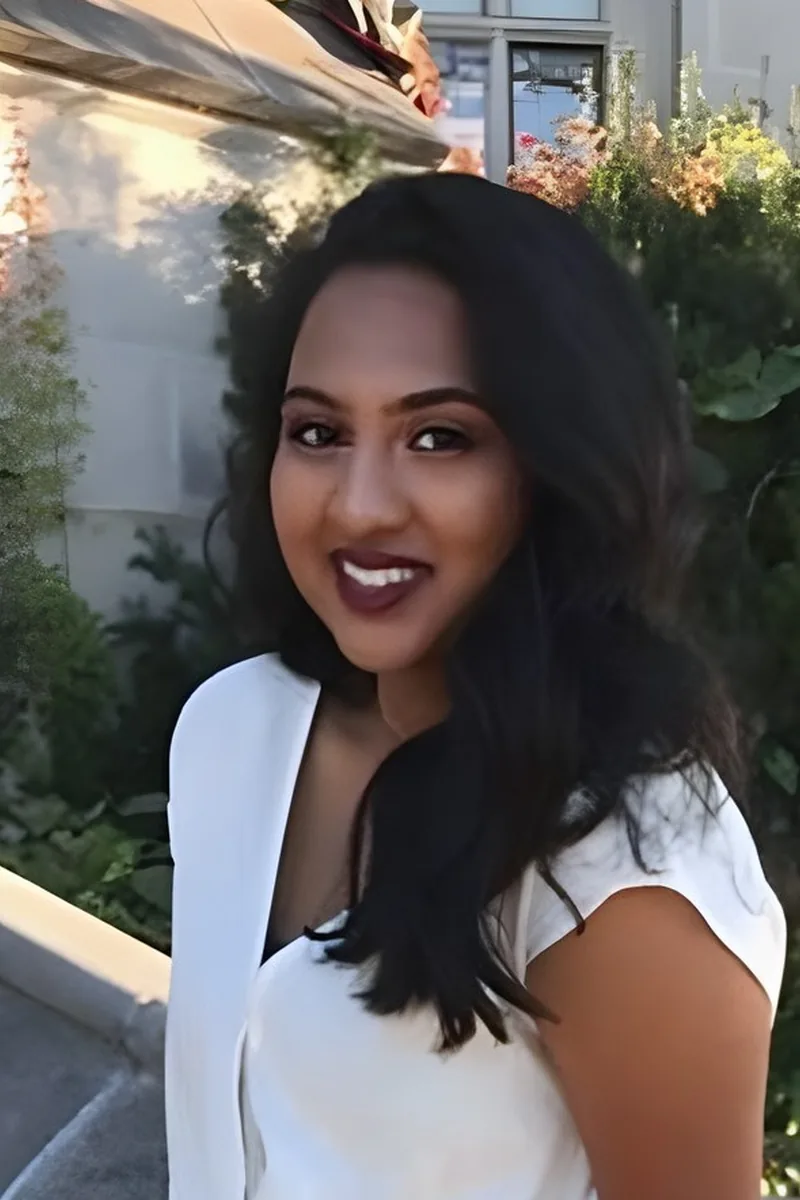
Reaction mechanisms are the language of organic chemistry, and most students struggle because they try to memorize arrows instead of understanding electron flow. Kavya teaches students to read mechanisms by tracking nucleophiles, electrophiles, and leaving groups — skills she sharpened through her biochemistry coursework in medical school. Once students see the logic behind substitution and elimination reactions, the rest of the course builds naturally.

Reaction mechanisms are the backbone of organic chemistry, and most students struggle because they try to memorize arrow-pushing patterns instead of understanding electron flow. Hythem digs into nucleophilicity, leaving-group stability, and steric effects so that predicting products of substitution and elimination reactions becomes logical rather than random. His science and MCAT background keeps the focus on the reasoning that actually transfers to exams.
Reaction mechanisms in organic chemistry demand the same kind of pattern recognition Seong uses in her neuroscience coursework at Northwestern — tracking electron movement, predicting intermediates, and understanding why one pathway dominates over another. She unpacks arrow-pushing notation by tying each step to underlying principles of nucleophilicity and sterics, so students can reason through unfamiliar reactions on exams instead of relying on rote memorization.
Reaction mechanisms are the language of organic chemistry, and Amin earned an entire master's degree becoming fluent in them. He teaches students to read electron flow the way you'd read a sentence — identifying nucleophiles, leaving groups, and stereoelectronic effects so that predicting products becomes a reasoning exercise, not a memorization marathon. Rated 4.5 by students.
Reaction mechanisms are the language of organic chemistry, and most students struggle because they try to memorize arrows instead of understanding electron flow. Abrahim unpacks each mechanism — SN1 vs. SN2, E1 vs. E2, electrophilic aromatic substitution — by starting with nucleophilicity, sterics, and leaving-group ability so the logic drives the arrow-pushing rather than the other way around. His 5.0 rating speaks to how well that approach clicks.
Reaction mechanisms are the language of organic chemistry, and Troy spent two semesters teaching that language as an organic chemistry TA. He walks students through arrow-pushing, stereochemical outcomes, and retrosynthetic analysis by emphasizing the handful of recurring electronic patterns that make hundreds of reactions predictable rather than random.
Reaction mechanisms are the language of organic chemistry, and Jhonatan treats them that way — teaching students to read electron flow through arrow-pushing until substitution, elimination, and addition reactions feel like variations on a theme rather than isolated procedures to memorize. His biochemistry expertise is especially useful when carbonyl chemistry and amino acid reactivity come into play. He holds a 5.0 client rating.
Reaction mechanisms are the backbone of organic chemistry, and most students struggle not because the material is impossibly hard but because they try to memorize hundreds of reactions instead of recognizing patterns. Manpinder approaches orgo by teaching students to trace electron movement through arrow-pushing — once that skill clicks, predicting products for substitution, elimination, and addition reactions becomes systematic rather than overwhelming.
Reaction mechanisms are the language of organic chemistry, and Casey reads them fluently after years of bioengineering coursework that demanded constant fluency in electron-pushing, stereochemistry, and functional group transformations. She teaches students to recognize patterns across reaction types — why nucleophilic additions behave the way they do, how leaving groups dictate substitution vs. elimination — so each new chapter feels like a variation on something familiar rather than a fresh nightmare.
Reaction mechanisms are the language of organic chemistry, and Zain treats them that way — teaching students to read electron flow in arrow-pushing diagrams the same way they'd follow the logic of a sentence. His university coursework in organic chemistry at Vanderbilt covered everything from substitution and elimination selectivity to carbonyl chemistry and retrosynthetic analysis.
Reaction mechanisms become far less intimidating when you can see the electron movement as a story rather than a set of arrows to memorize. Monika's biochemistry degree required deep fluency in organic chemistry — from nucleophilic substitutions through multi-step synthesis — and she teaches students to predict products by understanding why electrons move, not just where.
Reaction mechanisms in organic chemistry are less about memorizing hundreds of arrows and more about recognizing a handful of recurring patterns — nucleophilic attacks, leaving group stability, and electron density shifts. Aidan studied organic chemistry as part of Notre Dame's premed track and teaches students to predict products by understanding why electrons move, not just where.
Reaction mechanisms are essentially stories told with curved arrows, and the trick is learning to read them rather than memorize hundreds individually. Mark approaches organic chemistry by teaching students to recognize patterns — nucleophilic attacks, leaving group stability, steric effects — so they can predict products on reactions they've never seen before. His chemistry coursework at Notre Dame keeps these concepts fresh and grounded in real molecular behavior.
Reaction mechanisms are the language of organic chemistry — if you can't follow electron movement through a nucleophilic substitution or an elimination, every new reaction feels like something to memorize from scratch. Cassandra teaches students to recognize the patterns that repeat across seemingly different reactions: leaving group quality, steric effects, acid-base behavior. That pattern-recognition approach, sharpened by her biology and biochemistry background, turns a notoriously overwhelming course into something students can actually reason through.
Testimonials
Because the right Organic Chemistry tutor makes all the difference.
Average Session Rating – Based on 3.4M Learner Ratings
Practice Organic Chemistry
Free practice tests, flashcards, and AI tutoring for Organic Chemistry
Other Wichita Tutors
Related Science Tutors in Wichita
Frequently Asked Questions
Organic chemistry is notoriously challenging because it requires both memorization of reactions and deep conceptual understanding of molecular behavior—something many students struggle to balance. The abstract nature of visualizing 3D molecular structures and electron movement makes it easy to fall behind without personalized guidance. A tutor can help you move beyond memorization to truly understand reaction mechanisms, which is the key to success in the course.
Your first session is an opportunity for a tutor to assess your current understanding of foundational concepts like bonding, molecular structure, and basic functional groups. They'll identify specific areas where you're struggling—whether that's drawing mechanisms, predicting reaction outcomes, or visualizing stereochemistry—and create a personalized plan to address those gaps. This diagnostic approach ensures your tutoring focuses on what you actually need, not generic review.
Reaction mechanisms are the heart of organic chemistry, and many students try to memorize them instead of understanding the underlying logic. Expert tutors break down electron movement, nucleophile-electrophile interactions, and how molecular structure determines reactivity—connecting abstract concepts to real patterns you can apply to new problems. With guided practice and visual explanations, you'll develop the conceptual foundation to predict reactions rather than just recall them.
Yes. Tutors can help you connect lab experiments to the theoretical concepts you're learning in class, explain the purpose behind experimental procedures, and develop stronger scientific reasoning skills. Whether you're struggling with technique, data interpretation, or understanding why a reaction worked (or didn't), personalized instruction helps you see how theory and practice fit together.
Ideally, as soon as you notice confusion with foundational concepts like bonding, Lewis structures, or acid-base chemistry—don't wait until you're completely lost. Early intervention prevents gaps from compounding, since organic chemistry builds cumulatively. If you're already struggling, connecting with a tutor now can help you catch up and build confidence before exams or major problem sets.
Stereochemistry is one of the most visualization-intensive topics in organic chemistry, and many students find it frustrating. Tutors use multiple strategies—drawing techniques, molecular models, and step-by-step walkthroughs—to help you build spatial reasoning skills and confidence with Fischer projections, Newman diagrams, and R/S nomenclature. With practice and personalized feedback, 3D thinking becomes much more intuitive.
Starting 2-3 weeks before an exam gives you time to review concepts, practice problems, and identify weak spots without feeling rushed. However, the best preparation happens throughout the course—consistent tutoring helps you stay on top of material so exam prep becomes focused review rather than emergency cramming. If your exam is sooner, don't hesitate to reach out; even a few targeted sessions can boost your problem-solving speed and accuracy.
Varsity Tutors connects you with expert tutors in the Wichita area who specialize in organic chemistry and understand the specific curriculum and challenges you're facing. You can get matched with a tutor who fits your schedule and learning style, and start personalized instruction designed to strengthen your understanding of mechanisms, synthesis, and problem-solving skills.
Let’s find your perfect tutor
Answer a few quick questions. We’ll recommend the right plan and match you with a top 5% tutor.