Award-Winning College Chemistry Tutors
serving Honolulu, HI
College Chemistry
Tutors in Honolulu
Private 1-on-1 tutoring, weekly live classes for academic support, test prep & enrichment, practice tests and diagnostics, and more to elevate grades and test scores.
Based on 3.4M Learner Ratings
UniversitiesSchools & Universities
DeliveredHours Delivered
ProficiencyGrowth in Proficiency
Who needs tutoring?
No obligation. Takes ~1 minute.
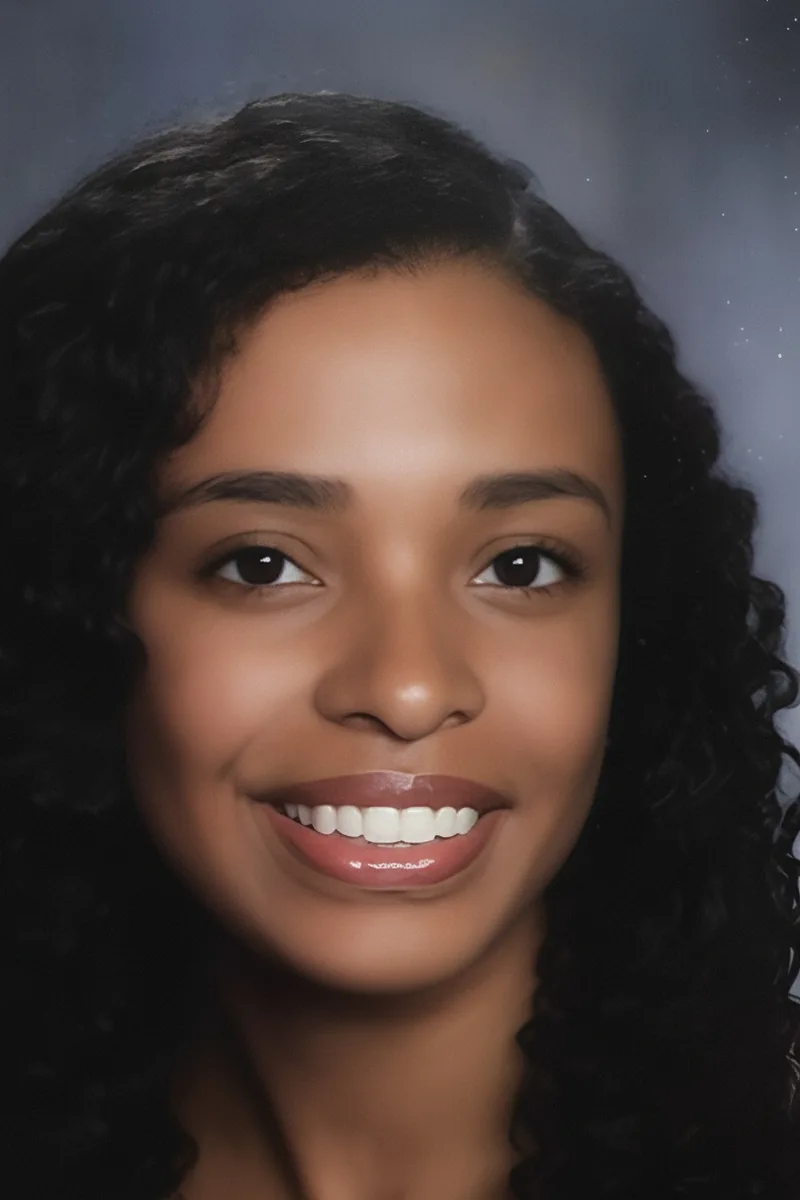
Four years of chemical engineering coursework at Pitt meant Olivia didn't just take gen chem — she leaned on it daily through material balances, reaction engineering, and process thermodynamics, so concepts like enthalpy, equilibrium constants, and stoichiometry are second nature rather than distant memories from freshman year. She's especially sharp at bridging the gap when students can set up a problem conceptually but lose the thread during multi-step calculations involving unit conversions or gas law algebra. Rated 4.9 by students.

Thermodynamics, equilibrium constants, and reaction kinetics demand more than memorizing formulas — they require thinking about why a reaction proceeds the way it does. Garrett's coursework in physical chemistry and organic chemistry means he can unpack the energy landscapes and molecular interactions behind each concept. He connects general chemistry principles to their applications in biochemistry and physiology, which makes abstract ideas click faster.
General chemistry at the college level demands more than balancing equations — it requires thinking in terms of energy, equilibrium, and molecular behavior. Jhonatan approaches topics like thermodynamics, acid-base chemistry, and kinetics by grounding abstract formulas in physical intuition, drawing on the quantitative rigor he developed through his biological sciences degree. His 5.0 rating speaks to how well that approach lands with students.
Thermodynamics is Rahul's favorite corner of chemistry — and as a Cornell chemical engineering graduate (magna cum laude), he's applied concepts like enthalpy, Gibbs free energy, and reaction spontaneity far beyond the gen chem textbook, through upper-level coursework in physical chemistry and process design. He pushes students to grasp the conceptual reasoning behind each problem before touching the math, so topics like calorimetry and equilibrium stop feeling like disconnected formula exercises. Rated 4.9 by students.
MIT's general chemistry sequence is notoriously fast — Vania not only survived it but tutored other students through it via the university's Seminar XL and Tutorial Services Room programs, where she got fluent in the exact places students stall out on topics like thermochemistry, equilibrium, and electron configuration. Her mechanical engineering training means she thinks about chemistry problems quantitatively, tracing how molecular-level behavior connects to the math rather than treating equations and concepts as separate tasks. Rated 5.0 by students.
Studying chemical and biological engineering means Suzie has been stress-tested on gen chem material — thermodynamics, reaction kinetics, stoichiometry — in courses that demanded she actually use it to solve mass and energy balances, not just reproduce it on an exam. She's now pursuing an MD/PhD at Michigan Medical School, so she teaches college chemistry with a clear picture of how each concept threads into biochemistry, physiology, and beyond. Rated 5.0 by students.
Pre-med coursework at Duke forced Camille through the full gen chem gauntlet — stoichiometry, equilibrium, acid-base chemistry — while simultaneously juggling a humanities major, so she knows what it's like to learn dense quantitative material without the luxury of focusing on nothing else. That experience makes her especially effective with students who aren't pure STEM majors but still need to master college chemistry for their degree track. Rated 5.0 by students.
Though political science was her major at the University of Chicago, Asta's tutoring work across both chemistry and quantitative subjects means she's spent real time breaking down the conceptual hurdles in gen chem — balancing equations, working through mole conversions, and making sense of reaction types. Her 5.0 rating speaks to an approach that's honest about meeting the material on its own terms rather than pretending expertise she doesn't have, which students in a tough prerequisite course tend to trust more, not less.
Between a biochemistry degree and ongoing work in biochemical laboratories, Andrew has used gen chem concepts like reaction thermodynamics, molecular bonding, and acid-base chemistry as everyday tools — not just exam material he learned and forgot. He teaches college chemistry by grounding abstract ideas in the lab contexts where they actually behave, so topics like equilibrium constants and enthalpy changes carry physical meaning rather than just numerical answers. Rated 4.9 by students.
Decades of work as a PhD chemical engineer mean Steven has used gen chem concepts like reaction thermodynamics, equilibrium, and stoichiometry as professional tools — not exam topics he learned once and moved on from. He tackles tough problems by explaining the idea one way, then reframing it from a different angle, and grounding it with a practical example so the concept sticks from multiple directions. Rated 4.9 by students.
Having scored 1580 on the SAT and completed AP Chemistry coursework, Kendall brings sharp quantitative instincts to the trickiest parts of gen chem — the unit conversions buried inside equilibrium problems, the logarithmic reasoning behind pH calculations, the algebra hiding inside rate law expressions. She also knows that college chemistry often overwhelms students not because the concepts are impossibly hard, but because the pace is relentless, so she zeroes in on the specific spots where understanding broke down rather than re-teaching entire chapters. Rated 4.9 by students.
General chemistry at the college level lives or dies on whether you actually understand what's happening at the molecular level — equilibrium shifts, thermodynamic spontaneity, orbital hybridization — or just memorize formulas. Mosab's health sciences graduate work means he uses these concepts constantly and can connect them to real biochemical applications. Rated 5.0 by students.
Testimonials
Because the right College Chemistry tutor makes all the difference.
Average Session Rating – Based on 3.4M Learner Ratings
Other Honolulu Tutors
Related Science Tutors in Honolulu
Frequently Asked Questions
College Chemistry introduces abstract concepts like molecular structure, thermodynamics, and equilibrium that require both mathematical skill and conceptual understanding. Students often struggle with balancing chemical equations, unit conversions, and connecting theoretical principles to real-world applications. Many also find that memorizing formulas isn't enough—success requires understanding the "why" behind reactions and being able to apply concepts to new problems.
Personalized 1-on-1 instruction allows tutors to identify exactly where your understanding breaks down—whether that's stoichiometry, acid-base chemistry, or kinetics—and build from there. Tutors can work through practice problems at your pace, explain concepts multiple ways until they click, and help you develop problem-solving strategies for exams. This targeted approach is especially valuable in Chemistry, where gaps in foundational concepts compound quickly.
Yes. Tutors can help you understand the scientific method, interpret lab results, and connect experiments to the theory you're learning in lecture. Whether you're writing lab reports, troubleshooting experimental procedures, or preparing for practical exams, personalized instruction helps you develop the scientific reasoning skills that labs are designed to teach.
Your first session is about assessment and planning. The tutor will ask about your current Chemistry course, what topics you're studying, and where you're struggling most—whether that's general chemistry fundamentals, organic chemistry, or exam preparation. From there, you'll work through a problem or concept together to establish a baseline and create a personalized plan that targets your specific needs.
Honolulu has excellent academic resources, including University of Hawaii campuses and local libraries with science databases. Personalized tutoring pairs well with these resources—your tutor can help you make the most of lab facilities, study groups, and online chemistry databases while providing one-on-one support that classroom settings can't offer.
Tutors develop targeted review plans based on your exam format and the topics you find most challenging. They use practice problems and past exams to build your test-taking strategies, help you manage time during exams, and reinforce concepts you're likely to see. For standardized tests like AP Chemistry, tutors know the specific content and question types you'll encounter and can focus preparation accordingly.
Absolutely. Balancing equations is a fundamental skill that many students find frustrating, but it becomes much clearer with step-by-step guidance. Tutors break down the process, show you systematic approaches, and have you practice until the method becomes automatic. Once you master the technique, you'll find it applies across different types of reactions.
Varsity Tutors connects you with expert tutors who specialize in College Chemistry and understand the specific challenges of the course. You'll be matched based on your needs, schedule, and learning style. The process is straightforward—tell us what you're working on, and we'll connect you with a tutor ready to help you succeed.
Let’s find your perfect tutor
Answer a few quick questions. We’ll recommend the right plan and match you with a top 5% tutor.