Award-Winning AP Biology Tutors
serving Honolulu, HI
AP Biology
Tutors in Honolulu
Private 1-on-1 tutoring, weekly live classes for academic support, test prep & enrichment, practice tests and diagnostics, and more to elevate grades and test scores.
Based on 3.4M Learner Ratings
UniversitiesSchools & Universities
DeliveredHours Delivered
ProficiencyGrowth in Proficiency
Who needs tutoring?
No obligation. Takes ~1 minute.
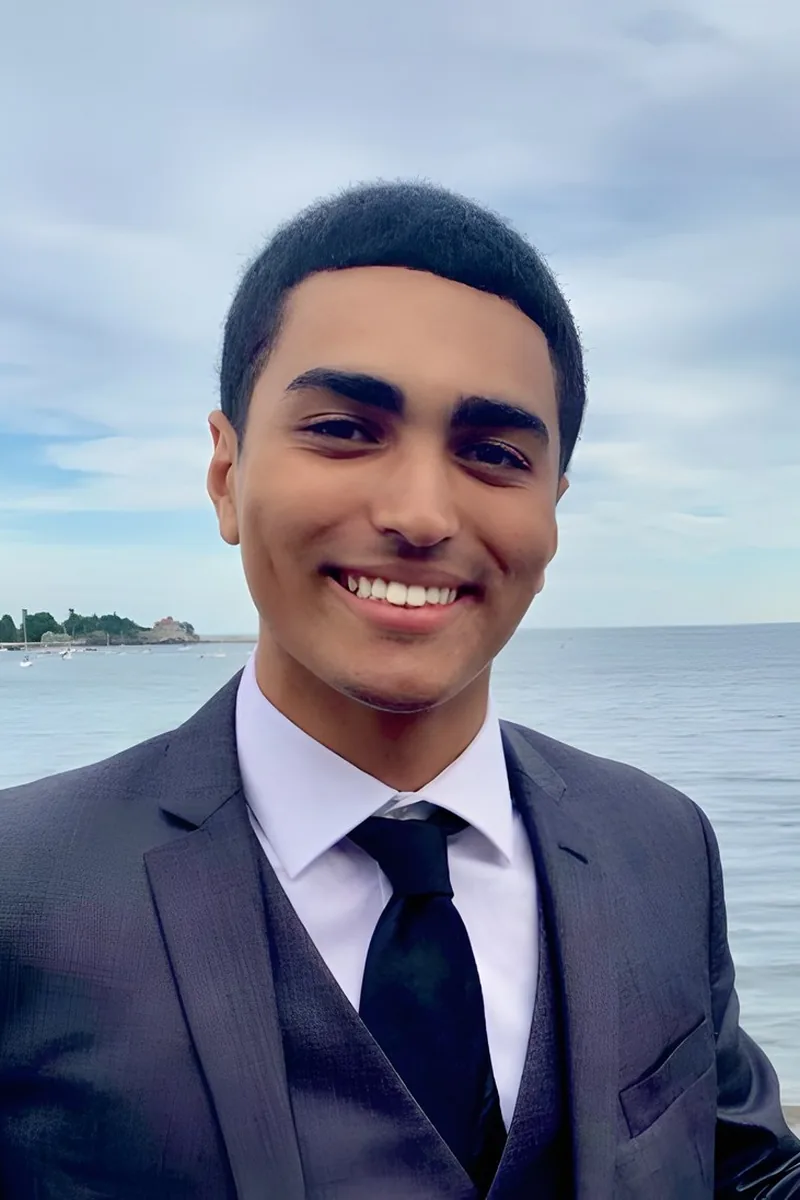
As a Cornell biology student on a pre-med track, Karim is actively studying the same cellular processes, genetics, and ecological concepts that AP Bio tests — so his explanations come with the freshness of someone working through this material at the college level right now. He's especially strong at breaking down how organisms maintain homeostasis and how evolutionary pressures shape populations, the kinds of big-picture connections the exam's data-interpretation questions demand. Rated 5.0 by students.
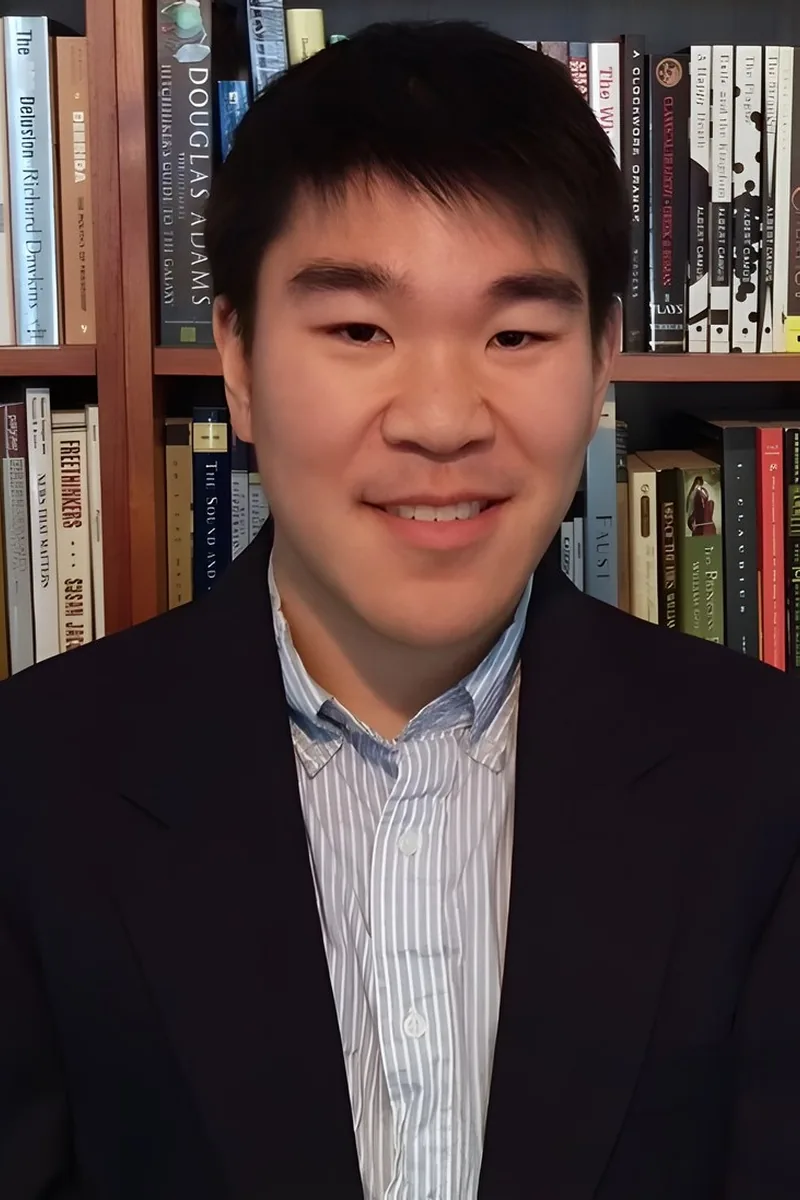
Graduate research in Chemical and Physical Biology at Vanderbilt meant Dennis spent years at the intersection of chemistry and living systems — dissecting metabolic pathways, protein interactions, and cellular energetics at a level that makes AP Bio's toughest biochemistry content second nature. His biochemistry undergraduate degree adds even more depth to the molecular biology and genetics units, where he can unpack processes like enzyme kinetics or gene regulation by grounding them in the actual chemistry students rarely get to see in a high school course. Rated 5.0 by students.
UCLA's Physiological Sciences program and subsequent research work gave Annie deep fluency with the organ-system and cellular-level biology that AP Bio tests — particularly the units on homeostasis, membrane dynamics, and metabolic regulation. Now a second-year medical student, she teaches students to think like the exam writers do: tracing a biological mechanism from molecule to organism, which is the connective reasoning that earns full marks on free-response questions. Rated 5.0 by students.
AP Biology's shift toward data analysis and experimental design catches many students off guard — it's no longer enough to memorize cell structures and metabolic pathways. Noel's policy-analysis training at the University of Chicago sharpened his ability to interpret graphs, evaluate experimental controls, and construct evidence-based arguments, which maps directly onto the AP exam's free-response demands. He pairs content review with targeted practice on the analytical skills the College Board actually tests.
Studying neurobiology and behavior at Penn means Emily lives in the territory where AP Bio gets hardest — signal transduction, nervous system function, and the molecular machinery behind how cells communicate and respond to their environment. She's especially good at unpacking the genetics-to-phenotype pipeline, showing students how a mutation in one gene can ripple through protein folding, cell signaling, and ultimately organism-level behavior. Rated 5.0 by students.
Teaching has been a lifelong passion of mine. What drives me is sharing knowledge while genuinely connecting with others. I discovered my love for tutoring in high school and have been dedicated to it ever since. At Stanford University, I earned a BS in Human Biology and Chemistry while continuing to tutor throughout, advancing to Lead Tutor. After graduation, I spent a year as a Teaching Associate, designing and delivering course content which significantly broadening my pedagogical approach. What sets me apart is my versatility. Having served as both tutor and instructor, I can adapt my teaching style to each student's unique needs, whether that be building up foundational skills or pursuing advanced mastery. I'm now pursuing graduate studies at The Johns Hopkins School of Medicine, staying engaged with cutting-edge science while maintaining my commitment to education. I look forward to helping you achieve your academic goals!
Cell and molecular biology was Emily's concentration at Duke, where she graduated summa cum laude — so the AP Bio units on gene expression, cell communication, and the central dogma aren't review material she's recalling vaguely, they're concepts she studied at an advanced level and now revisits daily as a Columbia medical student. She's especially sharp at teaching students to diagram signal transduction pathways and trace how a single mutation can ripple through protein function, cell behavior, and organism-level phenotype — the kind of multi-scale reasoning that separates 4s from 5s on the exam. Rated 5.0 by students.
The AP Biology exam tests whether you can apply concepts — designing experiments around cellular respiration, interpreting data on gene expression, reasoning through ecological models. As a biology major at Stanford, Helen digs into these application-style questions and teaches the kind of scientific thinking the exam actually rewards. She holds a 5.0 client rating.
As a premed biosciences student at Rice University, Jessy is actively working through the same molecular biology, genetics, and physiology content that AP Bio covers — which means she can pinpoint exactly where textbook explanations lose students and rephrase them on the fly. She recently peer-tutored classmates through AP-level coursework in high school and earned a 34 ACT, so she understands both the science and the test-taking strategy behind interpreting data sets and constructing free-response answers. Rated 5.0 by students.
Saniya's neuroscience degree at Rhodes College required her to learn biology from the molecular scale up — gene expression, cell signaling, neural communication — which means she's tackled AP Bio's toughest conceptual territory in a context where every pathway had to connect to a bigger physiological story. She's continued auditing advanced coursework in anatomy, histology, and embryology since graduating, so the organism-level units on body systems and development are still sharp. Rated 5.0 by students.
Running an immunology lab at Columbia Medical Center means Matthew doesn't just remember AP Biology content — he uses cellular signaling, gene expression, and immune system mechanics in active research. He teaches the course's trickiest units, like cell communication and ecology data analysis, by connecting textbook diagrams to what actually happens at the bench. That real-world grounding is especially useful for the AP exam's experimental-design and data-interpretation questions.
Dental school at UMKC required Nik to master the same molecular biology, genetics, and physiology that AP Bio covers — but at a clinical depth where understanding how a mutation affects protein folding actually matters for diagnosing patients. His biology degree gave him the foundational content, and his 4.9 rating from students suggests he's figured out how to make dense topics like cellular energetics and heredity click for others, not just himself.
Testimonials
Because the right AP Biology tutor makes all the difference.
Average Session Rating – Based on 3.4M Learner Ratings
Practice AP Biology
Free practice tests, flashcards, and AI tutoring for AP Biology
Other Honolulu Tutors
Related Science Tutors in Honolulu
Frequently Asked Questions
Score improvement depends on your starting point and commitment level, but students typically see meaningful gains within 8-12 weeks of consistent tutoring. A tutor can help you identify which units (like photosynthesis, evolution, or genetics) are holding you back, then focus your study time where it matters most. Many students jump from a 2 or 3 to a 4 or 5 by mastering the free-response question format and understanding why wrong answers are wrong—not just memorizing facts.
Your first session focuses on understanding where you stand and what you need. A tutor will likely review your recent practice test scores, discuss which units feel shaky, and ask about your test date and current grade. From there, they'll create a personalized study plan that targets your weak areas while reinforcing your strengths—so you're not wasting time on concepts you already know.
The two biggest hurdles are the sheer volume of content (eight units covering everything from cells to ecology) and the free-response questions, which require you to explain concepts deeply, not just pick the right answer. Many students also struggle with data analysis and graph interpretation questions, which test your ability to think like a scientist rather than just recall facts. A tutor helps you move beyond memorization to actual understanding, so you can tackle unfamiliar questions confidently on test day.
Most students benefit from 5-8 hours of focused study per week starting 8-10 weeks before the exam, with tutoring sessions typically 1-2 hours per week as your guide. The key is consistency and quality over cramming—spacing out your study using practice tests, targeted review, and concept explanations helps information stick. A tutor can help you create a realistic schedule that fits your life while ensuring you cover all eight units thoroughly.
Test anxiety often stems from uncertainty—not knowing if you'll recognize the questions or manage your time. Working with a tutor builds confidence through repeated practice with real AP questions, timed practice tests, and strategies for pacing yourself (the exam is 3 hours with 60 multiple-choice and 6 free-response questions). When you've practiced the format dozens of times and understand the concepts deeply, test day feels familiar rather than scary.
Free-response questions test whether you can explain and apply concepts, not just recognize right answers—they often include scenarios you've never seen before. You need to read carefully, identify what's actually being asked, and explain your reasoning clearly in 10-15 minutes per question. A tutor teaches you to break down these questions strategically, spot what concept is being tested, and structure your answer to earn maximum points even if you're not 100% certain.
Look for tutors with strong biology backgrounds—ideally a degree in biology, biochemistry, or a related field, plus experience teaching or tutoring AP Biology specifically. They should understand the current AP Biology curriculum (the big ideas around structure and function, matter and energy, information and heredity, and systems and interactions) and be familiar with the exam format and scoring rubric. Varsity Tutors connects you with expert tutors who know both the content and the test inside and out.
Honolulu has 105 schools across the area, and many offer AP Biology courses with solid teacher support—but personalized 1-on-1 tutoring fills the gap when you need focused help on specific units or test-taking strategies. Beyond your school, you have access to College Board's official AP Biology resources, practice exams, and study guides, which a tutor can help you use most effectively. Connecting with a tutor who knows the AP Biology curriculum deeply ensures you're studying the right material and understanding it at the depth the exam requires.
Let’s find your perfect tutor
Answer a few quick questions. We’ll recommend the right plan and match you with a top 5% tutor.