Award-Winning Biochemistry Tutors
serving Honolulu, HI
Biochemistry
Tutors in Honolulu
Private 1-on-1 tutoring, weekly live classes for academic support, test prep & enrichment, practice tests and diagnostics, and more to elevate grades and test scores.
Based on 3.4M Learner Ratings
UniversitiesSchools & Universities
DeliveredHours Delivered
ProficiencyGrowth in Proficiency
Who needs tutoring?
No obligation. Takes ~1 minute.
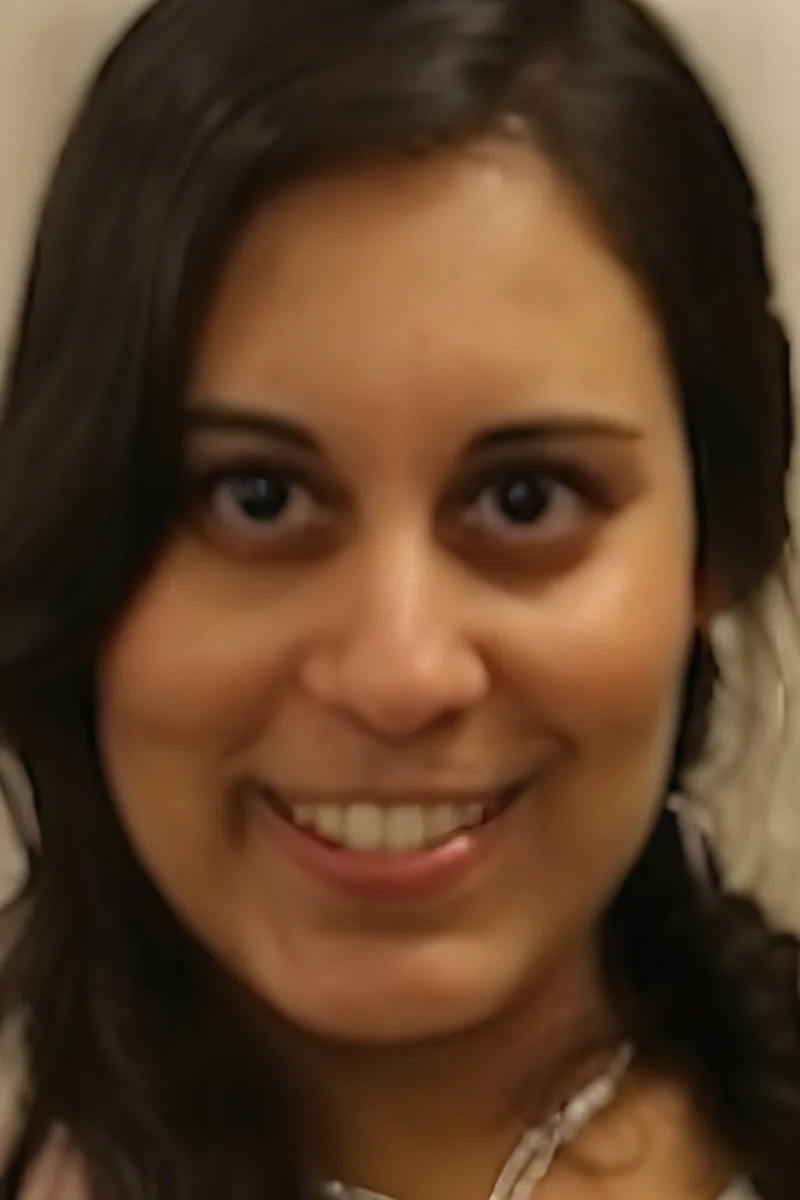
Two years as an Organic Chemistry Laboratory TA at the college level gave Maha the kind of mechanistic fluency that makes biochemistry's toughest material — reaction cascades in metabolic pathways, enzyme active-site chemistry, the logic behind cofactor requirements — click into place rather than blur together. Now a graduate student at Johns Hopkins Bloomberg School of Public Health with a dual background in chemistry and biology, she connects the organic chemistry driving each biochemical transformation to its broader physiological relevance. Rated 5.0 by students.
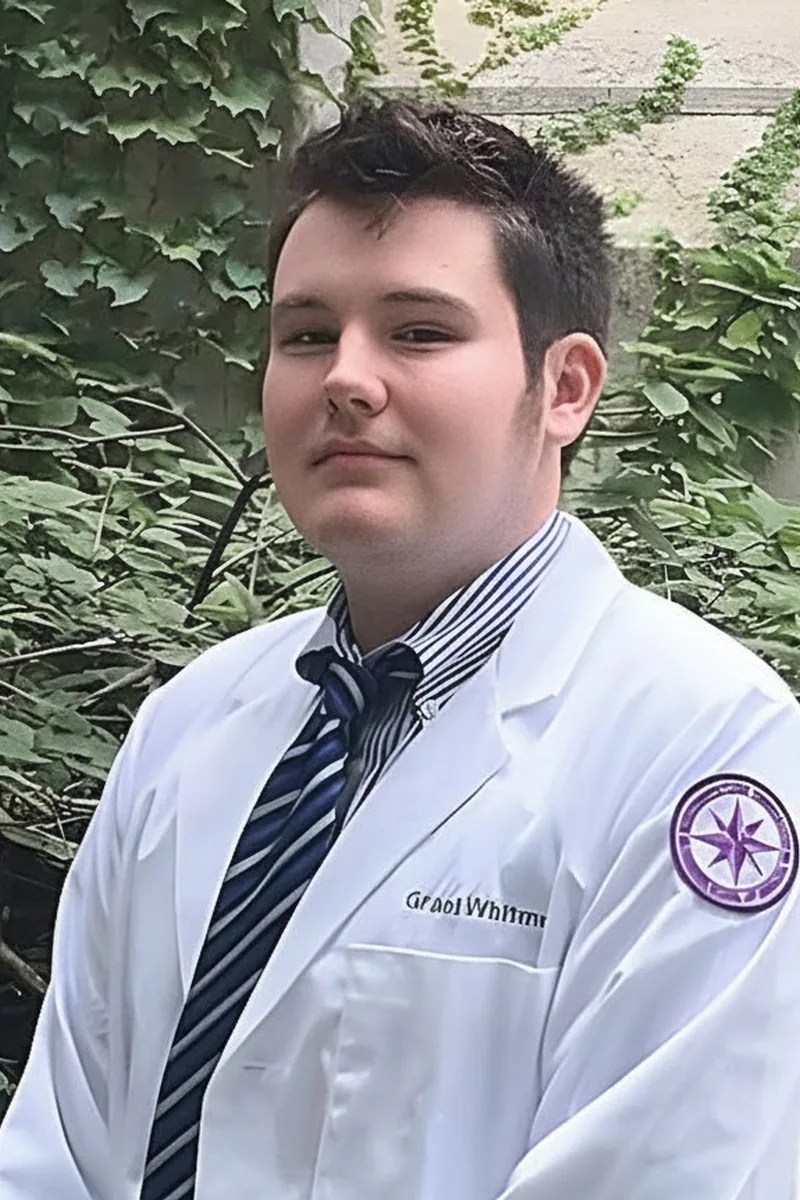
Medical school with a focus on infectious diseases means Grant thinks about biochemistry in terms of host-pathogen interactions — how bacteria hijack metabolic machinery, why certain enzyme targets make effective drug sites, and what happens to energy metabolism during sepsis. His biochemistry degree and MD training let him teach topics like amino acid pathways and enzyme inhibition by connecting each mechanism to the microbiology that brings it to life.
Enzyme kinetics, metabolic pathways, protein folding — biochemistry sits at the intersection of biology and chemistry, and Zachary holds a degree in exactly that. He digs into the molecular logic behind processes like glycolysis and the citric acid cycle, connecting reaction mechanisms to the bigger physiological picture so the details actually stick.
Genome editing at Rice and computational neuroscience at Hopkins meant Emmanuel had to internalize biochemistry at the molecular level — from CRISPR-associated enzyme mechanisms to the metabolic pathways fueling neural tissue. That hands-on lab fluency lets him teach topics like protein structure and nucleotide chemistry by grounding each concept in the experimental context where it actually matters. Holds a 5.0 rating.
Enzyme kinetics, metabolic pathways, protein structure — biochemistry demands that students think simultaneously about chemistry and biology, which is exactly how Nathaniel trained. His degree in biochemistry and his MCAT preparation mean he can walk through everything from Michaelis-Menten plots to amino acid properties with the depth a college-level course requires.
Studying biochemistry at Penn as part of a pre-health track, Shayan lives in the world of enzyme kinetics, metabolic pathways, and protein structure daily. He breaks down dense topics like the citric acid cycle or amino acid chemistry using visual analogies and step-by-step logic that make the connections between reactions stick long after the session ends.
Teaching organic chemistry recitation at the University of Kentucky while simultaneously navigating medical school gives Jason an unusually current grasp of biochemistry — he's actively working through the same metabolic regulation, amino acid structures, and enzyme mechanisms his students encounter. His biology degree and MCAT preparation anchor the molecular details, while his med school training shows him how those details play out in living systems. Rated 5.0 by students.
Enzyme kinetics, metabolic pathways, amino acid structures — biochemistry asks students to hold an enormous amount of detail in their heads while still thinking mechanistically. Emily's pre-med coursework and global health studies at Cornell gave her a deep familiarity with how biological molecules behave at the chemical level, and she teaches students to see the logic connecting protein structure to function rather than treating each pathway as an isolated list.
Earning a BS in Biochemistry from Boston College and then completing a PhD in molecular biology means Monika has spent years immersed in enzyme kinetics, metabolic pathways, and protein structure-function relationships. She tackles tough topics like the citric acid cycle and Michaelis-Menten kinetics by connecting each reaction to its biological purpose, turning rote memorization into logical storytelling.
Bintou's chemistry degree from Penn covered the organic and physical chemistry backbone that biochemistry builds on — reaction mechanisms, thermodynamics, molecular structure — and her year teaching high school science sharpened her ability to break layered concepts into steps students can actually follow. She approaches topics like enzyme kinetics and metabolic regulation by first making sure the underlying chemistry clicks, then building up to how those reactions behave inside a cell.
Claire's chemistry degree and incoming medical school training at the University of Illinois College of Medicine mean she's worked through biochemistry from both the bench and the clinical side — enzyme mechanisms, metabolic regulation, and the molecular logic connecting organic chemistry to living systems. She breaks down dense pathways like the citric acid cycle or amino acid catabolism by mapping each step back to the underlying reaction chemistry, so students can reconstruct a pathway from principles instead of flashcards. Rated 5.0 by students.
I am a PhD student at SUNY Downstate Medical Center studying Molecular & Cellular Biology. I graduated from Columbia University with a Bachelor of Arts in Biochemistry. I love to teach, mostly because of the impact of great teachers throughout my academic career. I think learning can be really fun, if teachers think outside the box and really challenge themselves to find novel ways of conveying concepts to students. Tried and true methods are always great in the classroom, but to work one-on-one with students requires a different approach. It's also critical that learning be something students want, not grudgingly sit through, so that their academic success is tied to their ability to understand and engage the material, not to what score they get on an arbitrary test.
Testimonials
Because the right Biochemistry tutor makes all the difference.
Average Session Rating – Based on 3.4M Learner Ratings
Practice Biochemistry
Free practice tests, flashcards, and AI tutoring for Biochemistry
Other Honolulu Tutors
Related Science Tutors in Honolulu
Frequently Asked Questions
Your first session is an opportunity to discuss your current biochemistry coursework, identify specific challenges (whether that's metabolic pathways, protein structure, or enzyme kinetics), and establish learning goals. The tutor will assess your understanding of foundational concepts and create a personalized plan to help you build both conceptual understanding and problem-solving skills for the topics you're studying.
Biochemistry involves understanding molecular structures, reaction mechanisms, and cellular processes that are difficult to visualize on your own. Expert tutors use diagrams, molecular models, step-by-step mechanism drawings, and real-world examples to help you build mental models of how these processes actually work. This visual and conceptual approach transforms abstract ideas into concrete understanding you can apply to exams and lab work.
Absolutely. Many biochemistry students struggle to see how classroom concepts relate to what they're observing in the lab. Tutors can help you understand the theory behind your experiments, predict outcomes, troubleshoot unexpected results, and develop stronger scientific reasoning skills. This bridge between theory and practice deepens your understanding and improves both your lab reports and exam performance.
No—memorization without understanding leads to confusion and poor performance on exams that require application. Expert tutors focus on helping you understand the logic behind metabolic pathways, enzyme mechanisms, and molecular interactions so you can reason through problems rather than rely on rote memory. When you understand the 'why,' you retain information longer and can apply it to new situations.
Students in Honolulu often struggle with mastering enzyme kinetics, balancing redox reactions, understanding protein folding and structure, and connecting metabolic pathways to cellular energy production. Additionally, many students find it challenging to work with the mathematical and unit conversion aspects of biochemistry alongside the conceptual material. Personalized tutoring addresses these specific gaps with targeted practice and clear explanations.
Look for tutors with strong backgrounds in biochemistry, chemistry, or related sciences—ideally with experience teaching or tutoring the specific course level you're taking. Varsity Tutors connects you with expert tutors who understand biochemistry curriculum, can explain complex mechanisms clearly, and have experience helping students improve their understanding and grades in this challenging subject.
Tutors help you move beyond memorizing facts to developing problem-solving strategies, working through practice exam questions, and identifying weak areas before test day. They'll help you understand how to approach mechanism problems, metabolic pathway questions, and calculations with confidence. Regular practice with feedback and targeted review of difficult concepts significantly improves exam performance.
Yes. Varsity Tutors works with students to create flexible tutoring schedules that fit your academic calendar and personal commitments. Whether you need intensive help before an exam, ongoing support throughout the semester, or focused sessions on specific topics, you can work with a tutor to establish a plan that works for you.
Let’s find your perfect tutor
Answer a few quick questions. We’ll recommend the right plan and match you with a top 5% tutor.