Award-Winning Microbiology Tutors
serving Honolulu, HI
Microbiology
Tutors in Honolulu
Private 1-on-1 tutoring, weekly live classes for academic support, test prep & enrichment, practice tests and diagnostics, and more to elevate grades and test scores.
Based on 3.4M Learner Ratings
UniversitiesSchools & Universities
DeliveredHours Delivered
ProficiencyGrowth in Proficiency
Who needs tutoring?
No obligation. Takes ~1 minute.
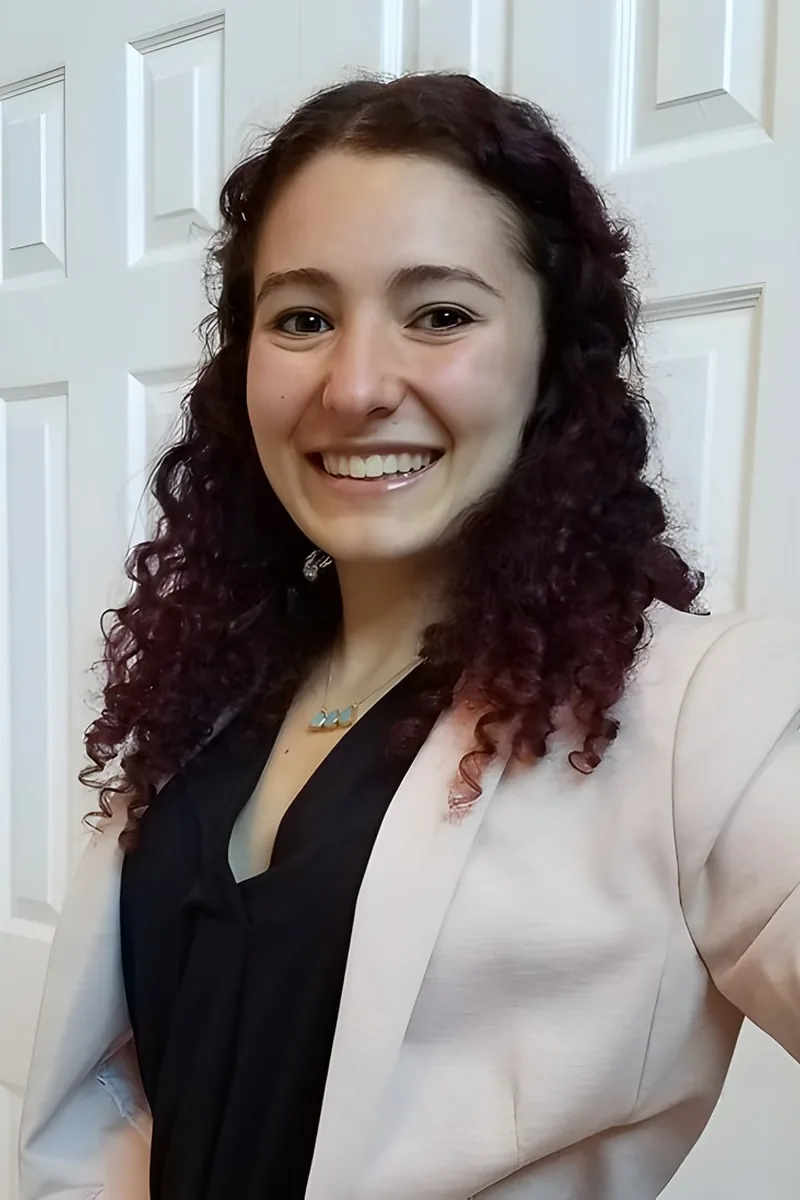
Studying biomedical engineering means Cassandra has spent serious time with microbial physiology, from bacterial cell structure and metabolic pathways to how pathogens interact with host immune systems. She teaches microbiology by linking each organism's characteristics to the mechanisms that make it clinically or industrially relevant, turning dense material into a coherent story.
Sam's Yale degree in Molecular Biophysics and Biochemistry gave him deep exposure to the cellular and molecular mechanisms that microbiology courses demand — membrane transport, metabolic pathways, bacterial genetics, and immune response. He connects these topics to their biochemical underpinnings, which makes processes like quorum sensing or antibiotic resistance easier to understand at a mechanistic level rather than through rote memorization.
Between her molecular biology degree and her current biomedical science graduate program, Sierra has spent years working with bacterial physiology, microbial genetics, and host-pathogen interactions. She explains dense topics like gram staining protocols, metabolic pathways, and antimicrobial resistance mechanisms by tying them back to real clinical and research scenarios that make the material stick.
Emily studied molecular, cellular, and developmental biology at Yale and then earned her MPH in epidemiology, giving her a dual lens on microbiology — she knows the bench science of bacterial genetics and viral replication cycles, and she understands how those organisms behave in populations. She digs into topics like gram staining, metabolic pathways, and host-pathogen interactions with the detail a college-level course demands.
Philosophy, Politics and Economics isn't the typical path into microbiology, but Noah's biology coursework gave him enough grounding in cellular processes to break down topics like prokaryotic structure and microbial growth curves for students encountering them for the first time. He takes a methodical, logic-driven approach — the kind his PPE training sharpened — to help untangle classification systems and keep bacterial phyla from blurring together.
Understanding microbiology means keeping dozens of organisms, metabolic pathways, and virulence mechanisms straight — and knowing when the differences actually matter. Jonathan's human biology training and pre-med preparation at Cornell gave him a clinical lens for bacterial genetics, host-pathogen interactions, and antimicrobial resistance that makes the material more intuitive than rote flashcard review.
Rebecca tutored microbiology throughout her time at Cornell while completing her biological sciences degree, so she knows exactly where students get lost — distinguishing bacterial metabolic pathways, interpreting Gram stain results, or connecting virulence factors to clinical outcomes. She teaches the subject by building a logical framework around microbial structure and function, which makes memorizing hundreds of organisms far more manageable.
Ryan's master's work in cellular and molecular biology at Stanford, combined with hands-on synthetic biology research at NASA Ames, gave him deep fluency in microbial genetics, metabolic pathways, and laboratory techniques like PCR and gene cloning. He unpacks topics like bacterial pathogenesis and antimicrobial resistance by connecting them to the molecular mechanisms driving each process. Rated 5.0 by students.
Josef's life sciences research at Cornell gave him hands-on familiarity with microbial systems, from bacterial cell structure and gram staining to pathogenic mechanisms and antibiotic resistance. He teaches microbiology by linking each organism's biology to its clinical or ecological significance, which makes classification and virulence factors far easier to retain.
Studying chemistry at Vanderbilt gave Elsa a strong molecular-level lens for understanding microbial processes — from bacterial cell structure and metabolic pathways to mechanisms of antibiotic resistance. She approaches microbiology by connecting cellular machinery to the chemical reactions driving it, which makes topics like gram staining or viral replication cycles easier to retain.
Jean's medical training at Harvard Medical School gave her deep familiarity with the microbiology that matters most: bacterial pathogenesis, viral replication cycles, immune evasion strategies, and antimicrobial resistance. She breaks down complex host-pathogen interactions by tying them to clinical scenarios, which makes the material stick far better than rote memorization of genus and species lists.
A Harvard-trained biologist with classroom teaching experience, Elizabeth digs into microbial structure, metabolism, and pathogenesis with genuine enthusiasm for the subject. She's particularly strong at connecting micro-level processes — bacterial gene regulation, viral replication cycles — to the bigger biological picture. Her science teaching background means she can unpack dense material without losing the thread.
Testimonials
Because the right Microbiology tutor makes all the difference.
Average Session Rating – Based on 3.4M Learner Ratings
Other Honolulu Tutors
Related Science Tutors in Honolulu
Frequently Asked Questions
Microbiology requires understanding invisible organisms and processes that can't be observed with the naked eye, making it harder to build intuition. Students often struggle with visualizing cellular structures, grasping how microscopic interactions lead to real-world effects (like disease or fermentation), and balancing the memorization of pathways with deeper conceptual understanding. Personalized tutoring helps bridge this gap by connecting abstract theory to tangible examples and lab work you're actually doing in class.
Yes—tutors work with you to interpret lab results, understand experimental design, and apply the scientific method to your actual coursework. Whether you're preparing for lab practicals, analyzing culture plates, or troubleshooting why an experiment didn't go as expected, tutors help you think through the reasoning behind each step. This strengthens both your technical skills and your ability to think like a scientist.
Effective microbiology learning requires both—but understanding should come first. Rather than rote memorization of bacterial species or metabolic pathways, tutors help you build mental models: why certain organisms thrive in specific environments, how antibiotic resistance develops, or how immune responses work. Once you understand the underlying logic, the facts stick naturally and you can apply them to new situations on exams and in real-world scenarios.
Most microbiology courses cover cell structure and function, metabolism, genetics, microbial growth and control, and the role of microorganisms in disease and the environment. Advanced courses often include immunology, epidemiology, and applied microbiology. Tutors familiar with Honolulu's school curricula can align their instruction with what your specific teacher emphasizes, ensuring you're prepared for your exams and assessments.
Tutors use diagrams, animations, and real lab examples to help you visualize what's happening at the cellular and molecular level. Breaking down complex processes—like bacterial conjugation, viral replication, or enzyme kinetics—into step-by-step explanations makes them concrete. Many students find that combining visual learning with hands-on practice (like drawing structures or working through problems) solidifies understanding far better than reading alone.
Your first session focuses on understanding where you are—what topics you've covered, where you're struggling, and what your goals are (acing an exam, improving your grade, or building confidence). Tutors will ask diagnostic questions to pinpoint whether your challenges are conceptual, with lab skills, or test-taking strategy. From there, you'll develop a personalized plan that targets your specific needs and learning style.
Look for tutors with strong backgrounds in microbiology or biology—ideally with a degree in the field or demonstrated expertise through teaching or research experience. Equally important is their ability to explain complex concepts clearly and adapt to your learning style. Varsity Tutors connects you with expert tutors who have both subject mastery and a track record of helping students succeed.
Tutors help you identify high-yield topics, practice with exam-style questions, and develop test-taking strategies specific to microbiology. They'll work through tricky multiple-choice questions with you, help you interpret lab data questions, and ensure you can explain concepts clearly (important for free-response sections). Regular practice, feedback, and targeted review in the weeks leading up to the exam significantly improve performance and confidence.
Let’s find your perfect tutor
Answer a few quick questions. We’ll recommend the right plan and match you with a top 5% tutor.