Award-Winning German Tutors
serving Orlando, FL
German
Tutors in Orlando
Private 1-on-1 tutoring, weekly live classes for academic support, test prep & enrichment, practice tests and diagnostics, and more to elevate grades and test scores.
Based on 3.4M Learner Ratings
UniversitiesSchools & Universities
DeliveredHours Delivered
ProficiencyGrowth in Proficiency
Who needs tutoring?
No obligation. Takes ~1 minute.
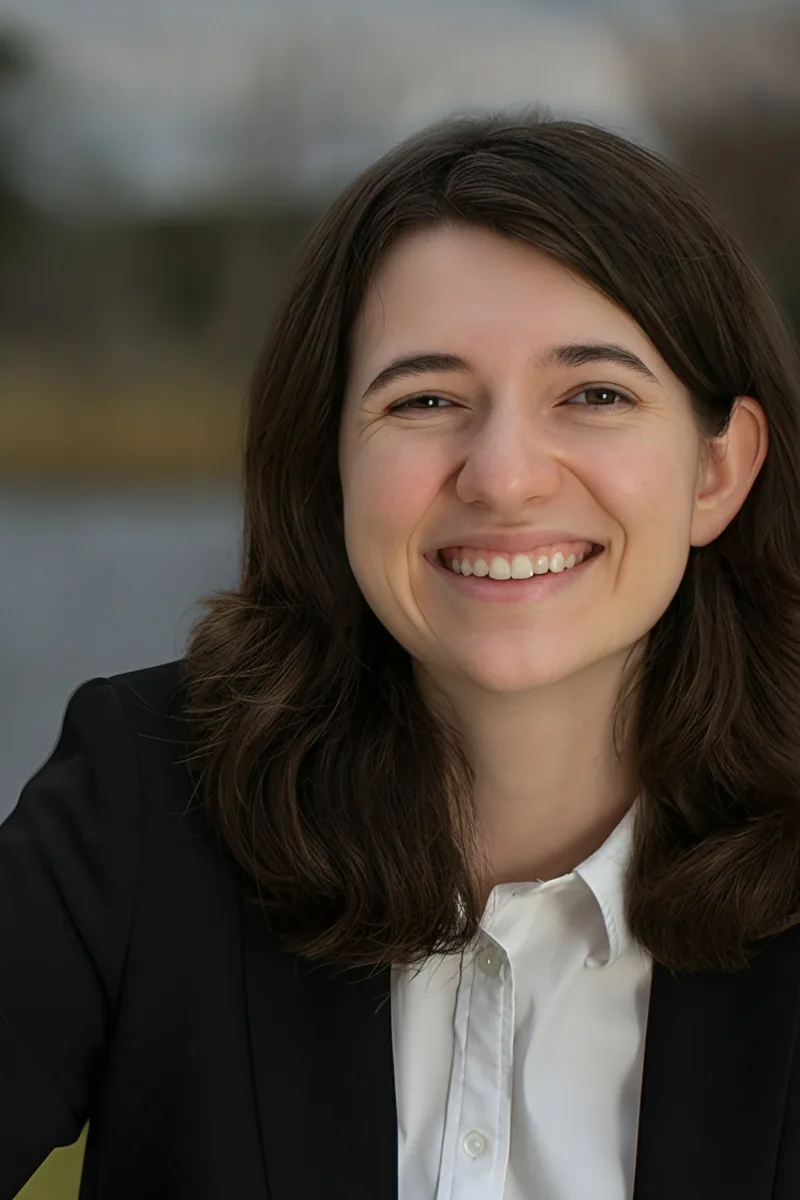
Ema earned a certificate in German language through UCF, which means she's gone well beyond introductory vocabulary into grammar-heavy territory — cases, verb conjugation patterns, and sentence structure that trips up English speakers. She approaches German systematically, connecting grammatical rules to patterns students can actually internalize rather than just memorize for a quiz.
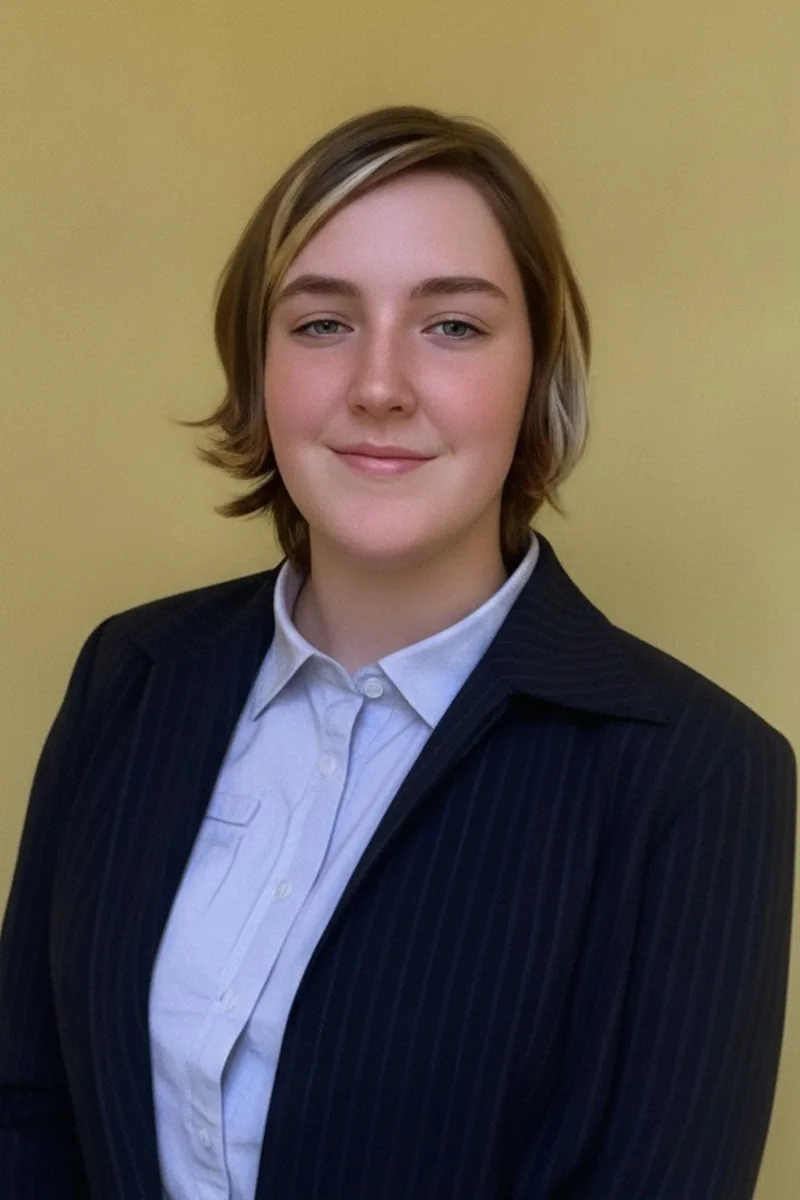
Kelsey has studied German through advanced levels, tackling complex grammar structures like subjunctive mood, relative clauses, and case-driven syntax. She breaks down tricky concepts like dative prepositions and adjective endings by connecting them to patterns rather than rote memorization tables, making the logic of German grammar feel less arbitrary.
Zachary teaches German with a literary sensibility, connecting grammar concepts like case endings and verb placement to how meaning actually shifts in real German sentences. His background in comparative literature means students get exposure to authentic texts early, building vocabulary and syntax together rather than in isolation.
Caroline doesn't just teach German grammar rules in isolation — she connects case endings, word order, and verb placement to the logic of how German speakers actually think and communicate. Her comparative literature training means she regularly works with German-language texts, so students get a tutor who understands the language at a deeper cultural and literary level, not just a textbook one.
Dorothea teaches German across all four levels, from building a foundation in noun genders and case endings to navigating the subordinate-clause word order that trips up so many intermediate learners. Her approach ties grammar to actual reading and conversation so that rules like accusative versus dative stop feeling arbitrary and start making intuitive sense.
German's case system and word order rules trip up most English speakers early on, and the confusion only compounds if it isn't addressed head-on. Cody teaches across all four levels of German, breaking down nominative, accusative, dative, and genitive usage with clear examples that make the grammar feel logical rather than arbitrary.
Das Laecheln, dass du aussendest kommt immer wieder zurueck. - The smile you are giving is always coming back to you. (indian proverbs) I believe whatever you do, do it with a smile or don't do it at all. Life is too short to be upset about it. If you are struggling on something work on it, don't waste your time in complaining about. Only the ones who work hard, succeed. It might take some sacrifices but it will be worth it in the end.
Between her Northwestern coursework and studies in German-language opera repertoire — from Mozart to Strauss — Ilana developed a working fluency that goes beyond classroom German. She tackles tricky grammar concepts like case endings and separable verbs by connecting them to patterns students already recognize, making the logic of German sentence structure feel less foreign. Rated 5.0 by students.
German isn't Lesleigh's core subject, but her graduate training in classical and modern languages gives her a strong grasp of how Germanic grammar systems work — case endings, word order, and verb placement that trip up English speakers. She approaches German the way she approaches Latin: by teaching students to recognize structural patterns rather than memorize phrase lists.
Natalie studied German alongside her English and Film coursework at Cornell, giving her a solid grasp of the language's notoriously tricky case system, separable verbs, and gendered nouns. She approaches German grammar with the same structural thinking she applies to English — breaking down sentence patterns so students understand the logic behind der, die, and das rather than relying on brute memorization.
Three levels of German instruction give Ben a clear picture of where students stumble — whether it's navigating noun cases, mastering separable verbs, or building confidence with spoken conversation. He approaches German grammar as a logical system with predictable patterns, which makes concepts like dative prepositions and adjective endings feel less arbitrary and more manageable.
Learning German means wrestling with case endings, separable verbs, and word order rules that feel completely alien to English speakers. Colin breaks these grammar patterns into logical systems, connecting each rule to how German actually sounds and reads in practice so the structure clicks instead of feeling arbitrary.
A pre-med student at UNC with minors in chemistry and biology, Dimitry also carries German through the advanced level — an uncommon combination that means he's used to toggling between technical and linguistic precision. He approaches German grammar with the same diagnostic thinking he brings to the sciences, making case systems and verb conjugation feel less like arbitrary rules and more like solvable puzzles. Rated 4.9 by students.
At UC Berkeley, Jacob earned an M.A. in German and received formal training in foreign language pedagogy while teaching college-level German courses. That combination of academic depth and classroom experience means he can explain tricky grammar — separable verbs, adjective endings, subjunctive mood — in ways that actually make structural sense rather than feeling like arbitrary rules.
Seven years of teaching French at the university level gave Dorthea a linguist's instinct for how grammar systems work across languages — and German shares more structural DNA with French than most students realize. She applies that cross-linguistic awareness to German's trickier features, like modal verb placement and subordinate clause word order, making the patterns feel logical rather than arbitrary.
Learning multiple languages — Mandarin, Japanese, French, and German — gave Jacob firsthand insight into what makes German grammar click for English speakers and where the friction points are. He tackles case endings, word order, and verb conjugation by drawing comparisons across languages, which makes abstract rules more concrete. Students consistently rate him 5.0.
I am most passionate about helping people learn history, social sciences, and mathematics. I also assist with standardized test prep, primarily with the Reading and Writing sections of the exams. In my spare time, I enjoy photography, hiking and other outdoor activities, and reading about philosophy, evolutionary biology, and human history.
Fluent in German and trained as a PhD-level linguist, Niko teaches the language with an ear for how its grammar actually works — case endings, verb placement, subordinate clause structure — instead of treating rules as arbitrary things to memorize. He connects German's logic to patterns students may already recognize, making concepts like the dative case or separable prefixes click faster. Whether the goal is passing German 1 or reading Kafka in the original, he builds real comprehension.
German's case system and word-order rules can overwhelm students who try to absorb them all at once. Elizabeth breaks the four cases down methodically — nominative, accusative, dative, genitive — linking each to specific prepositions and verb patterns so students build reliable instincts rather than guessing at endings.
Testimonials
Because the right German tutor makes all the difference.
Average Session Rating – Based on 3.4M Learner Ratings
Nearby German Tutors
Other Orlando Tutors
Related Languages Tutors in Orlando
Frequently Asked Questions
Your first session is an opportunity to connect with a tutor and establish your learning goals. The tutor will assess your current level—whether you're just starting out or building on existing knowledge—and discuss what you want to achieve, whether that's conversational fluency, exam preparation, or grammar mastery. This helps create a personalized plan tailored to your needs.
In a classroom of 16-20+ students, speaking practice time is limited. With personalized 1-on-1 instruction, you get consistent, dedicated speaking time in every session—allowing you to practice pronunciation, build confidence, and develop natural conversational flow. Tutors can correct your accent and phrasing in real-time, helping you sound more natural and fluent much faster than in a group setting.
German verbs change based on person, tense, and mood—making conjugation one of the trickiest parts of the language. Rather than memorizing endless tables, expert tutors teach you the patterns and rules behind conjugations, then reinforce them through targeted practice and real-world usage. This approach helps you internalize conjugations naturally so they become automatic in conversation and writing.
Research shows spaced repetition and retrieval practice are most effective for vocabulary retention. Tutors use strategies like contextual learning (learning words in sentences, not isolation), active recall exercises, and thematic grouping to help vocabulary stick. They'll also tailor vocabulary to your interests and goals—whether that's business German, travel phrases, or academic language—making learning more meaningful and memorable.
Language and culture are deeply connected. Expert tutors weave cultural context into lessons—discussing German-speaking regions, customs, media, and history—so you understand not just the words, but how Germans use language in real life. This immersion-style approach helps you communicate more authentically and appreciate the nuances of the language beyond grammar rules.
Personalized tutoring addresses all four skills based on your priorities and level. A tutor might focus heavily on speaking and listening if you're preparing for conversation, or emphasize reading and writing for academic goals. They'll create a balanced approach that strengthens your weaknesses while building on your strengths, ensuring well-rounded progress in German.
Fluency timelines vary based on your starting level, study intensity, and prior language experience. Generally, reaching conversational proficiency requires around 600-750 hours of focused study according to language learning research. With consistent personalized tutoring combined with your own practice, most students see meaningful progress in speaking and comprehension within 3-6 months, though reaching full fluency takes longer.
Look for tutors with native or near-native fluency, teaching experience, and familiarity with German curriculum standards. Ideally, they've helped students at your level—whether that's beginner, intermediate, or advanced. Varsity Tutors connects you with expert tutors who have proven teaching ability and can tailor instruction to your specific goals, whether that's classroom success, standardized testing, or conversational fluency.
Let’s find your perfect tutor
Answer a few quick questions. We’ll recommend the right plan and match you with a top 5% tutor.