Award-Winning German Tutors
serving Cape Coral, FL
German
Tutors in Cape Coral
Private 1-on-1 tutoring, weekly live classes for academic support, test prep & enrichment, practice tests and diagnostics, and more to elevate grades and test scores.
Based on 3.4M Learner Ratings
UniversitiesSchools & Universities
DeliveredHours Delivered
ProficiencyGrowth in Proficiency
Who needs tutoring?
No obligation. Takes ~1 minute.
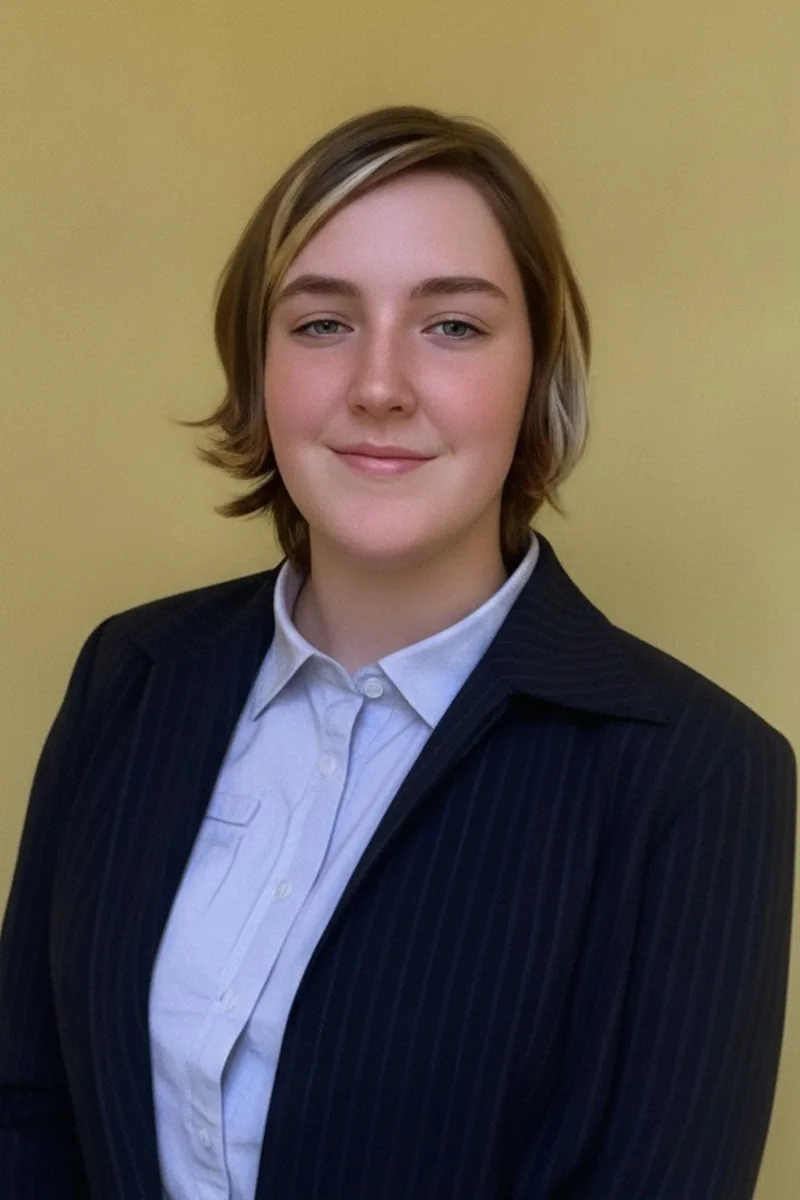
Kelsey has studied German through advanced levels, tackling complex grammar structures like subjunctive mood, relative clauses, and case-driven syntax. She breaks down tricky concepts like dative prepositions and adjective endings by connecting them to patterns rather than rote memorization tables, making the logic of German grammar feel less arbitrary.
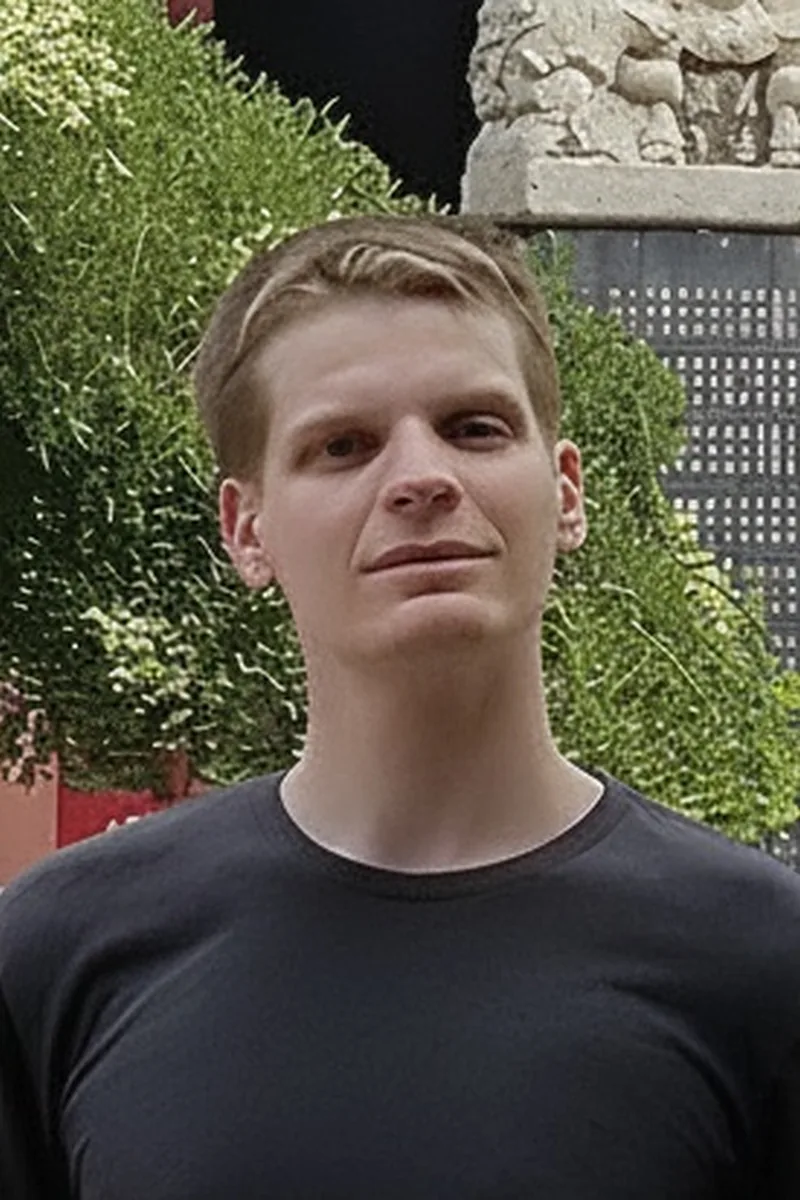
Zachary teaches German with a literary sensibility, connecting grammar concepts like case endings and verb placement to how meaning actually shifts in real German sentences. His background in comparative literature means students get exposure to authentic texts early, building vocabulary and syntax together rather than in isolation.
Ema earned a certificate in German language through UCF, which means she's gone well beyond introductory vocabulary into grammar-heavy territory — cases, verb conjugation patterns, and sentence structure that trips up English speakers. She approaches German systematically, connecting grammatical rules to patterns students can actually internalize rather than just memorize for a quiz.
Caroline doesn't just teach German grammar rules in isolation — she connects case endings, word order, and verb placement to the logic of how German speakers actually think and communicate. Her comparative literature training means she regularly works with German-language texts, so students get a tutor who understands the language at a deeper cultural and literary level, not just a textbook one.
Dorothea teaches German across all four levels, from building a foundation in noun genders and case endings to navigating the subordinate-clause word order that trips up so many intermediate learners. Her approach ties grammar to actual reading and conversation so that rules like accusative versus dative stop feeling arbitrary and start making intuitive sense.
German's case system and word order rules trip up most English speakers early on, and the confusion only compounds if it isn't addressed head-on. Cody teaches across all four levels of German, breaking down nominative, accusative, dative, and genitive usage with clear examples that make the grammar feel logical rather than arbitrary.
Das Laecheln, dass du aussendest kommt immer wieder zurueck. - The smile you are giving is always coming back to you. (indian proverbs) I believe whatever you do, do it with a smile or don't do it at all. Life is too short to be upset about it. If you are struggling on something work on it, don't waste your time in complaining about. Only the ones who work hard, succeed. It might take some sacrifices but it will be worth it in the end.
German's case system and word order trip up almost every learner at some point — accusative versus dative, verb placement in subordinate clauses, adjective endings that seem to follow no pattern. Jhanelle, who holds a degree in German Studies, breaks these grammar rules into logical systems and builds conversational confidence alongside them so students can actually use what they learn.
Jonas teaches German with attention to the structural logic of the language — case endings, verb placement, and the way compound words build meaning from smaller parts. His background in Classical Greek means he's comfortable explaining grammatical concepts like dative versus accusative in terms that actually clarify rather than confuse. Students working through noun declensions or separable-prefix verbs get explanations rooted in how the language thinks, not just how to memorize tables.
At UC Berkeley, Jacob earned an M.A. in German and received formal training in foreign language pedagogy while teaching college-level German courses. That combination of academic depth and classroom experience means he can explain tricky grammar — separable verbs, adjective endings, subjunctive mood — in ways that actually make structural sense rather than feeling like arbitrary rules.
A full exchange year in Germany through the CBYX scholarship gave Clive the kind of immersive fluency that's hard to replicate in a classroom — navigating bureaucracy, university lectures, and daily life entirely in German. He teaches grammar concepts like case endings and verb conjugation through practical context that makes the rules stick.
Willow didn't just study German in a classroom — she earned departmental honors in German Studies at UCLA and spent time at Humboldt Universität Berlin immersed in the language. She tackles grammar concepts like case endings, subordinate clause word order, and verb conjugation patterns by connecting them to how native speakers actually think about sentence structure. That academic depth paired with real immersion experience makes a difference for students at any level.
Learning German means wrestling with case endings, separable verbs, and a sentence structure that puts the verb in places English speakers don't expect. Susie has studied German extensively and teaches grammar as a logical system — once students see the patterns behind accusative versus dative, for instance, the rules stop feeling arbitrary. She pairs structural drills with reading and listening practice to build real fluency.
Joshua teaches German across three levels, with particular attention to case systems and verb conjugation patterns that trip up English speakers. His approach connects grammar rules to the underlying logic of the language, drawing on the same analytical rigor he developed studying philosophy.
German's case system and word-order rules intimidate a lot of learners, but Elise approaches them as a linguist — explaining the underlying logic of accusative versus dative, or why the verb jumps to the end in subordinate clauses. Her coursework through German 4 means she can take students from basic declensions all the way through complex literary and academic texts.
Studying German at the University of Pennsylvania gave Eliza a deep command of the language's trickiest features — case endings, separable verbs, and the word order shifts that trip up English speakers. She unpacks German grammar systematically so students understand the logic behind der/die/das rather than relying on brute memorization. Rated 5.0 by her students.
Learning German grammar means wrestling with cases, gendered nouns, and a sentence structure that puts verbs in unexpected places — all of which feel overwhelming without a clear system. Nivedina teaches the underlying patterns so that accusative versus dative stops being a guessing game and starts being predictable. Her analytical mindset as a scientist turns German's notoriously rigid rules into something students can actually internalize.
Teaching German at Princeton since 2008 and earning the department's top student-satisfaction scores, Megan knows exactly where English speakers stumble — case endings, word order in subordinate clauses, and the gendered article system that trips up even advanced learners. She holds a doctorate in German literature, which means grammar instruction comes embedded in real cultural and literary context. Whether a student is conjugating sein for the first time or unpacking a Rilke poem, she adjusts the complexity to match.
Six months of full-immersion study in Berlin gave Daniel a feel for German that textbooks alone can't replicate — the way case endings sound natural in conversation, or how separable verbs behave in real speech versus grammar drills. He earned his B.A. in German from Duke with a focus that included twentieth-century German history and politics, which means his lessons often connect language to the culture that shapes it.
Testimonials
Because the right German tutor makes all the difference.
Average Session Rating – Based on 3.4M Learner Ratings
Nearby German Tutors
Other Cape Coral Tutors
Related Languages Tutors in Cape Coral
Frequently Asked Questions
Your first session is an opportunity for a tutor to understand your current German level, learning goals, and any specific challenges you're facing—whether that's grammar, conversation, or test preparation. The tutor will ask about your background with the language, assess your strengths in reading, writing, speaking, and listening, and then create a personalized plan tailored to your needs. This foundation ensures every session after builds on what works best for you.
In a classroom of 25+ students, speaking practice is limited—but in personalized tutoring, you get dedicated conversation time with an expert tutor who can correct your pronunciation, help you think through complex sentences, and challenge you at your level. Tutors can simulate real-world scenarios, discuss cultural topics, and provide immediate feedback on your accent and fluency. This consistent, focused speaking practice is one of the biggest advantages of working with a tutor for German.
German grammar—particularly verb conjugation, case systems (nominative, accusative, dative, genitive), and gendered nouns—is challenging because it requires understanding multiple interconnected rules. Rather than memorizing rules in isolation, expert tutors teach grammar through context and usage, showing you how cases work in real sentences and why certain conjugations matter. This approach helps the patterns stick naturally instead of feeling like abstract rules.
Spaced repetition and retrieval practice—reviewing words at increasing intervals and using them in conversation—are proven methods for lasting retention. Tutors use strategies like contextual learning (learning words within sentences and themes), active conversation practice, and targeted review sessions to help vocabulary stick. Rather than memorizing isolated word lists, you'll encounter vocabulary through reading, writing, and speaking in ways that make it meaningful and memorable.
Yes, tutors are familiar with German language instruction at all levels—from introductory high school German to AP German Language and Culture exam preparation. Whether you're working through your school's curriculum, preparing for a proficiency test, or building conversational fluency, tutors can align their instruction with what you're learning in class while also filling gaps and accelerating your progress.
Absolutely. Language and culture are inseparable, and expert tutors weave cultural context into lessons—discussing German-speaking regions, literature, current events, and customs to deepen both your understanding and motivation. This immersion-style approach helps you see German not as isolated grammar rules but as a living language connected to real people and places, which accelerates both comprehension and retention.
According to the Foreign Service Institute, reaching professional working proficiency in German typically requires around 750-900 hours of study for English speakers. With consistent tutoring and practice, you can develop conversational fluency much faster—many students see noticeable improvement in speaking and listening within 2-3 months of regular sessions. The timeline depends on your starting level, frequency of tutoring, and how much you practice between sessions.
Look for tutors with native or near-native fluency, experience teaching German at your level, and knowledge of both grammar and conversational German. Ideally, they've lived in or studied extensively in German-speaking countries and understand cultural nuances. Varsity Tutors connects you with expert tutors who have proven teaching experience and can demonstrate their ability to help students achieve specific language goals.
Let’s find your perfect tutor
Answer a few quick questions. We’ll recommend the right plan and match you with a top 5% tutor.