Award-Winning German Tutors
serving Port St. Lucie, FL
German
Tutors in Port St. Lucie
Private 1-on-1 tutoring, weekly live classes for academic support, test prep & enrichment, practice tests and diagnostics, and more to elevate grades and test scores.
Based on 3.4M Learner Ratings
UniversitiesSchools & Universities
DeliveredHours Delivered
ProficiencyGrowth in Proficiency
Who needs tutoring?
No obligation. Takes ~1 minute.
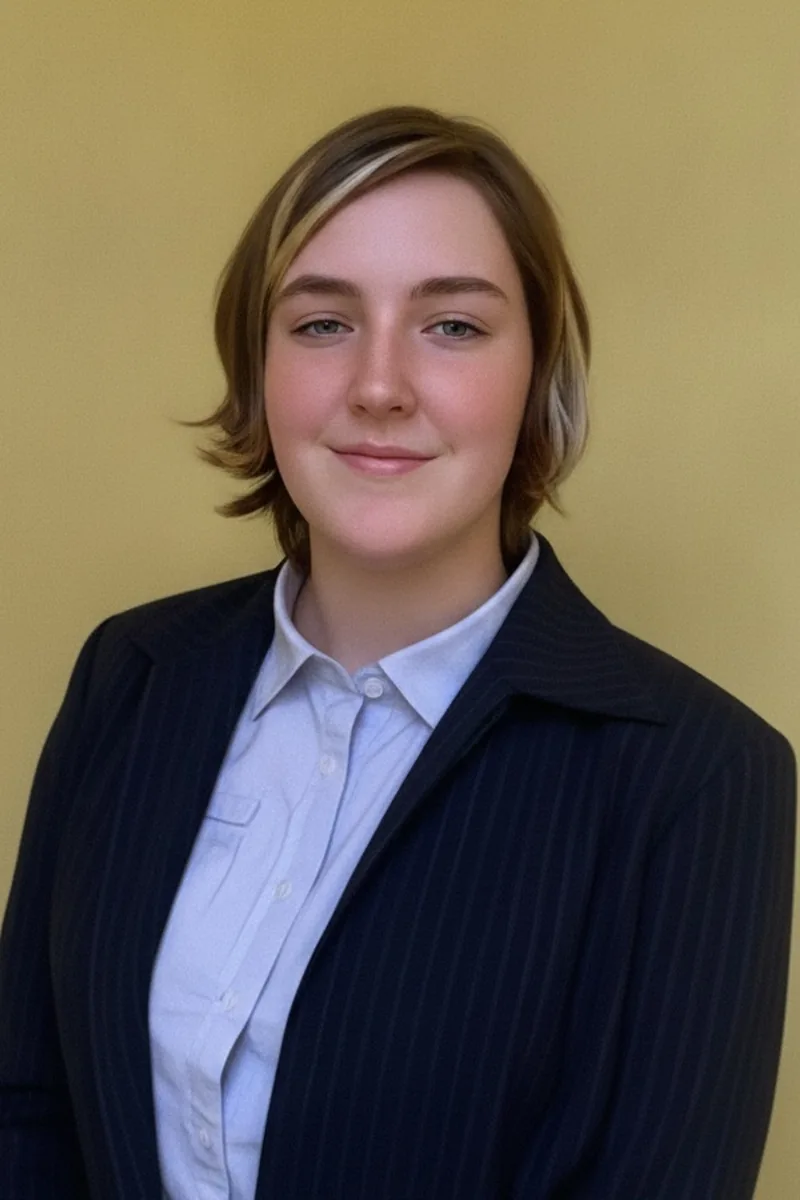
Kelsey has studied German through advanced levels, tackling complex grammar structures like subjunctive mood, relative clauses, and case-driven syntax. She breaks down tricky concepts like dative prepositions and adjective endings by connecting them to patterns rather than rote memorization tables, making the logic of German grammar feel less arbitrary.
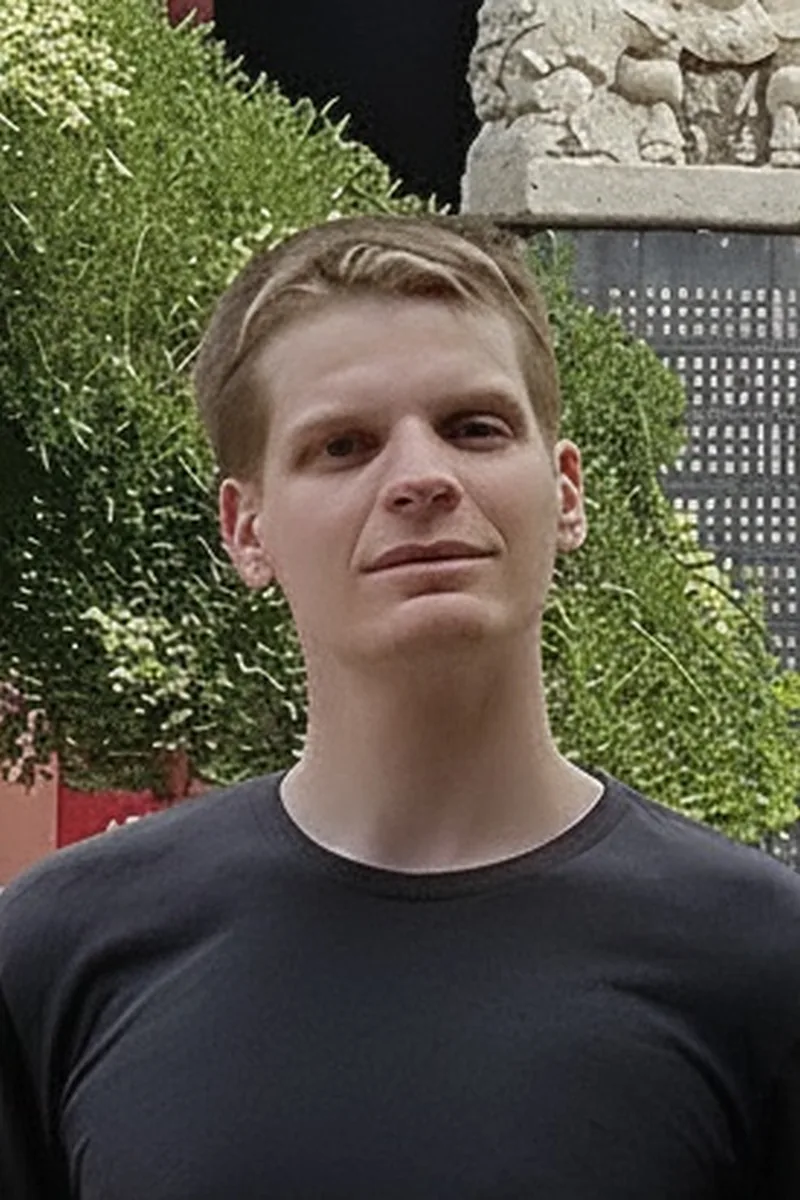
Zachary teaches German with a literary sensibility, connecting grammar concepts like case endings and verb placement to how meaning actually shifts in real German sentences. His background in comparative literature means students get exposure to authentic texts early, building vocabulary and syntax together rather than in isolation.
Caroline doesn't just teach German grammar rules in isolation — she connects case endings, word order, and verb placement to the logic of how German speakers actually think and communicate. Her comparative literature training means she regularly works with German-language texts, so students get a tutor who understands the language at a deeper cultural and literary level, not just a textbook one.
Ema earned a certificate in German language through UCF, which means she's gone well beyond introductory vocabulary into grammar-heavy territory — cases, verb conjugation patterns, and sentence structure that trips up English speakers. She approaches German systematically, connecting grammatical rules to patterns students can actually internalize rather than just memorize for a quiz.
Dorothea teaches German across all four levels, from building a foundation in noun genders and case endings to navigating the subordinate-clause word order that trips up so many intermediate learners. Her approach ties grammar to actual reading and conversation so that rules like accusative versus dative stop feeling arbitrary and start making intuitive sense.
German's case system and word order rules trip up most English speakers early on, and the confusion only compounds if it isn't addressed head-on. Cody teaches across all four levels of German, breaking down nominative, accusative, dative, and genitive usage with clear examples that make the grammar feel logical rather than arbitrary.
Das Laecheln, dass du aussendest kommt immer wieder zurueck. - The smile you are giving is always coming back to you. (indian proverbs) I believe whatever you do, do it with a smile or don't do it at all. Life is too short to be upset about it. If you are struggling on something work on it, don't waste your time in complaining about. Only the ones who work hard, succeed. It might take some sacrifices but it will be worth it in the end. I am a German national who moved to the USA about 15 years ago. I have been with Varsity over 9 years and had the pleasure to accompany students learning German from a beginner stage or preparing them to the next level - be that a certification, testing in school or getting ready for a trip overseas. I do also teach Quickbooks as I am in the Accounting field during my regular job. in my free time I enjoy the outdoors with my family and learning Martial Arts.
A year living in Germany gave Richard the kind of fluency that textbooks can't replicate — intuitions about word order, case endings, and the subtle differences between written and spoken registers. He teaches German grammar systematically while weaving in the cultural context that makes vocabulary and idioms easier to internalize.
Lisa has studied German through an advanced level, covering everything from case declensions and subordinate clause word order to reading authentic texts. She approaches grammar as a logical system rather than a set of rules to memorize, which makes tricky concepts like dative prepositions and adjective endings feel more predictable. Her 5.0 rating speaks to how well that approach lands.
Learning German means wrestling with case endings, separable verbs, and a sentence structure that puts the verb in places English speakers don't expect. Susie has studied German extensively and teaches grammar as a logical system — once students see the patterns behind accusative versus dative, for instance, the rules stop feeling arbitrary. She pairs structural drills with reading and listening practice to build real fluency.
I am most passionate about helping people learn history, social sciences, and mathematics. I also assist with standardized test prep, primarily with the Reading and Writing sections of the exams. In my spare time, I enjoy photography, hiking and other outdoor activities, and reading about philosophy, evolutionary biology, and human history.
Four levels of German means William has moved well past conjugation tables into complex grammar — subordinate clauses, subjunctive mood, case system nuances that trip up even advanced students. As a linguistics major at Yale, he can explain the structural logic behind German syntax in a way that makes rules feel less arbitrary. He's rated 5.0 by students.
Seven years of teaching French at the university level gave Dorthea a linguist's instinct for how grammar systems work across languages — and German shares more structural DNA with French than most students realize. She applies that cross-linguistic awareness to German's trickier features, like modal verb placement and subordinate clause word order, making the patterns feel logical rather than arbitrary.
German's case system and word-order rules can overwhelm students who try to absorb them all at once. Elizabeth breaks the four cases down methodically — nominative, accusative, dative, genitive — linking each to specific prepositions and verb patterns so students build reliable instincts rather than guessing at endings.
At UC Berkeley, Jacob earned an M.A. in German and received formal training in foreign language pedagogy while teaching college-level German courses. That combination of academic depth and classroom experience means he can explain tricky grammar — separable verbs, adjective endings, subjunctive mood — in ways that actually make structural sense rather than feeling like arbitrary rules.
Learning German means wrestling with case endings, separable verbs, and a word-order system that feels alien to English speakers. John breaks these structures down systematically, connecting grammar rules to patterns students can actually internalize rather than just memorize from a chart. His experience across every level of German coursework means he can adjust complexity on the fly.
Studying German from introductory courses through an advanced minor, Hailey knows exactly where English speakers stumble — dative prepositions, separable verbs, adjective endings that seem to follow no pattern. She explains the underlying logic of German grammar rather than handing students tables to memorize, which makes new rules easier to internalize and apply.
Learning German means wrestling with case endings, separable verbs, and word order rules that feel completely alien to English speakers. Colin breaks these grammar patterns into logical systems, connecting each rule to how German actually sounds and reads in practice so the structure clicks instead of feeling arbitrary.
Earning a PhD in German at Harvard means Zachary has spent years reading, writing, and thinking in the language — from Kant's dense philosophical prose to contemporary academic discourse. He teaches grammar not as a set of rules to memorize but as a system with its own internal logic, making case endings and word order click for students at every level. Whether the goal is passing a college course or reading Goethe in the original, he knows how to get there.
Testimonials
Because the right German tutor makes all the difference.
Average Session Rating – Based on 3.4M Learner Ratings
Nearby German Tutors
Other Port St. Lucie Tutors
Related Languages Tutors in Port St. Lucie
Frequently Asked Questions
Fluency depends on your starting level and how frequently you study. The U.S. Foreign Service Institute estimates that English speakers need approximately 750 hours of instruction to reach professional proficiency in German. With personalized 1-on-1 tutoring, you can accelerate progress by focusing on your specific goals—whether that's conversational fluency, exam preparation, or business communication. A tutor can create a customized learning path and track your advancement across reading, writing, speaking, and listening skills.
Speaking is often the most challenging skill to develop in a classroom setting, especially with Port St. Lucie's average student-teacher ratio of 17.8:1, where individual speaking time is limited. Personalized 1-on-1 instruction gives you dedicated time to practice conversation, receive real-time pronunciation feedback, and build confidence speaking German. A tutor can correct your accent, help you think through complex sentence structures, and create authentic dialogue scenarios that prepare you for real-world communication.
German grammar—particularly verb conjugations, cases (nominative, accusative, dative, genitive), and gendered nouns—can feel abstract when taught through rules alone. Personalized tutoring focuses on grammar in context, showing you how structures work in real sentences and conversations rather than memorizing rules in isolation. Your tutor can break down challenging concepts like the subjunctive mood or separable verbs into manageable steps and use spaced repetition to help these patterns stick long-term.
Effective vocabulary retention combines active recall, spaced repetition, and using words in meaningful contexts. Rather than memorizing isolated word lists, a tutor can help you learn vocabulary through thematic units, conversation practice, and real-world scenarios relevant to your interests. This approach—combined with strategic review sessions—helps you move words from short-term memory into long-term retention and actually use them in speaking and writing.
Absolutely. Understanding German culture, customs, and communication styles deepens your language comprehension and makes learning more engaging. A tutor can weave cultural context into lessons—discussing German literature, films, news, and social norms—which helps you grasp idioms, humor, and nuances that pure grammar instruction misses. This immersion-style approach also increases your motivation by connecting the language to real people and places.
Pronunciation requires consistent feedback and modeling, which is difficult to get in large classroom settings. Personalized 1-on-1 tutoring lets you work directly with an expert tutor who can identify specific sounds you're struggling with—like the German 'ü' or 'ö' sounds, or the guttural 'ch'—and give you targeted exercises to improve. Regular practice with immediate correction helps you develop an authentic accent and be understood by native speakers.
Yes. Whether you're preparing for the AP German exam, AICE German, or proficiency tests like the GOETHE-Zertifikat, a tutor can create a focused study plan targeting the specific skills and content that will be tested. They can provide practice tests, review challenging sections, and help you develop strategies for each section—speaking, writing, reading, and listening—so you walk into the exam confident and well-prepared.
Varsity Tutors connects you with expert tutors in Port St. Lucie who specialize in German language instruction and understand your specific goals—whether that's conversational fluency, academic success, or professional communication. The matching process considers your learning style, schedule, and objectives to ensure a strong fit. You can start with a first session to see if the tutor's teaching approach works for you before committing to ongoing instruction.
Let’s find your perfect tutor
Answer a few quick questions. We’ll recommend the right plan and match you with a top 5% tutor.