Award-Winning Japanese Tutors
serving Orlando, FL
Japanese
Tutors in Orlando
Private 1-on-1 tutoring, weekly live classes for academic support, test prep & enrichment, practice tests and diagnostics, and more to elevate grades and test scores.
Based on 3.4M Learner Ratings
UniversitiesSchools & Universities
DeliveredHours Delivered
ProficiencyGrowth in Proficiency
Who needs tutoring?
No obligation. Takes ~1 minute.

As an Asian Studies major at Duke, Caitlin engages with Japanese language in an academic context that goes beyond textbook dialogues — she understands how kanji, hiragana, and katakana each function within the writing system and why particles like は and が trip up English speakers. She walks through sentence structure and honorific levels with cultural context that makes the grammar patterns memorable.
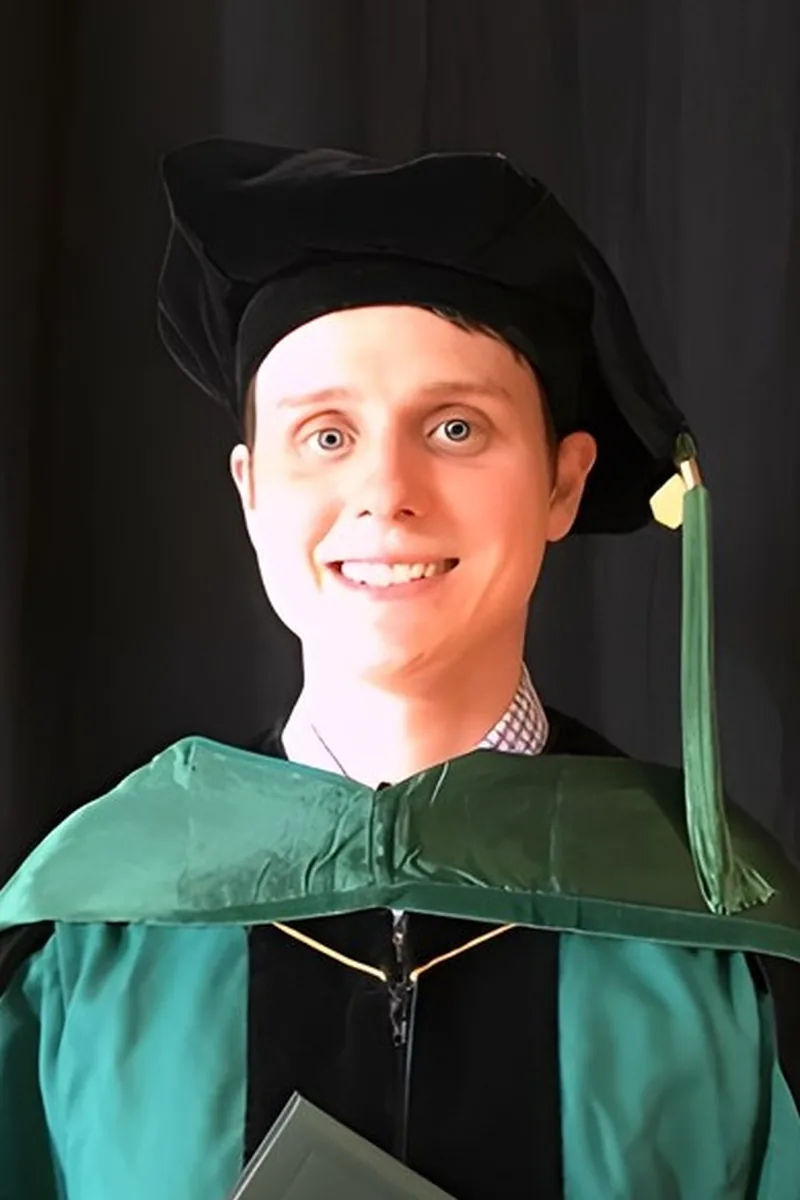
Having majored in Japanese at SUNY Albany, James doesn't just know the language — he understands the grammar architecturally, from particle usage and verb conjugation tiers to the nuances of honorific speech. He teaches reading and writing through cultural context, connecting kanji compounds to their historical roots so students retain them long-term rather than cramming and forgetting. Rated 4.9 by students.
Learning Japanese means juggling three writing systems, unfamiliar sentence structures, and particles that don't map neatly onto English — Rex tackles each layer separately so students can build real reading and conversational ability. His communication design background also gives him a unique perspective on how visual layout and typography work in Japanese media, which keeps lessons engaging and culturally grounded.
Learning Japanese means juggling three writing systems, a grammar structure that's the reverse of English, and cultural nuances that change how you speak depending on who you're talking to. Natasha taught Japanese at the high school level and lived in Japan teaching in elementary schools, giving her the kind of practical fluency that makes hiragana drills, particle usage, and conversational practice feel grounded in real life. She's 5.0-rated and works with beginners through advanced learners.
Learning Japanese means juggling three writing systems, unfamiliar sentence structures, and layers of politeness that don't exist in English. Aki breaks down hiragana, katakana, and basic kanji recognition alongside grammar patterns like particle usage and verb conjugation, building reading and conversational skills in parallel.
Having prepared for and taken the SAT Subject Test in Japanese with Listening, Dylan brings practical fluency in grammar structures like particle usage, verb conjugation groups, and honorific registers. He tackles reading comprehension by teaching students to decode kanji compounds in context rather than relying purely on rote memorization. Rated 5.0 by students.
Briana minored in Japanese at Michigan State, giving her a grounded understanding of the language's grammar patterns, particle usage, and writing systems — hiragana, katakana, and introductory kanji. She approaches Japanese as someone who learned it systematically in an academic setting, which means she can explain the "why" behind structures that often confuse English speakers.
An Asian Studies degree gave Andrew sustained exposure to Japanese language and culture throughout his undergraduate work, and he pairs that academic grounding with fluency in Mandarin Chinese to bring a comparative lens to East Asian language learning. He's particularly good at creating a low-pressure environment for speaking and reading practice — the kind of space where students actually start producing sentences instead of freezing up over perfect particle placement.
Emily minored in Japanese at Texas A&M and continues to engage with the language through media and self-study. She teaches hiragana, katakana, and foundational grammar patterns like particle usage with the same structured approach she applies to her other languages, making the writing systems feel systematic rather than overwhelming.
I am a current student at the University of Vermont. I am completing two Bachelors in Linguistics and Japanese, and am a researcher for both departments. From high school to the present day I have tutored people my age and younger, and I have experience working with refugee/ELL students; I have collected 2 years of experience. Though I can tutor several subjects, I am most passionate for Japanese, and feel it is my true calling. In my experience helping those who want to learn a foreign language like Japanese, I have found that scaffolding, or building off of, your interests in film, food, literature and culture has a profound and positive effect on your learning. I love education and learning for the sake of learning, and I will soon graduate and plan to teach English in Japan; sharing language and culture is my way of helping others and the world.
I am open to tutoring in a broad range of subjects, including Algebra, Spanish I/II, ESL and Biology (SAT II, AP, and MCAT).
Most students learning Japanese hit a wall somewhere between mastering hiragana and actually constructing sentences with particles, verb conjugations, and counters. Kai has been teaching Japanese through the student organization meetings on campus, building lessons that move learners from basic self-introductions to reading short passages and holding simple conversations.
As a native Japanese speaker with over fifty years of fluency in reading, writing, and conversation, Hatsuki teaches the language the way it's actually used — from particle usage and keigo (honorific speech) to the nuances between hiragana, katakana, and kanji in everyday contexts. She currently lives in the U.S. with her family, giving her a natural understanding of where English speakers stumble with Japanese grammar and pronunciation.
I'm a student at Brown University with an eclectic set of interests. I am trilingual, analytical, and creative and look forward to tutoring you! :)
Testimonials
Because the right Japanese tutor makes all the difference.
Average Session Rating – Based on 3.4M Learner Ratings
Nearby Japanese Tutors
Other Orlando Tutors
Related Languages Tutors in Orlando
Frequently Asked Questions
Your first session is an opportunity to discuss your current level, learning goals, and any specific challenges you're facing—whether that's mastering verb conjugation, building conversational confidence, or preparing for an exam. Your tutor will assess your strengths in reading, writing, speaking, and listening, then create a personalized plan tailored to your needs and timeline.
In a typical classroom setting, students get limited speaking time. With personalized 1-on-1 instruction, you have consistent, dedicated time to practice real conversations with an expert tutor who can correct your pronunciation, provide immediate feedback, and adjust the difficulty to match your level. This direct interaction is one of the most effective ways to build fluency and confidence in speaking Japanese.
Expert tutors understand that grammar rules are important for structure, but natural Japanese is how people actually speak. A good tutor teaches you the rules while also exposing you to authentic usage through conversation, reading native materials, and cultural context. This approach helps you understand not just the "why" behind grammar, but how it sounds and feels in real communication.
Effective vocabulary retention comes from spaced repetition, using words in context, and connecting them to real situations you care about. Your tutor can help you build a study system that incorporates flashcards, conversation practice, and reading materials aligned with your interests—whether that's anime, business Japanese, or travel. Personalized instruction means your vocabulary study targets words that matter to your goals.
Yes—one of the biggest advantages of working with a tutor is getting real-time feedback on your pronunciation. Expert tutors can identify specific sounds you're struggling with (like the subtle differences in Japanese vowels or pitch accent patterns), demonstrate correct pronunciation, and guide you through practice until it becomes natural. Regular feedback helps you develop an accent that native speakers will understand clearly.
Language and culture are deeply connected. Understanding Japanese cultural norms, honorifics, and social contexts helps you use the language appropriately and appreciate nuances that pure grammar instruction can't teach. Tutors often weave in cultural elements—like when to use formal vs. casual speech, the significance of certain expressions, or how to navigate social interactions—making your learning richer and more authentic.
Verb conjugation is one of the most challenging aspects of Japanese, but breaking it into patterns and practicing with real examples makes it manageable. A tutor can help you understand the underlying logic of different verb groups, practice conjugations in context through conversation and writing, and build muscle memory through repeated, targeted practice. Over time, conjugations that seem complex at first become automatic.
Yes, Varsity Tutors connects students with expert tutors who specialize in Japanese exam preparation, whether you're studying for AP Japanese, JLPT (Japanese Language Proficiency Test), or school-based assessments. Your tutor will focus on the specific skills and content areas tested, provide practice materials, and help you build confidence so you can perform your best on test day.
Let’s find your perfect tutor
Answer a few quick questions. We’ll recommend the right plan and match you with a top 5% tutor.