Award-Winning German Tutors
serving Jacksonville, FL
German
Tutors in Jacksonville
Private 1-on-1 tutoring, weekly live classes for academic support, test prep & enrichment, practice tests and diagnostics, and more to elevate grades and test scores.
Based on 3.4M Learner Ratings
UniversitiesSchools & Universities
DeliveredHours Delivered
ProficiencyGrowth in Proficiency
Who needs tutoring?
No obligation. Takes ~1 minute.
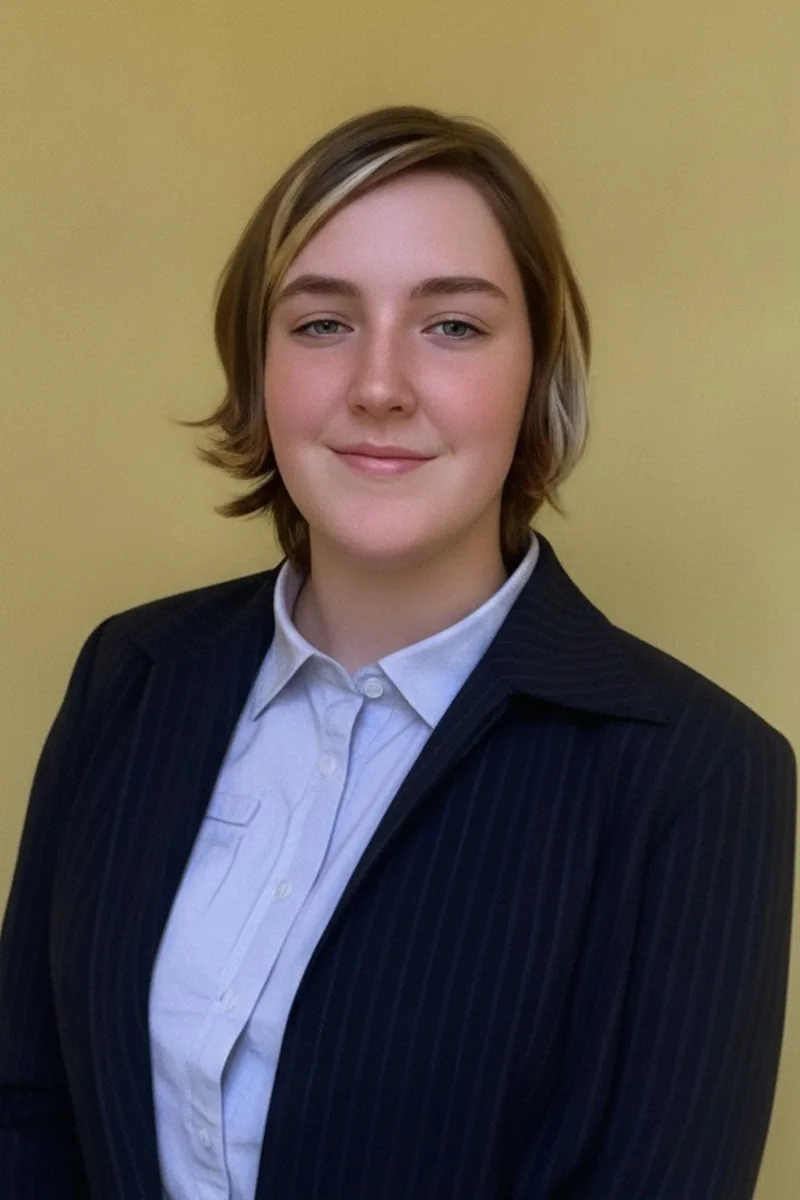
Kelsey has studied German through advanced levels, tackling complex grammar structures like subjunctive mood, relative clauses, and case-driven syntax. She breaks down tricky concepts like dative prepositions and adjective endings by connecting them to patterns rather than rote memorization tables, making the logic of German grammar feel less arbitrary.
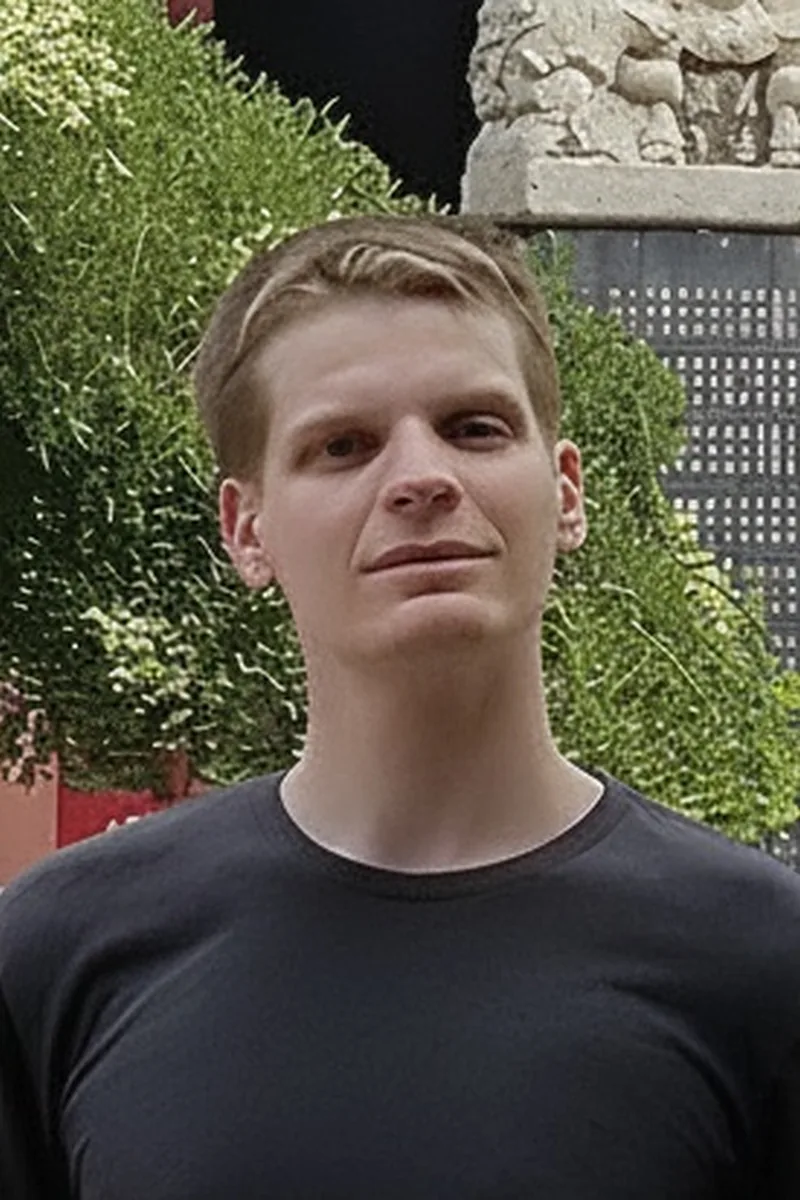
Zachary teaches German with a literary sensibility, connecting grammar concepts like case endings and verb placement to how meaning actually shifts in real German sentences. His background in comparative literature means students get exposure to authentic texts early, building vocabulary and syntax together rather than in isolation.
Ema earned a certificate in German language through UCF, which means she's gone well beyond introductory vocabulary into grammar-heavy territory — cases, verb conjugation patterns, and sentence structure that trips up English speakers. She approaches German systematically, connecting grammatical rules to patterns students can actually internalize rather than just memorize for a quiz.
Caroline doesn't just teach German grammar rules in isolation — she connects case endings, word order, and verb placement to the logic of how German speakers actually think and communicate. Her comparative literature training means she regularly works with German-language texts, so students get a tutor who understands the language at a deeper cultural and literary level, not just a textbook one.
Dorothea teaches German across all four levels, from building a foundation in noun genders and case endings to navigating the subordinate-clause word order that trips up so many intermediate learners. Her approach ties grammar to actual reading and conversation so that rules like accusative versus dative stop feeling arbitrary and start making intuitive sense.
German's case system and word order rules trip up most English speakers early on, and the confusion only compounds if it isn't addressed head-on. Cody teaches across all four levels of German, breaking down nominative, accusative, dative, and genitive usage with clear examples that make the grammar feel logical rather than arbitrary.
Das Laecheln, dass du aussendest kommt immer wieder zurueck. - The smile you are giving is always coming back to you. (indian proverbs) I believe whatever you do, do it with a smile or don't do it at all. Life is too short to be upset about it. If you are struggling on something work on it, don't waste your time in complaining about. Only the ones who work hard, succeed. It might take some sacrifices but it will be worth it in the end.
Cornelia teaches German across all four levels, from nominative case basics to navigating subordinate clauses and the subjunctive mood. She integrates games, images, and cultural context into grammar-heavy lessons — an approach that keeps vocabulary and case endings from feeling like pure memorization. Her 5.0 rating speaks to how well that method lands with students.
Learning German means wrestling with case endings, separable verbs, and word order rules that feel completely alien to English speakers. Colin breaks these grammar patterns into logical systems, connecting each rule to how German actually sounds and reads in practice so the structure clicks instead of feeling arbitrary.
Willow didn't just study German in a classroom — she earned departmental honors in German Studies at UCLA and spent time at Humboldt Universität Berlin immersed in the language. She tackles grammar concepts like case endings, subordinate clause word order, and verb conjugation patterns by connecting them to how native speakers actually think about sentence structure. That academic depth paired with real immersion experience makes a difference for students at any level.
Teaching German at every level from beginner to advanced, Nadja is a native-level speaker who understands the grammar hurdles — case endings, separable verbs, subordinate clause word order — that trip up English speakers most. She integrates conversation practice with structured grammar drills so students build fluency and accuracy at the same time.
A Master's degree in Germanic Languages from Columbia, combined with years living and teaching in Austria, means Jacquelyn doesn't just know textbook German — she knows how dative prepositions sound in a Salzburg café and why Konjunktiv II matters in real conversation. She scored highly enough on the SAT Subject Test in German with Listening to tutor it, and she tackles everything from case endings to advanced reading comprehension.
Seven years of teaching French at the university level gave Dorthea a linguist's instinct for how grammar systems work across languages — and German shares more structural DNA with French than most students realize. She applies that cross-linguistic awareness to German's trickier features, like modal verb placement and subordinate clause word order, making the patterns feel logical rather than arbitrary.
Lisa has studied German through an advanced level, covering everything from case declensions and subordinate clause word order to reading authentic texts. She approaches grammar as a logical system rather than a set of rules to memorize, which makes tricky concepts like dative prepositions and adjective endings feel more predictable. Her 5.0 rating speaks to how well that approach lands.
A pre-med student at UNC with minors in chemistry and biology, Dimitry also carries German through the advanced level — an uncommon combination that means he's used to toggling between technical and linguistic precision. He approaches German grammar with the same diagnostic thinking he brings to the sciences, making case systems and verb conjugation feel less like arbitrary rules and more like solvable puzzles. Rated 4.9 by students.
Joshua teaches German across three levels, with particular attention to case systems and verb conjugation patterns that trip up English speakers. His approach connects grammar rules to the underlying logic of the language, drawing on the same analytical rigor he developed studying philosophy.
Jay minored in German at Penn State and has studied the language across all four levels, from foundational grammar and case systems to advanced literary and academic texts. He breaks down tricky concepts like adjective endings, subordinate clause word order, and the subjunctive mood in ways that make German's structural logic click rather than feel like arbitrary rules.
Learning German means wrestling with case endings, separable verbs, and a sentence structure that puts the verb in places English speakers don't expect. Susie has studied German extensively and teaches grammar as a logical system — once students see the patterns behind accusative versus dative, for instance, the rules stop feeling arbitrary. She pairs structural drills with reading and listening practice to build real fluency.
Six months of full-immersion study in Berlin gave Daniel a feel for German that textbooks alone can't replicate — the way case endings sound natural in conversation, or how separable verbs behave in real speech versus grammar drills. He earned his B.A. in German from Duke with a focus that included twentieth-century German history and politics, which means his lessons often connect language to the culture that shapes it.
Testimonials
Because the right German tutor makes all the difference.
Average Session Rating – Based on 3.4M Learner Ratings
Nearby German Tutors
Other Jacksonville Tutors
Related Languages Tutors in Jacksonville
Frequently Asked Questions
Speaking practice is one of the biggest challenges in traditional classroom settings, especially with Jacksonville's 18.2:1 student-teacher ratio limiting individual speaking time. Personalized 1-on-1 German tutoring provides dedicated conversation practice where you can speak freely, get immediate feedback on pronunciation and grammar, and build confidence in real dialogues. Tutors can tailor conversations to your interests and proficiency level, helping you develop natural speaking patterns rather than just memorizing textbook phrases.
German verb conjugation is complex because verbs change based on person, tense, mood, and whether they're regular or irregular—and there are many irregular verbs to learn. Rather than drilling conjugation tables, expert tutors help you understand the underlying patterns and practice conjugations in meaningful contexts through conversation and real sentences. This approach builds deeper understanding and retention compared to memorization alone, making conjugations feel more intuitive over time.
Vocabulary retention improves dramatically when words are learned in context and used repeatedly in conversation, rather than from isolated lists. Tutors use spaced repetition and retrieval practice—proven learning techniques where you encounter words at strategic intervals and retrieve them from memory—to build lasting vocabulary. They can also focus on high-frequency words relevant to your goals, whether that's conversational German, academic writing, or preparing for proficiency exams.
The most effective approach combines both: understanding grammar rules gives you a foundation, but native-like fluency comes from exposure to how Germans actually use the language. Personalized tutoring balances explicit grammar instruction with conversational practice, so you learn the rules and see how they apply in real speech. This hybrid approach helps you avoid the common trap of knowing grammar but struggling to understand or speak naturally.
Language and culture are deeply connected—understanding German culture, history, and values helps you grasp idioms, humor, social norms, and why native speakers communicate the way they do. Tutors can incorporate cultural context into lessons through authentic materials like German films, news, literature, and discussions about German-speaking countries. This immersion-style approach makes learning more meaningful and engaging while building cultural competence alongside language skills.
Yes—one of the biggest advantages of 1-on-1 tutoring is getting personalized feedback on pronunciation in real time. Tutors can identify specific sounds you struggle with (like the German 'ü' or 'ch' sounds), explain how to position your mouth and tongue correctly, and have you practice until the sounds become natural. Regular conversation practice with corrective feedback helps you develop authentic pronunciation and reduce your accent far more effectively than self-study.
Reading and writing require different practice than speaking and listening. Tutors can guide you through authentic German texts at your level, teach you to recognize grammatical structures in context, and help you write everything from simple sentences to essays with proper grammar and style. They provide detailed feedback on your writing, helping you understand not just what's wrong, but why—building skills that transfer to all your written communication in German.
Your first session is about getting to know you and understanding your goals, current level, and learning style. The tutor will assess your strengths and challenges across reading, writing, speaking, and listening, then create a personalized plan tailored to your needs—whether you're starting from scratch, preparing for an AP German exam, or aiming for conversational fluency. You'll leave with a clear roadmap and momentum toward your German language goals.
Let’s find your perfect tutor
Answer a few quick questions. We’ll recommend the right plan and match you with a top 5% tutor.