Award-Winning AP Latin Tutors
serving Jacksonville, FL
AP Latin
Tutors in Jacksonville
Private 1-on-1 tutoring, weekly live classes for academic support, test prep & enrichment, practice tests and diagnostics, and more to elevate grades and test scores.
Based on 3.4M Learner Ratings
UniversitiesSchools & Universities
DeliveredHours Delivered
ProficiencyGrowth in Proficiency
Who needs tutoring?
No obligation. Takes ~1 minute.

A Classics degree means Leslie didn't just take Latin — she built her entire undergraduate education around the ancient world, reading the same Vergil and Caesar passages that AP students face on exam day. Her coursework through Latin 4 and AP-level material gives her the grammatical depth to walk through tricky constructions like ablative absolutes and purpose clauses, while her 4.9 rating speaks to how well that knowledge translates into actual tutoring sessions.
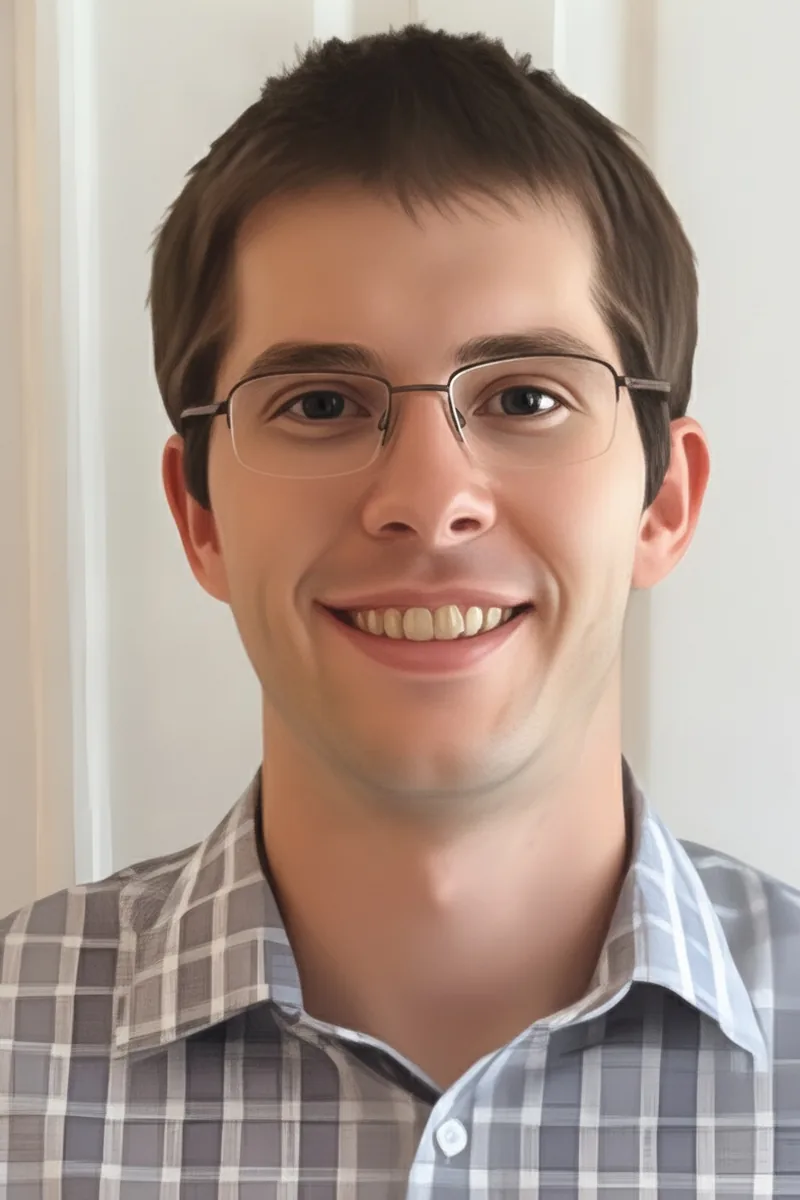
A computer science PhD candidate with a bachelor's in applied mathematics might seem like an unusual pick for AP Latin, but Daniel's formal training in Latin through multiple levels gives him genuine facility with the language — and his mathematical mindset turns complex syntax into logical puzzles, breaking periodic sentences into dependency trees the way a programmer would parse nested functions. He's especially effective on the grammar-intensive portions of the exam, where systematic pattern recognition matters more than literary intuition. Rated 5.0 by students.
AP Latin's exam asks students to do more than translate — they need to analyze Vergil's and Caesar's rhetorical strategies, scan dactylic hexameter, and write sight-reading commentary under time pressure. Vivian's Classics minor at Fordham immersed her in exactly these texts and techniques. She breaks down complex grammatical constructions like ablative absolutes and indirect discourse so students build genuine reading speed.
Rebecca is a Classics major who reads Vergil and Caesar daily as part of her undergraduate coursework — the exact texts the AP Latin exam tests. That immersion, combined with her applied psychology training, means she understands both the Latin on the page and how to adjust her explanations when a student's grasp of something like indirect discourse or scansion isn't solidifying. Rated 5.0 by students.
Wyatt's Classics degree means he didn't just dabble in Latin — he built his entire undergraduate education around the ancient world, reading the same Vergil and Caesar passages that dominate the AP exam as part of his daily coursework. That deep textual familiarity pays off when students need to quickly identify how an ablative absolute or a fear clause functions in a real passage rather than a textbook exercise. Rated 5.0 by students.
Double-majoring in Latin and Ancient Greek means Shawn didn't just translate the AP syllabus texts — he studied them within the full ecosystem of classical languages, which sharpens his ability to explain why a subjunctive shows up in one clause but not another, or how Vergil's word order creates effects that a straight English translation flattens. His 33 ACT and 5.0 tutoring rating back up the reading precision and communication skills he brings to both translation work and the free-response essays.
Studying Classical Studies at Columbia means Sean reads Latin not as a classroom exercise but as the living backbone of his degree — translating the same Vergil and Caesar passages that drive the AP exam while simultaneously studying the historical and philosophical contexts that make those texts click. That dual lens is especially useful for the free-response essays, where connecting a grammatical choice to an author's larger purpose separates strong answers from surface-level ones.
Reading Vergil's Aeneid and Caesar's Bellum Gallicum at AP speed requires more than vocabulary — it means parsing ablative absolutes, indirect discourse, and fear-of-the-subjunctive moments without losing the thread of the narrative. Alex studied Classics as an undergraduate and reads Latin fluently, so he can walk students through both the grammatical architecture and the literary analysis the AP exam demands.
Catherine earned her MA in Latin, which means she's read Caesar and Vergil not just for exams but as the center of her graduate research — the kind of deep textual familiarity that lets her explain why a subjunctive shift matters for meaning, not just how to identify it. She's particularly effective at training students to handle the timed translation passages, where recognizing periodic sentence structure quickly is often the difference between finishing and running out of time. Rated 5.0 by students.
Studying at Yale with Latin on his transcript and an SAT score of 1500, Stephen brings sharp reading comprehension instincts to the AP Latin texts — skills that transfer directly to unpacking Caesar's dense periodic sentences and Vergil's hyperbatic word order. His psychology background also gives him an edge when coaching students through the essay prompts, since analyzing an author's intent to persuade or evoke emotion is as much about understanding human motivation as it is about grammar.
Katherine's psychology major gives her an unusual angle on the AP Latin essays — when students need to analyze how Vergil manipulates emotion or how Caesar constructs persuasive narratives, understanding human motivation becomes a genuine asset. She's studied Latin and brings that foundation to translation work, though her real strength is coaching the free-response section where rhetorical analysis and clear argumentative writing determine the score.
As a Classics major at Carleton who aspires to teach high school Latin, Emma spends her days immersed in the same texts AP students face — Vergil's Aeneid and Caesar's De Bello Gallico — and she brings that daily familiarity to tutoring sessions where students need to move fluidly between translation, scansion, and literary analysis. Her 34 ACT reflects sharp reading and reasoning skills, and her coursework in Ancient Greek gives her a comparative lens on Latin grammar that clarifies tricky constructions like result clauses and conditions contrary to fact.
A Reed College Classics degree means Marilyn didn't just study Latin — she lived in the language alongside Ancient Greek, building the kind of cross-linguistic intuition that makes tricky AP constructions like fear clauses and conditions contrary to fact easier to explain from multiple angles. She's especially sharp on Vergil's poetry, where understanding meter and word order simultaneously is half the battle for students tackling sight-reading passages under exam pressure. Rated 4.8 by students.
Most AP Latin students hit a wall not with vocabulary but with the grammar — figuring out how a string of ablative absolutes or nested subjunctive clauses actually fits together in a real passage of Caesar. Ben studied classical and medieval Latin and brings an English major's close-reading instincts to translation work, teaching students to track how word order and syntax carry meaning rather than just hunting for dictionary definitions. His 34 ACT and 4.7 rating point to the kind of precise, careful reading the exam rewards.
Having studied Latin through the advanced level and across multiple classical languages, Jamie uses a comprehensible input approach that treats Vergil and Caesar not as decoding exercises but as stories — building the kind of reading fluency that lets students handle sight passages and literary analysis questions without freezing up. A master's in Special Education also means Jamie knows how to adapt when a student's usual approach to grammar or translation isn't clicking.
Testimonials
Because the right AP Latin tutor makes all the difference.
Average Session Rating – Based on 3.4M Learner Ratings
Practice AP Latin
Free practice tests, flashcards, and AI tutoring for AP Latin
Nearby AP Latin Tutors
Other Jacksonville Tutors
Related Languages Tutors in Jacksonville
Frequently Asked Questions
AP Latin focuses on reading and translating Latin texts, with an emphasis on two primary works: Vergil's Aeneid and Caesar's Gallic Wars. The exam tests your ability to translate passages, answer comprehension questions about the texts, and demonstrate understanding of Latin grammar, syntax, and Roman culture. You'll also explore how these classical works connect to broader themes in Western literature and history.
The AP Latin exam is 3 hours long and consists of two sections. Section I includes multiple-choice questions about passage comprehension and grammar (90 minutes), while Section II focuses on free-response translation and analysis questions (90 minutes). Success requires both quick, accurate translation skills and the ability to write thoughtful analytical responses about the texts and their historical context.
Many students struggle with the pace of translation—accurately translating complex Latin sentences under timed conditions requires both linguistic knowledge and strategic reading. Others find it difficult to balance translation accuracy with understanding the broader meaning and cultural context. Additionally, memorizing the required passages and understanding nuanced grammar constructions like the subjunctive mood and ablative absolute can be time-consuming without targeted practice.
Expert tutors can help you develop efficient translation strategies, break down complex grammatical structures, and build confidence with timed practice passages. Personalized 1-on-1 instruction allows tutors to identify your specific weak areas—whether that's subjunctive constructions, cultural context, or test pacing—and create a focused study plan. Regular practice with feedback helps you internalize patterns and improve both accuracy and speed.
Score improvement depends on your starting point and how consistently you engage with tutoring and practice. Students who work with tutors typically see gains through targeted grammar review, strategic translation practice, and familiarity with exam question formats. Most importantly, tutoring helps you identify and address gaps before test day, giving you the confidence and skills to perform at your best.
Most students benefit from starting AP Latin preparation several months before the May exam, especially if they're new to Latin or need to strengthen foundational skills. A typical study schedule includes weekly tutoring sessions combined with regular independent practice—translating passages, reviewing grammar, and completing practice problems. Working with a tutor helps you use your study time efficiently and stay on track with a structured plan.
Varsity Tutors connects you with expert tutors who specialize in AP Latin and understand the exam's specific demands. When you reach out, we match you with tutors based on your goals, schedule, and learning style. Our tutors bring deep knowledge of Latin grammar, the required texts, and proven strategies for helping students succeed on test day.
Your first session is designed to assess your current level, understand your goals, and establish a personalized study plan. The tutor will likely review your background with Latin, identify specific areas where you need support, and discuss your timeline and target score. From there, you'll work together on targeted skills—whether that's mastering translation techniques, understanding difficult passages, or building test-taking confidence.
Let’s find your perfect tutor
Answer a few quick questions. We’ll recommend the right plan and match you with a top 5% tutor.