Award-Winning Organic Chemistry Tutors
serving New Haven, CT
Organic Chemistry
Tutors in New Haven
Private 1-on-1 tutoring, weekly live classes for academic support, test prep & enrichment, practice tests and diagnostics, and more to elevate grades and test scores.
Based on 3.4M Learner Ratings
UniversitiesSchools & Universities
DeliveredHours Delivered
ProficiencyGrowth in Proficiency
Who needs tutoring?
No obligation. Takes ~1 minute.
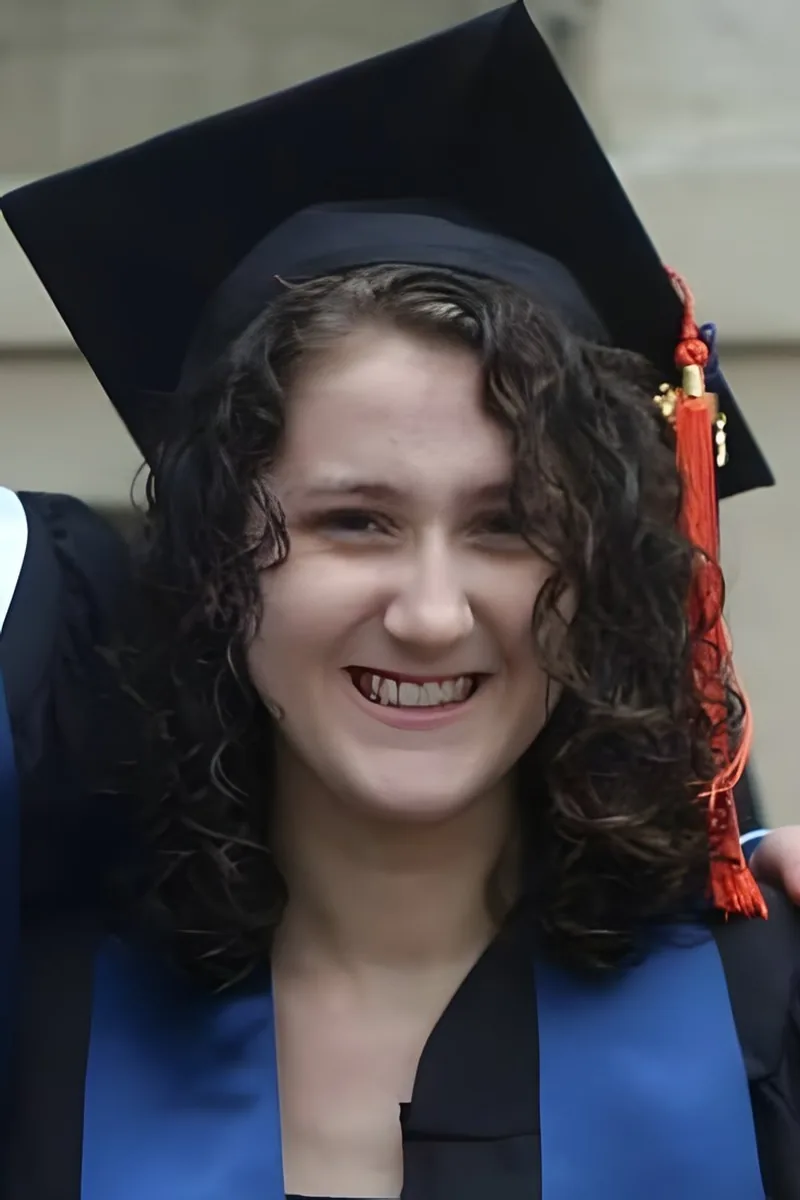
I am a PhD student in Inorganic Chemistry at Yale University. I've been spreading my love of chemistry for the past several years as a TA for general chemistry, and I'm excited to share my passion with you! Prior to Yale, I got my B.S. in chemistry from Caltech, where I also served as a TA for both general chemistry lab and advanced inorganic chemistry. Outside of teaching and research, I enjoy fencing, reading, and playing piano.
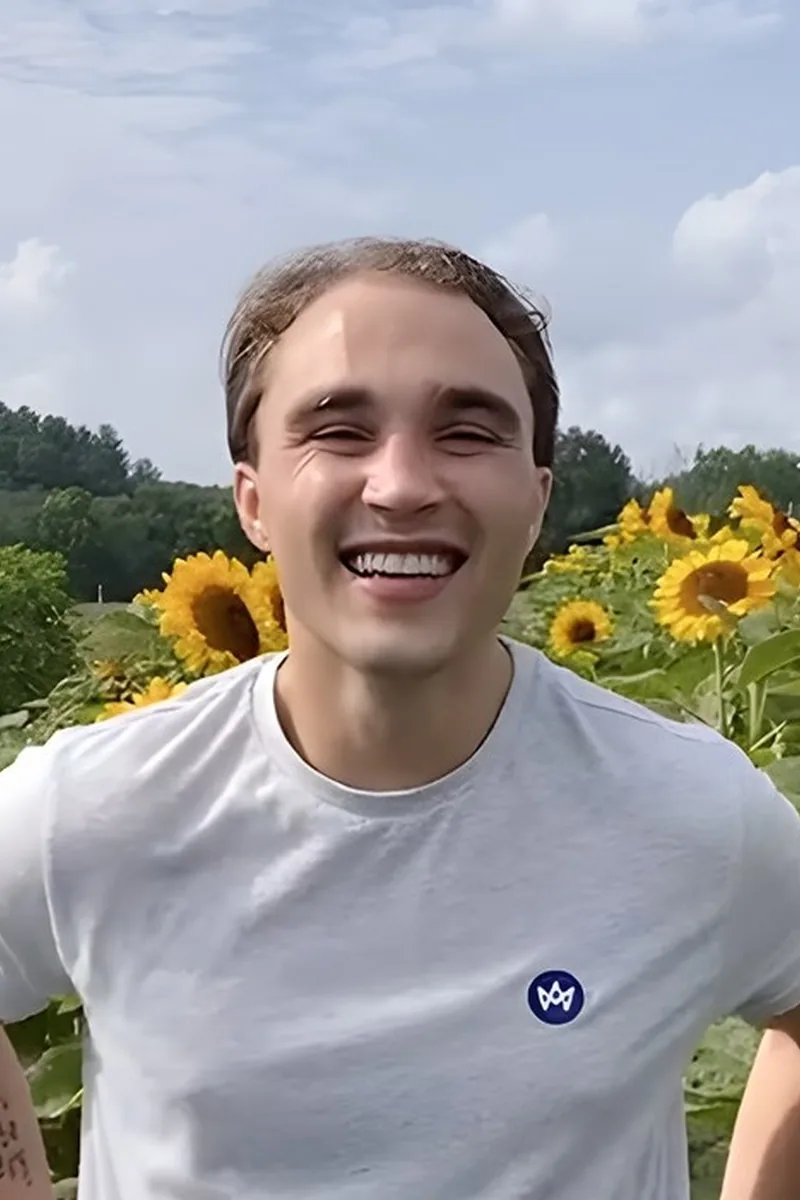
Two years as a TA in organic chemistry at UConn — where Noah is pursuing a PhD in medicinal chemistry with research rooted in organic synthesis — means he's seen exactly where students lose the thread on arrow-pushing, stereochemistry, and multi-step reaction sequences. He teaches from the bench as much as the blackboard, connecting textbook mechanisms to the real synthetic challenges he tackles in his own research. Rated 5.0 by students.
Most students dread organic chemistry, but Lily genuinely loves it — and that enthusiasm comes through when she's walking someone through a tricky elimination mechanism or explaining why a carbonyl is so electrophilic. Her neuroscience degree meant she encountered these reactions both in the classroom and in the lab, where seeing functional group transformations play out in real experiments made the arrow-pushing logic click in a way pure lecture never could. Rated 4.9 by students.
Reaction mechanisms are the language of organic chemistry — if you can't follow electron movement through a nucleophilic substitution or an elimination, every new reaction feels like something to memorize from scratch. Cassandra teaches students to recognize the patterns that repeat across seemingly different reactions: leaving group quality, steric effects, acid-base behavior. That pattern-recognition approach, sharpened by her biology and biochemistry background, turns a notoriously overwhelming course into something students can actually reason through.
Reaction mechanisms are the language of organic chemistry, and most students struggle because they try to memorize arrows instead of understanding electron flow. Abrahim unpacks each mechanism — SN1 vs. SN2, E1 vs. E2, electrophilic aromatic substitution — by starting with nucleophilicity, sterics, and leaving-group ability so the logic drives the arrow-pushing rather than the other way around. His 5.0 rating speaks to how well that approach clicks.
Reaction mechanisms are the language of organic chemistry, and David treats them that way — once a student can read electron flow through curved arrows, predicting products for substitution, elimination, and addition reactions becomes systematic rather than overwhelming. His Yale neuroscience training required two semesters of organic chemistry, and he still uses those fundamentals daily in his bioethics graduate work.
Reaction mechanisms are the language of organic chemistry, and Daniel learned to speak it fluently through his microbiology and dental science training. He walks through arrow-pushing, stereochemistry, and functional group reactivity by emphasizing the "why" behind each electron movement — so students can predict products on exam day instead of relying on memorized templates.
David is earning his PhD in organic chemistry at Northwestern, where he teaches undergraduate orgo labs and recitations and has co-written exam questions for the department. That means he knows exactly which reaction mechanisms, stereochemistry problems, and retrosynthesis challenges professors test — and how to break them down so the logic clicks. Rated 5.0 by students, he ties each mechanism to real-world applications that make the material stick.
Studying chemistry at Harvard while preparing for Columbia Medical School means James has worked through organic chemistry from both the academic and pre-med sides — understanding mechanisms deeply enough to satisfy a chemistry major, and efficiently enough to apply them in biochemistry and pharmacology contexts. He's particularly strong at teaching students how to predict reaction outcomes by analyzing charge stability and leaving group trends rather than treating each transformation as a new thing to memorize. Rated 4.9 by students.
Reaction mechanisms click when you understand electron movement — why a nucleophile attacks one carbon over another, how steric hindrance redirects a pathway, what drives an elimination versus a substitution. Enric's PhD in Chemistry means he's spent years thinking at the mechanistic level and can unpack arrow-pushing, stereochemistry, and retrosynthetic analysis in ways that make each reaction type feel logical rather than arbitrary.
Reaction mechanisms in organic chemistry demand the same kind of pattern recognition Seong uses in her neuroscience coursework at Northwestern — tracking electron movement, predicting intermediates, and understanding why one pathway dominates over another. She unpacks arrow-pushing notation by tying each step to underlying principles of nucleophilicity and sterics, so students can reason through unfamiliar reactions on exams instead of relying on rote memorization.
As an MD/PhD student at Northwestern doing doctoral research in organic synthesis, Austin lives in the world of reaction design — figuring out which bonds to form, which protecting groups to use, and why one retrosynthetic route beats another. That daily immersion means he teaches mechanisms and stereochemistry with the fluency of someone who actually builds molecules, not just someone who once passed the course.
Currently majoring in chemistry at MIT, Nicholas is immersed in the reaction logic and electron-pushing that organic chemistry demands — and he's learning it at a program known for its rigorous mechanistic approach. He breaks down topics like nucleophilic additions and stereochemical outcomes by connecting them to the underlying thermodynamic and kinetic reasoning, making unfamiliar transformations feel predictable rather than random. Rated 5.0 by students.
Reaction mechanisms in organic chemistry are essentially molecular storytelling — electron pairs move, bonds break and form, and stereochemistry shifts in predictable ways. Andrew's molecular biology training required deep fluency with organic reactions at the biomolecular level, so he teaches arrow-pushing and functional group transformations as logical sequences rather than steps to memorize.
Reaction mechanisms are the backbone of organic chemistry, and students who try to memorize each one individually run out of mental storage by the second exam. Bintou's chemistry training at Penn taught her to classify reactions by electron behavior — nucleophilic attack, leaving group stability, carbocation rearrangement — so patterns emerge instead of isolated steps. She teaches students to predict products by reading the mechanism, not by recognizing a specific example they've seen before.
Testimonials
Because the right Organic Chemistry tutor makes all the difference.
Average Session Rating – Based on 3.4M Learner Ratings
Practice Organic Chemistry
Free practice tests, flashcards, and AI tutoring for Organic Chemistry
Nearby Organic Chemistry Tutors
Other New Haven Tutors
Related Science Tutors in New Haven
Frequently Asked Questions
Organic chemistry requires you to visualize molecular structures and reaction mechanisms in 3D—something that's genuinely difficult without practice and guidance. Many students try to memorize reactions instead of understanding the underlying principles, which backfires quickly when problems get more complex. A tutor helps you build conceptual understanding from the ground up, so you can tackle unfamiliar reactions with confidence rather than relying on memory alone.
Your tutor will assess your current understanding—whether you're solid on foundational concepts like bonding and hybridization, or if you need to shore those up first. They'll identify which specific topics are causing you the most trouble (reaction mechanisms, stereochemistry, synthesis problems, etc.) and create a personalized plan that targets your gaps. By the end of the first session, you'll have a clear roadmap for what to focus on and how tutoring will help you succeed.
Expert tutors break down mechanisms step-by-step, showing you how electron movement drives each transformation and why certain bonds break or form. Instead of flashcards, you'll learn to predict how a molecule will react based on its structure and functional groups—a skill that transfers to completely new reactions you've never seen. This deeper understanding is what separates a passing grade from mastery, and it's essential for exams and upper-level chemistry courses.
Tutors use molecular models, drawings, and interactive visualization techniques to help you see what's actually happening in a reaction. They'll teach you how to draw and interpret wedge-dash notation, Newman projections, and chair conformations—the visual tools you need to understand stereochemistry and predict reaction outcomes. Many students find that once they can truly visualize the 3D structure, the chemistry suddenly makes sense.
Yes—tutors can help you understand the theory behind lab procedures, prepare you to predict outcomes, and explain what you're observing during experiments. They can also help you write clear lab reports and connect your experimental results back to the underlying chemistry concepts. This support strengthens both your lab skills and your conceptual understanding of the material.
Most students notice better understanding and improved problem-solving within 3-4 weeks of consistent tutoring, especially if they're working on foundational concepts. For more complex topics like synthesis or advanced mechanisms, you might need 6-8 weeks to build real confidence. The timeline depends on where you're starting and how frequently you meet with your tutor, but consistent practice between sessions is key to progress.
Varsity Tutors matches you with tutors who have strong expertise in organic chemistry and understand the specific curriculum and challenges you're facing. You can share your goals, schedule, and learning style, and we'll connect you with someone who's a great fit for your needs. The process is straightforward—just reach out and let us know what you're working on.
Absolutely—tutors can help you master the content, practice problem-solving under timed conditions, and develop test-taking strategies specific to how organic chemistry is assessed. Whether you're preparing for a midterm, final, or standardized exam like the MCAT, a tutor will focus on the concepts and question types most likely to appear. They'll also help you identify your weak spots early so you have time to strengthen them before test day.
Let’s find your perfect tutor
Answer a few quick questions. We’ll recommend the right plan and match you with a top 5% tutor.